
Canon Camera Lenses
Canon camera lenses are among the most trusted and widely used optics in the world, offering a rich ecosystem of high-performance glass for photographers and videographers of all levels. From fast primes and versatile zooms to professional telephotos and macro marvels, Canon lenses deliver superior image quality, robust build, and creative flexibility. Since 1988, we’ve helped creators capture sharper, more expressive images through Canon’s class-leading lens systems—supporting both DSLR and mirrorless users with the right lens for every vision.
- Canon Camera Lenses
Canon ef-m 22mm f/2 stm – camera lenses (milc/slr, 7/6, canon ef-m, graphite)
£287.00 *View On Amazon* - Canon Camera Lenses
Canon EF 16-35 mm f/2.8L III USM Lens – Black (Renewed)
Original price was: £999.00.£749.99Current price is: £749.99. *View On Amazon* - Canon Camera Lenses
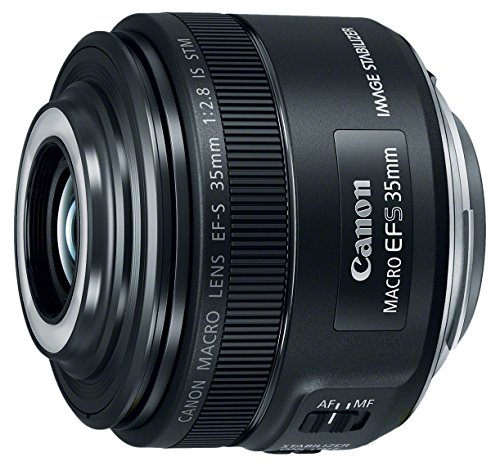
Canon Cameras US 2220C002 35mm Fixed Prime Macro is STM, Black
£363.00 *View On Amazon* - Canon Camera Lenses
Canon 35 mm f/1.4L II USM Lens for Camera
Original price was: £2,199.99.£2,000.00Current price is: £2,000.00. *View On Amazon* - Canon Camera Lenses
Canon EF 70-200 mm f/4.0 L USM Lens (Non Image Stabilised) – White
£429.00 *View On Amazon* - Canon Camera Lenses
Canon Mount Adapter EF – EOS R, Compatible with EOS RP, EOS R, EOS R6, EOS R5
£222.50 *View On Amazon* - Canon Camera Lenses
Canon EF 35mm f/2 Wide Angle Lens for Canon SLR Cameras (OLD MODEL)
£331.00 *View On Amazon* - Canon Camera Lenses
Canon EF 16-35 mm f/4L IS USM Lens – Black
Original price was: £1,439.99.£1,289.46Current price is: £1,289.46. *View On Amazon* - Canon Camera Lenses
Canon EF-S 10-18 mm 1:4.5-5.6 IS STM Lens Black Certified and Renewed
Original price was: £219.99.£144.99Current price is: £144.99. *View On Amazon* - Canon Camera Lenses
Canon EF 100 mm f/2.8 Macro USM Lens – Black (Renewed)
Original price was: £349.99.£299.98Current price is: £299.98. *View On Amazon* - Canon Camera Lenses
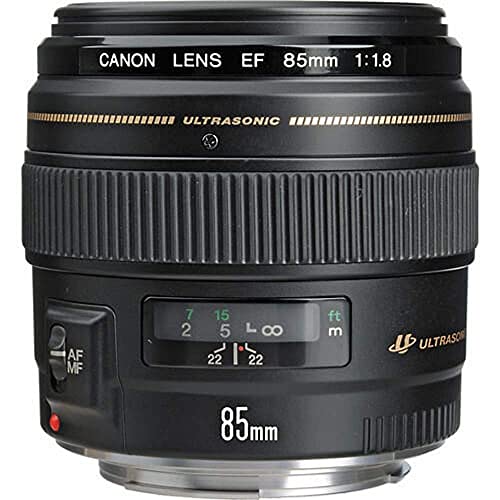
Canon EF 85mm f/1.8 USM Lens – Black (Renewed)
Original price was: £229.99.£219.00Current price is: £219.00. *View On Amazon* - Canon Camera Lenses
Canon EF-M 22mm f/2 STM Lens (Renewed)
Original price was: £287.00.£178.99Current price is: £178.99. *View On Amazon* - Canon Camera Lenses
Canon RF 24-50MM F4.5-6.3 IS STM|4.5-stop Optical Image Stabilizer|STM Auto Focus|Great for Portrait, Travel & Vlogging Black
Original price was: £379.99.£359.00Current price is: £359.00. *View On Amazon* - Canon Camera Lenses
Canon EF 16-35mm f/2.8L ll USM Zoom Lens for Canon EF Cameras (Renewed)
Original price was: £459.00.£419.99Current price is: £419.99. *View On Amazon*







Why Choose Canon Lenses?
Canon lenses are designed with advanced optical engineering, ultra-fast autofocus systems, and precision coatings that reduce aberrations and enhance contrast. With over three decades of innovation, Canon has developed:
Canon RF-mount lenses – Designed for EOS R mirrorless cameras with next-gen speed and edge-to-edge sharpness
Canon EF-mount lenses – A legacy DSLR system with thousands of lens options for every budget
EF-S lenses – Optimized for APS-C DSLR bodies (like the Canon 90D or Rebel series)
Cinema lenses (CN-E) – High-end manual-focus lenses built for video and film production
Canon’s legendary color science and cross-system compatibility make their lenses a top choice for professionals, enthusiasts, and beginners alike.
Key Canon Lens Mounts:
| Mount | Use With | Notable Features |
|---|---|---|
| RF | Mirrorless (EOS R series) | Advanced optics, fast communication, control ring |
| EF | DSLR (Full-frame) | Wide range, full-frame image circle |
| EF-S | DSLR (APS-C only) | Lighter, more compact, crop-frame lenses |
| EF-M | EOS M series (discontinued) | Compact mirrorless, limited lens selection |
RF lenses are Canon’s future-forward system, while EF remains supported for DSLR users and mirrorless shooters using the EF–RF adapter.
Top Canon RF Lenses (Mirrorless EOS R Series)
1. Canon RF 24–70mm f/2.8L IS USM
Fast, constant f/2.8 aperture with image stabilization
Ideal for portraits, events, travel, and video
Best for: All-around professional use
2. Canon RF 50mm f/1.2L USM
Incredibly sharp and fast with shallow depth of field
Beautiful bokeh and excellent low-light performance
Best for: Portraits, street photography, and artistic work
3. Canon RF 70–200mm f/2.8L IS USM
Compact design for a fast telephoto zoom
Great for sports, wildlife, weddings
Best for: Versatile telephoto work with pro-level performance
4. Canon RF 16mm f/2.8 STM
Ultra-wide, lightweight, and budget-friendly
Perfect for vlogging, interiors, and landscapes
Best for: Content creators and travel shooters
5. Canon RF 100mm f/2.8L Macro IS USM
True 1.4x macro magnification
Hybrid IS for handheld close-up photography
Best for: Macro, product photography, and detailed stills
Top Canon EF & EF-S Lenses (DSLR Systems)
1. Canon EF 50mm f/1.8 STM (“Nifty Fifty”)
Affordable, fast, and sharp
Lightweight with beautiful background blur
Best for: Beginners, portraits, and low-light photography
2. Canon EF 24–105mm f/4L IS II USM
Pro-grade walkaround zoom lens with image stabilization
Full-frame compatible
Best for: General photography, travel, and events
3. Canon EF 70–200mm f/2.8L IS III USM
Legendary telephoto zoom for DSLR
Durable, weather-sealed, with fast autofocus
Best for: Sports, weddings, wildlife
4. Canon EF-S 10–18mm f/4.5–5.6 IS STM
Ultra-wide lens for APS-C DSLRs
Great for video, landscapes, and interiors
Best for: Entry-level wide-angle shooters
5. Canon EF 100mm f/2.8L Macro IS USM
L-series macro lens with hybrid image stabilization
Stunning close-up sharpness and color
Best for: Macro enthusiasts and product photographers
Canon Lens Designations Explained:
L-series: Canon’s professional-grade lenses, weather-sealed and optically superior (marked with a red ring)
IS: Image Stabilization—reduces blur from camera shake
USM: Ultra-Sonic Motor—fast and silent autofocus
STM: Stepping Motor—smooth, quiet focus for video
Macro: Close-up lens with 1:1 (or more) magnification
DO: Diffractive optics—compact lens design with advanced technology
TS-E: Tilt-Shift lenses for architecture and creative effects
Buying Guide: How to Choose the Right Canon Lens
Know Your Camera Body
EOS R series: Use RF lenses (or EF with adapter)
DSLR full-frame: EF lenses
DSLR APS-C: EF or EF-S lenses
Define Your Shooting Style
Portraits: 50mm f/1.2, 85mm f/1.4, or 70–200mm f/2.8
Travel: 24–105mm, 35mm f/1.8, or 24–70mm
Wildlife/Sports: 100–400mm, 600mm f/4, or 70–200mm
Macro/Product: 100mm Macro (EF or RF)
Video/Vlogging: STM lenses or RF 16mm f/2.8
Consider Aperture and Depth of Field
Wider apertures (f/1.2–f/2.8) = better low-light and bokeh
Smaller apertures (f/4–f/5.6) = more depth of field and smaller size
Budget vs. Quality
Canon offers excellent third-party-compatible lenses from Sigma, Tamron, and Tokina if you’re on a budget
Expert Tips:
Use an EF–RF Adapter – Opens up Canon’s massive legacy lens library for RF camera users
Start with a Fast Prime – A 50mm or 35mm prime lens improves both technique and image quality
Protect with a UV Filter – Prevents scratches and lens damage while shooting outdoors
Lens Hood = Better Contrast – Reduces lens flare and protects from bumps
Keep Your Sensor Crop in Mind – A 50mm on APS-C = ~80mm effective field of view
FAQ: Canon Camera Lenses
Can I use EF lenses on a mirrorless Canon camera?
Yes—Canon’s EF–RF adapter makes EF and EF-S lenses fully compatible with EOS R series bodies.
Are RF lenses better than EF lenses?
RF lenses offer faster communication, better edge-to-edge sharpness, and more compact designs, but EF lenses are still excellent and widely used.
What’s the best lens for portraits?
The RF 85mm f/1.2L or EF 85mm f/1.8 USM are both portrait classics, offering beautiful background blur and flattering compression.
Do Canon lenses have image stabilization?
Yes—look for “IS” in the lens name. Many newer RF lenses also work with in-body stabilization for enhanced shake reduction.
What lenses should a beginner start with?
A 50mm f/1.8 and a versatile zoom like the 24–105mm cover most needs while staying affordable.
Trusted Canon Experts Since 1988
Whether you’re building your first Canon lens kit or upgrading to L-series glass, we’re here to help you find the perfect optics for your camera, your style, and your budget. With a full range of Canon RF, EF, and EF-S lenses—plus expert advice and in-store demos—you can shop with confidence and clarity. Visit us in-store or online to explore Canon lenses that bring your vision to life.
 Getting ready for Summer? View our Home and Garden Products

Heading outdoors this winter? Take a look at our Outdoor Clothing.
Amazon Associate Disclosure
As an Amazon Associate I earn from qualifying purchases.