
Mirrorless Cameras
Mirrorless cameras are interchangeable lens cameras designed for high quality photos and video without the mirror system used in DSLR cameras. This category is ideal if you want a capable camera for outdoor photography, travel, portraits, wildlife, sport, vlogging, content creation or everyday creative shooting.
The right mirrorless camera depends on how you plan to use it. Some buyers want a compact camera for travel and family photos. Others need faster autofocus, stronger video features, better low light performance or compatibility with a growing lens system.
- Mirrorless Cameras
Sony Alpha a6000 Mirrorless Digital Camera – 24 MP, 16-50mm Lens, Black
£439.99 *View On Amazon* - Mirrorless Cameras
Sony Alpha a6000 Mirrorless Digital Camera with 16-50mm Power Zoom Lens (Renewed)
Original price was: £479.00.£425.99Current price is: £425.99. *View On Amazon* - Mirrorless Cameras
Canon EOS R100 + RF-S 18-45mm F4.5-6.3 IS STM Lens – Entry-level Mirrorless Camera designed for families to capture life long memories, paired with an everyday compact lens. (Renewed)
Original price was: £569.00.£449.99Current price is: £449.99. *View On Amazon* - Mirrorless Cameras
Panasonic LUMIX DMC-G7KEB-K Professional Camera with Lens – Black, 14 – 42 mm
£647.00 *View On Amazon* - Mirrorless Cameras
Fujifilm X-H2 Mirrorless Digital Camera, Black With XF16-80mm Lens
Original price was: £2,299.00.£1,999.00Current price is: £1,999.00. *View On Amazon* - Mirrorless Cameras
Sony Vlog camera ZV-1 | Digital Camera (Vari-angle Screen for Vlogging, 4K Video)
£519.00 *View On Amazon* - Mirrorless Cameras
Sony Alpha 7 II Interchangeable Lens Mirrorless Camera with Full Frame Sensor
£402.00 *View On Amazon* - Mirrorless Cameras
Sony Alpha A6000 Mirrorless Digital Camera with 16-50mm Lens Silver
£436.99 *View On Amazon* - Mirrorless Cameras
Fujifilm X-T3 Mirrorless Digital Camera, Black (includes BC-W126S Battery Charger)
£668.00 *View On Amazon*


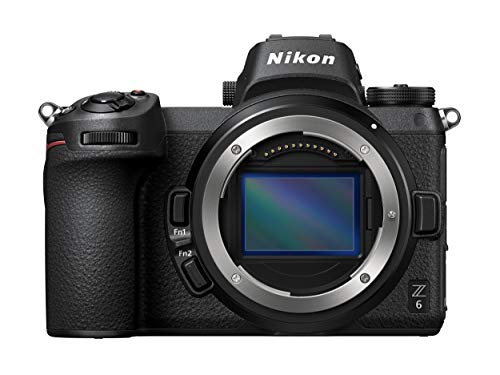


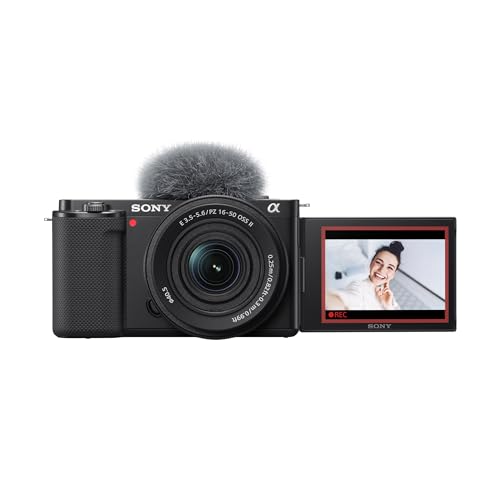

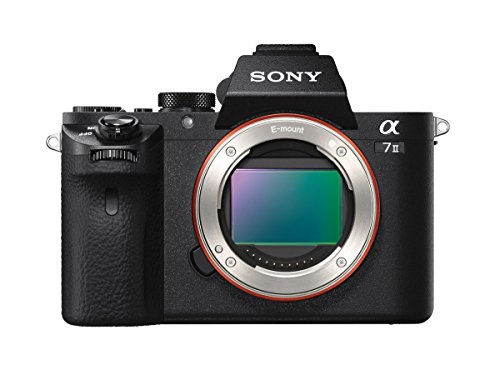

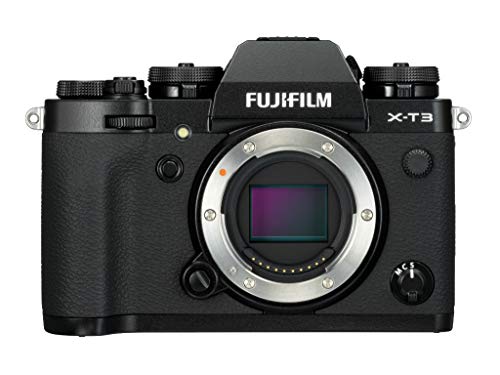

What Is A Mirrorless Camera?
A mirrorless camera captures images without the internal mirror found in a DSLR. Instead of using an optical viewfinder system, many mirrorless cameras use an electronic viewfinder or rear screen to show the image before you take the shot.
Mirrorless cameras are popular because they can offer strong image quality, interchangeable lenses, compact bodies, modern autofocus and useful video features. They are used by beginners, hobby photographers, travellers, vloggers, outdoor creators and serious photographers.
How To Choose The Right Mirrorless Camera
Start with your main use. If you want better family photos, travel images and general outdoor shots, look for a camera that is easy to carry, simple to control and compatible with practical everyday lenses.
If you film video, compare resolution, stabilisation, autofocus, microphone support, screen movement and how easy the camera is to handle while recording. If you photograph wildlife, sport or pets, autofocus performance, burst shooting and lens choice become more important.
Sensor size also matters. APS-C mirrorless cameras can be a practical choice for beginners, travel and everyday photography because they often balance image quality, size and price well. Full frame mirrorless cameras may offer stronger low light performance and more control over background blur, but the bodies and lenses can be larger and more expensive.
Mirrorless Camera Or DSLR Camera?
A mirrorless camera is often the better choice if you want newer autofocus features, compact body options, electronic previews, strong video tools and access to modern lens systems. It can also be easier to see exposure, colour and focus effects on screen before taking the photo.
A DSLR camera may still appeal if you prefer an optical viewfinder, traditional handling, longer battery life in some situations or already own compatible DSLR lenses. The trade off is that many camera brands now focus heavily on mirrorless systems.
For most new buyers, mirrorless is usually the more future facing choice. For people who already own DSLR lenses or prefer a traditional camera feel, DSLR can still make sense.
APS-C Or Full Frame Mirrorless?
APS-C mirrorless cameras are often smaller, lighter and more accessible. They can be a good choice for beginners, travel, casual photography and outdoor use where portability matters.
Full frame mirrorless cameras use a larger sensor and are often chosen for portraits, low light, landscapes, professional work and stronger background blur control. The trade off is that full frame bodies and lenses can cost more and take up more space in your bag.
The right choice is not just about sensor size. Lens availability, camera handling, budget, video needs and how often you will carry the camera all matter.
Key Features To Compare
When comparing mirrorless cameras, look at sensor size, lens mount, autofocus, image stabilisation, video features, viewfinder quality, screen movement, battery life, memory card support, size, weight and available lenses.
Autofocus matters if you shoot moving subjects such as children, pets, wildlife or sport. Stabilisation helps with handheld photography and video. A flip or vari angle screen can be useful for vlogging, low angle shots, tripod work and self recording.
Lens choice is especially important. A mirrorless camera body is only part of the system. The lenses decide what you can shoot, how close you can get, how wide you can go and how much creative control you have.
Beginner, Enthusiast Or Serious Creator?
Beginners should look for a mirrorless camera that is easy to use, comfortable to hold and available with a useful starter lens. Simple controls and reliable autofocus can matter more than a long list of advanced features.
Enthusiasts may want better image quality, faster shooting, stronger video features, more lens options and improved handling. Serious creators may need full frame sensors, advanced autofocus, weather resistant designs, high quality video tools and a camera system that can grow with their work.
The best choice is the camera that suits your skill level, subject, budget and long term plans. A camera that feels good to carry and use will usually help you improve faster than one that feels too complicated.
Useful Mirrorless Camera Accessories To Consider
A mirrorless camera often becomes more useful with the right accessories. Memory cards are essential for storing photos and video. Camera bags and cases help protect the body, lenses and batteries when travelling or shooting outdoors.
A tripod can help with landscapes, low light shots, product photos and stable video. A camera microphone can improve sound quality for vlogs, interviews and content creation. Extra batteries can also be useful because mirrorless cameras rely heavily on screens and electronic viewfinders.
Why Buy Mirrorless Cameras From YPC?
At YPC, we have used a lot of outdoor equipment ourselves in real activity settings, so we understand why practical camera gear matters. A mirrorless camera needs to suit real use, whether you are walking outdoors, filming activities, taking travel photos or building a more serious camera setup.
Browse the Mirrorless Cameras range, compare the options and choose the camera that fits your photography, video needs and budget.
Mirrorless Cameras FAQs
What is a mirrorless camera?
A mirrorless camera is an interchangeable lens camera that does not use the mirror system found in a DSLR. It usually uses an electronic viewfinder or rear screen to show the image before you take the photo.
Are mirrorless cameras good for beginners?
Yes, mirrorless cameras can be good for beginners because they are often compact, easy to carry and useful for both photos and video. Choose a model with simple controls and a practical starter lens.
Are mirrorless cameras better than DSLR cameras?
Mirrorless cameras are often better for newer autofocus, video features, electronic previews and compact body options. DSLR cameras may still suit people who prefer optical viewfinders or already own compatible DSLR lenses.
What should I look for in a mirrorless camera?
Look at sensor size, lens mount, autofocus, stabilisation, video features, viewfinder quality, screen movement, battery life, memory card support and the lenses available for that system.
Is APS-C or full frame better for mirrorless cameras?
APS-C can be better for portability, value and everyday use. Full frame can be better for low light, portraits and stronger background blur control. The right choice depends on budget, lens needs and how you shoot.
Are mirrorless cameras good for video?
Yes, many mirrorless cameras are useful for video. Check resolution, autofocus, stabilisation, microphone input, screen movement and battery life if video is important to you.
Do mirrorless cameras need special lenses?
Mirrorless cameras need lenses that match the camera’s lens mount and sensor format. Always check compatibility before buying lenses, especially when choosing between brands or full frame and APS-C systems.
Are mirrorless cameras good for wildlife photography?
Mirrorless cameras can be very useful for wildlife photography when paired with a suitable telephoto lens. Autofocus, burst shooting, stabilisation and lens reach are important factors to compare.
Should I buy a mirrorless camera body only or a kit lens bundle?
A kit lens bundle can be useful for beginners because it gives you a ready to use setup. A body only purchase may make sense if you already own compatible lenses or want to choose a specific lens separately.
Mirrorless Cameras Buyers Guide
This Buyers Guide explains mirrorless camera systems, key technical differences, and how specifications affect suitability for different types of photography and video work.
 Getting ready for Summer? View our Home and Garden Products

Heading outdoors this winter? Take a look at our Outdoor Clothing.