
GPS Smartwatches
GPS smartwatches are wearable devices that combine watch features with location tracking, activity data and outdoor navigation tools. This category is ideal if you want a watch for walking, running, cycling, hiking, fitness goals, route recording, travel, outdoor sport or everyday activity tracking.
The right GPS smartwatch depends on how you plan to use it. A casual user may want simple steps, workouts and phone notifications, while an outdoor enthusiast may need stronger GPS accuracy, longer battery life, maps, route tools and a clear screen that works well outside.
GPS Smartwatches Buyers Guide
This Buyers Guide explains key differences between GPS smartwatches and outlines factors to consider when comparing features, design, battery behaviour, and phone compatibility.
- GPS Smartwatches
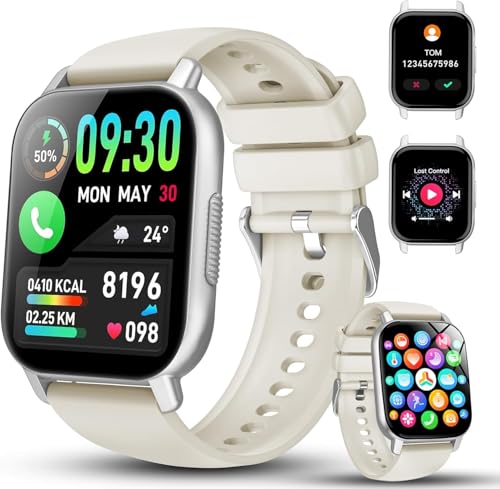
Smart Watch for Women Men Android and iPhone 44mm Case with 2 Bands
£21.99 *View On Amazon* - GPS Smartwatches
Smart Watches for Men Women, 1.91 inch Smart Watch Answer Dial Call, 112 Plus Sports Modes Fitness Watch SpO2 Heart Rate Monitor Sleep Monitor Pedometer, IP68 Waterproof Sports Watch for Android iOS, White
Original price was: £13.59.£12.91Current price is: £12.91. *View On Amazon* - GPS Smartwatches
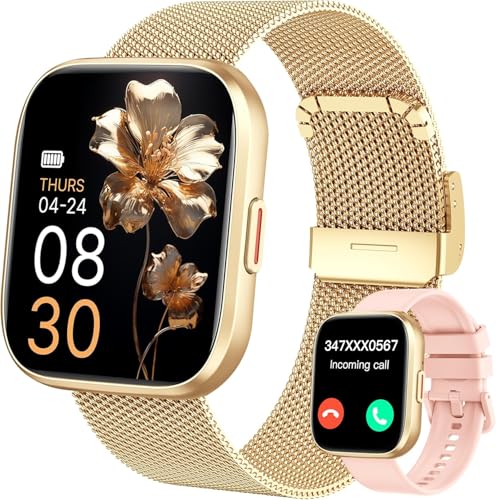
Smart Watch for Women Answer and Make Calls 1.91 HD Touch Screen 2025 Fitness Watch Pink
Original price was: £18.99.£16.14Current price is: £16.14. *View On Amazon* - GPS Smartwatches
uaue AI Smart Watch Bluetooth 5.4 Calling 1.91 inch ChatGPT Smartwatch
£29.99 *View On Amazon* - GPS Smartwatches
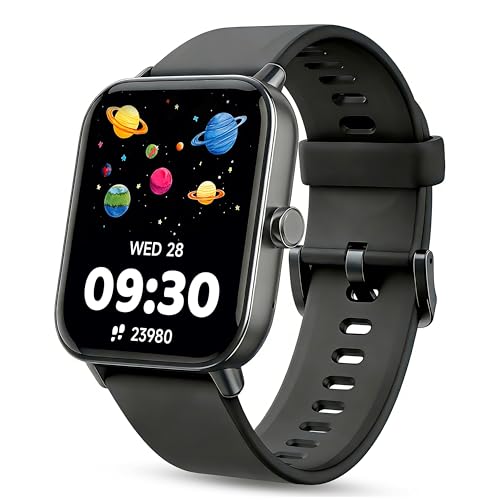
Tzzulsx Kids Smart Watch with 18 Educational Games, Sleep Tracker and Camera, 1.83 Inch Touch Screen Fitness Tracker with Pedometer, Alarm and Flashlight for Boys and Girls
Original price was: £16.99.£14.44Current price is: £14.44. *View On Amazon* - GPS Smartwatches
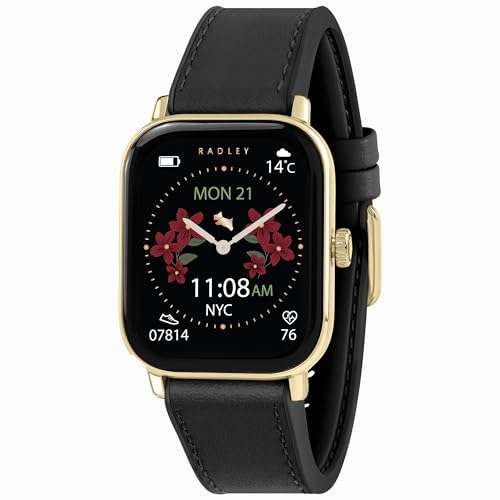
RADLEY Series 56 Black Silicone Strap Smart Watch
Original price was: £85.00.£65.00Current price is: £65.00. *View On Amazon* - GPS Smartwatches
RUIMEN Smart Watch for Women Men with Calls, 1.85 inch HD Screen, Fitness Tracking, Waterproof, 100 plus Sport Modes for Android and iOS
Original price was: £37.99.£26.99Current price is: £26.99. *View On Amazon* - GPS Smartwatches
Fitpolo DR06 Smart Watch for Women, Bluetooth Calling, Heart Rate, Sleep and SpO2 Monitor, 120 Plus Sport Modes, 5ATM Waterproof
Original price was: £56.99.£49.99Current price is: £49.99. *View On Amazon* - GPS Smartwatches
Brenth Smart Watch for Women with Call Function, Heart Rate and SpO2 Monitor, 100+ Sports Modes, Fitness Tracker for Daily Use, Workout, Sleep Tracking, IP68 Waterproof Smartwatch for iOS Android
Original price was: £39.99.£19.99Current price is: £19.99. *View On Amazon* - GPS Smartwatches
Kids Smart Watch 1.8 inch Fitness Tracker with 100 plus Sports Modes
£23.99 *View On Amazon* - GPS Smartwatches
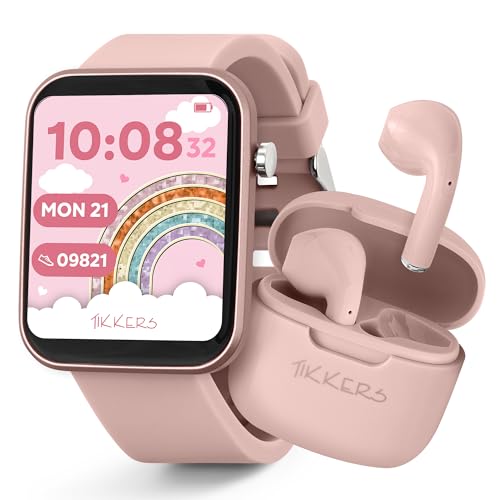
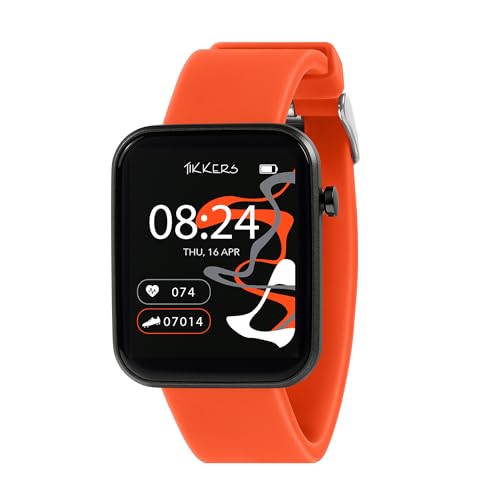
Tikkers Smart Series 13 Pink Silicone Strap Smart Watch and Earbuds Set TKS13 0031 SET
Original price was: £44.99.£34.99Current price is: £34.99. *View On Amazon*











What Is A GPS Smartwatch?
A GPS smartwatch is a wrist worn device that can use satellite positioning to record movement, distance, pace, routes and outdoor activity. Depending on the model, it may also include heart rate tracking, sleep tracking, workout modes, navigation tools, compass features, altimeter data, app support and smart notifications.
GPS smartwatches are used by runners, walkers, hikers, cyclists, gym users, outdoor hobbyists, travellers and people who want one device for fitness, navigation and daily use.
How To Choose The Right GPS Smartwatch
Start with your main activity. If you run or walk regularly, look for accurate route tracking, comfortable fit, useful workout modes and clear progress data. If you hike or explore outdoors, battery life, route guidance, mapping support, screen readability and durability become more important.
Battery life is one of the biggest buying factors. GPS use drains battery faster than normal watch mode, so check how long the watch lasts during tracked activities, not just during everyday use. Longer battery life is especially useful for hiking, cycling, travel and multi day outdoor trips.
Comfort also matters. A GPS smartwatch may be worn all day and sometimes overnight, so strap design, weight, case size and screen size all affect how often you will actually use it.
GPS Smartwatch Or Fitness Tracker?
A fitness tracker is usually smaller and simpler. It can be a good choice for steps, sleep, heart rate estimates and everyday movement goals. It may be enough if you mainly want basic activity awareness.
A GPS smartwatch is usually better for outdoor activities, route recording, sport modes, navigation features and more detailed training data. The trade off is that it can be larger, more expensive and more feature heavy than a simple fitness tracker.
For everyday motivation, a fitness tracker may be enough. For outdoor exercise, route tracking and navigation support, a GPS smartwatch is usually the stronger choice.
GPS Smartwatch Or Handheld GPS?
A GPS smartwatch is convenient because it stays on your wrist. It is useful for quick route checks, recording activities, tracking distance and keeping navigation tools close without carrying a separate device in your hand.
A handheld GPS may be better for serious navigation, larger maps, longer trips and situations where a dedicated outdoor device is easier to use. It can also be more practical when you want bigger buttons, a larger screen or a device that is not tied to your wrist.
Many outdoor users choose a GPS smartwatch for convenience and a handheld GPS for more demanding navigation. The right choice depends on how remote, long or serious your activity is.
Key Features To Compare
When comparing GPS smartwatches, look at GPS accuracy, battery life, screen readability, map support, route features, sport modes, heart rate tracking, water resistance claims, durability, app compatibility, phone support, size, weight and charging method.
Mapping features vary a lot. Some watches record where you have been, while others offer route guidance, breadcrumb trails, offline maps or more advanced navigation tools. Check the exact product details if maps are important.
Health and fitness features should be treated as useful estimates rather than medical results. Heart rate, sleep, oxygen and recovery style data can help you spot trends, but they should not replace proper medical advice or testing.
Built In Maps, Breadcrumbs Or Simple GPS Tracking?
Simple GPS tracking records your route, distance and pace. This is often enough for running, walking and general fitness tracking.
Breadcrumb navigation helps you follow or retrace a route using a basic line or trail. This can be useful for walks, hikes and unfamiliar routes where you want extra reassurance.
Built in maps are more advanced and can be useful for hiking, trail running, cycling or travel. The trade off is that map capable watches may cost more, use more battery and require more setup.
Beginner, Runner Or Outdoor Adventurer?
Beginners should look for a GPS smartwatch that is comfortable, easy to use and not overloaded with confusing features. Clear activity tracking, good battery life and a simple app are usually more useful than advanced data you will not check.
Runners may want accurate GPS, pace data, interval modes, heart rate tracking, training summaries and good screen visibility while moving. Cyclists may want route recording, longer battery life and compatibility with useful cycling sensors or apps where supported.
Outdoor adventurers may need longer GPS battery life, navigation tools, compass features, altimeter data, stronger durability and water resistance claims suited to the conditions they face.
Using GPS Smartwatch Data Sensibly
A GPS smartwatch can be a helpful guide, but it is not perfect. GPS accuracy can be affected by trees, buildings, valleys, weather, tunnels and how the watch is worn.
Health style data can also vary. Heart rate readings, sleep tracking and recovery estimates may be useful for trends, but they are not a diagnosis. If you have symptoms, a known health condition or concerns about your wellbeing, speak to a qualified medical professional.
For outdoor navigation, do not rely on one device alone in remote areas. Carry backup power, know your route and consider a map, phone or dedicated GPS device where appropriate.
Useful GPS Smartwatch Accessories To Consider
Useful accessories can include spare charging cables, screen protectors, replacement straps, protective cases, power banks and compatible mounts or sensors.
A comfortable strap can make the watch easier to wear all day. A screen protector may help if you use the watch outdoors, at work or during sport. A spare charging cable is useful for travel, work bags or keeping one charger at home and one elsewhere.
Choose accessories that match your exact watch model because straps, chargers and screen protectors are not always universal.
Why Buy GPS Smartwatches From YPC?
At YPC, we have used a lot of outdoor equipment ourselves in real activity settings, so we understand why practical wearable tech matters. A GPS smartwatch needs to be comfortable, reliable and suited to the activities you actually do.
Browse the GPS Smartwatches range, compare the options and choose the watch that fits your training, navigation and outdoor lifestyle.
GPS Smartwatches FAQs
What does a GPS smartwatch do?
A GPS smartwatch records outdoor movement using satellite positioning. It can track routes, distance, pace, workouts and activity data, depending on the model.
Is a GPS smartwatch better than a fitness tracker?
A GPS smartwatch is usually better for outdoor activity, route recording and sport tracking. A fitness tracker may be better if you only want simple steps, sleep and daily movement data.
Do GPS smartwatches need a phone?
Some GPS smartwatches can record outdoor activities without a phone, but most still use a phone for setup, app syncing, notifications and reviewing detailed data.
Is built in GPS important?
Built in GPS is important if you want to track outdoor routes without carrying your phone. If you always take your phone with you, connected GPS may be enough.
Are GPS smartwatches good for hiking?
Yes, many GPS smartwatches can be useful for hiking. Look for battery life, route features, map support, screen readability, durability and water resistance claims.
Are GPS smartwatches accurate?
GPS smartwatches can be accurate enough for many users, but accuracy can vary because of trees, buildings, valleys, tunnels, weather and signal conditions.
Can a GPS smartwatch replace a handheld GPS?
Sometimes, but not always. A GPS smartwatch is convenient for wrist based tracking, while a handheld GPS may be better for serious navigation, larger maps and longer outdoor trips.
Do GPS smartwatches track heart rate?
Many GPS smartwatches include wrist based heart rate tracking, but readings can vary. Treat heart rate data as a guide rather than a medical result.
Can GPS smartwatches track sleep?
Many GPS smartwatches offer sleep tracking, but the results are estimates. They can help you spot patterns, but they should not be treated as a perfect sleep analysis.
Are GPS smartwatches waterproof?
Some GPS smartwatches are water resistant or suitable for swimming, but protection levels vary. Always check the product details before using one in water.
What should I look for in a GPS smartwatch?
Look at GPS accuracy, battery life, comfort, screen readability, route tools, maps, sport modes, app support, durability, water resistance claims and phone compatibility.
Are GPS smartwatches worth it for running?
A GPS smartwatch can be very useful for running because it can track pace, distance, route and workout data. Runners should compare comfort, battery life, GPS accuracy and screen visibility.
 Getting ready for Summer? View our Home and Garden Products

Heading outdoors this winter? Take a look at our Outdoor Clothing.