
Dog Collars Leads and Harnesses
Dog collars, leads and harnesses are essential walking and control products for dogs of all sizes, ages and temperaments. They are used for daily walks, training, travel, identification, puppy routines, recall practice and safer handling in busy outdoor spaces, depending on the product and how it is fitted.
The right collar, lead or harness should suit your dog’s size, body shape, strength, behaviour and walking routine. Fit, adjustability, material, fastening style, comfort and control are all worth comparing carefully before choosing.
- Dog Collars Leads and Harnesses
Trimming Shop No Pull Dog Harness and Lead Set for Medium Dogs – Black
£7.69 *View On Amazon* - Dog Collars Leads and Harnesses
FurDreams Dog Harness Small Orange Padded Vest Harness
£9.99 *View On Amazon* - Dog Collars Leads and Harnesses
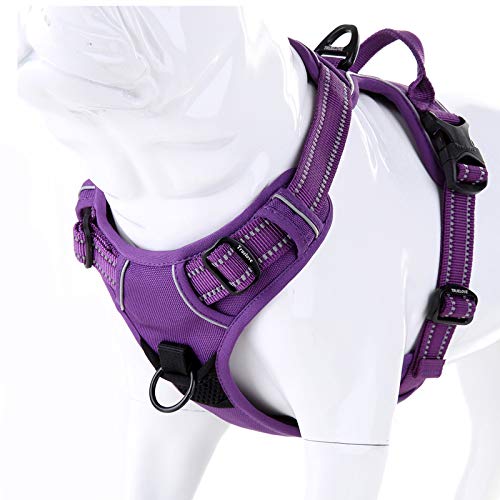
MOKCCI Truelove Soft Front Dog Harness Reflective No Pull Harness with Handle and 2 Leash Attachments – Purple, Size M
£22.89 *View On Amazon* - Dog Collars Leads and Harnesses
IzzyB No Pull Dog Harness Adjustable Reflective Camouflage Green Medium
£19.95 *View On Amazon* - Dog Collars Leads and Harnesses
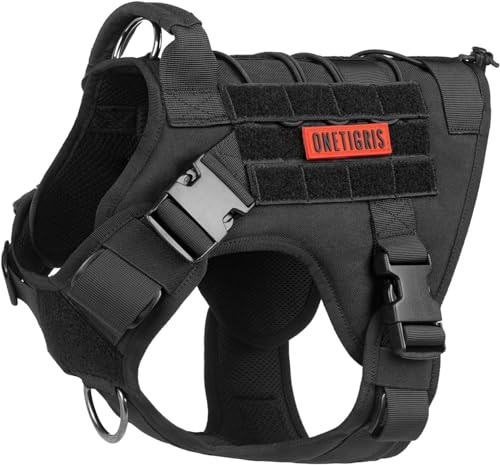
OneTigris No Pull Tactical Dog Harness for Large Dog, Breathable Mesh Design Service Dog Vest with Handle, Molle Pouches, Adjustable, L, Black
£43.99 *View On Amazon* - Dog Collars Leads and Harnesses
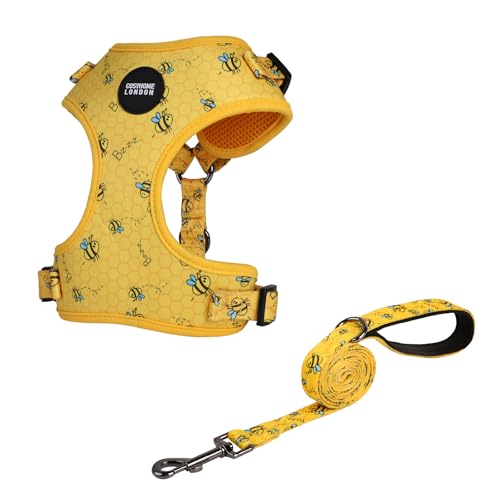
COSYHOME LONDON Dog Harness No Pull Adjustable Vest, S, Yellow Bees
£17.39 *View On Amazon* - Dog Collars Leads and Harnesses
IDC Powair Harness Size S Pink
Original price was: £28.00.£26.84Current price is: £26.84. *View On Amazon* - Dog Collars Leads and Harnesses
OneTigris Fire Watcher Tactical Dog Harness Black Large
£39.99 *View On Amazon* - Dog Collars Leads and Harnesses
Julius-K9 IDC Dog Harness with Front Control Belt, Black, L/1
£36.09 *View On Amazon* - Dog Collars Leads and Harnesses
Halti Anatomy Dog Harness with Handle Size M Grey
Original price was: £41.99.£36.98Current price is: £36.98. *View On Amazon* - Dog Collars Leads and Harnesses
PHOEPET Dog Harness for Medium Dogs with Handle and Reflective Strap
Original price was: £20.99.£15.99Current price is: £15.99. *View On Amazon* - Dog Collars Leads and Harnesses
rabbitgoo Small Dog Harness and Lead Set, Step-in Soft Mesh Puppy Harness
Original price was: £18.99.£15.99Current price is: £15.99. *View On Amazon* - Dog Collars Leads and Harnesses
BEAUTYZOO Small Dog Harness and Leash Set Floral 2XS
£14.00 *View On Amazon* - Dog Collars Leads and Harnesses
PoyPet Small Dog Harness with Front and Back Clip and Soft Handle
Original price was: £20.99.£19.99Current price is: £19.99. *View On Amazon* - Dog Collars Leads and Harnesses
Dog Harness Large Dog, No Pull Front Clip Harness, Reflective Anti Pull Harness, Magnetic Buckle, No Choke Pet Vest, Black, XL
Original price was: £22.99.£20.99Current price is: £20.99. *View On Amazon* - Dog Collars Leads and Harnesses
EcoEarth Dog Harness for Large Dogs, Large, Red
£7.99 *View On Amazon* - Dog Collars Leads and Harnesses
Embark Adventure No Pull Dog Harness, Aurora Medium
£24.99 *View On Amazon* - Dog Collars Leads and Harnesses
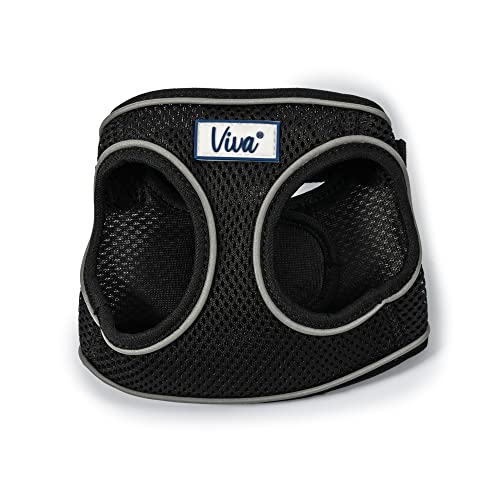
Ancol Viva Step-in Comfort Dog Harness Black Medium 46-54 cm
£15.46 *View On Amazon* - Dog Collars Leads and Harnesses
Ancol Viva Padded Dog Harness – Red – M – 41-53 cm
£9.49 *View On Amazon* - Dog Collars Leads and Harnesses
2 Pack Dog Car Seat Belt, Adjustable, Elastic, Black
Original price was: £12.99.£11.99Current price is: £11.99. *View On Amazon*










What Are Dog Collars Leads And Harnesses?
Dog collars, leads and harnesses are walking accessories designed to help owners guide, control and manage dogs safely. A collar usually sits around the dog’s neck and can hold ID tags. A lead connects the dog to the handler. A harness fits around the body and can spread pressure across the chest or torso depending on the design.
Products in this category may include everyday collars, adjustable leads, training leads, retractable leads, puppy harnesses, step in harnesses, vest harnesses, no pull style harnesses, reflective walking gear and matching sets where listed.
Each product has a different role. Some are chosen for simple daily walks, while others are better suited to training, travel, stronger dogs or dogs that need extra comfort.
What Are Dog Collars Leads And Harnesses Used For?
Dog collars, leads and harnesses are used to support everyday dog walking, outdoor control, identification and training routines. They help owners keep dogs close when needed, manage road safety, follow local rules and guide dogs through parks, paths, pavements and public spaces.
Collars are often used for ID tags and light control. Leads provide the physical connection between dog and handler. Harnesses can be useful for dogs that pull, dogs with delicate necks, puppies learning to walk or dogs that need a more secure body fit where suitable.
They can also be useful for travel, vet visits, training classes, countryside walks, holidays and busy family routines.
How To Choose The Right Dog Collar Lead Or Harness
Start with your dog’s size and shape. A tiny puppy, deep chested sighthound, broad chested bulldog, strong Labrador or long backed Dachshund may all need different fitting considerations. Always check the size guide where listed before buying.
Next, think about your dog’s walking behaviour. A calm dog may suit a standard collar and lead setup. A dog that pulls, lunges or gets excited may need a secure harness and a strong lead where suitable. A nervous dog may need equipment that feels comfortable and reduces the risk of slipping free.
Material matters too. Nylon, fabric, leather style, padded and reflective designs can all feel different. Some may be easier to clean after muddy walks, while others may be chosen for comfort, strength or appearance where listed.
Also consider who will walk the dog. Children, older owners, trainers and active walkers may all need different lead lengths, handle styles and control options.
Key Features To Compare
When comparing dog collars, leads and harnesses, look at size, adjustability, fastening, material, padding, stitching, clip style, visibility details, lead length and cleaning guidance.
For collars, fit is the main priority. A collar should sit securely without being too tight or too loose. It should allow comfortable movement and should not rub the neck. Check whether it has a suitable ring for an ID tag and lead attachment where listed.
For leads, compare length, handle comfort, clip strength and intended use. A shorter lead can provide closer control in busy areas, while a longer training lead may allow more freedom where safe and suitable.
For harnesses, check chest fit, neck opening, adjustment points, padding and lead attachment position. A harness should not restrict the shoulders, rub under the legs or press awkwardly on the throat.
Collars Compared With Harnesses And Leads
A collar is useful for ID tags and simple walking control, but it may not suit every dog as the main walking point, especially if the dog pulls strongly or has neck sensitivity.
A harness spreads contact across more of the body depending on the design. It can be a good option for puppies, small breeds, strong pullers or dogs that need more secure handling. However, a poorly fitted harness can still rub, restrict movement or allow escape, so fit is essential.
A lead is the connection between owner and dog. The collar or harness decides where that connection sits on the dog, while the lead affects control, distance and handling comfort.
Many owners use a collar for ID and a harness for walking. The right setup depends on the dog, walk location and owner preference.
Guidance For Puppies Adult Dogs And Senior Dogs
Puppies need lightweight, comfortable and adjustable products that suit their growing bodies. A soft collar, suitable puppy harness and manageable lead can help them learn walking routines without feeling overwhelmed.
Adult dogs need equipment that matches their strength, activity level and behaviour. A regular walker may need durable materials and easy cleaning, while a calm dog may only need a simple comfortable setup.
Senior dogs may benefit from softer padding, easy fastening and equipment that does not put unnecessary pressure on the neck or joints. If an older dog has mobility issues, a supportive harness may be useful where suitable.
Rescue dogs and nervous dogs may need extra care. Some may panic, back out of equipment or dislike items going over the head. Introduce new collars, leads and harnesses gradually and check fit carefully.
Use Cases By Walking Style And Dog Behaviour
For everyday pavement walks, a comfortable collar or harness with a practical lead can be enough for many dogs. Visibility details where listed may be useful in low light.
For training, a longer lead or training line may help with recall practice in suitable open spaces. These should be used responsibly and only where it is safe to give extra distance.
For strong pullers, a well fitted harness and strong lead may provide better control than a loose collar setup. Training is still important, as equipment alone does not teach polite walking.
For small dogs, lightweight clips, softer materials and properly sized harnesses can help avoid bulky or uncomfortable gear.
For large dogs, strength, stitching, clip quality and handle comfort become more important. The equipment should feel secure and suitable for the dog’s size and power where listed.
For travel and vet visits, secure fitting and easy handling are especially useful. A dog should not be able to slip out when startled or in a busy car park.
Fit Compatibility And Walking Comfort
Fit is one of the most important parts of choosing dog collars, leads and harnesses. A product that looks right but fits poorly can cause rubbing, escape risks or discomfort.
A collar should sit comfortably around the neck and should not slide over the head. A harness should sit securely around the chest and body without restricting natural movement. Check the adjustment points and size guidance where listed.
Lead compatibility also matters. A heavy lead clip may be too much for a tiny dog, while a lightweight clip may not suit a strong larger dog. Match the lead to the dog and the collar or harness attachment point.
After fitting new equipment, watch how your dog moves. If they hesitate, scratch, limp, rub or try to remove it, check the fit and comfort before continuing.
Safety Care Maintenance And Storage
Dog collars, leads and harnesses should be checked regularly for wear, fraying, cracked clips, loose stitching, damaged buckles or weakened adjustment points. Replace any item that no longer feels secure.
Never leave a dog unattended in equipment that could catch, tighten or become trapped. Collars and harnesses should be used according to the product guidance and the dog’s routine.
Clean walking gear after muddy or wet walks where suitable. Follow the care label for each product, as materials can vary. Let collars, leads and harnesses dry fully before storage to help reduce odour and material damage.
Store walking gear somewhere easy to find, such as near the door, in a dog walking bag or on a hook. Keep spare leads, poo bags and treats nearby so walks are easier to organise.
If your dog has breathing issues, neck injuries, skin irritation, mobility problems or unusual discomfort, seek veterinary or professional advice before choosing walking equipment.
Useful Accessories To Consider
Useful accessories can include ID tags, poo bag holders, treat pouches, dog walking bags, reflective lights, dog coats, travel bowls, towels, training clickers and spare leads.
For night walks, reflective details, lights and bright accessories can help with visibility where listed, but they do not replace safe road habits or proper supervision.
For muddy walks, a towel, washable mat and easy clean harness can make returning home simpler. For training walks, treats, a pouch and a suitable lead can help support reward based routines.
Why Buy Dog Collars Leads And Harnesses From YPC?
At YPC, we understand active lifestyles and the need for practical products that work in real use. Dog collars, leads and harnesses can vary by size, fit, material, fastening, comfort, visibility, strength and intended use, so comparing the details helps you choose with more confidence.
YPC helps you browse dog walking products with real daily routines in mind, whether you are buying for a puppy, adult dog, senior dog, training, travel, strong pullers or relaxed everyday walks. Explore the Dog Collars Leads and Harnesses category to browse the available options and compare the features that matter most for your dog.
FAQs
What is the difference between a dog collar and a harness?
A collar sits around the dog’s neck and is often used for ID tags and light control. A harness fits around the body and may spread pressure more comfortably during walks, depending on the design and fit.
Should my dog wear a collar or harness for walks?
It depends on your dog’s size, behaviour and comfort. Many dogs wear a collar for ID and a harness for walking. Dogs that pull or have neck sensitivity may benefit from a suitable harness where appropriate.
How should a dog collar fit?
A dog collar should sit securely without being too tight or too loose. It should not slide over the dog’s head, rub the skin or restrict breathing. Always check the size guide where listed.
How should a dog harness fit?
A harness should feel secure around the chest and body without rubbing under the legs, pressing on the throat or restricting shoulder movement. Check all adjustment points before walking.
What lead is best for everyday dog walks?
For everyday walks, choose a lead that gives suitable control, feels comfortable to hold and matches your dog’s size and strength. Shorter leads can help in busy areas, while longer leads may suit open spaces where safe.
Are retractable leads suitable for all dogs?
Retractable leads are not suitable for every dog or location. They may offer more freedom where appropriate, but they can be harder to control in busy areas, near roads or with strong pullers.
What should I check before buying a dog harness?
Check size, chest measurements, adjustment points, padding, fastening style, lead attachment position and whether the harness suits your dog’s walking behaviour and body shape.
How often should I replace dog collars leads and harnesses?
Replace them when they become worn, frayed, damaged, too small or no longer secure. Check clips, buckles, stitching and adjustment points regularly, especially if your dog walks often or pulls strongly.
 Getting ready for Summer? View our Home and Garden Products

Heading outdoors this winter? Take a look at our Outdoor Clothing.