
What This Product Is Used For
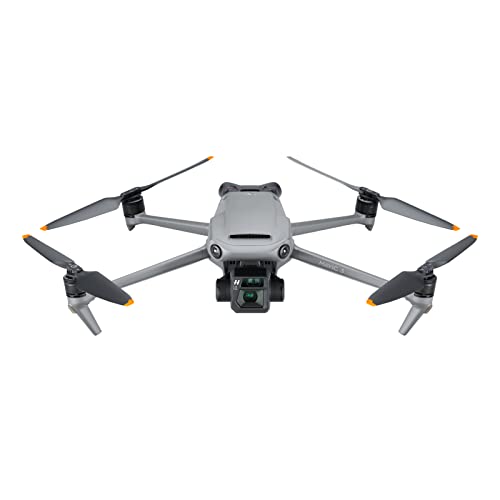
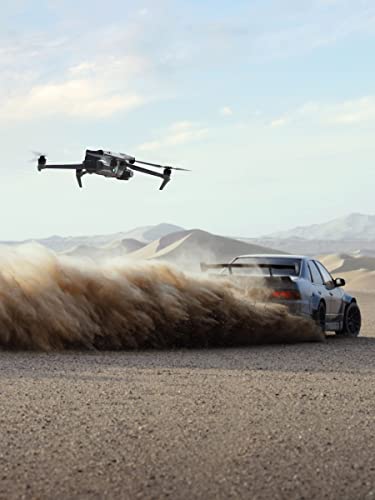
DJI Mavic 3 is a high end camera drone built for serious aerial photography and video where image quality, flight stability, and safety systems matter. Compared with consumer drones, it offers a much larger sensor, longer flight time, and full omnidirectional obstacle sensing, making it suitable for demanding creative work rather than casual flying. This version includes the DJI RC N1 remote controller.
Who This Product Is Best Suited To
This drone is best suited to advanced users, filmmakers, photographers, and confident pilots who want professional level results from a portable aerial platform. It suits those who prioritise dynamic range, colour depth, and dependable flight performance over compact size or entry level simplicity.
Pros and Cons
Pros
Exceptional image quality from the Four Thirds Hasselblad camera
Long single battery flight time reduces pressure during shoots
Omnidirectional obstacle sensing increases confidence and safety
Strong transmission system supports stable control at distance
Cons
More complex and costly than beginner focused drones
Larger size requires more deliberate transport and setup
Real World Performance and Day to Day Use
In real world use, DJI Mavic 3 feels composed and reliable. The long flight time allows shots to be planned carefully rather than rushed, while the gimbal and sensor combination delivers detailed footage with strong highlight and shadow retention. Obstacle sensing works continuously in the background, making it easier to focus on framing and movement instead of constant manual avoidance.
Why We Like This Product
From the YPC Team perspective, Mavic 3 stands out for how much breathing room it gives creators. A common mistake buyers make is choosing drones with excellent cameras but limited endurance, which leads to hurried flights. Mavic 3 avoids that by combining image quality with long flight time and intelligent safety systems.
Comparisons With Similar Systems
Compared with mini drones, Mavic 3 makes more sense when image quality, dynamic range, and safety are priorities. Mini drones make more sense when portability and lower cost matter most. Compared with older professional drones, Mavic 3 offers a more refined balance of flight time, sensing coverage, and camera performance.
Alternatives Worth Considering
If you want a lighter drone for travel or casual use, a compact mini drone may be more practical. If you require dual camera systems or extended professional workflows, a higher tier flagship drone may be a better fit.
Tips for Getting the Best Performance
Plan flights to take advantage of the long battery life rather than flying aggressively. Use Advanced Return to Home when flying in complex environments. Leave extra framing space to make the most of the high dynamic range when editing.
Full Technical Specification
Drone type: Professional camera quadcopter
Camera sensor: Four Thirds CMOS Hasselblad
Video recording: Up to 5.1K
Dynamic range: Up to 12.8 stops
Gimbal: Three axis mechanical stabilisation
Obstacle sensing: Omnidirectional
Maximum flight time: Up to 46 minutes
Video transmission system: O3 Plus
Maximum transmission range: Up to 15 kilometres
Intelligent features: Hyperlapse, ActiveTrack, MasterShots
Return to home: Advanced RTH
Controller included: DJI RC N1
Buyer’s Guide
Buy this if you want professional grade aerial image quality with long flight time and advanced safety systems.
Do not buy this if you want a lightweight beginner drone or a simple recreational flying experience.
Frequently Asked Questions
Is DJI Mavic 3 suitable for beginners?
It is best suited to confident pilots due to its advanced features and performance.
What makes the camera different from smaller drones?
The larger Four Thirds sensor captures more detail and handles highlights and shadows better.
How long can it fly on one battery?
It offers up to 46 minutes of flight time under suitable conditions.
Does it avoid obstacles automatically?
Yes, it uses omnidirectional obstacle sensing to help detect and avoid obstacles.
Is the footage stabilised?
Yes, a three axis mechanical gimbal keeps video smooth and stable.
How far can it transmit video?
It supports video transmission up to 15 kilometres in suitable conditions.
Does it return home automatically?
Yes, Advanced Return to Home can bring the drone back safely when triggered.
Is a controller included?
Yes, the DJI RC N1 remote controller is included.
Can it shoot automated cinematic sequences?
Yes, it supports features such as MasterShots and Hyperlapse.
Is this drone suitable for professional work?
Yes, it is designed for high end aerial photography and video production.
Looking for more options?
Browse our full range of DJI Drones for other great choices to suit your space, goals, and budget.


