
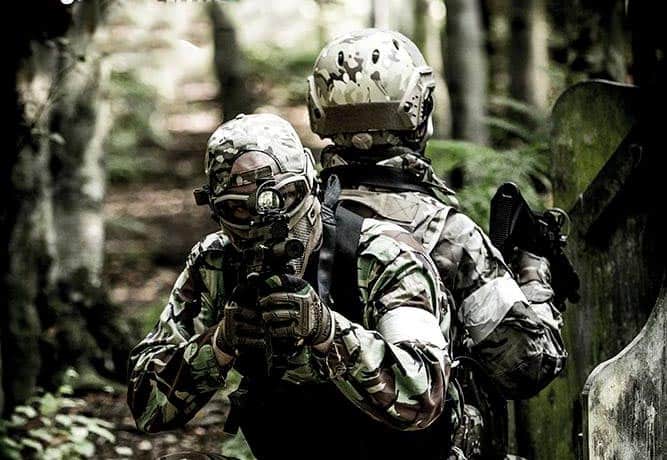
Paintball is not just about how fast you can shoot or how good your gear is. If that were the case, the best equipped players would win every time. Anyone who has played regularly knows that is not how it works. Matches are often won and lost in the head long before the first paintball is fired.
If you find yourself getting eliminated early, freezing under pressure, or making rushed decisions, the issue is rarely physical. It is mental. In this guide, we are going to break down how to develop a winning paintball mindset, the kind that keeps you calm, alert, and effective even when things are chaotic. This is the difference between simply playing paintball and consistently performing well during competitive games.
Why Mindset Matters in Paintball
Paintball is fast, noisy, unpredictable, and intense. You are processing movement, sound, communication, and threat all at once. Under pressure, most players default to panic responses. They stop communicating. They rush shots. They make poor decisions.
A strong paintball mindset allows you to slow everything down mentally, even when the game is moving quickly. It helps you read the field, trust your positioning, and act deliberately rather than emotionally. This is especially important during structured paintball games where objectives, teamwork, and decision making matter as much as shooting ability.
The best players are rarely the loudest or the most aggressive. They are usually the calmest.
Core Mental Skills Every Paintball Player Needs
Focus
Good players stay focused on what matters right now, not what just went wrong or what might happen next. If you are thinking about the last hit you took, you are already behind.
Focus means staying aware of:
- Your immediate surroundings
- Your current objective
- Your teammates’ positions
- The next safe movement, not the entire field
Confidence
Confidence does not mean arrogance. It means trusting your decisions once you make them. Hesitation is one of the fastest ways to get eliminated.
Confident players commit to their movements and shots. Even when a decision turns out to be wrong, confidence prevents panic and allows quick recovery.
Adaptability
No plan survives first contact. Paintball rewards players who can adjust quickly when a flank collapses, a teammate is eliminated, or the opposition changes tactics.
Adaptability is about recognising change early and responding calmly instead of freezing or forcing a failing plan.
Resilience
Everyone gets hit. Everyone makes mistakes. Resilient players reset mentally and re engage fully after setbacks. They do not mentally quit halfway through the day.
Building Mental Toughness on the Field
Mental toughness is not something you are born with. It is trained.
Set simple objectives
Instead of thinking about winning the whole game, focus on smaller goals.
- Hold a position for thirty seconds
- Communicate one useful piece of information
- Make one clean movement between cover
Small wins build confidence and momentum.
Embrace pressure
Do not avoid difficult situations. Volunteer to hold exposed positions or support teammates under pressure. The more often you experience stress in a controlled environment, the less it controls you.
Stay present
If you catch yourself replaying mistakes or worrying about the outcome, bring your attention back to breathing and awareness. The present moment is the only place where you can actually influence the game.
Using Visualisation to Improve Performance
Visualisation is not motivational nonsense. It is a performance tool used in professional sport.
Before a game, take a few minutes to mentally walk through:
- Moving between cover smoothly
- Communicating clearly
- Staying calm under fire
- Reacting decisively when contact happens
Your brain does not fully distinguish between imagined and real rehearsal. Visualisation prepares you to act more naturally when the moment arrives.
Mindset and Team Dynamics
Paintball is rarely won alone. Even strong individual players struggle without team cohesion.
Clear communication
Say less, but say it clearly. Panic shouting helps no one. Calm, accurate information wins games.
Trust your teammates
Second guessing teammates creates hesitation and confusion. Assume competence and work with what you have in front of you.
Positive reinforcement
Encouragement keeps teams engaged longer than criticism. A calm voice during chaos has more impact than shouting ever will.
Managing Adrenaline and Emotion
Adrenaline sharpens performance up to a point. Beyond that, it causes tunnel vision and rushed decisions.
Control breathing
Slow breathing lowers heart rate and restores clarity. Even one controlled breath behind cover can reset your decision making.
Detach from ego
Getting hit is not personal. Neither is losing a firefight. Emotional reactions cost awareness and positioning.
Stay composed
Composed players see opportunities others miss. Composure is often what separates experienced players from beginners.
Ongoing Mental Training
Your mindset improves with deliberate reflection.
- Review games and identify mental errors, not just physical ones
- Watch experienced players and notice how calm they remain
- Put yourself in unfamiliar scenarios to stretch adaptability
- Learn the structure and objectives of different game formats
Mental development, like physical skill, compounds over time.
Conclusion
A winning paintball mindset is not about aggression, bravado, or expensive equipment. It is about clarity under pressure, trust in decision making, and emotional control when things go wrong.
By developing focus, confidence, adaptability, and resilience, you give yourself an advantage that does not disappear when the conditions change. Combined with solid teamwork and calm communication, mindset becomes one of the most powerful tools you can bring onto the field.
Paintball rewards players who think clearly when others rush. Train your mind as deliberately as you train your movement and shooting, and the results will follow.

