
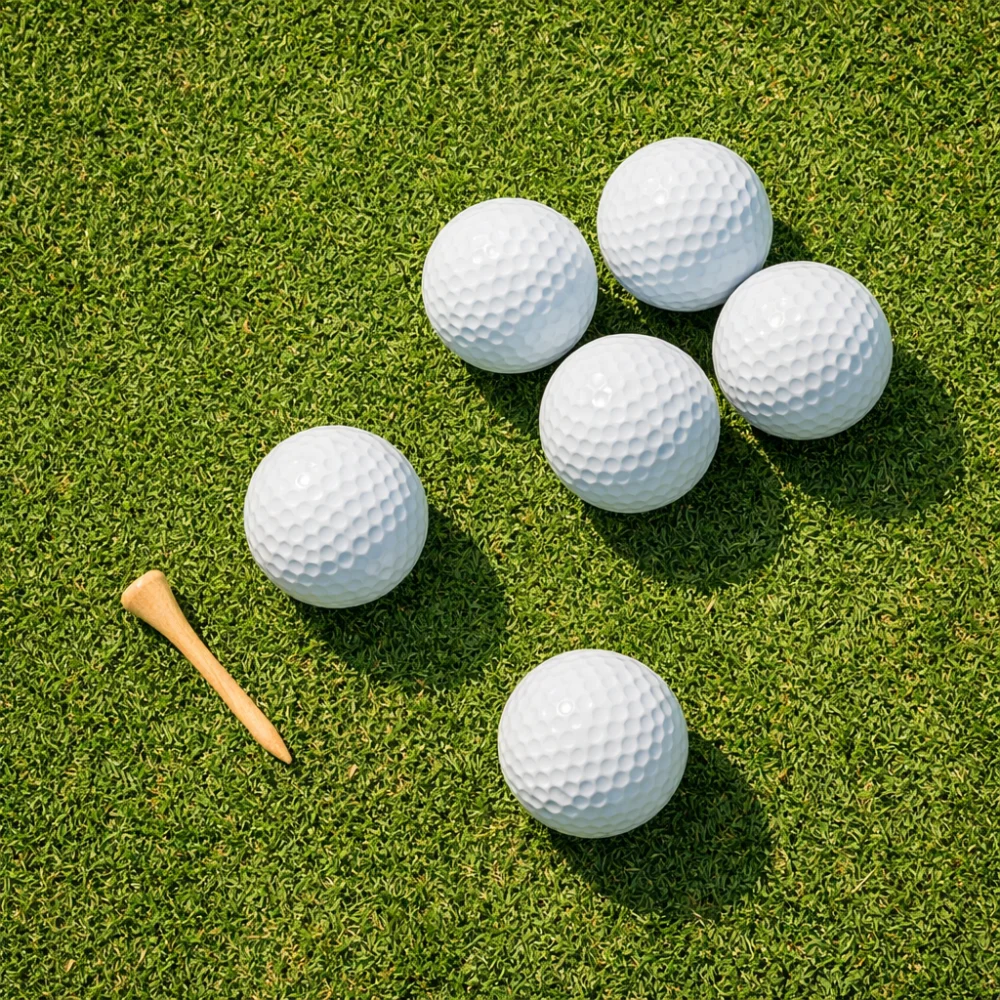
Golf balls may look similar at a glance, but the choice can affect feel, control and how often you need to replace them. If you are buying for yourself, the main task is to match the ball to your game, your budget and how much consistency you want from round to round.
Some golfers want a simple, durable ball for casual play, while others are looking for more spin or softer feel around the greens. This guide focuses on the buying decisions that help you compare options sensibly without overcomplicating things.
Which golf ball should you start with?
A sensible starting point is to decide whether you value distance, softer feel, durability or more control around the green. Golf balls are not interchangeable in use: different designs can suit different playing styles and levels of experience. If you are unsure, a balanced option is often easier to live with than a very specialised one. Specifications vary by model, so always check the individual product page before buying.
| Feature | What It Means | Why It Matters | What To Check |
|---|---|---|---|
| Feel | How soft or firm the ball feels at impact and on short shots | Affects comfort and confidence, especially on chips and putts | Look for the ball’s described feel and whether it is aimed at softer or firmer play |
| Distance focus | A design aimed more at longer shots than extra short-game spin | Can suit golfers who want a straightforward, forgiving option | Check whether the product is marketed for distance or all-round play |
| Spin and control | How much the ball grips and responds on approach shots and around the green | More spin can help control, but it may not suit every swing or preference | Look for wording about control, spin or tour-style performance |
| Durability | How well the cover resists marks and wear | Important for frequent practice or golfers who prefer a longer-lasting ball | Check the cover description and whether the ball is intended for practice or general play |
| Condition | New, refurbished or used balls sold in packs | Can affect value, consistency and how the ball looks in play | Read the product page carefully for pack type and grade descriptions |
| Pack size | How many balls are sold together | Helps with budgeting and how often you play or practice | Compare the pack format against your expected usage |
Key decision criteria explained
Feel
Feel is one of the most noticeable differences between golf balls. Softer-feeling balls may appeal to golfers who prefer a calmer strike sensation and a bit more comfort on shorter shots, while firmer-feeling balls may suit those who prioritise a more direct response. The trade-off is that the feel you like is personal, so it is worth treating marketing language as a starting point rather than a guarantee.
Distance versus control
Some balls are designed with distance in mind, while others place more emphasis on spin and control. If you are a newer golfer or mainly want straightforward play, distance-led or all-round balls can be easier to choose. If you spend more time thinking about approaches, chips and greenside shots, you may prefer a ball described as offering more control.
Durability and cover type
Golf balls can vary in how well they hold up to repeated use. If you play often or practise a lot, durability may matter more than a very refined feel. The practical question is whether you want the best possible short-game response, a ball that keeps its appearance longer, or a compromise between the two.
Pack format and value
Pack size matters because it affects how much you buy at once and how easy it is to keep a consistent ball in play. Larger packs can be convenient for frequent golfers, while smaller packs may suit occasional rounds or buyers who want to try a ball before committing. Used or refurbished balls can offer a different value proposition, but condition and consistency become more important to check.
Types and variants you are likely to see
Within golf balls, the biggest distinctions are usually between new balls, used or refurbished balls, and practice balls. New balls suit buyers who want a fresh item and a more predictable starting point. Used or refurbished balls may appeal to value-conscious golfers, but the condition description matters more because appearance and consistency can vary.
Practice balls are a separate choice for training rather than regular course use, so they are worth considering only if that matches your purpose. They can be useful for indoor or limited-space practice, but they are not the same as a standard ball for a round. If you want one ball for everything, focus on general-play options rather than practice-only products.
What suits different kinds of buyer?
| Buyer need | What to prioritise | What to be careful about |
|---|---|---|
| Beginner or casual golfer | Simple all-round choice, easy value and clear product description | Overpaying for advanced spin features you may not notice yet |
| Frequent player | Consistency, durability and a pack size that matches usage | Buying only on price if the ball wears out too quickly |
| Buyer focused on short-game feel | Softer feel and more control-led descriptions | Assuming every softer ball automatically suits your swing |
| Practice-focused buyer | Practice-specific or value packs suitable for repeated use | Using practice balls when you actually need a standard play ball |
| Gift buyer | Clear all-round choice and straightforward pack presentation | Choosing a very specialist ball without knowing the golfer’s preference |
Common mistakes and misunderstandings
- Choosing only by brand or price. A familiar name does not tell you whether the ball is aimed at distance, feel or control.
- Assuming all golf balls perform the same. Differences in feel, spin and durability can be noticeable, especially once you compare shots around the green.
- Ignoring condition on used balls. A value pack can be useful, but the grade and description matter if you want more consistency.
- Buying a practice ball for general play. Practice balls are useful for training, but they are not a like-for-like substitute for every golfer’s needs.
Safety and suitability caveats
Golf balls are generally straightforward to buy, but suitability still matters. Check that the ball matches the way you play, whether that is casual rounds, practice sessions or a more performance-focused game. If you are buying for someone else, it is safer to choose a broadly suitable option than something highly specialised.
For indoor or limited-space practice, make sure the product is intended for that use before buying. Do not assume that a ball described for practice will feel or behave the same as a standard course ball.
Maintenance, storage and lifespan
Golf balls do not need much maintenance, but clean balls tend to give a more consistent feel and are easier to inspect for wear. Store them somewhere dry and away from unnecessary heat or pressure, especially if you buy in larger packs. If you use used balls or practice balls regularly, expect appearance and performance to vary more than with fresh new balls.
How to compare options efficiently
- Start with your main use: casual rounds, regular play, practice or gifting.
- Decide whether feel, distance, control or durability matters most to you.
- Compare the ball’s description for type, condition and pack size.
- Check whether the product is all-round or more specialised.
- Read the individual product page carefully before deciding.
Summary buyer decision checklist
- Have I chosen a ball for the right type of use?
- Do I want distance, feel, control or durability most?
- Does the pack size suit how often I play or practise?
- Is the condition clear if I am considering used or refurbished balls?
- Have I checked the individual product page for model-specific details?
Frequently asked questions
Do I need a different golf ball as a beginner?
Not necessarily. Many beginners are best served by a straightforward all-round ball that is easy to buy again and use consistently. The main aim is to avoid overcomplicating the decision before your preferences are established.
Are premium golf balls always better?
Not always. More specialised balls may offer more of one thing, such as control or feel, but that does not make them the right choice for every golfer. The better option is the one that suits your game and priorities.
What is the difference between new and used golf balls?
New balls give you a fresh starting point and more predictable appearance. Used or refurbished balls can offer better value, but the condition and consistency may vary more, so the product description matters.
Should I choose a soft or firm golf ball?
That depends on what you notice most in play. Softer balls may feel more comfortable on short shots, while firmer balls may suit golfers who prefer a more direct response. If you are unsure, an all-round option is often the safest place to begin.
Are practice golf balls suitable for normal rounds?
Usually not as a direct replacement for standard play balls. Practice balls are designed with training in mind, so they are best chosen only when your main need is practice rather than regular course use.
Does pack size matter?
Yes, because it affects convenience and value. If you play often, larger packs may be easier to manage, while smaller packs can be useful if you want to test a ball first or only play occasionally.

