
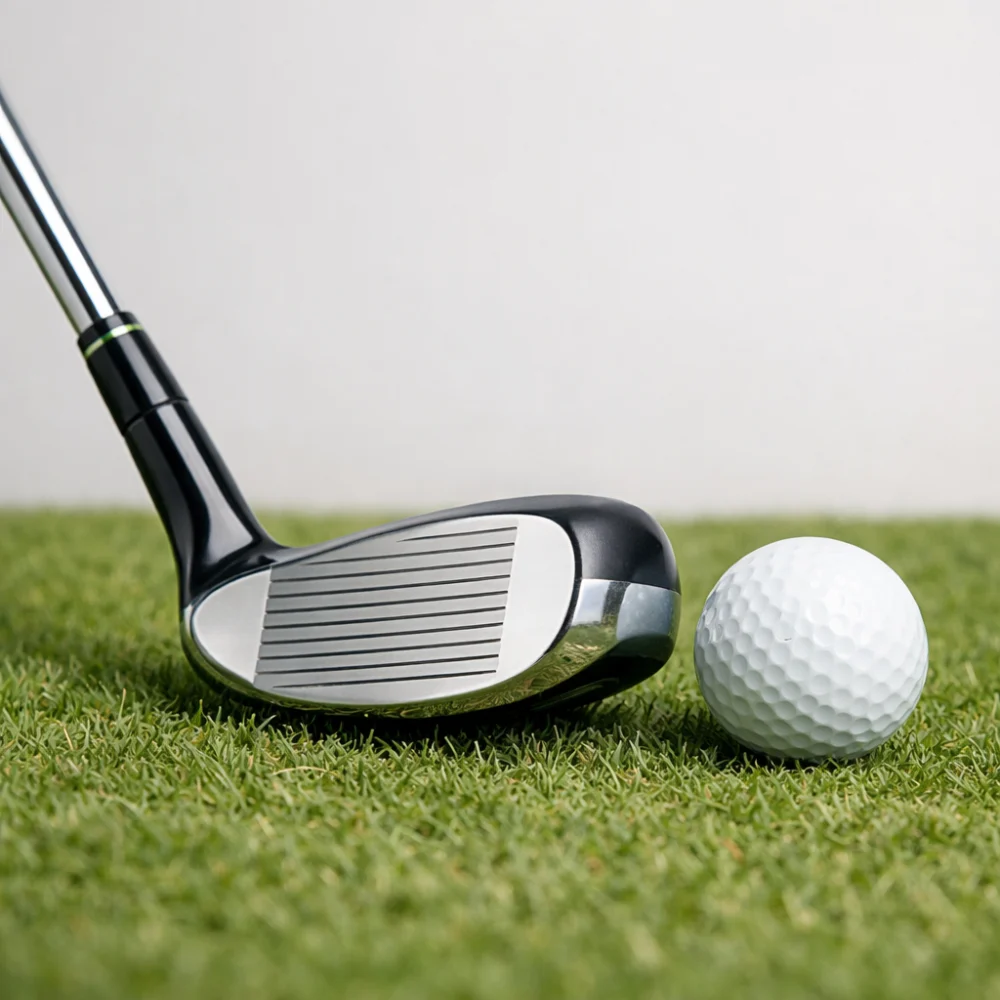
Golf club chippers are a simple, specialist option for short shots around the green when you want a more controlled alternative to a lofted wedge or a putter-like stroke. They can be helpful for golfers who value consistency on bump-and-run style shots, especially if standard chipping feels unreliable.
This guide focuses on how to choose a chipper for your own game, rather than on how to use one. The main decision is whether you want a club that makes short-game contact feel more predictable, and if so, which design details are most likely to suit your technique and handedness.
What should you look for in a golf club chipper?
A chipper is usually chosen for ease of use and repeatability rather than versatility. The key trade-off is that it may make some short shots simpler, but it will not replace the range of shots you can play with wedges and putters. Start with how you tend to play around the green, then check the loft, length, handedness and overall feel on the individual product page.
Specifications vary by model, so always check the individual product page before buying.
| Feature | What It Means | Why It Matters | What To Check |
|---|---|---|---|
| Loft | The angle of the clubface, which affects how high the ball starts | It influences whether the shot is more of a bump-and-run or a slightly more lifted chip | Look for the stated loft and think about the typical shots you want to play |
| Length | How long the club is from grip to head | It affects posture, feel and how easy the stroke is to repeat | Check the listed length and whether it suits your stance and comfort |
| Handedness | Whether the club is made for left-handed or right-handed play | A chipper must suit your normal side to be usable | Confirm the handedness before adding to basket |
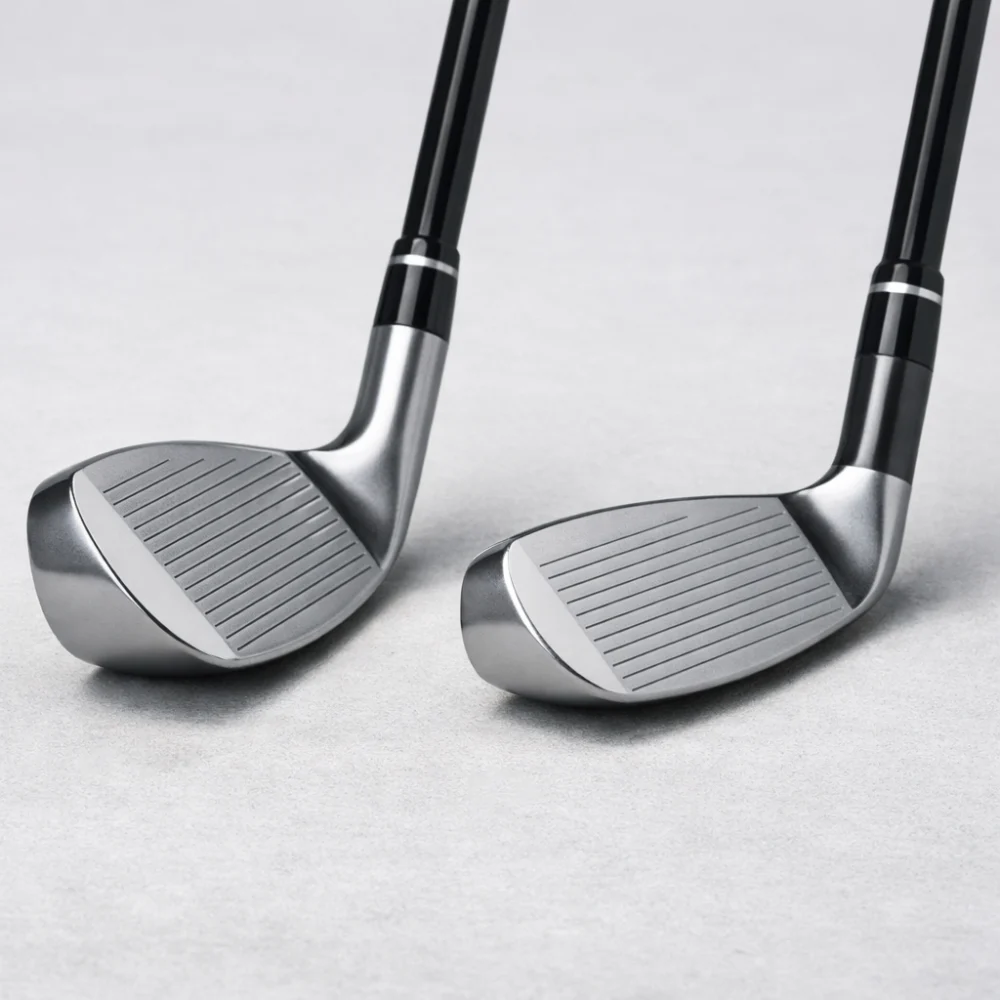
| Head shape and sole design | The way the clubhead sits and moves through the turf | This can affect confidence from different lies around the green | Review product photos and the description for shape cues and intended use |
| Grip and feel | The way the club sits in the hands and balances in the stroke | Comfort and control matter when you are using a short, repeatable motion | Check whether the grip size or feel is described, if listed |
| Intended use | Whether the chipper is aimed at beginners, casual golfers or players seeking an easier short-game option | Some chippers are built for confidence; others are closer to a traditional club shape | Read the product description carefully to match the club to your expectations |
Which details matter most when choosing one?
Loft
Loft is one of the most important factors because it changes the flight and rollout of the ball. Lower loft generally encourages a more rolling shot, while higher loft can help the ball pop up a little more before it lands. Neither is automatically better; the right choice depends on the sort of short shots you want to simplify.
Length and setup
A chipper that feels too long or too short can be awkward, even if the club looks suitable on paper. If you are shopping for comfort and consistency, think about whether you prefer a stance and motion that feels closer to a putter or a more upright short-game club. The better choice is the one that matches your natural setup rather than fighting it.
Left- or right-handed version
This sounds obvious, but it is one of the easiest mistakes to make when buying online. Chippers are often sold in specific handed versions, so confirm this first if you are buying for yourself or as a gift.
Simple design versus more familiar club styling
Some chippers are clearly built as specialist short-game aids, while others look closer to a conventional iron or wedge shape. A simpler design may feel easier for a new player to trust, while a more traditional look may suit golfers who want the club to blend in with the rest of the bag. Choose based on confidence and comfort, not appearance alone.
What types of golfer may suit a chipper?
| Buyer need | What to prioritise | Why it can help |
|---|---|---|
| Beginner golfer | Straightforward design, clear handedness, comfortable length | Can make short shots feel less technical |
| Casual or occasional player | Ease of use and confidence around the green | May reduce indecision on simple chips |
| Player who prefers bump-and-run shots | Loft and sole style that support a low, rolling shot | Helps keep the ball on the ground for longer |
| Gift buyer | Handedness, intended use and ease of understanding | Makes it easier to choose something practical |
A chipper is not the right answer for every golfer. If you already use standard wedges confidently, you may prefer to keep more shot-making options rather than adding a specialist club. If your short game is inconsistent and you mainly want a simpler option for certain lies, a chipper can be worth considering.
Common mistakes to avoid
- Buying without checking handedness. This is a basic but important filter, especially when choosing for someone else.
- Assuming all chippers play the same. Loft, length and head shape can change how the club feels and performs.
- Choosing only by appearance. A more familiar shape may look reassuring, but the useful question is whether it suits your short-game needs.
- Expecting it to replace every wedge shot. A chipper is usually best as a specialist option, not a universal short-game solution.
Safety and suitability notes
Golf club chippers are low-risk sporting equipment, but suitability still matters. Make sure the club is appropriate for the intended golfer, matches their handedness and feels manageable in use. If you are buying for a younger or less experienced player, check the product details carefully and avoid assuming that any one club will suit everyone.
Care, storage and ownership
General care is usually straightforward: keep the club clean, dry it after wet rounds and store it so the head and grip stay in good condition. If the product includes a head cover, that can help protect the club in transit and in the bag. Over time, grip feel and general wear may influence how comfortable the club is, so it is sensible to inspect the product periodically rather than treat it as maintenance-free.
How to compare options efficiently
- Decide whether you want a specialist chipper or a more traditional wedge-based short game.
- Check handedness first, then compare loft and length.
- Look at the product description to understand the intended playing style.
- Compare comfort factors such as grip, balance and how upright the club appears.
- Choose the option that best matches your typical short shots, not just the one with the most familiar look.
Summary buyer decision checklist
- Have I confirmed the club is left-handed or right-handed as needed?
- Does the loft suit the kind of chip shots I want to play?
- Does the length look comfortable for my setup?
- Is the design intended for the type of short-game help I need?
- Have I checked the individual product page for any model-specific details?
- Will this complement, rather than duplicate, the clubs already in the bag?
Frequently asked questions
What is a golf club chipper used for?
A chipper is generally used for short shots around the green, especially when you want a simple, repeatable motion. It is often chosen for bump-and-run style shots rather than more varied short-game play. The exact feel and use depend on the model.
Is a chipper suitable for beginners?
It can be, because the club is often chosen for ease of use and confidence. That said, beginners still need to check handedness, loft and length so the club suits them properly. A chipper may help simplify certain short shots, but it is still worth matching the club to the player.
Should I buy a chipper instead of a wedge?
Not necessarily. A wedge gives you more shot-making flexibility, while a chipper is usually more specialised and simpler. The better choice depends on whether you want versatility or a more straightforward option for specific shots.
Do all chippers work the same way?
No, not exactly. Different lofts, lengths and head shapes can change the way the club sits and the way the ball comes off the face. That is why it helps to compare the product details rather than relying on the category name alone.
Can left-handed golfers find chippers easily?
Some models are available in left-handed versions, but not all. Always check the handedness on the product page before buying. This is especially important if you are purchasing as a gift.
What should I check if I only want one short-game club for simple shots?
Focus on the loft, length and whether the club feels easy to set up. You should also think about the kind of shots you play most often, because a chipper is usually most useful when it matches a clear need. Specifications vary by model, so always check the individual product page before buying.

