
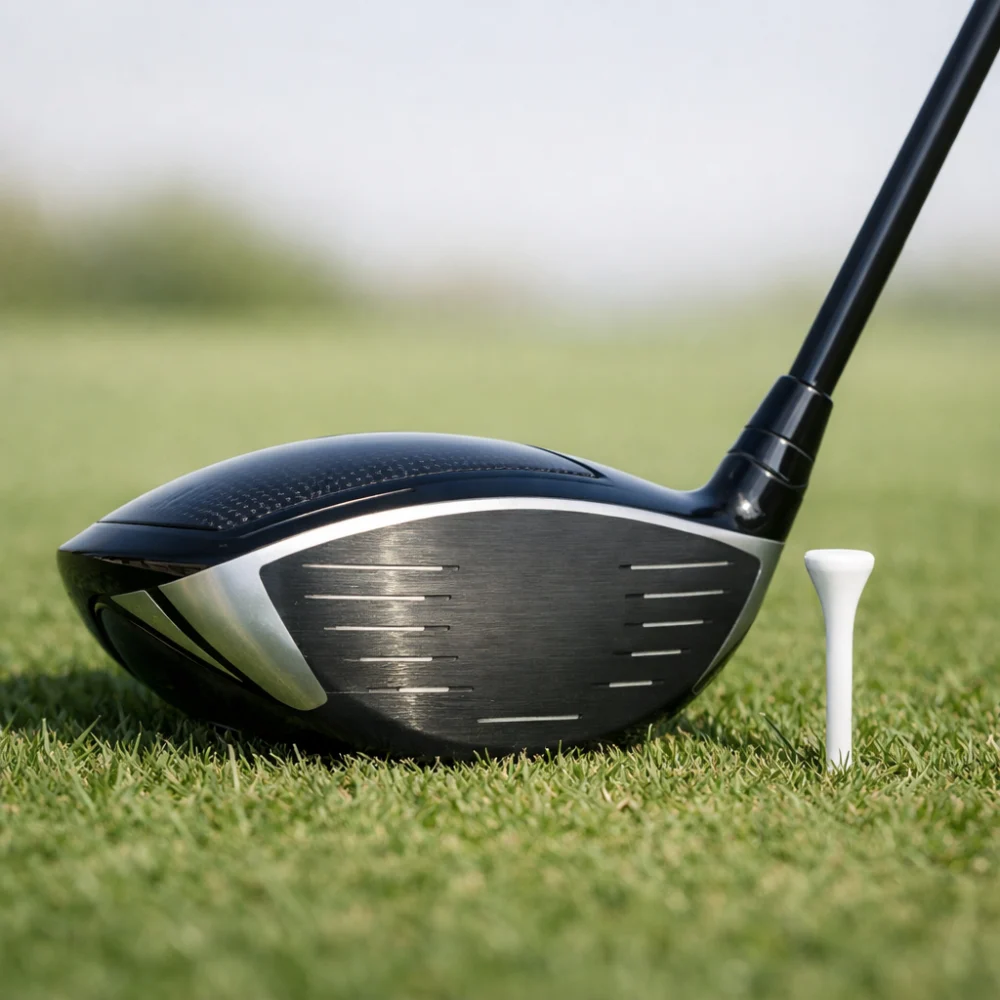
A golf driver is the club most golfers use for tee shots when they want distance and forgiveness from the tee. Because drivers vary a lot in head shape, loft, shaft feel and adjustability, the right choice depends more on fit than on brand name alone.
This guide focuses on the buying decisions that matter most: how you strike the ball, how much help you want on mishits and whether you prefer a simple club or one with more tuning options. If you are replacing an old driver, upgrading from a starter club or choosing your first one, the useful question is not just which driver looks modern, but which type is likely to suit your game.
Specifications vary by model, so always check the individual product page before buying.
What should you look for in a golf driver?
The best starting point is your own ball flight and confidence at address. A more forgiving driver can help if you want easier launch and steadier results, while a more adjustable model may suit golfers who like to experiment with setup. The main trade-off is usually simplicity versus fine-tuning: a straightforward driver is easier to choose, while a more configurable one gives you more to think about.
Most buyers should compare the driver head, loft, shaft characteristics and whether the club is designed to help square the face more easily. Those details can influence launch, directional stability and how comfortable the club feels through the swing.
| Feature | What it means | Why it matters | What to check |
|---|---|---|---|
| Loft | The angle of the club face | Affects how easily the ball gets airborne and the general shape of the flight | Look for the loft listed on the product page and match it to the kind of launch you want |
| Head size and shape | The overall profile of the driver head | Can influence confidence at address and forgiveness on off-centre strikes | Check whether the shape looks suited to a compact or more confidence-inspiring setup |
| Shaft material and flex | The feel and bend characteristics of the shaft | Affects tempo, control and how the club loads through the swing | Confirm the shaft type and flex where listed, and avoid guessing based on appearance |
| Adjustability | Settings that may change loft, lie or ball flight tendencies | Offers more room to fine-tune, but can add complexity | See whether the model is fixed or adjustable and decide whether you want a simple setup |
| Handedness | Whether the club is for right- or left-handed golfers | Essential for comfort, alignment and usable setup | Check the handed version carefully before ordering |
Key decision criteria explained
Loft and launch
Loft is one of the most important driver choices because it affects how easily the ball starts into the air. Many golfers want enough loft to help launch the ball comfortably, but not so much that the flight becomes harder to control for their swing. The right choice depends on your swing and strike, not on a single number being universally better.
Forgiveness and confidence
Some drivers are built to be more forgiving on off-centre contact. That can be helpful if you do not always find the centre of the face or if you want a more stable feeling at impact. A less forgiving design may appeal if you already strike the ball consistently and prefer a more traditional feel.
Shaft feel and flex
The shaft influences how the driver feels in transition and through impact. A lighter-feeling setup may suit players looking for easier swing speed or less effort, while a different flex or weight may suit a smoother or more forceful swing. Because shaft naming can vary by brand, it is safer to compare the listed specification rather than rely on a familiar label alone.
Adjustability
Adjustable drivers can help you fine-tune settings as your game changes. That can be useful if you want to experiment with ball flight or set the club up differently from the start. The trade-off is that adjustable models can feel more complex, and not every golfer needs that extra flexibility.
Head shape and address view
The way a driver looks behind the ball matters more than many buyers expect. Some golfers prefer a larger, fuller appearance for confidence, while others prefer a cleaner or more compact look. If you are sensitive to how a club frames the ball, this is worth checking on the product page or in product images.
Driver types and variants
Within golf drivers, the main differences usually come down to how forgiving, adjustable or straightforward the club is. You do not need to learn a long list of categories, but it helps to recognise the broad types you are likely to see.
- Forgiving drivers: Often aimed at golfers who want more help with consistency and a confidence-inspiring shape.
- Adjustable drivers: Suitable for players who want more setup options and are comfortable making small changes.
- Simple fixed drivers: A practical choice for buyers who want a clear, less complicated decision.
- Offset designs: May help some golfers who want extra help squaring the face, though not everyone prefers the look.
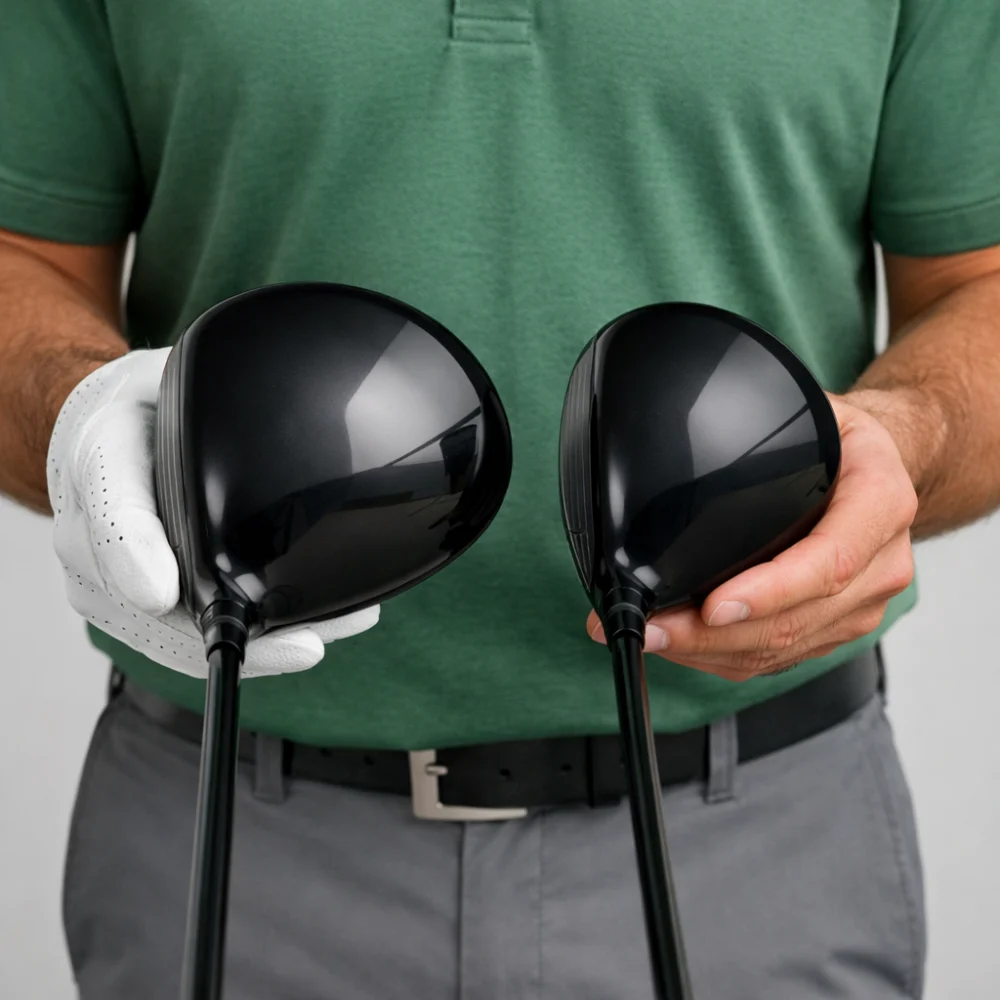
The limitation is that a driver type does not tell you everything about fit. Two clubs can both be labelled forgiving or adjustable and still feel quite different once you compare loft, shaft and head shape.
Which driver suits which buyer?
| Buyer need | What to prioritise | Why it helps |
|---|---|---|
| First-time or returning golfer | Forgiveness, easy launch and simple setup | Makes the choice less technical and can build confidence |
| Golfer wanting more consistency | Stable feel, suitable loft and a comfortable head shape | Helps narrow the choice to clubs that support repeatable swings |
| Buyer who likes to tinker | Adjustability and clear specification details | Allows tuning to personal preference over time |
| Gift buyer | Handedness, general suitability and a broadly forgiving design | Reduces the risk of choosing something awkward to use |
Common mistakes and misunderstandings
- Choosing by looks alone: A clean design is appealing, but loft, shaft and forgiveness matter more to how the club performs for you.
- Assuming one loft suits everyone: Different golfers launch the ball differently, so it is better to use the listed loft as a starting point, not a rule.
- Overlooking handedness: This is an easy mistake to avoid, and it is one of the first things to confirm before ordering.
- Assuming adjustable is always better: More settings can be useful, but many golfers prefer the simplicity of a fixed option.
- Ignoring the shaft: A driver head can look appealing while the shaft feel is not right for your swing.
Safety and suitability caveats
Drivers are straightforward sporting products, but suitability still matters. Check that the club is intended for the golfer who will use it, including handedness and general comfort in the swing. If you are unsure about a technical detail such as loft or shaft flex, review the individual product page rather than guessing from the product name alone.
Maintenance, storage and ownership considerations
Golf drivers are usually low-maintenance, but they still benefit from sensible care. Keep the club clean after rounds, store it where the head and shaft will not be knocked around and use any included headcover if one is supplied. If the model has adjustable parts, it is worth checking that you are comfortable with that extra upkeep and with keeping track of the settings.
How to compare golf drivers efficiently
- Start with your basic need: first driver, replacement, upgrade or gift.
- Confirm handedness and any obvious fit factors first.
- Compare loft, shaft and whether the head is meant to be forgiving or more adjustable.
- Decide whether you prefer a simple club or one with more tuning options.
- Read the individual product page carefully before choosing.
Golf driver buying checklist
- Check the handed version.
- Compare loft rather than assuming one number is ideal.
- Look at shaft material and flex where listed.
- Decide whether forgiveness or adjustability matters more to you.
- Consider how the head shape looks at address.
- Review the individual product page for the exact specification.
Frequently asked questions
What is the main job of a golf driver?
A driver is typically used for tee shots when distance and a strong start to the hole are the main goal. It is usually the longest club in the bag and is chosen for how it launches the ball, not for all-around versatility.
How do I know which loft to choose?
Loft should be chosen with your usual launch and strike in mind. If you are unsure, it is sensible to start by comparing options around the lofts listed on the product pages rather than assuming lower is automatically better.
Is an adjustable driver worth it?
It can be, if you like experimenting with setup or want more control over how the club feels and performs. If you prefer a simple, straightforward club, a fixed driver may be easier to live with.
Why does shaft flex matter?
Shaft flex affects how the club feels during the swing and can influence timing and comfort. It is one of the details that can make two similar-looking drivers feel very different.
Should beginners choose the most forgiving driver?
Often, a forgiving driver is a sensible starting point because it is usually easier to live with while you are learning. That said, the best choice still depends on how the club feels in your hands and how the listed specification matches your needs.
Do I need to match the driver to the rest of my clubs?
Not in a strict sense, but it should sit comfortably with the way you already play. If you are building a set or replacing an old club, it helps to think about the driver as part of your overall setup rather than a standalone impulse buy.

