
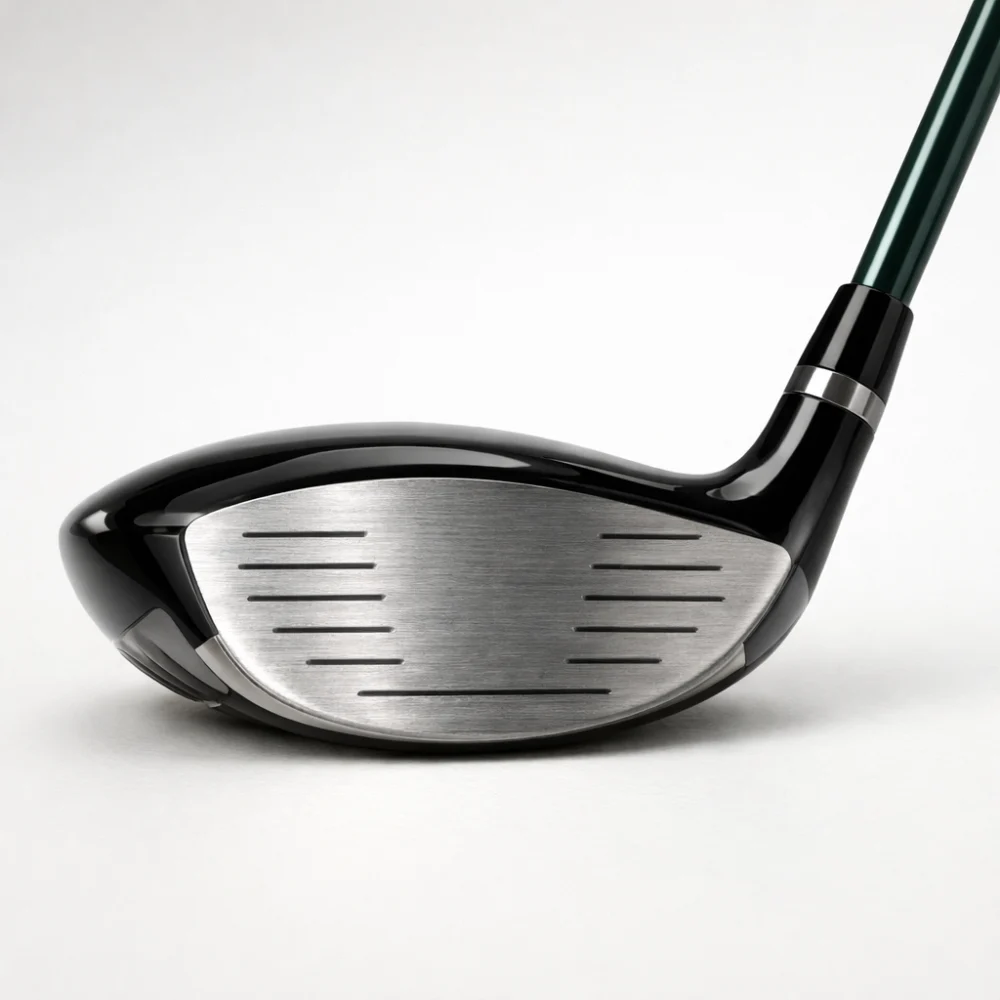
Fairway woods are a useful part of many golfers’ bags because they can offer distance from the fairway, light rough or the tee without being as demanding as a driver for every shot. They are often chosen by players who want a club that is easier to launch than a long iron and more distance-focused than a hybrid.
The right fairway wood depends on how you plan to use it, how confident you feel with longer clubs and how much forgiveness you want. It also depends on whether you are looking to fill a gap at the top of the bag or replace a club you rarely use well.
Because fairway woods vary by loft, head shape, shaft and intended use, it helps to compare them on the factors that affect launch, distance and control rather than focusing only on the number on the sole.
What should you look for in a fairway wood?
Start with the shot you want the club to help with most. If you need easier distance from the fairway, a slightly higher-lofted or more forgiving option may suit you better. If you want a tee club that still gives good length, a lower-lofted model may be the better fit. The main trade-off is usually distance versus ease of launch and confidence at address.
| Feature | What it means | Why it matters | What to check |
|---|---|---|---|
| Loft | The angle of the face | Influences launch, carry and how easy the ball is to get airborne | Match the loft to your swing and the gap you need in the bag |
| Head shape | The overall look and profile of the clubhead | Affects confidence at address and how easy the club feels to strike | Choose a shape you find comfortable to look down on |
| Forgiveness | How much the club helps on off-centre strikes | Can make longer shots more playable for less consistent contact | Look for a design that suits your ball-striking consistency |
| Shaft | The part connecting grip and head | Influences feel, launch and control | Check shaft material and flex where these are shown on the product page |
| Intended use | Whether the club is aimed more at tee shots, fairway shots or both | Helps you avoid choosing a club that does not match your round | Read the product description carefully for the club’s main role |
Key decision criteria
Loft and distance gapping
Loft is one of the biggest factors in how a fairway wood performs. Lower lofts are generally used for more distance and a flatter flight, while higher lofts are usually easier to launch and may offer more control for some players. The right choice depends on where the club sits in your set and whether it needs to replace a driver, sit between your driver and hybrids, or cover a specific yardage gap.
Forgiveness and confidence
Some fairway woods are shaped or designed to feel more forgiving, which can help when contact is not perfect. That can matter if you use the club from the fairway often, or if long clubs have traditionally been difficult for you. More compact profiles may appeal to stronger ball-strikers, but they can feel less reassuring if you prefer a larger head behind the ball.
Shaft feel and setup
The shaft can change how the club feels in the swing, even when two clubs look similar. Material and flex are often listed on the product page, and they are worth checking because they can affect launch, timing and control. Specifications vary by model, so always check the individual product page before buying.
How you plan to use it
A fairway wood used mainly from the tee may not need the same characteristics as one chosen for approach shots from the turf. If you mainly want help from the fairway, ease of launch and clean turf interaction may matter more than chasing the lowest possible loft. If it is mostly a tee club, stability and confidence at address may matter more than versatility from tight lies.
Common fairway wood types and variants
Fairway woods are usually discussed by loft and role rather than by a large number of formal sub-types.
- Lower-loft fairway woods can suit golfers who want a longer tee club or a club that sits nearer the driver end of the bag.
- Mid-loft fairway woods are often chosen as a practical balance between distance and easier launch.
- Higher-loft fairway woods may appeal to players who want more help getting the ball airborne or who prefer a more manageable long-game option.
Some models also emphasise draw bias, offset or a more compact appearance. These design choices can be helpful if they match your swing pattern, but they are not automatically better for every golfer.
Which type suits different buyers?
| Buyer need | What to prioritise | What to avoid overemphasising |
|---|---|---|
| Beginner or improving golfer | Forgiveness, easy launch and a comfortable address position | Choosing the lowest loft or the most compact head just because it looks more advanced |
| Golfer filling a distance gap | Loft spacing and how the club fits with driver, hybrid and irons | Buying on club number alone without checking the actual role in the bag |
| Player wanting a tee option | Confidence at address and a setup that suits controlled tee shots | Assuming a fairway wood must only be used from the fairway |
| Player who finds long clubs difficult | Launch help, forgiving design and a shape that feels easy to square | Prioritising distance claims without considering playability |
Common mistakes to avoid
- Choosing by the number alone: a 3-wood, 5-wood or other label does not tell you everything. Check the loft and the intended role.
- Ignoring the rest of the set: the best choice is one that fills a gap cleanly rather than overlapping too much with a driver or hybrid.
- Overlooking the head shape: if a club looks awkward to you, you may not use it confidently even if it seems suitable on paper.
- Focusing only on distance: a club that is easier to control can be more useful than one that occasionally goes farther.
Safety and suitability notes
Fairway woods are sports equipment, so the main buying concern is suitability rather than safety in the narrow sense. Make sure the club is intended for the golfer who will use it, including handedness and any other options shown on the product page. Also check whether the club is sold as a single club or as part of a set, as that affects how it fits into the bag.
Care, storage and ownership considerations
General care is simple, but it still matters when you are choosing a club. Keep the head clean after use, store the club dry and check the grip and shaft condition over time. If you are comparing options, consider whether the finish, headcover inclusion or other listed contents matter to you, but rely on the individual product page for the exact package details.
How to compare options efficiently
- Decide whether you need a fairway wood for the tee, the fairway or both.
- Check the loft and decide where the club should sit in your distance gaps.
- Compare how forgiving and confidence-inspiring the head shape looks to you.
- Review shaft details and any handedness or set-inclusion information on the product page.
- Choose the option that matches your real use case rather than the club name alone.
Summary buyer decision checklist
- Have I identified the main job for this club?
- Does the loft fit the gap I am trying to fill?
- Does the head shape look comfortable to address?
- Have I checked the shaft information shown for the individual model?
- Does the club suit my handedness and the way I plan to use it?
- Am I choosing for playability as well as distance?
Frequently asked questions
What is a fairway wood used for?
A fairway wood is typically used for longer shots when you want more distance than an iron but do not necessarily want a driver. It can be used from the fairway, light rough or the tee depending on the player and the club design.
How do I choose between a fairway wood and a hybrid?
Fairway woods usually offer a more wood-like shape and are often chosen for distance-focused shots, while hybrids are often selected for easier handling and versatility. The better choice depends on whether you prefer the look and shot shape of a wood or the compact feel of a hybrid.
Is a higher-loft fairway wood easier to hit?
For many golfers, a higher-loft fairway wood can be easier to launch and may feel more forgiving from the turf. It may not go as far as a lower-loft option, so the trade-off is usually ease of launch versus maximum distance.
Do fairway woods only work from the fairway?
No, many golfers use them from the tee as well. Some models are chosen specifically because they give a controlled tee shot while still being useful for longer approach shots.
What should I check on the product page before buying?
Check the loft, shaft information, handedness and whether the club is sold individually or as part of a set. It is also sensible to read the product description for the club’s intended role, because that can help you decide whether it fits your game.
How many fairway woods do I need?
That depends on the gaps in your current set and how comfortable you are with long clubs. Some golfers carry one, while others prefer more than one if they want different lofts for different distances or shot types.

