
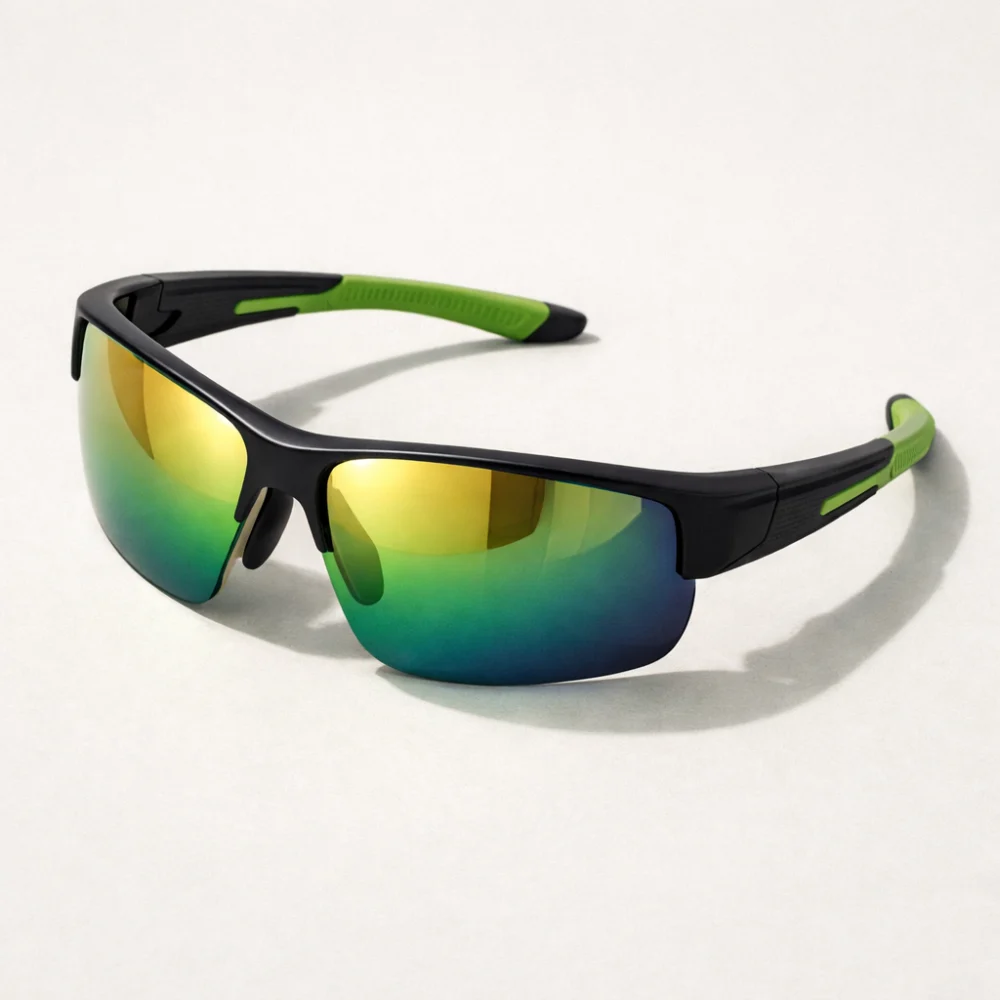
Oakley sunglasses are a broad category, so the right choice depends less on the name on the frame and more on how you plan to wear them. Some buyers want everyday sun protection with a clean look, while others are looking for a sportier shape, a closer fit or a lens style that suits bright outdoor conditions.
This guide helps you compare the main buying points without getting lost in model names. It focuses on the practical details that usually make the biggest difference to comfort, coverage and how well a pair suits your face and routine.
What should you look for in Oakley sunglasses?
The best starting point is fit. If the frame sits comfortably, stays secure and suits the level of coverage you want, the rest of the decision becomes much easier. Lens type, frame shape and finish then help you narrow the choice between everyday wear and more active use.
Specifications vary by model, so always check the individual product page before buying.
| Feature | What it means | Why it matters | What to check |
|---|---|---|---|
| Fit | How the frame sits on your face and nose | A good fit improves comfort and helps the sunglasses feel secure | Frame width, bridge shape and how the temples are described |
| Lens shape | How much of the eye area the lenses cover | More coverage can reduce side light and improve the wearing feel for some activities | Whether the frame is full, shield-style or more compact |
| Lens style | The visual effect and intended use of the lenses | It affects glare control, brightness and how the sunglasses feel in different conditions | Lens tint, mirror effect and any polarised or specialist lens description |
| Frame shape | The overall outline of the glasses | It influences appearance, coverage and how the frame balances on the face | Round, rectangular, shield or wrap-style profiles |
| Material and finish | The frame surface and construction approach | It can affect look, grip feel and day-to-day handling | Gloss, matte or transparent finishes if shown on the product page |
| Intended use | Whether the pair is aimed at everyday wear or a more active setting | The same brand can cover casual, lifestyle and sport-led needs | Product description, frame style and lens coverage |
Key decision criteria
Fit and comfort
Fit is often the most important factor because sunglasses are only useful if you enjoy wearing them. A frame that feels too tight, too loose or mismatched to your face shape can become irritating quickly, even if the style looks right.
Check the frame measurements, the nose bridge description and whether the design is labelled as a closer fit or a more standard fit. If you wear sunglasses for long periods, comfort should come before fashion-led details.
Coverage and lens shape
Some buyers prefer a more compact fashion frame, while others want a shape that gives greater coverage around the eyes. Shield and wrap-style designs may appeal to people who want a more enclosed feel, but they can look and sit quite differently from classic everyday frames.
Think about where you will wear them most often. A larger lens area can be useful for bright outdoor conditions, while a smaller frame may suit casual wear better.
Lens appearance and function
Lens description can be one of the most confusing parts of the category. Colour, mirror effect and any special lens naming can change the look as well as the feel in different light conditions, but it is still important not to assume that appearance tells the whole story.
Use the product page to check the lens description carefully. If a model mentions a specific lens treatment or polarised option, make sure it matches what you actually want rather than choosing only by colour.
Style and face shape
Oakley sunglasses cover a wide range of looks, from understated everyday frames to more athletic silhouettes. The best style is usually the one that balances your face shape, wardrobe and usual activities.
Large frames can look bold, while slimmer shapes can feel easier to wear daily. If you are unsure, choose the outline that you are most likely to wear often rather than the one that seems most striking in isolation.
Common Oakley sunglasses types and variants
Within this category you will usually see a mix of different frame approaches rather than a single uniform style.
- Classic lifestyle frames: Good for everyday wear and general sun protection, with a more familiar look.
- Wrap or shield styles: Better suited to buyers who want greater coverage and a sportier feel.
- Rectangular and angular frames: Often chosen for a clean, modern appearance and a balanced everyday profile.
- Rounder or softer shapes: Useful if you want a less structured look that feels more casual.
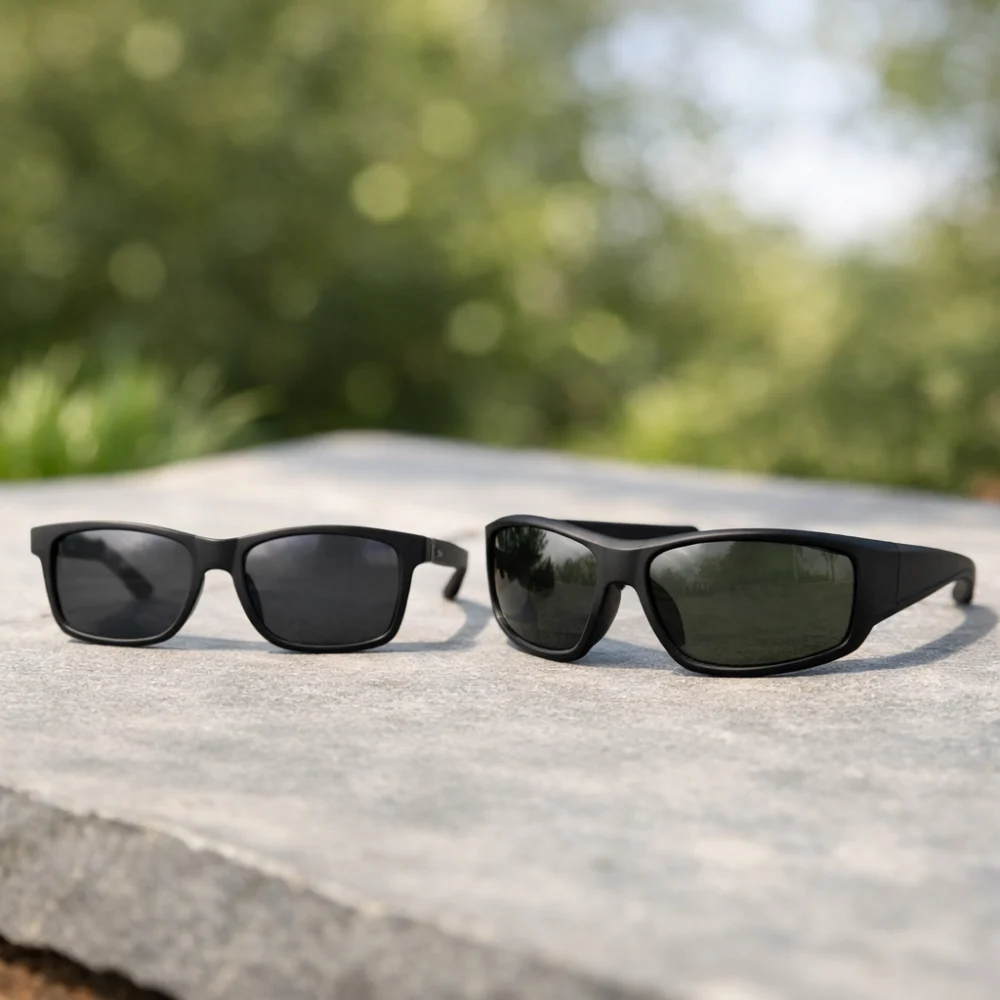
The main limitation is that a style you like visually may still feel wrong on the face if the fit or coverage does not suit you.
Which type suits different buyers?
| Buyer need | Useful features | Why it helps |
|---|---|---|
| Everyday wear | Comfortable fit, balanced frame size, versatile lens look | Makes the sunglasses easy to wear with different outfits and routines |
| Outdoor activity | Secure fit, more coverage, lens options suited to bright light | Helps the frame stay in place and feel more practical outside |
| Style-first purchase | Shape, finish and lens colour that suit your wardrobe | Lets you choose a frame you will enjoy wearing regularly |
| Gift buying | Widely wearable shape and neutral finish | Reduces the risk of choosing something too bold or too niche |
Common mistakes to avoid
- Choosing only by brand name: the frame shape and fit matter more than the logo.
- Assuming all lenses do the same job: lens appearance does not always tell you how a pair will feel in different light.
- Ignoring face coverage: a stylish frame may still feel too small or too large for regular wear.
- Overlooking the product page details: small wording differences can signal important changes in fit or lens style.
Suitability and practical caveats
Oakley sunglasses are a style and function purchase, so the most important checks are comfort, coverage and the product description. If you need sunglasses for a particular activity, make sure the frame shape and lens details suit that use rather than assuming every model behaves the same way.
They are not all interchangeable in feel, and small differences in fit can make a big difference once you wear them for more than a few minutes.
Care, storage and day-to-day ownership
Good care helps any sunglasses last longer and stay comfortable to wear. Keep them clean, store them in a protective case when not in use and avoid leaving them where they may get scratched or bent.
If your chosen model includes special lens treatments or a more open frame shape, handle it with a little extra care when cleaning so you do not add marks unnecessarily.
How to compare Oakley sunglasses efficiently
- Decide whether you want everyday wear, a sportier style or something in between.
- Check the frame shape and coverage to see if it suits your face and intended use.
- Compare lens description, finish and any special options shown on the product page.
- Look at fit clues such as frame measurements and bridge description.
- Choose the pair that balances comfort, style and the level of coverage you actually need.
Summary buyer decision checklist
- Does the frame shape suit how you want to wear the sunglasses?
- Is the fit likely to be comfortable for your face?
- Is the coverage appropriate for everyday use or outdoor activity?
- Does the lens description match your preference in bright light?
- Have you checked the individual product page for the exact details?
Frequently asked questions
Are Oakley sunglasses mainly for sport or everyday wear?
They can suit both, depending on the model. Some frames are more lifestyle-led and easy to wear casually, while others are clearly shaped for a more active feel. The frame style and coverage usually tell you more than the brand name alone.
How do I know if the fit will suit me?
Start with the product page details such as frame size and bridge description. If you already know that certain frame shapes feel comfortable on your face, use that as a guide. Comfort should come before a style you are unlikely to wear often.
What is the difference between a bold frame and a wearable everyday frame?
A bold frame usually has a larger or more distinctive shape, which can make it stand out more. An everyday frame tends to be easier to pair with different outfits and may feel less visually dominant. The right choice depends on whether you want the sunglasses to be a statement piece or a versatile option.
Do lens details matter as much as the frame?
Yes, because lens description can affect how the sunglasses feel in bright conditions and how they look overall. It is worth checking the product wording carefully rather than choosing purely by frame shape. If a lens option is important to you, treat it as part of the decision, not an afterthought.
Are larger frames always better for coverage?
Not always. Larger frames can offer more coverage, but they may also feel heavier-looking or less subtle on the face. The best choice is the one that matches both your comfort preference and the setting where you will wear them.
What should I double-check before buying?
Check the frame shape, fit clues, lens description and any notes about the exact model on the product page. Those are the details most likely to change how the sunglasses feel once they arrive. If anything is unclear, compare a few options side by side before deciding.

