
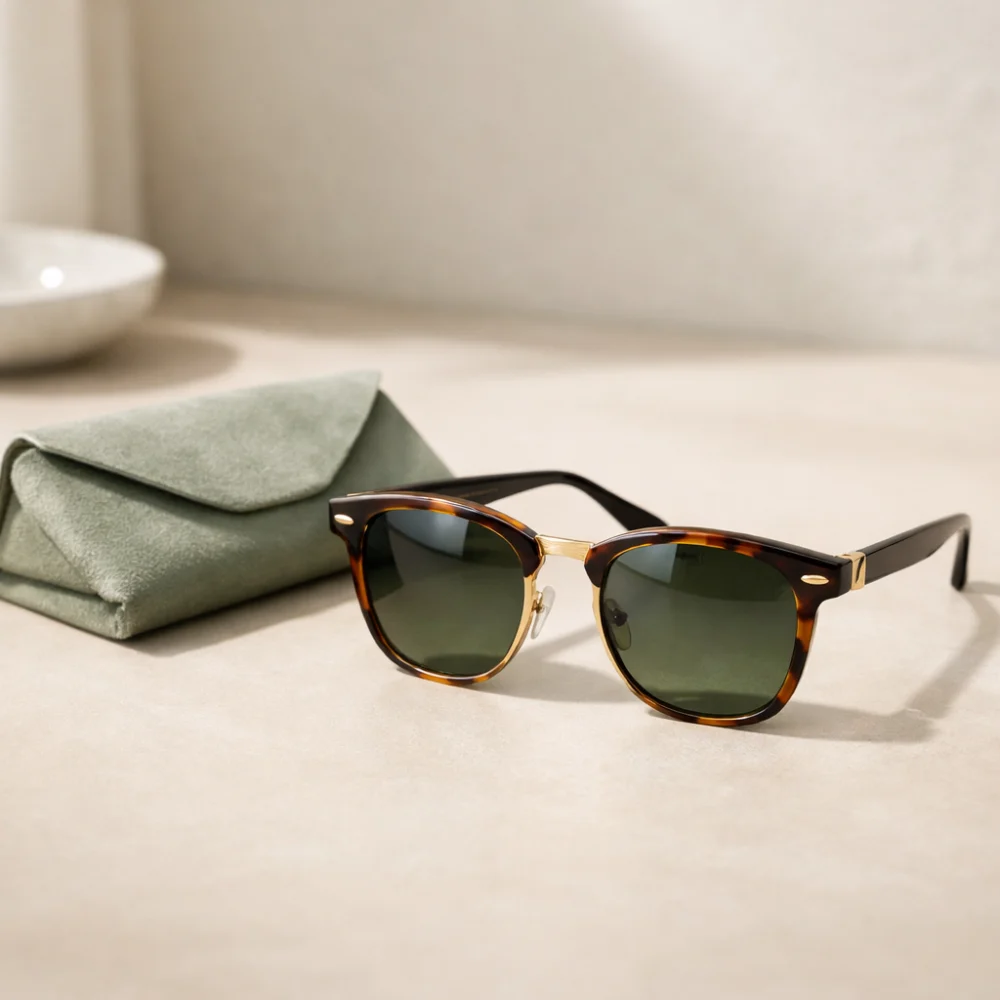
Tom Ford sunglasses are usually bought for a mix of style, comfort and day-to-day wear, so the right choice is often more about fit and feel than a long list of technical features. If you are comparing styles, it helps to think about where you will wear them, how often you will use them and what kind of frame shape suits your face and wardrobe.
This guide focuses on the buying decisions that matter most at category level. It helps you compare the visible differences between frames, understand which details are worth checking and avoid getting distracted by features that may not affect your use.
What should you look for when choosing Tom Ford sunglasses?
The best starting point is fit: the frames should sit comfortably, feel balanced and suit the shape of your face. After that, look at lens colour, frame material and the overall style, because these affect how the sunglasses will look and how practical they feel in daily wear. Specifications vary by model, so always check the individual product page before buying.
For most buyers, the main trade-off is between style-led choices and the practical details that affect comfort. A pair that looks right but feels heavy or sits too tightly is rarely a good purchase, even if the design appeals at first glance.
| Feature | What it means | Why it matters | What to check |
|---|---|---|---|
| Frame shape | The overall silhouette of the front and temples | Affects face coverage, style and how balanced the sunglasses look | Compare the shape with sunglasses you already wear comfortably |
| Fit and proportions | How the frame sits across the nose, temples and sides of the face | Comfort matters if you plan to wear them for long periods | Look for sizing details and check whether the frame seems likely to suit your face width |
| Lens tint | The colour and darkness of the lenses | Changes how the sunglasses look and how much light they let through | Choose a tint that suits typical outdoor use and personal preference |
| Frame material | The material used for the front and arms | Can influence weight, feel and day-to-day durability | Check the product page for the listed material and consider whether you prefer a lighter or more substantial feel |
| Style details | Visible design elements such as finish, shape and branding | These determine how versatile the sunglasses are with different outfits | Decide whether you want a bold statement piece or a quieter everyday style |
Key decision criteria explained
Fit and comfort
Comfort is often the most important factor because sunglasses are worn on the face for long periods. A frame that pinches at the temples, slides on the nose or feels too wide will quickly become irritating. If you already wear glasses or sunglasses comfortably, compare the proportions carefully rather than relying on appearance alone.
Frame shape and visual balance
Frame shape affects both style and wearability. Strong angles, soft curves and oversized silhouettes all create different looks, and each can suit different face shapes and personal tastes. Some buyers want a frame that stands out; others prefer a more restrained shape that works with most outfits.
Lens tint and everyday use
Lens tint is often misunderstood as being only about fashion. In practice, the colour and darkness of the lenses change how the sunglasses feel in bright conditions and how versatile they look. If you use sunglasses in varied settings, choose a tint that feels practical as well as attractive.
Frame construction and feel
Different construction styles can feel noticeably different in hand and on the face. Some buyers prefer a lighter, minimal feel, while others like a more defined frame that feels substantial. What matters is whether the sunglasses suit how often you intend to wear them and whether you are comfortable with the overall weight and presence.
Common Tom Ford sunglasses types and variants
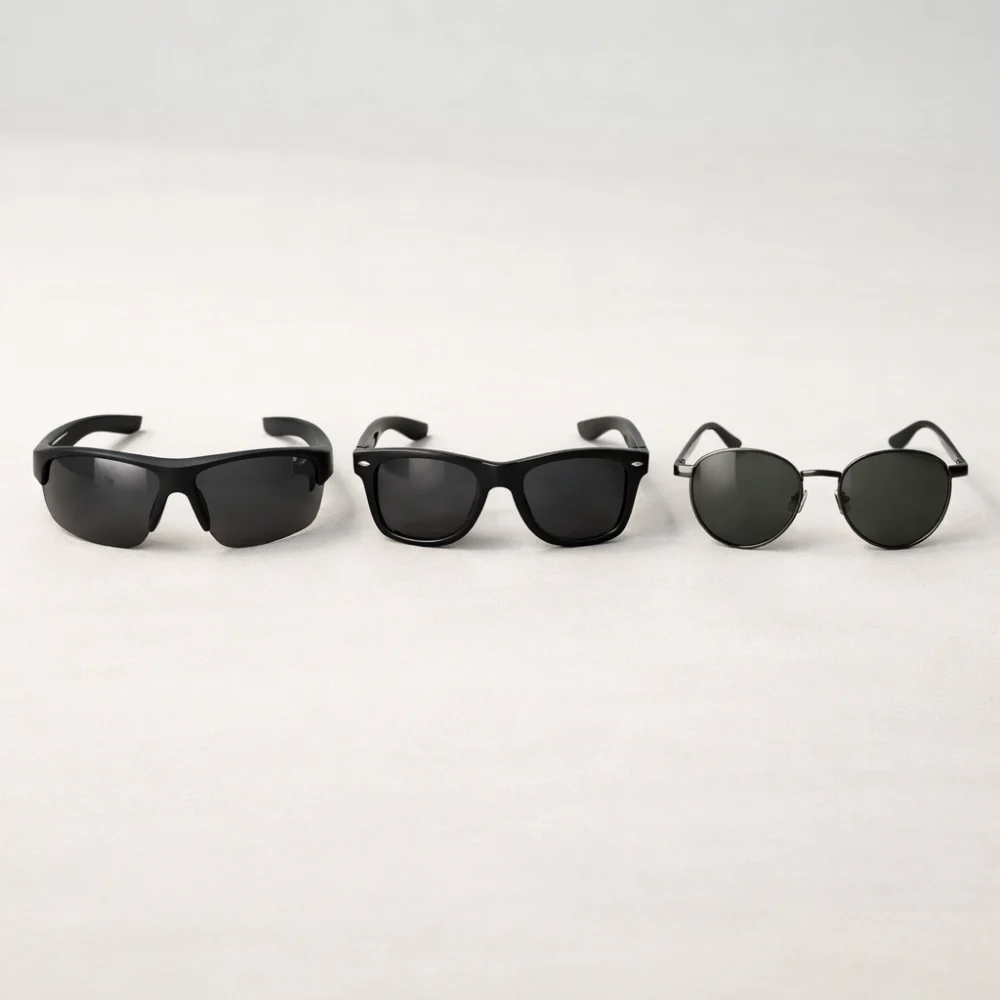
Tom Ford sunglasses in this category may include a range of shapes and finishes rather than a single uniform style. The useful distinction for buyers is usually between more classic everyday frames, bolder fashion-led frames and pieces with a more understated, refined look.
- Classic shapes: Often the easiest to wear regularly and the most straightforward to match with different outfits.
- Statement frames: Better for buyers who want the sunglasses to be a noticeable part of the look, but they can feel less versatile.
- More minimal designs: Suit buyers who want the brand and quality cues without a very bold silhouette.
The right variant is usually the one that matches how often you plan to wear the sunglasses and how much you want them to stand out.
Which style suits which buyer?
| Buyer need | What to prioritise | Why it helps |
|---|---|---|
| Everyday wear | Comfort, balanced fit and a versatile shape | These are the features most likely to affect long-term satisfaction |
| Fashion-led purchase | Frame shape, finish and overall design presence | Visual impact matters more if the sunglasses are part of a style statement |
| Gift buying | Widely wearable proportions and a restrained design | Safer choices are usually easier to suit without knowing the recipient’s exact preferences |
| Replacement for a worn pair | Similar fit, similar lens tint and familiar frame type | Keeping the same general feel reduces the chance of disappointment |
| Occasional use | Simple styling and practical comfort | You may not need to overthink specialist details if wear will be infrequent |
Common mistakes and misunderstandings
- Choosing by looks alone: Style matters, but fit and comfort are what decide whether you actually enjoy wearing the sunglasses.
- Ignoring proportions: A frame can look appealing online and still feel too large or too narrow in person.
- Overestimating lens tint differences: Tint can change the feel of the sunglasses, but it is only one part of the decision.
- Assuming all designs suit all wardrobes: Some frames are easy to pair with most clothing, while others are more distinctive and less flexible.
Safety and suitability caveats
Sunglasses are a style and comfort purchase as well as a practical one, so check the product details carefully before buying. If you need them for specific outdoor conditions or for frequent use, pay attention to the listed model information rather than assuming every frame performs the same way. The most suitable choice is the one that fits well, suits your use and feels comfortable for the time you expect to wear it.
Maintenance, storage and lifespan considerations
General care affects how long sunglasses stay looking good. A hard case or protective pouch can help reduce scratches and bending, while gentle cleaning keeps lenses clearer and the frame cleaner. If you plan to keep them in a bag, car or pocket, choose a design that you are happy to look after consistently.
It is also worth thinking about how often you will wear them. A pair used every day may need a more forgiving fit and a style that ages well in your wardrobe, while occasional-use sunglasses can be chosen more freely for appearance.
How to compare options efficiently
- Decide where and how often you will wear the sunglasses.
- Choose the frame shape and style direction that suits your preferences.
- Compare fit, proportions and comfort cues first.
- Check lens tint, frame material and any visible style details.
- Open the individual product page and confirm the specific model information before buying.
Summary buyer decision checklist
- Does the frame shape suit your face and style?
- Will the fit likely feel comfortable for the time you expect to wear them?
- Is the lens tint appropriate for your usual use?
- Do you want a subtle everyday pair or a stronger style statement?
- Have you checked the individual product page for the exact model details?
Frequently asked questions
Are Tom Ford sunglasses mainly a style purchase?
They are often chosen for style, but that does not mean comfort should be ignored. A good-looking frame still needs to fit well and feel balanced on the face. The most satisfying choice usually combines design with everyday wearability.
How do I know if a frame will suit my face?
Start by comparing the overall shape and proportion with sunglasses you already know work for you. If you prefer a narrow, rounded or angular look, use that as a guide when narrowing options. The product page details are the best place to confirm the exact sizing information.
Is lens tint important if I mainly care about the look?
Yes, because lens tint affects both appearance and everyday practicality. Some buyers prefer a darker, more dramatic look, while others want something that feels easier to wear in different settings. It is a useful feature to compare, even if style is your main priority.
What should I prioritise if I am buying as a gift?
A more versatile shape and a moderate, easy-to-wear design are usually safer choices. When you do not know the recipient’s exact preferences, avoiding very extreme shapes can reduce the risk of getting the style wrong. Comfort and balanced proportions still matter.
Do I need to worry about frame material?
It is worth checking because material can influence the feel, weight and overall impression of the sunglasses. Some buyers prefer a lighter frame, while others like a more solid feel. The individual product page should list the material used.
Can one pair work for both everyday wear and occasional smart occasions?
Often yes, if the design is relatively restrained and the fit is comfortable. A versatile frame shape usually makes it easier to wear with different outfits and in different settings. Bold statement pieces can still work, but they may feel less flexible.
What is the most common buying mistake?
The most common mistake is focusing on style and forgetting about fit. If the sunglasses pinch, slide or feel awkward, they are unlikely to become a favourite pair. Shortlisting by shape and proportion first is usually a better approach.

