
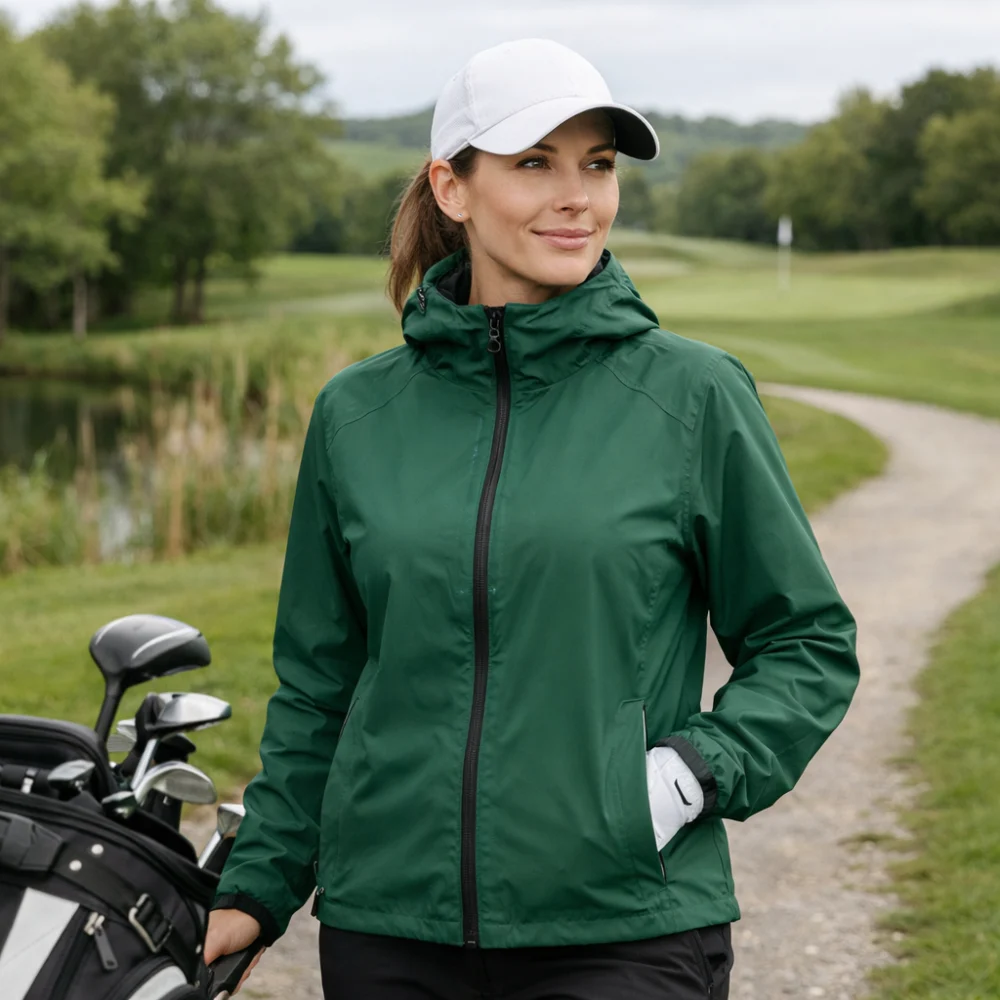
Choosing a women’s golf jacket is mostly about balancing weather protection, freedom of movement and comfort over 18 holes. The right option depends on how cold, windy or showery you expect conditions to be, and whether you want a jacket for active play, a warmer layer between rounds or something easy to pack in a golf bag.
This guide helps you compare the main choices without getting lost in product jargon. It focuses on practical buying questions such as fit, layering, fabric feel and how much coverage you really need on the course.
What should you look for in a women’s golf jacket?
Start with the conditions you need it to handle, then work back to fit and comfort. A jacket that is too bulky can restrict your swing, while one that is too light may feel fine in the shop but not on a breezy fairway. The most useful first checks are weather protection, ease of movement, breathability and whether the jacket works over the layers you normally wear. Specifications vary by model, so always check the individual product page before buying.
| Feature | What It Means | Why It Matters | What To Check |
|---|---|---|---|
| Weather protection | How well the jacket helps against wind, light rain or cooler temperatures | Determines whether it is mainly a layer for comfort or a more protective outer shell | Look for the level of protection described for the specific jacket and how it is intended to be worn |
| Fit and mobility | How the jacket sits on the body and moves with the arms and shoulders | A good golf jacket should feel easy to swing in, not tight across the back or underarms | Check the cut, the intended fit and whether the garment is designed for layering |
| Breathability | How easily the jacket allows heat and moisture to escape | Useful if you walk the course, play in mild conditions or wear the jacket for long periods | Review the fabric description and whether the jacket is meant for active use |
| Weight and packability | How heavy or bulky the jacket feels when carried or stored | Important if you want something easy to keep in a golf bag for changing weather | Check whether it is described as lightweight, packable or more structured |
| Layering room | Space for a polo, mid-layer or base layer underneath | Helps you avoid buying a jacket that feels fine on its own but too tight in real use | Consider the fit over your usual golf clothing and whether you prefer a close or relaxed finish |
Key decision criteria explained
Weather protection
Golf jackets sit on a spectrum from light wind-resistant layers to more weather-ready outerwear. If you mainly want something for breezy mornings, a lighter jacket may be enough. If you often play in changeable conditions, look for a style that gives more coverage without feeling stiff or heavy.
Freedom of movement
Golf involves repeated upper-body movement, so the jacket should not pull at the shoulders or ride up when you swing. Details such as stretch, panel design and sleeve cut can make a noticeable difference. Focus less on looks alone and more on how the jacket is shaped for movement.
Temperature control
Some jackets are better as an outer layer in mild weather, while others are more useful when the temperature drops. If you tend to warm up quickly while walking, a lighter option may be more practical than a heavily insulated one. If you feel the cold, think about how the jacket works with your existing layers.
Layering and fit
A golf jacket should work with the clothes you already wear on the course. If you usually wear a long-sleeve top underneath, leave enough room for comfort without making the jacket overly loose. Pay attention to the fit description rather than assuming your usual size will behave the same way across every brand.
Common jacket types and when they suit
Women’s golf jackets usually fall into a few practical categories. Each one serves a different purpose, and the best choice depends on how you play and what kind of weather you face most often.
- Lightweight jackets are useful when you want an extra layer without too much bulk. They suit mild, variable weather but may not be enough on their own in colder or wetter conditions.
- Softshell-style jackets can feel more substantial and are often chosen when wind protection and comfort matter more than minimal pack size. They may be less compact than lighter layers.
- Fleece jackets are mainly about warmth and comfort. They are a sensible choice for colder days, although they are usually not the best answer if you need more weather resistance.
- Water-resistant or rain-focused jackets are worth considering if you often play through showers. The trade-off is that more protection can mean less breathability or a slightly less relaxed feel.
Which jacket suits different buyer needs?
| Buyer need | What to prioritise | Why it helps |
|---|---|---|
| Walking golfers | Light weight, breathability, easy movement | Helps the jacket stay comfortable over a long round |
| Changeable weather | Wind protection, layering room, practical coverage | Makes the jacket more adaptable when conditions shift |
| Cold-weather play | Warmth, comfortable fit over layers, sleeve freedom | Helps keep the layer useful without feeling restrictive |
| Bag-friendly spare layer | Packability and low bulk | Makes it easier to carry a jacket you can put on when needed |
Common mistakes and misunderstandings
Buying for looks alone. A jacket can look smart but still be awkward to swing in. Comfort in the shoulders and arms matters more than a polished first impression.
Choosing too much insulation for active play. A very warm jacket may feel ideal off the course but become uncomfortable once you start walking and moving. Think about how warm you usually get during a round.
Ignoring layering. A jacket that fits over a thin top may feel tight over a mid-layer. Try to judge the size based on what you normally wear for golf, not just on a single outfit.
Assuming all weather protection is the same. Jackets are designed for different levels of exposure, so it helps to match the garment to the conditions you actually face. A general-purpose layer may be enough for light wind but not for regular rain.
Safety and suitability caveats
For golf, the main buying caution is suitability rather than risk. A jacket that is too restrictive, too warm or too bulky can make playing less comfortable, so it is worth checking the intended use before buying. If you need a jacket for wet weather, make sure the product description clearly supports that use rather than assuming any outer layer will perform the same way.
Maintenance, storage and lifespan considerations
Care needs vary by fabric and construction, so it is sensible to check the care guidance on each product page. Some jackets are easier to keep ready for regular use if they are simple to clean and quick to dry. If you plan to store one in your golf bag, favour a style that handles folding or packing neatly without becoming cumbersome.
How to compare options efficiently
- Decide whether you need a warmth layer, a wind layer or something more weather-resistant.
- Check how the jacket is cut for movement and whether it looks suitable over your normal golf clothing.
- Compare weight, bulk and breathability if you plan to walk the course.
- Think about the weather you face most often, not just the worst-case scenario.
- Read the individual product page carefully before choosing a size or style.
Summary buyer decision checklist
- Will I wear this for warmth, wind protection or light rain?
- Does it seem suitable for swinging comfortably?
- Will it fit over my usual golf layers?
- Is it likely to feel too warm, too bulky or too light for my rounds?
- Is it easy enough to store or carry when I do not need it?
- Have I checked the individual product page for the details that matter most?
Frequently asked questions
What makes a golf jacket different from a regular jacket?
A golf jacket is usually chosen with movement in mind. It should feel comfortable through the shoulders and arms and work well over golf clothing, rather than just being warm or stylish.
Should I choose a fitted or looser jacket?
That depends on how you like to layer. A closer fit can feel neat and less bulky, while a slightly looser fit may be more comfortable if you wear extra layers underneath.
Is a waterproof jacket always the best choice?
Not necessarily. If you mostly need a layer for dry but cool conditions, a lighter jacket may be more comfortable and breathable. Waterproof protection is most useful when you expect regular rain.
Can I use the same jacket for golf and everyday wear?
Yes, if the style and fit suit both. Many buyers prefer a jacket that feels practical on the course but still looks simple enough for general wear.
How do I know if a jacket will work over a mid-layer?
Check the fit description and think about what you normally wear in colder weather. If you often layer up, it is sensible to allow extra room rather than choosing the tightest possible fit.
What matters most if I walk the course?
Comfort, breathability and low bulk usually become more important when you are walking. A jacket that feels manageable for a full round is often more useful than one that is heavily built.

