
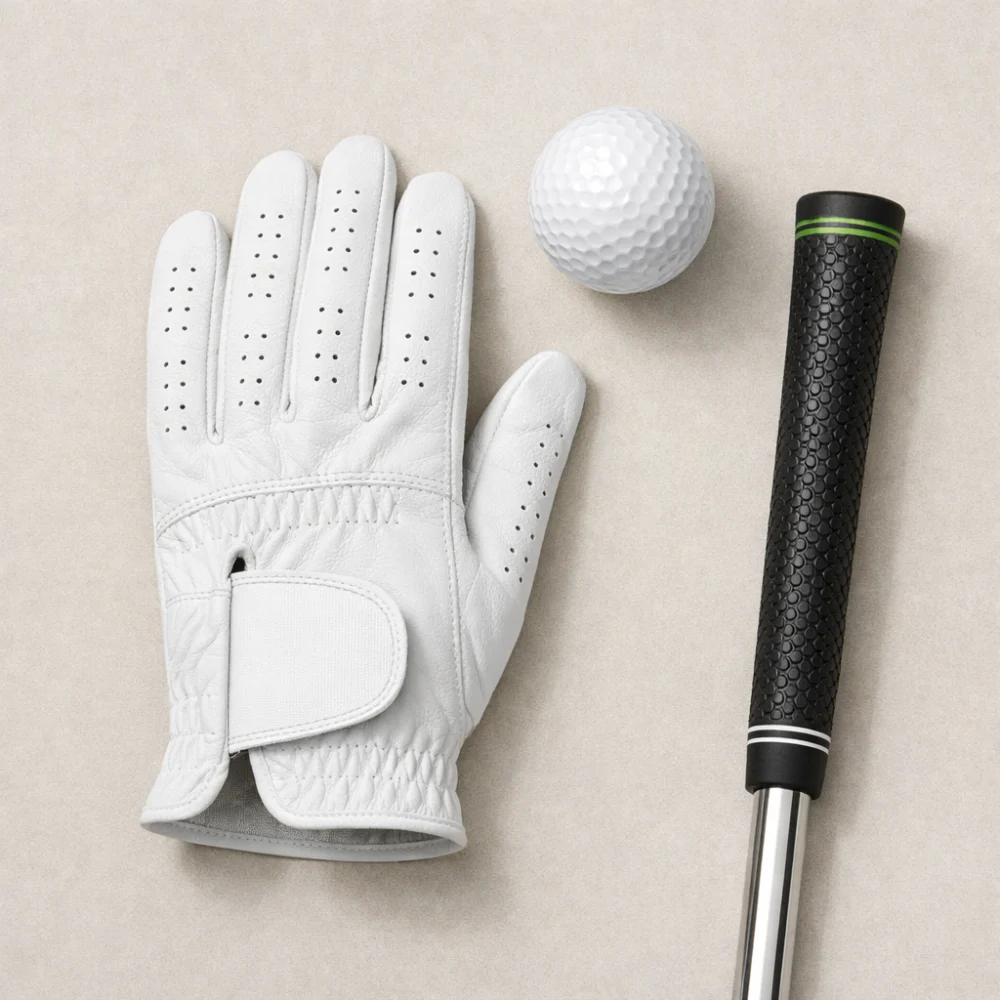
Golf gloves are a small part of your kit, but they can make a noticeable difference to how secure the club feels in your hands. Buyers usually want a balance of grip, comfort, fit and durability, and the right choice often depends on how often you play and in what conditions.
If you are replacing a worn glove, buying your first pair or choosing one for wetter weather, it helps to know which details actually matter. Golf gloves may look similar at a glance, but fit, material feel and intended use can all affect whether a glove feels right during a round.
What should you look for in golf gloves?
The best starting point is fit, followed by grip feel and the conditions you normally play in. A glove that fits well and feels comfortable is usually more useful than one that looks more specialised on paper. After that, consider whether you want a glove for general use, warmer weather, wetter conditions or occasional play. Specifications vary by model, so always check the individual product page before buying.
| Feature | What It Means | Why It Matters | What To Check |
|---|---|---|---|
| Fit | How closely the glove follows the shape of your hand | A glove that fits poorly can feel distracting or loose during the swing | Size guidance, hand orientation and whether the glove is meant for a close or relaxed feel |
| Material feel | The surface and texture against your hand | Affects comfort, flexibility and how the glove feels when gripping the club | Product description, stated material type and any notes on softness or flexibility |
| Weather focus | Whether the glove is aimed at dry, damp or mixed conditions | Some gloves are better suited to everyday play, while others are chosen for wetter rounds | Any weather claims and the conditions the glove is designed to handle |
| Durability | How well the glove is expected to cope with repeated use | Frequent players may care more about lifespan than occasional golfers | Reinforcement notes, pack size and whether the glove is sold as a value or performance option |
| Pack format | Single glove or multi-pack | Useful if you play often, want a spare or prefer to replace gloves regularly | How many gloves are included and whether you need one hand or both |
Fit is the first decision
A golf glove should feel secure without being so tight that it restricts movement. Too much looseness can reduce confidence in the grip, while an overly tight glove may feel uncomfortable for a full round. The exact fit will depend on the glove shape and sizing used by the manufacturer, so focus on the size information provided for each item.
Hand orientation matters
Golf gloves are often sold for the lead hand rather than both hands, so it is worth checking which hand the glove is intended for. Left-handed and right-handed golfers usually need different orientation. If you are buying as a gift, this is one of the easiest details to overlook.
Grip, feel and playing conditions
Different golfers prioritise different sensations. Some want a softer, more flexible feel, while others care more about a secure hold in changeable weather. A glove chosen for warmer, dry rounds may feel different from one intended for wetter conditions, so think about where and when you usually play.
Dry-weather and all-round use
An all-round glove is often the simplest choice for casual or mixed use. It is usually aimed at comfort and everyday grip rather than one highly specific condition. That makes it a sensible default if you are not yet sure what you prefer.
Wet-weather considerations
If you often play in damp conditions, look for any product notes that mention rain or weather resistance. Do not assume all gloves will perform the same way when wet. Consider whether you want a glove mainly for normal rounds or one that is specifically intended as a backup for poor weather.
Product types and variants
Within this category, the main differences are usually less about dramatic product types and more about practical variations in use.
- Single gloves: useful if you only need one replacement or want to try a particular fit before buying more.
- Pairs or multi-packs: helpful for regular golfers, spare kit or buyers looking for better value across repeated use.
- All-weather styles: aimed at golfers who want one glove to cover a wider range of conditions.
- More performance-focused gloves: may place more emphasis on close fit or feel for players who are particular about touch and control.
The main limitation is that these labels can be broad. The same description can mean different things from one product to another, so the product page matters more than the category name alone.
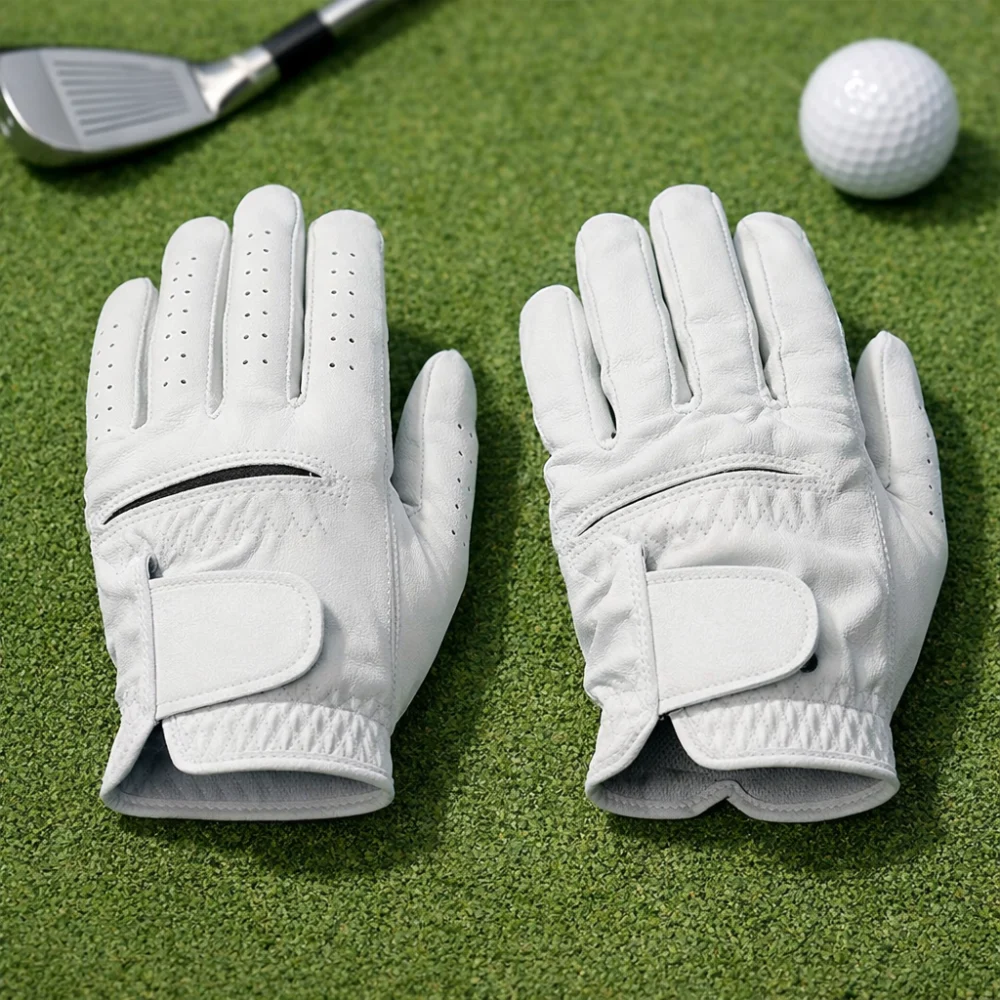
Which glove suits which buyer?
| Buyer need | What to prioritise | Why |
|---|---|---|
| Casual or occasional golfer | Comfort, simple sizing and an easy all-round option | These buyers usually want something straightforward rather than a highly specialised glove |
| Frequent player | Durability, pack format and consistent fit | Regular use makes wear and replacement more important |
| Wet or variable weather | Weather-focused product notes and grip in damp conditions | Conditions can matter as much as material feel |
| Gift buyer | Clear hand orientation and common sizing information | These reduce the chance of choosing the wrong glove |
| Budget-conscious buyer | Value packs and practical everyday features | Value is often about replacement frequency as well as purchase choice |
Common mistakes to avoid
- Choosing the wrong hand orientation: check whether the glove is for the left or right hand before buying.
- Focusing only on material: a glove can sound premium but still feel wrong if the fit is off.
- Assuming one glove suits every condition: weather and playing frequency can change what feels practical.
- Overlooking pack contents: some products are sold singly, while others are multi-packs.
- Ignoring sizing notes: different brands may describe fit differently, so use the product page details rather than assumptions.
Suitability and care considerations
Golf gloves are generally straightforward to buy, but it is still worth checking whether the glove suits your intended use. If you play often, think about how quickly you may want to replace a glove and whether a multi-pack offers a more practical option. If you only play occasionally, comfort and a simple fit may matter more than long-term durability.
For care, follow any product-specific guidance supplied by the seller or manufacturer. In general, keeping a glove clean, dry and stored sensibly can help it stay usable for longer, but the exact care approach depends on the materials used.
How to compare golf gloves efficiently
- Start with your main use: occasional play, regular rounds or wetter conditions.
- Check the hand orientation so you choose the correct glove.
- Compare fit guidance, because comfort and security matter more than appearance.
- Look at the product notes for weather focus, material feel and pack contents.
- Choose the option that matches your priorities instead of assuming the most specialised glove is the right one.
Golf glove buyer checklist
- Have I checked the correct hand orientation?
- Does the fit guidance match the size I need?
- Is this glove intended for my usual playing conditions?
- Do I want a single glove or a multi-pack?
- Have I compared comfort, grip feel and durability rather than relying on appearance?
- Have I read the individual product page for model-specific details?
Frequently asked questions
Do golf gloves have to be worn on one hand only?
Many golfers wear a glove on one hand, but the correct choice depends on the product and the player’s preference. The important thing is to check which hand the glove is designed for, because that is a common point of confusion when buying.
Should I buy a glove for wet weather if I mostly play in dry conditions?
Only if you think you will benefit from the extra weather focus. An all-round glove is often simpler for most buyers, while a weather-oriented glove can be useful as a backup or for less predictable rounds.
Is a softer-feeling glove always better?
Not necessarily. Softer gloves may feel more comfortable, but some buyers prefer a firmer feel if they want more structure. The better choice is the one that matches how you like the glove to feel during play.
Are multi-packs better value?
They can be, especially if you play often or know you will replace gloves regularly. That said, value only matters if the gloves suit your fit and usage needs, so do not choose a pack size before checking the basics.
What matters more: material or fit?
Fit usually comes first because a glove that does not sit properly will be uncomfortable regardless of material. After that, material and finish influence feel, grip and how the glove suits your playing conditions.
How can I tell if a glove is suitable for my level of play?
Look at the product description for the glove’s intended use, then match that with how often and where you play. Casual golfers often need a simple, comfortable option, while regular players may care more about consistency and durability.

