
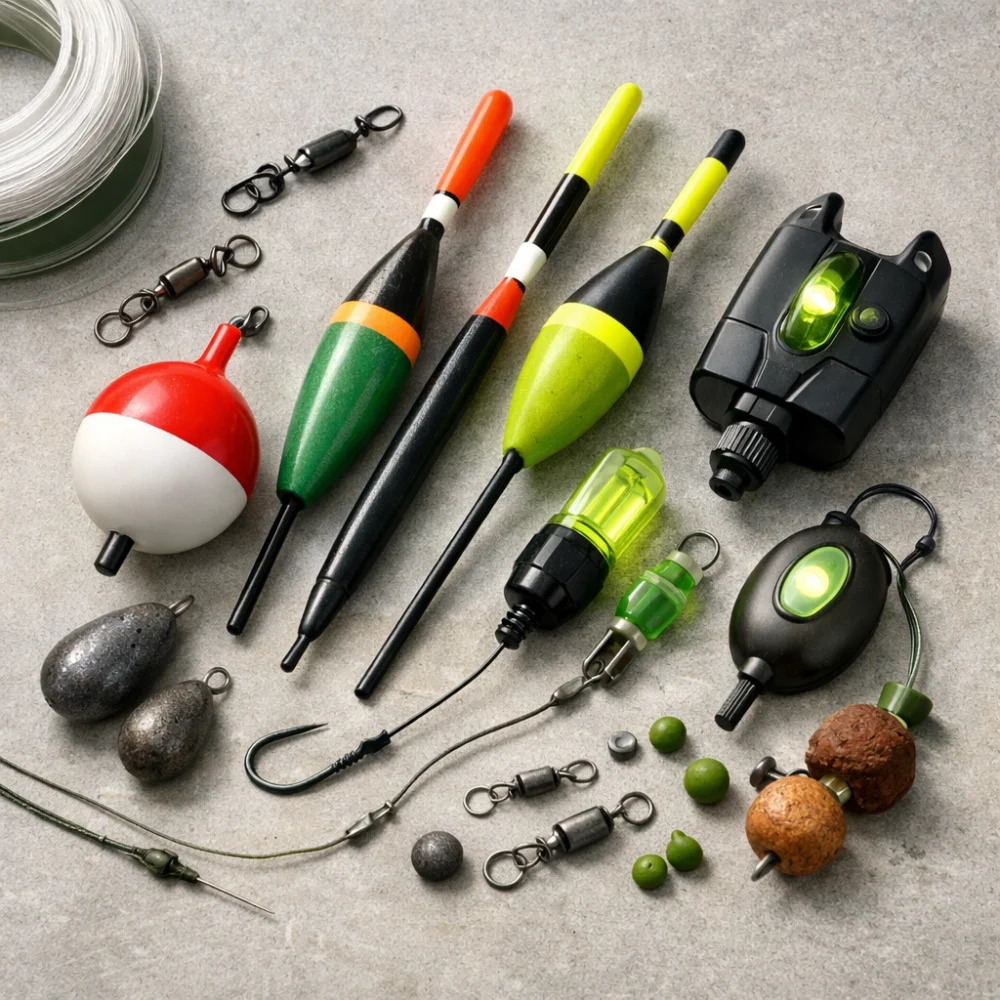
Bobbers and indicators are small but important terminal tackle items that help show when a fish has taken the bait or when a rig is moving in the water. They can also help present bait at the right depth and make subtle takes easier to spot, especially when conditions are dim or the bite is delicate.
Because this category covers more than one style of bite signal, the main buying job is to match the item to your fishing method, the water conditions and how visible you want the take to be. A simple foam bobber, a strike indicator for fly fishing or a bite indicator for stillwater and carp work may all solve different problems.
Specifications vary by model, so always check the individual product page before buying.
What should you look for in a bobber or indicator?
The best starting point is to decide whether you need flotation, bite visibility or both. After that, compare size, attachment method and how clearly the indicator should show movement. The right choice is usually the one that suits your rig and is easy to read at the distance and light level you fish in.
| Feature | What it means | Why it matters | What to check |
|---|---|---|---|
| Type | Bobber, float, strike indicator or bite indicator | Different designs suit different fishing methods | Match the style to your tackle and presentation |
| Visibility | How easy it is to see above the water | Clearer signals can make takes easier to notice | Look at size, colour and whether it is intended for low light or distance |
| Buoyancy | How much support it gives in the water | Affects balance, presentation and how the rig sits | Check whether it is suited to the bait and rig weight |
| Attachment style | How it connects to the line or rig | Influences convenience and how securely it stays in place | Confirm it suits your line setup and intended use |
| Sensitivity | How readily it shows tiny movement | Useful for subtle bites and cautious fish | Choose a design that gives enough signal without being overly bulky |
Key decision criteria explained
Type of fishing
Different fishing methods use indicators in different ways. A float for general float fishing is often chosen to help suspend bait and register a bite clearly, while a strike indicator for fly fishing is usually chosen to show small changes in drift or take. Bite indicators for carp or ledgering setups are often selected to improve bite detection rather than to support bait in the water.
Visibility versus subtlety
A highly visible indicator is useful when you want an easy visual cue from further away or in lower light. A more subtle indicator may suit situations where presentation matters and the tackle needs to look less intrusive. The trade-off is simple: more visibility can sometimes mean a larger or more noticeable item, while a smaller design can be harder to read.
Size and buoyancy
Size matters because the indicator needs to suit the rest of the rig. If it is too small, it may not support the setup well enough. If it is too large, it can change how the rig behaves in the water. Check that the product information matches the kind of bait, line and presentation you plan to use.
Attachment and adjustability
Some indicators are intended to be clipped, threaded or otherwise fixed in position, while others are meant to sit in a specific place on the line or rig. The easier it is to position and adjust the indicator, the simpler it is to fine-tune the setup for depth or bite detection. Make sure the attachment method suits your line diameter and preferred rigging style.
Durability and handling
Bobbers and indicators are usually handled often, transported in tackle boxes and exposed to water, mud and repeated casting. A practical design is one that holds its shape and remains easy to see after use. If you fish regularly, convenience and consistency may matter more than novelty features.
Types and variants within the category
This category includes a few broad styles, each with a different job.
- Bobbers and floats: Useful when flotation and bite visibility are both important.
- Strike indicators: Common in fly fishing and other delicate presentations where small movements matter.
- Bite indicators: Often used in stillwater, ledgering or carp fishing to help show a take.
- Illuminated or electronic-style indicators: Designed to improve bite detection in low light, where the exact style depends on the product.
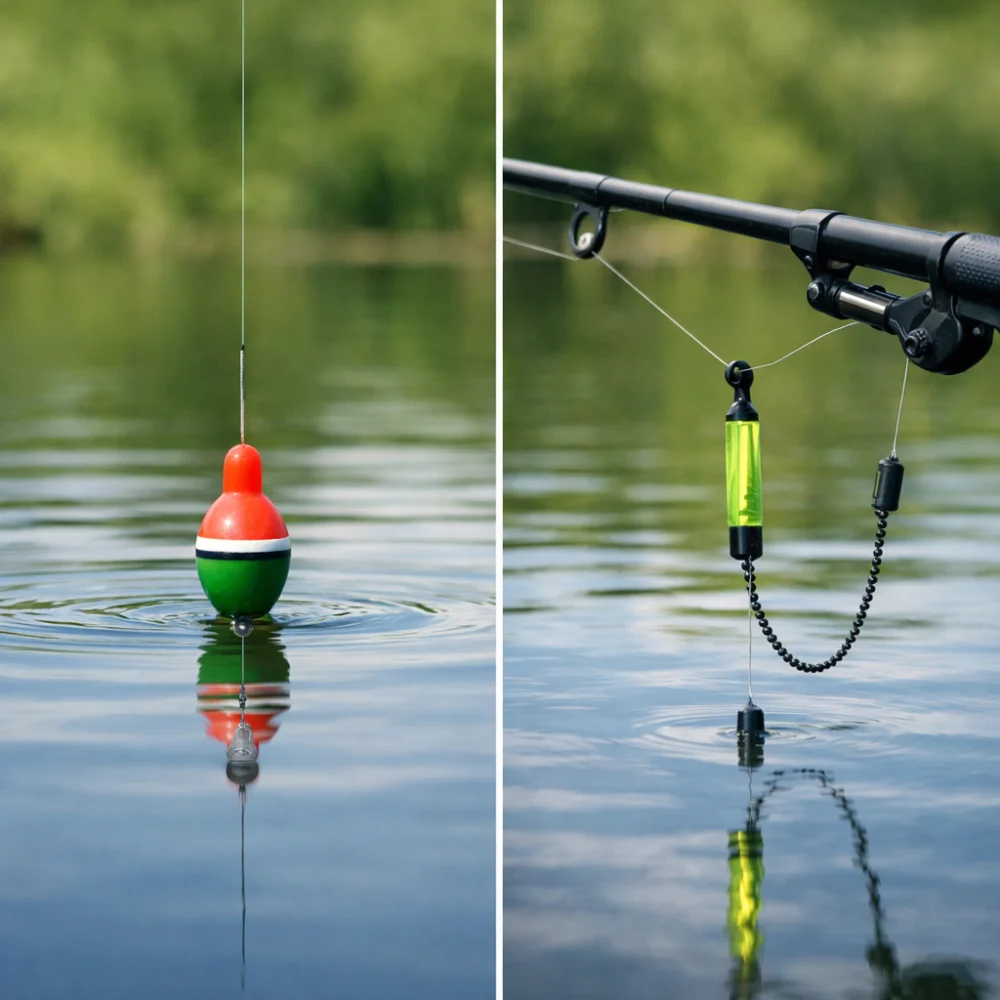
The main limitation is that no single style suits every rig. A design that works well for one method may be less suitable for another, so the fishing style should guide the choice more than the name alone.
Which option suits which buyer need?
| Buyer need | What to prioritise | Why |
|---|---|---|
| Beginner setting up a simple float rig | Clear visibility, straightforward attachment | Makes the bite signal easier to read and the setup easier to manage |
| Fly angler needing subtle drift control | Lightweight strike indication, minimal disturbance | Helps track movement without overly affecting presentation |
| Carp or specimen angler | Secure bite indication, suitable visibility at distance | Helps with longer waits and clearer bite registration |
| Angler fishing in low light | High visibility or illuminated indication | Makes detection easier when light is poor |
| Buyer replacing lost tackle | Same general type and attachment style as the original | Reduces the chance of buying something that does not fit the existing setup |
Common mistakes and misunderstandings
- Choosing by appearance alone: A bright or unusual design is not automatically better. It still needs to suit the rig and the way you fish.
- Ignoring buoyancy: If the indicator is not matched to the setup, the rig may sit poorly in the water or be harder to read.
- Assuming all indicators are interchangeable: Float fishing, fly fishing and bite indication can call for different styles.
- Overlooking attachment method: A product can look suitable but still be awkward if it does not fit the line or rig you use.
Safety and suitability caveats
Choose an indicator that is appropriate for the method you are using and the water you are fishing. If you are fishing in changing light, at distance or with very light takes, readability matters as much as the physical size of the item. Do not assume a product is suitable for every species, rig or venue; check the product page for the intended use and any stated limitations.
Maintenance, storage and lifespan considerations
These are usually simple items to keep, but they are still worth looking after. Rinse off mud or debris where appropriate, let them dry before storage and keep them in a tackle box where they will not be crushed or bent. If a design depends on clips, elastic or small fittings, think about whether those parts are easy to inspect and replace as needed.
How to compare options efficiently
- Start with your fishing method and decide whether you need a float, a strike indicator or a bite indicator.
- Check how visible the item needs to be from your usual fishing distance and light conditions.
- Compare attachment method, size and buoyancy against the rig you already use.
- Weigh simplicity against sensitivity: a more visible setup may be easier to read, while a subtler one may interfere less with presentation.
- Open the individual product page and confirm the intended use before buying.
Frequently asked questions
Are bobbers and indicators the same thing?
Not always. The terms overlap, but they can describe different items depending on the fishing method. A float, a strike indicator and a bite indicator may all serve a similar purpose, but they are not necessarily used in the same way.
Which is better for beginners?
A simple, easy-to-see option is usually the easiest place to start. Beginners often benefit from a design that is straightforward to attach and read, rather than one that is highly specialised.
Do I need a bigger indicator for longer casts?
Often visibility matters more at longer range, but bigger is not automatically better. The item still needs to suit the rig and not upset the way it behaves in the water.
Can I use one indicator for different fishing styles?
Sometimes, but not always. A multi-purpose option may work for more than one setup, yet dedicated styles can be more effective for particular methods.
What should I check before replacing an old one?
Look at the attachment style, the size and the sort of bite signal you want. If your old one worked well, replacing it with a similar type is often the safest approach.
How important is colour?
Colour mainly affects visibility. Choose a colour you can see clearly in the conditions you usually fish in, but remember that size, shape and placement also influence how easy it is to read.

