
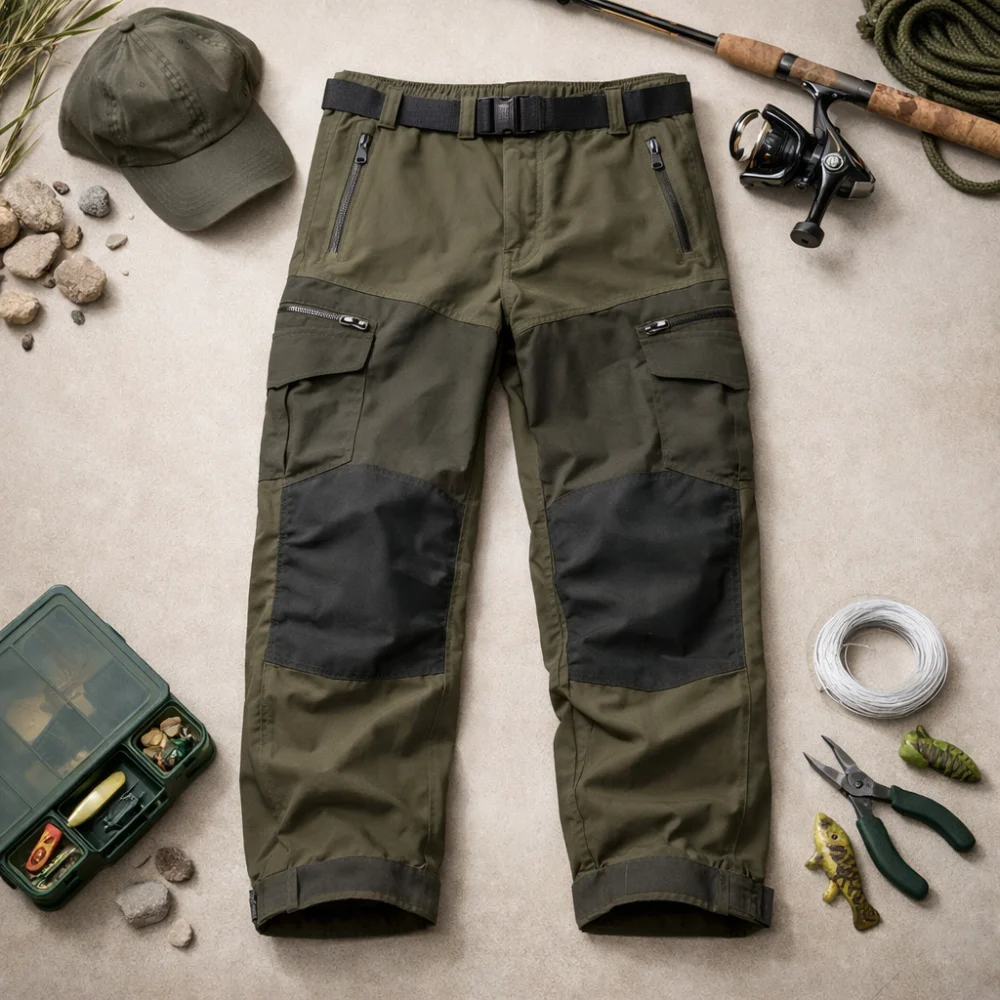
Fishing trousers are a practical layer for keeping comfortable at the water’s edge, whether you are casting from a bank, moving between swims or spending long sessions in changeable weather. The right pair should suit your fishing style without feeling restrictive or adding unnecessary bulk.
Because the category can include different styles of outdoor trouser, the main buying decision is usually about comfort, weather resistance and how much freedom of movement you need. It is worth comparing the fabric, fit and pocket layout carefully rather than choosing on appearance alone.
What should you look for in fishing trousers?
The best starting point is to match the trousers to the conditions you expect to fish in most often. Lightweight, quick-drying styles suit mild or active use, while more protective options are better if you are regularly out in wind, rain or cool weather. Fit matters too, because fishing often involves sitting, crouching and stepping over uneven ground.
Specifications vary by model, so always check the individual product page before buying.
| Feature | What it means | Why it matters | What to check |
|---|---|---|---|
| Weather resistance | How well the trousers cope with wind, drizzle or damp ground | Affects comfort in changeable outdoor conditions | Look for the level of protection described for that model and whether it suits your expected weather |
| Breathability | How easily heat and moisture can escape | Helps reduce clamminess during walking or active sessions | Check whether the fabric is described as breathable or better suited to active wear |
| Fit and movement | The cut through the waist, seat, thighs and knees | Important for squatting, kneeling and long periods of sitting | Review sizing guidance, leg shape and whether stretch or articulated design is mentioned |
| Fabric weight | How light or substantial the material feels | Influences comfort, packing and warmth | Consider whether you want a lighter all-round trouser or something more robust |
| Pockets and storage | How much usable storage the trousers provide | Useful for small tackle items, keys or personal essentials | Check pocket placement, closure type and whether the pockets are practical when seated |
| Durability | How well the material and seams should cope with regular outdoor use | Relevant if you fish often or move through rough ground | Look for reinforced areas or hard-wearing fabrics where listed |
Key decision criteria explained
Weather protection versus comfort
Some fishing trousers are aimed at keeping out light rain and wind, while others prioritise lighter wear and easier movement. More protection often means a less airy feel, so think about how often you actually need the extra coverage rather than choosing the heaviest option by default.
Fit and mobility
Fishing involves movements that ordinary casual trousers may not handle comfortably, especially when kneeling, climbing banks or sitting for long periods. A comfortable waistband and enough room through the thighs and knees usually matter more than a slim look. If you prefer to layer underneath in colder weather, allow for that in the size choice.
Fabric and finish
Fishing trousers may be made for quick drying, everyday outdoor wear or more protective use. A smooth, lighter fabric can be easier to wear in mild weather, while tougher fabrics can better resist abrasion from repeated use outdoors. Think about whether you want everyday versatility or a more specialist feel.
Pockets and practical details
Useful pockets are worth paying attention to, but more pockets are not always better. Deep, secure pockets can be more practical than numerous shallow ones, especially if you are moving around or sitting in a boat or on a bank. Check whether the pocket layout works with the way you actually fish.
Product types and variants
Within this category, you are likely to see trousers that lean towards lightweight outdoor wear, hard-wearing field style or weather-resistant overtrouser use. Each approach has its place.
- Lightweight outdoor trousers: Good for mild weather and active sessions. The trade-off is less protection in wet or cold conditions.
- Weather-resistant trousers: Useful when showers or damp grass are a regular issue. They may feel warmer or less breathable than lighter options.
- Hard-wearing field or cargo styles: Suitable if you want durability and storage for general outdoor use. They can be bulkier than simpler designs.
Choose the variant that matches your usual fishing environment, not just the weather on the day you buy them.
Which type suits different buyers?
| Buyer need | Better fit | Main reason | Trade-off |
|---|---|---|---|
| Frequent bank angler | Comfortable, durable trousers with good movement | Walking, kneeling and sitting put more demand on the fit | May be less compact than lighter casual styles |
| Fair-weather angler | Lightweight, breathable trousers | Comfort matters more than heavy protection | Less suitable if conditions turn wet or cold |
| All-season angler | Weather-resistant trousers with room for layering | More versatile across changing conditions | Can feel warmer in mild weather |
| Buyer wanting everyday outdoor use | Simple outdoor or cargo-style trousers | Useful beyond fishing as well as on the bank | May lack specialist weather features |
Common mistakes and misunderstandings
- Choosing by appearance alone: Fishing trousers need to work in real conditions, so comfort and function are more important than a tactical or outdoor look.
- Ignoring movement: A trouser that looks fine standing still may feel awkward when sitting, crouching or stepping over rough ground.
- Overbuying protection: More weather resistance is not always better if you mainly fish in mild conditions and want better breathability.
- Not checking sizing guidance: Outdoor trousers can fit differently between models, so the size information on the product page is worth reading carefully.
Safety and suitability caveats
Fishing trousers are mainly about comfort, weather protection and practical wear, but they still need to suit the conditions you fish in. If you are fishing near slippery banks, mud, rocks or deep water, make sure the trousers do not limit movement or become awkward when wet. If you plan to layer them over other clothing, check that the fit will still be comfortable.
Maintenance, storage and lifespan considerations
General care can affect how long fishing trousers stay comfortable and usable. Check the care instructions for the specific model, especially if the fabric has a water-resistant finish or special lining. After use, allow damp trousers to dry fully before storing them, and keep them clean of mud or grit so the fabric and pockets remain in good condition.
How to compare options efficiently
- Decide where and when you usually fish, including the weather you are most likely to face.
- Choose the type of trouser that fits that use: light and breathable, weather-resistant, or tougher outdoor wear.
- Compare fit, movement, pocket layout and fabric feel rather than focusing only on appearance.
- Check the product page for sizing guidance, care details and any model-specific features.
- Balance protection against comfort so you do not end up with more trouser than your fishing routine needs.
Fishing trousers buyer checklist
- Do they suit the conditions you actually fish in most often?
- Will the fit allow sitting, kneeling and walking comfortably?
- Is the fabric light enough, or protective enough, for your needs?
- Are the pockets and closures practical when you are moving or seated?
- Can you layer underneath if the weather turns colder?
- Have you checked the sizing and care information on the individual product page?
Frequently asked questions
Are fishing trousers different from ordinary outdoor trousers?
Often they are similar in style, but fishing trousers are chosen with angling comfort in mind. The main difference is usually how well they balance movement, practical storage and weather suitability for long sessions outdoors.
Should I choose waterproof or water-resistant trousers?
That depends on how much wet weather you expect. Water-resistant styles can be enough for light showers and damp conditions, while more protective trousers are better if you need greater coverage. Think about the balance between protection and breathability.
Is a looser fit better for fishing?
Not always, but trousers should allow easy movement and comfortable sitting. A fit that is too tight can feel restrictive, while a very loose fit may be awkward around gear and uneven ground. Comfort and mobility matter more than a specific style.
Do I need lots of pockets?
Not necessarily. A few well-placed, secure pockets are often more useful than many pockets that are shallow or hard to reach. Look for pocket placement that still works when you are seated or carrying other kit.
Can fishing trousers be used for other outdoor activities?
Yes, many are suitable for general outdoor use such as walking or field activities. The important thing is whether the fabric, fit and weather protection suit your main activity as well as fishing.
How should I choose the right size?
Use the product page sizing information rather than assuming your usual trouser size will be exact. If you plan to wear layers underneath, allow some extra room so the fit stays comfortable.

