
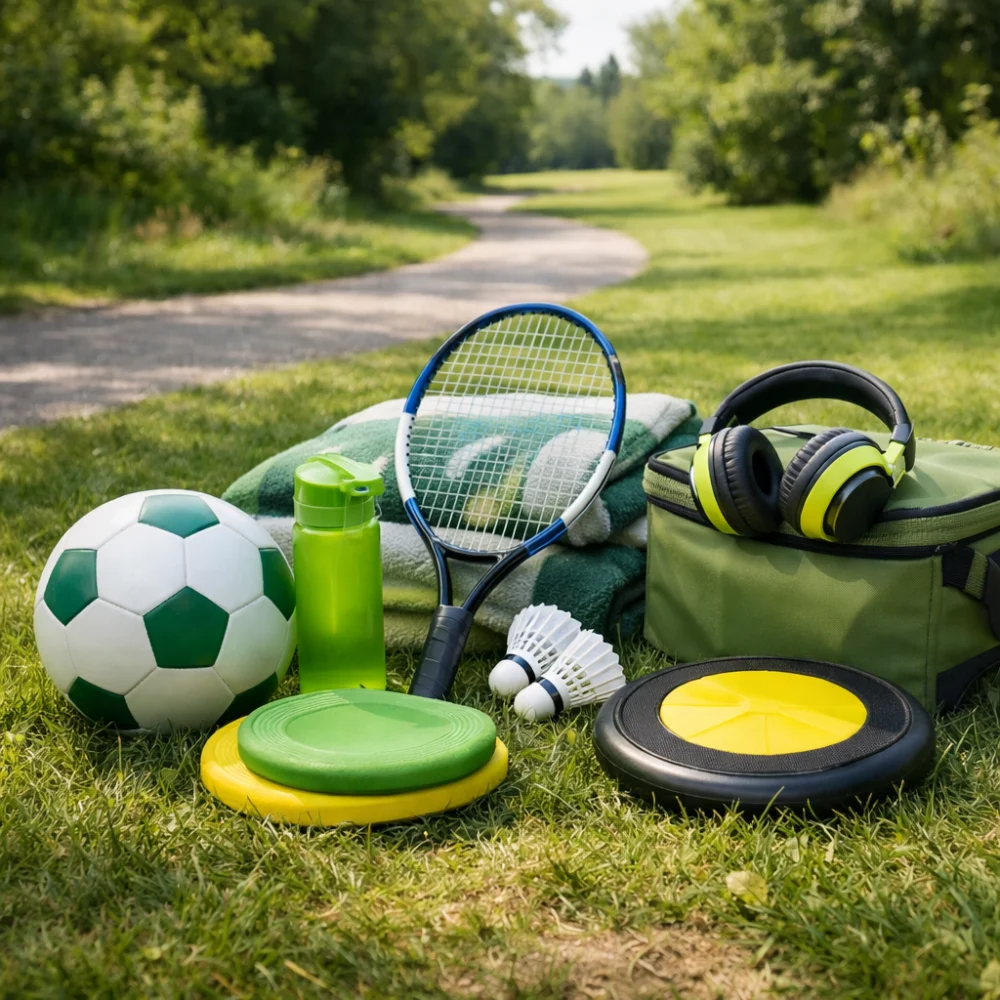
If you are shopping in the outdoor sports, leisure and entertainment range, the main challenge is usually not finding something to buy, but deciding what suits the way you want to use it. Some items are chosen for active use, some for relaxed leisure, and some for events or group fun, so the right choice depends on setting, portability, setup and how often it will be used.
This guide helps you compare options sensibly without assuming every product serves the same purpose. It focuses on practical questions such as where it will be used, who will use it, how easy it is to carry or store, and what compromises you may be making on convenience, durability or flexibility.
What should you look for first?
Start with the intended use, then narrow the choice by how and where the item will be used. For outdoor and leisure products, the most helpful filter is often whether you need something for occasional fun, regular recreation, family use, travel or a more specific activity. After that, compare size, setup, portability, comfort and any compatibility or accessory needs. Specifications vary by model, so always check the individual product page before buying.
| Feature | What it means | Why it matters | What to check |
|---|---|---|---|
| Intended use | The main activity or setting the product is designed for | Helps you avoid choosing something that is awkward for your actual plans | Whether it is for casual use, regular use, travel, family time or a specific activity |
| Portability | How easy it is to carry, move or transport | Important if you will take it to parks, venues, holidays or different locations | Weight, packed size, carry method and whether storage space is limited |
| Setup and convenience | How much preparation is needed before use | Some buyers value quick use more than extra features | Assembly needs, setup time, accessory requirements and whether it suits the user’s patience level |
| Durability | How well the item may stand up to repeated use | Useful when buying for frequent use, children or shared use | Materials, finish, replacement parts and how the product should be stored |
| User fit | How suitable it is for the person or group using it | Comfort and ease of use affect whether it gets used regularly | Age suitability, size, handling, comfort and whether one person or several people will use it |
Key decision criteria
Think about the setting first
Outdoor and entertainment products can behave very differently depending on where they are used. A product that works well in a garden, park or campsite may be less convenient for travel, while something compact and lightweight may be less comfortable for longer sessions. Choosing with the setting in mind helps you avoid overbuying features you will not use.
Balance convenience against features
More features are not always better if they make the item heavier, larger or slower to use. If you want a simple experience, a straightforward design may be the best fit. If you want more versatility, be prepared to check whether that flexibility comes with extra setup, more parts or more storage needs.
Check who will be using it
Some products are mainly suited to one person, while others are better for families, groups or shared activities. The right choice can depend on ease of handling, comfort, supervision needs and how forgiving the product is for new users. If the product will be passed around, a robust and easy-to-understand design is often more practical than a highly specialised one.
Look for any accessory or consumable needs
Some leisure items are ready to use on their own, while others may need extra equipment, replacement parts or regular supplies. That does not make them poor choices, but it does change the real cost and convenience of ownership. Checking what is included, what is optional and what must be bought separately helps avoid surprises.
Common product types and variants
Because this category is broad, the main differences are usually about use, scale and portability rather than a single technical standard. In practical terms, buyers often choose between compact items for easy transport, larger items for more comfort or presence, and simpler items for casual use. The right type depends on whether you value convenience, group use, or a more involved experience.
If two products seem similar, compare the details that affect everyday use rather than the broad product name. Small differences in setup, storage, handling and durability often matter more than general descriptions.
Choosing by buyer need
| Buyer need | What to prioritise | Likely trade-off |
|---|---|---|
| Casual weekend use | Simplicity, easy storage and quick setup | May give up some durability or extra features |
| Family or group use | Ease of sharing, comfort and straightforward handling | May need more space and planning |
| Travel or portable use | Light weight and compact packing | May feel less substantial or less feature-rich |
| Frequent use | Durability and practical build quality | May cost more in time, money or storage space |
| Gift buying | Broad appeal and easy-to-understand use | May be less tailored to specialist preferences |
Common mistakes and misunderstandings
- Choosing by name alone: a broad category label does not tell you how the product will feel or where it works best. Check the details that affect day-to-day use.
- Focusing only on appearance: a product can look suitable but still be awkward to carry, store or set up.
- Ignoring the real user: the needs of a child, beginner, regular user or group may be very different from the needs of a single adult buyer.
- Overlooking what is included: accessories and extra parts can change how convenient the purchase is once it arrives.
- Assuming every version works the same way: similar products can differ in size, handling and maintenance, so compare the individual product page carefully.
Safety and suitability caveats
For outdoor and leisure products, suitability depends on the setting, the user and the way the item will be handled. Check whether the product matches the intended activity, whether it is appropriate for the people who will use it, and whether it needs extra supervision or care in use. If the product will be used outdoors, consider weather exposure, storage space and how easy it is to keep in good condition.
Maintenance, storage and lifespan considerations
General care can make a noticeable difference to how well outdoor leisure products stay usable. Think about whether the item needs drying, cleaning, safe storage away from damp or regular checks for wear. If the product depends on accessories, batteries or other consumables, make sure you are comfortable with that ongoing upkeep before buying.
How to compare options efficiently
- Decide what the product is mainly for and where it will be used.
- Choose the type that suits that use, rather than starting with the most feature-rich option.
- Compare the practical details: size, portability, setup and any accessory needs.
- Think about who will use it and how often it is likely to be used.
- Check the individual product page for the final details before you decide.
Buyer decision checklist
- Does the item suit the activity or setting you have in mind?
- Is it easy enough to carry, store or set up for your needs?
- Does it suit the intended user or group?
- Are there accessories, consumables or extra parts to consider?
- Is the level of durability appropriate for how often it will be used?
- Have you checked the individual product page for the exact details?
Frequently asked questions
How do I choose the right item if I am buying for the first time?
Start with the simplest question: what will it mainly be used for? Once that is clear, compare the options that fit that use and ignore features that do not matter to you. Beginners usually benefit from products that are easy to understand, easy to store and not overcomplicated.
What matters more: portability or durability?
It depends on how you will use the product. If you will transport it often, portability may matter most; if it will be used frequently or shared, durability may be more important. The right balance is usually the one that suits your real routine, not the one with the most features.
Should I choose the smallest option available?
Not always. Smaller items are often easier to carry and store, but they may be less comfortable, less stable or less convenient for group use. Choose the size that fits your setting and the people using it, not just the one that looks easiest to keep.
How can I tell whether a product is good for family use?
Look for straightforward handling, comfort and a design that does not require much specialist knowledge. Family use often benefits from products that are easy to share and simple to put away. Also check whether the product is suitable for the ages and abilities of the people involved.
What should I check if the product needs accessories?
Find out what is included, what is optional and what you may need to buy separately. That helps you compare the real cost and convenience of ownership. It also avoids choosing an item that seems complete but needs extra parts before it can be used as intended.
Why do similar products sometimes feel very different?
Small design differences can affect comfort, setup, storage and ease of use. Two products with similar names may suit different situations or user types. Reading the individual product page carefully is the best way to spot those differences.
Is a more expensive option always better?
Not necessarily. A higher price may reflect extra features, more durable materials or a different use case, but it may also include things you do not need. The better choice is the one that matches your needs with the fewest compromises.

