
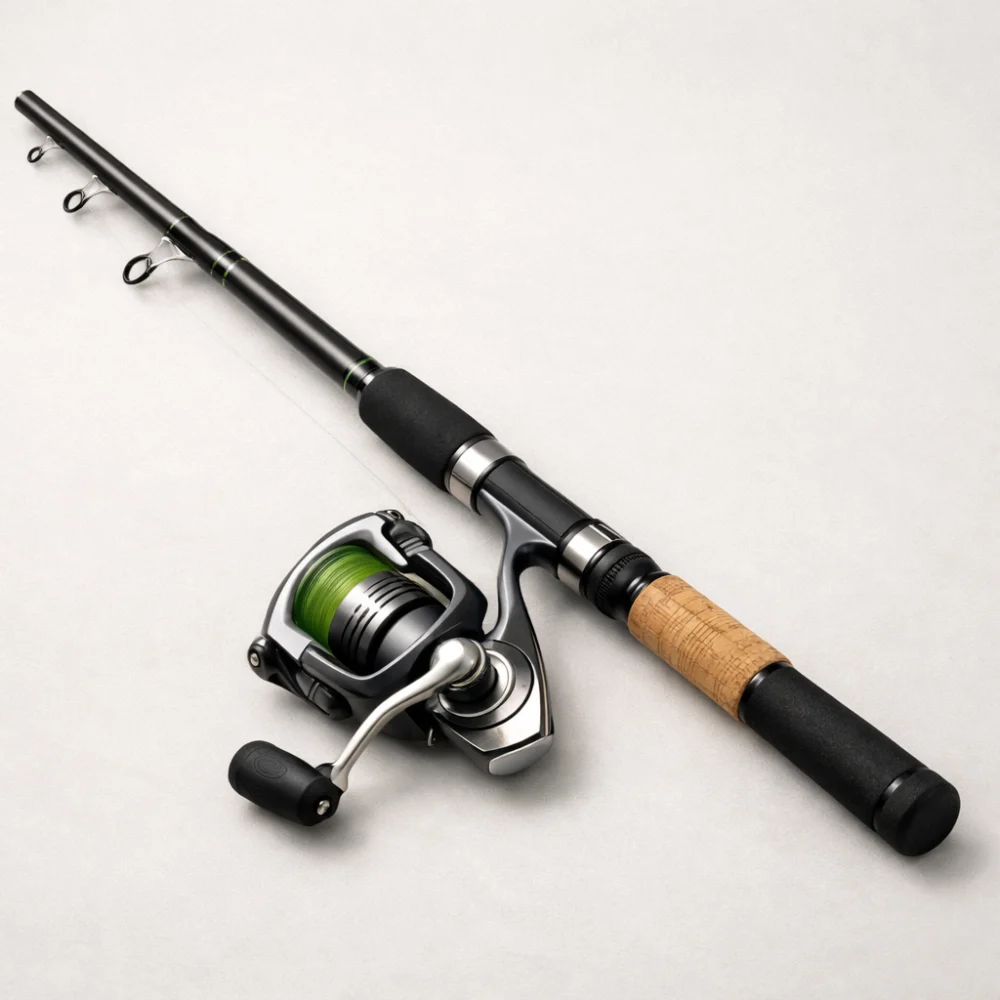
Rod and reel combos are a straightforward way to buy a matched fishing setup without selecting each component separately. They are often chosen by beginners, casual anglers and anyone who wants a convenient replacement or a ready-to-use setup for a particular style of fishing.
This guide explains how to compare combos by use, rod type, reel type and portability. It also highlights the details that matter on the individual product page, so you can avoid buying a setup that feels awkward for your usual fishing.
Because combo listings can vary a lot, it helps to focus on the fishing style first and the extras second. That makes it easier to spot whether a combo suits coarse fishing, lure fishing, travel use or a simple starter setup.
What should you look for in a rod and reel combo?
Start with the fishing method you actually plan to use, then check that the rod length, action and reel style suit it. A combo is usually the easiest choice when you want matched gear with fewer compatibility worries, but it still pays to compare the practical details. Specifications vary by model, so always check the individual product page before buying.
| Feature | What It Means | Why It Matters | What To Check |
|---|---|---|---|
| Intended fishing style | The type of fishing the combo is designed to support | It affects how the rod and reel feel together and whether the setup suits your waters | Look for clues such as coarse, lure, carp, travel or beginner use |
| Rod length | How long the rod is when assembled | Length affects casting feel, transport convenience and how the rod handles close-range or longer-range fishing | Check the stated length and think about where you will fish most often |
| Rod action and power | How much the rod bends and how firm it feels | These traits influence casting control, bite detection and how forgiving the rod feels | See whether the product page describes the action or intended lure/load use |
| Reel type | The kind of reel included in the combo | Different reel styles suit different fishing methods and user experience levels | Confirm that the reel type matches the style of fishing you want to do |
| Packability | How easy the combo is to carry and store | Important if you travel, walk to swims or have limited storage space | Check whether the rod breaks down, telescopes or includes a case |
| Included extras | Any line, lures, tackle or accessories bundled with the combo | Extras can improve convenience, but they should not distract from the suitability of the core setup | Read exactly what is included and avoid assuming all accessories are part of the package |
Key decision criteria explained
Match the combo to the fishing method
The most important decision is not the brand name or the number of extras; it is whether the combo matches your intended style of fishing. A setup that suits lure fishing may feel very different from one aimed at carp or general coarse fishing. If you already know your method, that narrows the field quickly.
Check rod length and transport needs
Longer rods can offer more reach and leverage, but they are less convenient to carry and store. Shorter rods can be easier to handle in tight spaces, on day trips or in travel situations. Think about your car boot, storage at home and the places where you usually fish.
Look at reel style and comfort
The reel should feel natural for your experience level and the fishing style you use most often. Some anglers prefer the simplicity of a balanced all-round setup, while others want a combo chosen for a specific method. A comfortable grip and a setup that feels balanced in the hand are often more valuable than extra accessories.
Understand what the bundle adds
Some combos are sold as a bare matched rod and reel, while others include line, cases or small tackle items. Bundles can be convenient for first-time buyers, but the extra items should be treated as a bonus rather than the main reason to buy. Check whether the included accessories meet your needs or whether you would still want to replace them.
Common combo types and variants
Within this category, the biggest differences usually come from the fishing style, the rod format and how portable the setup is. You are likely to see combinations aimed at general use, beginner use, travel use or more specialised fishing methods.
- General-purpose combos: Useful if you want a simple all-round setup for occasional fishing, but they may not be the most refined choice for a specific technique.
- Beginners’ combos: Handy when convenience matters most, although the included extras may be basic rather than premium.
- Travel or compact combos: Easier to store and carry, but compactness can sometimes mean a different feel in use.
- Method-specific combos: Better suited to a particular style of fishing, though they may be less flexible if your needs change.
Which combo suits different buyer needs?
| Buyer need | What to prioritise | Likely trade-off |
|---|---|---|
| New to fishing | Ease of use, clear bundle contents and a setup matched to a common fishing style | Less room for fine-tuning individual parts |
| Occasional or holiday angler | Portability, simple storage and a compact package | May sacrifice some casting feel or specialist performance |
| Upgrading from very basic gear | Better balance, more appropriate rod length and a reel that feels smoother to use | Higher cost for features you may not fully use yet |
| Gift buyer | A clear all-in-one package with obvious intended use | Risk of choosing a combo that does not match the recipient’s preferred fishing style |
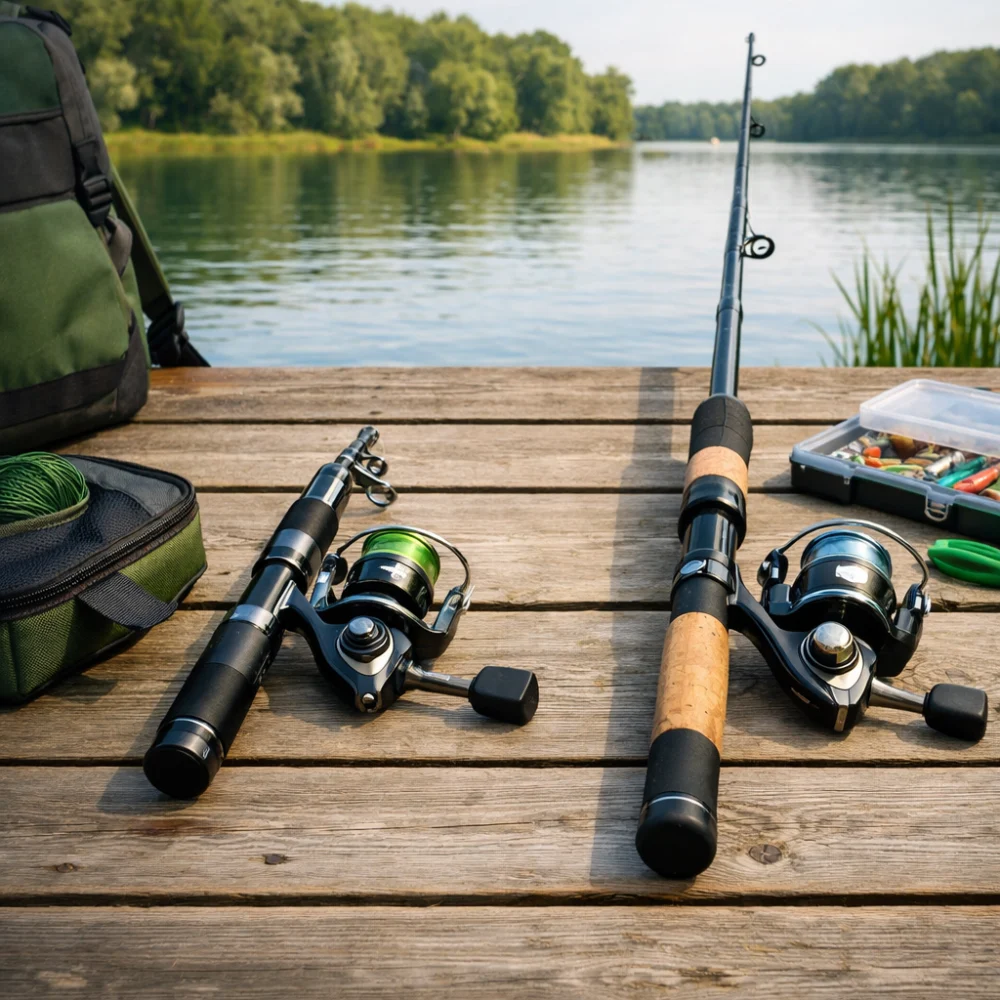
Common mistakes and misunderstandings
- Buying for the bundle, not the method: Extra items can be useful, but the core rod and reel still need to suit the fishing you plan to do.
- Assuming all combos are beginner-friendly: Some are designed for more specific techniques and may not feel simple for a first-time user.
- Ignoring transport and storage: A good fishing setup can be awkward if it is hard to carry, store or fit in the car.
- Overlooking the reel type: The reel matters just as much as the rod, so it should not be treated as a minor add-on.
Safety and suitability caveats
Choose a combo that fits the environment where you fish and the kind of use you expect. If you are buying for a younger angler or someone inexperienced, favour a setup that is easy to handle and clearly described on the product page. Do not assume that a combo marked for one style of fishing will perform equally well in another setting.
Maintenance, storage and lifespan considerations
A combo is easier to look after when the rod, reel and any included accessories are stored together. Before buying, think about whether you have a safe place to keep it dry and protected from knocks. If the listing includes line or small tackle items, remember that these may need replacing sooner than the rod and reel themselves.
How to compare options efficiently
- Decide which fishing style you want the combo for.
- Check whether the rod length and portability suit where you fish.
- Compare the reel type and overall balance of the setup.
- Look at the included extras and decide whether they add real value.
- Read the individual product page closely before choosing.
Summary buyer decision checklist
- Does the combo suit your main fishing method?
- Is the rod length practical for your usual fishing spots?
- Does the reel type match your experience and preference?
- Is the setup easy to carry, store and transport?
- Are the included extras genuinely useful to you?
- Have you checked the individual product page for the exact specification?
Frequently asked questions
Are rod and reel combos a good choice for beginners?
Yes, they can be a sensible starting point because the rod and reel are already matched. That reduces the chance of choosing incompatible parts separately. The main thing is to make sure the combo suits the kind of fishing you actually want to try.
Is a combo better than buying a rod and reel separately?
It depends on how specific your needs are. A combo is usually simpler and more convenient, while separate purchases can give you more control over each part. If you are unsure, a combo can be a practical way to start.
What matters most when choosing a combo?
The fishing style matters most, followed by rod length, reel type and portability. Those are the features that affect how comfortable and useful the setup will feel. Extras are worth checking, but they should not outweigh the core match between rod and reel.
Should I choose a compact combo if I travel or walk to fish?
Often yes, because portability can make the setup easier to carry and store. The trade-off is that compact designs may feel different in use from longer, more traditional rods. Check the product page for how the rod packs down or stores.
Do all rod and reel combos include line and accessories?
No, not necessarily. Some are sold as a simple matched rod and reel, while others include added items such as line or tackle. Always read the listing carefully so you know exactly what is included.
How do I avoid buying the wrong type of combo?
Start with the fishing method rather than the appearance of the set. Then check the rod length, reel style and any stated use cases on the product page. If any detail is unclear, it is better to pause and compare another option.

