
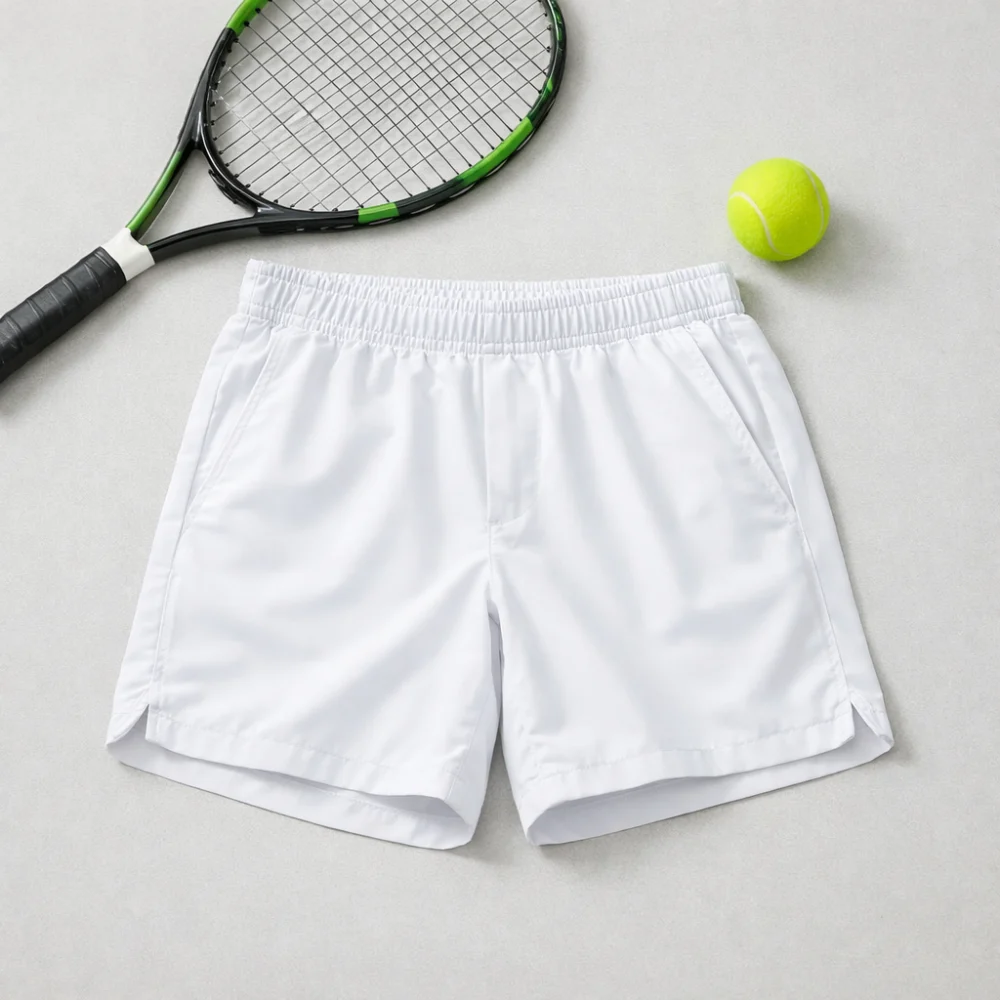
Men’s tennis shorts are a simple part of your kit, but the right pair can make a noticeable difference to comfort and movement on court. If you are choosing for regular club play, training sessions or match days, it helps to focus on fit, fabric feel and how much storage you want.
This guide stays within the category of men’s tennis shorts and helps you compare the options without getting lost in style details that do not affect play. The main question is not which pair looks the most similar to a pro kit, but which one feels comfortable and practical for the way you play.
Specifications vary by model, so always check the individual product page before buying.
What should you look for in men’s tennis shorts?
The best starting point is usually a balance of freedom of movement, comfort and practical features such as pockets. A lighter, simpler short may suit players who want less distraction, while others may prefer a roomier cut or more secure pocket design. The main trade-off is often between a cleaner, lighter feel and extra features that add convenience.
| Feature | What it means | Why it matters | What to check |
|---|---|---|---|
| Fit | How close or relaxed the shorts feel at the waist, seat and thigh | Affects comfort, range of movement and how secure the shorts feel when you sprint or change direction | Product sizing information, cut description and any notes about stretch or looseness |
| Fabric feel | The general feel and drape of the material | Helps you decide whether you prefer a lighter, smoother or more structured short | Fabric description and any comfort or moisture-management details on the product page |
| Pockets | Presence and style of storage | Important if you want to carry tennis balls between points or prefer a more practical everyday short | Whether pockets are listed, how they are shaped and whether they look deep enough for your needs |
| Waistband | How the shorts are held in place | Influences comfort and security during movement | Whether the waistband is elasticated, drawcord-adjustable or described in another way |
| Length | Where the hem sits on the leg | Changes freedom of movement and the overall feel of the shorts | Product images, fit notes and any length information provided |
Key decision criteria
Fit and movement
Tennis asks for repeated bending, lunging and side-to-side movement, so the fit should support those motions without feeling restrictive. A roomier short may feel easier on court, while a more shaped fit can feel tidier and less bulky. The right choice depends on whether you value open movement, a neater silhouette or a bit of both.
Fabric and comfort
Shorts in this category are usually chosen for comfort in active use, but that comfort is still personal. Some buyers prefer a softer, more relaxed feel, while others want a smoother fabric that stays out of the way. Look for product-page details about material blend, stretch and any comfort-focused features rather than assuming every short will feel the same.
Pockets and practicality
Pockets matter more in tennis than in many other shorts because players often need a place for balls between points. If you carry balls frequently, check whether the pockets are deep, secure and easy to use while moving. If you only wear the shorts for warm-ups or casual use, a simpler pocket setup may be enough.
Waist fit and adjustability
A comfortable waistband can make a bigger difference than many buyers expect, especially if you play for long sessions. Elasticated waists, drawcords or other adjustment details can help with fit, but the key is whether the short feels stable when you move. Check the product page for how the waist is described and whether fit advice is provided.
Common types and variants
There is usually more variation in feel than in basic purpose. Within men’s tennis shorts, buyers often choose between simpler training-style shorts and more tennis-specific designs with a stronger court focus.
- Simpler athletic shorts: Often a good choice if you want an easy, versatile short that can also work for warm-ups or general sport use.
- Tennis-focused shorts: May be a better fit if you want the details most associated with on-court play, especially pocket practicality and movement-friendly shaping.
- Longer or shorter cuts: The hem length changes the feel and can affect how mobile or covered you prefer to feel on court.
The most useful distinction is usually not the label on the product title but how the short is cut and finished.
Choosing by player need
| Buyer need | What to prioritise | Why |
|---|---|---|
| Regular club player | Comfortable fit, reliable waistband, practical pockets | These features matter most across repeated sessions and match play |
| Training and drills | Freedom of movement and a light, uncomplicated feel | Less distraction is often more useful than extra detail |
| Match-day use | Secure fit and easy access to pockets | Small practical details become more noticeable under pressure |
| Casual or mixed sports use | Versatility and straightforward comfort | You may want a short that works beyond tennis as well |
Common mistakes and misunderstandings
- Choosing on appearance alone: A clean-looking short is not automatically the most comfortable. Check fit and pocket details as well.
- Ignoring pocket shape: Not all pockets behave the same in play. If you often carry balls, look for shorts that are clearly designed with that use in mind.
- Assuming every tennis short feels the same: Different cuts and fabrics can change the experience a lot, even within one category.
- Overlooking the waist: A short can look right in the size guide but still feel wrong at the waistband. Fit details matter.
Safety and suitability notes
Men’s tennis shorts are a low-risk purchase, but the right choice still depends on your intended use. If you play in hot weather, prefer longer sessions or are sensitive to fit, comfort and fabric feel become more important. For any model-specific detail, check the individual product page rather than assuming the same construction across the whole category.
Care, storage and lifespan considerations
Shorts in this category are usually straightforward to look after, but the exact care needs depend on the material and finish. If you want them to last well, think about how often you will wash them, whether they need careful drying and whether you want a pair for frequent training or occasional matches. Care instructions on the product page or label should always take priority.
How to compare options efficiently
- Start with how you will use the shorts most often: match play, training or casual wear.
- Decide whether fit, pocket practicality or a lighter feel matters most.
- Check the product page for waistband details, cut description and any fabric information.
- Compare the trade-offs between a simpler short and one with more on-court features.
- Confirm the size guidance and any model-specific notes before you buy.
Summary buyer checklist
- Does the fit suit your movement and comfort preference?
- Are the pockets suitable for the way you play?
- Is the waistband style likely to feel secure?
- Does the cut and length look right for your use?
- Have you checked the individual product page for model-specific details?
Frequently asked questions
Are tennis shorts different from regular sports shorts?
Often, yes, but the difference is usually about design priorities rather than a strict rule. Tennis shorts tend to place more emphasis on movement and practical pocket use during play. Some shorts sold for general training can still work well, so check the product description rather than relying on the label alone.
Should I choose a tighter or looser fit?
That depends on how you like to move and what feels comfortable over a long session. A looser fit can feel less restrictive, while a neater fit may feel more controlled. The best choice is the one that stays comfortable when you are bending, lunging and changing direction.
Do pockets matter for tennis?
They can matter a lot if you carry balls between points or want a short that works well on court. Pocket shape and depth are worth checking because not every pair handles movement the same way. If you mostly wear the shorts off court, pockets may be less important.
How important is the fabric?
Quite important, because fabric affects how the shorts feel in motion and how comfortable they are during longer sessions. Some buyers prefer a smoother feel, while others care more about stretch or general comfort. Look for the product page to explain the material rather than assuming all tennis shorts will feel similar.
Can I use tennis shorts for other sports?
Often you can, especially if the design is simple and comfortable. The main question is whether the fit and pocket setup suit the other activity as well as they suit tennis. If you want one pair for multiple uses, versatility may matter more than a highly tennis-specific design.
What should I check if I am buying as a gift?
Focus on size guidance, fit preference and whether the person plays tennis regularly. A practical, straightforward short is usually safer than a highly specific style if you are unsure. It also helps to check whether they prefer a relaxed or neater fit.
How do I avoid choosing the wrong size?
Use the size information on the individual product page and pay attention to any fit notes. If the listing mentions a relaxed or slim feel, that can affect how the size will wear in practice. When in doubt, compare the measurements or guidance provided for that model.

