
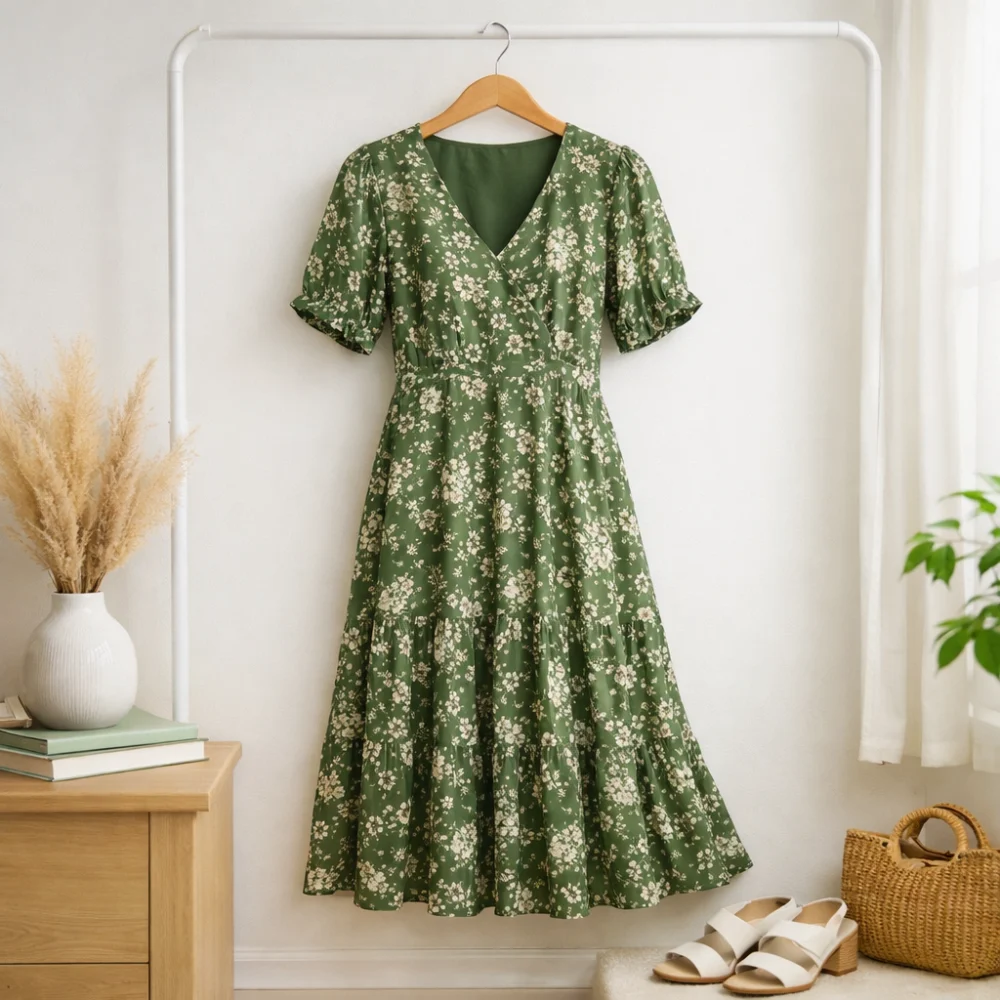
Midi dresses sit in a useful middle ground: longer than a mini dress, usually easier to wear than a very long style, and often versatile enough for everyday wear, holidays and smarter casual occasions. That makes them popular with buyers who want one dress length that can work in more than one setting.
This guide focuses on the choices that matter most when comparing midi dresses. It helps you think about where you will wear the dress, how much coverage you want and which details are likely to affect comfort and styling.
What should you look for in a midi dress?
The best starting point is the balance between length, fit and fabric. A midi dress can feel relaxed, structured or dressy depending on how it is cut and what it is made from, so the same length may suit very different needs. If you are unsure, begin with the occasion and the amount of coverage you want, then narrow down the neckline, sleeve style and silhouette.
Specifications vary by model, so always check the individual product page before buying.
| Feature | What it means | Why it matters | What to check |
|---|---|---|---|
| Length | Where the hem sits on the leg | Affects coverage, movement and how formal the dress feels | Look for length descriptions and consider your height and footwear |
| Fit | How closely the dress follows the body | Changes comfort, silhouette and how easy it is to wear all day | Check whether it is described as fitted, relaxed, A-line or empire-line |
| Fabric | The material and how it drapes | Influences comfort, breathability and how the dress hangs | Review fabric notes and any care guidance on the product page |
| Neckline and sleeves | The upper-body shape and arm coverage | Affects style, modesty and seasonal comfort | Compare V-neck, crew neck, sleeveless and short-sleeve options |
| Fastening and details | Features such as ties, buttons or pockets | Can improve practicality or alter the overall look | Check the description carefully for functional details that matter to you |
Key decision criteria
Length and proportion
Midi length is not one fixed measurement in practice. On different people it can fall below the knee, mid-calf or somewhere between, which changes the look quite a lot. If you prefer more movement, check whether the hem is likely to sit where you want it in relation to your height and the shoes you plan to wear.
Fit and silhouette
Some midi dresses skim the body, while others are shaped with a fuller skirt, waist definition or a looser cut. A more fitted style can feel neater and more structured, while a relaxed shape may be easier for casual wear and warmer weather. Think about whether you want the dress to define the waist, drape softly or simply sit comfortably.
Fabric and comfort
Fabric has a big effect on how wearable a dress feels through the day. Lighter fabrics often feel cooler and more casual, while thicker or more structured fabrics can look smarter and hang differently. If comfort matters most, check the fabric description and any care guidance carefully.
Neckline, sleeves and coverage
These details shape both the appearance and the practical feel of the dress. A V-neck can feel more open, while a crew neck or higher neckline gives a more covered look. Sleeveless, short-sleeve and flutter-sleeve styles can all work well, but they suit different temperatures, layering preferences and levels of formality.
Common midi dress variants
Within midi dresses, the main variation is usually the overall cut rather than a completely different product type. An A-line style is often chosen for ease and movement, while a shirt-style or more tailored midi can feel a little sharper. Casual printed versions tend to suit relaxed wear, while plainer styles are often easier to dress up or down.
If you are comparing options, do not assume the same word means the same fit across every listing. Terms such as “casual”, “summer”, “wrap”, “bodycon” or “A-line” describe the intended shape or style, but the exact result still depends on the individual garment.
Which midi dress suits which buyer?
| Buyer need | Often suits | Why it helps | What to look for |
|---|---|---|---|
| Everyday casual wear | Relaxed, breathable styles | Comfort and ease matter more than a sharply tailored look | Simple shapes, easy-care fabrics and practical details |
| Smarter daywear | Cleaner lines and more structured cuts | Looks more polished without moving into formalwear | Neat neckline, defined waist and less casual detailing |
| Holiday or warm-weather wear | Light, easy-moving styles | Comfort, packing ease and versatility are important | Fabric feel, sleeve length and how the dress layers |
| Modest coverage preference | Longer hems and more covered upper-body shapes | Provides a more covered silhouette without losing the midi length | Neckline height, sleeve style and hem position |
Common mistakes to avoid
- Assuming midi means the same length for everyone. The same dress can look quite different depending on height and body shape, so check the product details rather than relying on the name alone.
- Focusing only on the print or colour. A dress may look appealing but still feel wrong if the fit, neckline or fabric does not match your needs.
- Overlooking the occasion. Some midi dresses are clearly casual, while others are more versatile or polished. Match the overall style to how you plan to wear it.
- Ignoring care and fabric notes. A dress that looks right on screen may still be a poor fit for your routine if it needs more care than you want to give it.
Suitability and buying caveats
Midi dresses are generally flexible, but their usefulness depends on how they are cut and styled. A light summer midi may feel ideal in warm weather, yet less practical if you want more coverage or something that layers easily. Likewise, a more fitted style may suit one buyer and feel restrictive to another.
Consider whether the dress will be worn with flats, trainers or heels, because that can change how the length sits and how the overall outfit looks. If the listing does not give enough detail for your needs, treat that as a sign to compare a few options before deciding.
Care, storage and wear over time
General care affects how long a midi dress stays looking good. Some styles will be easier to wash, hang and store than others, and fabrics can behave differently after repeated wear. If you want a low-fuss option, look for straightforward care instructions and a fabric that suits your routine.
It can also help to think about crease resistance, layering and seasonality. A dress you wear often should be comfortable, easy to keep in shape and suitable for the settings you expect to use it in most.
How to compare midi dresses efficiently
- Start with the main use: everyday wear, holidays, smart casual or something more specific.
- Decide the level of coverage and the silhouette you prefer.
- Compare fabric, neckline, sleeves and any practical details such as pockets or fastenings.
- Check the product page for fit clues, care notes and any description that affects comfort.
- Choose the option whose trade-offs best suit how often and where you will wear it.
Summary buyer checklist
- Does the length suit your height and the shoes you plan to wear?
- Is the fit relaxed, shaped or fitted in the way you want?
- Does the fabric sound comfortable for the weather and setting?
- Does the neckline and sleeve style give the coverage you prefer?
- Are any details, such as pockets or fastening style, important to you?
- Does the overall style match the occasion you have in mind?
- Have you checked the individual product page for the details that matter most?
Frequently asked questions
Are midi dresses suitable for everyday wear?
Yes, many midi dresses work well for everyday wear because they balance coverage with ease of movement. A relaxed shape and comfortable fabric usually make them more practical for regular use. The main question is whether the cut feels easy enough for the kind of day you have in mind.
How do I choose the right midi length?
Think about where you want the hem to sit and what footwear you will pair with it. A midi dress can fall at different points on different people, so the same style may look shorter or longer depending on your height. If length matters a lot, check the product details closely before buying.
What shape is easiest to wear?
That depends on your preference, but many buyers find A-line and relaxed midi dresses straightforward because they offer movement and are less restrictive. Fitted styles can look sharper, but they may feel less forgiving if you want all-day ease. The easiest choice is usually the one that suits both your comfort and your usual wardrobe.
Do pockets make a midi dress better?
Not necessarily better, but they can make a dress more practical. Pockets are useful if you want somewhere to keep small essentials or simply prefer the convenience. They can also affect the way a dress drapes, so they are worth checking if the shape matters to you.
Can a midi dress be dressed up or down?
Often yes, but the fabric, print and silhouette make a big difference. A plainer style is usually easier to adapt across settings, while a more decorative design may feel more specific to one occasion. Accessories and footwear will also change the final look.
What should I check if I am buying for warm weather?
Look at the fabric, sleeve style and how open or covered the neckline is. Lightweight, breathable-feeling designs are often more comfortable in warm conditions, but the exact feel depends on the individual garment. If you plan to wear it outdoors for long periods, comfort and ease of movement matter more than appearance alone.
Why do some midi dresses look very different from others?
The term describes the length, not a single style. Two midi dresses can differ a lot in fit, fabric, neckline, sleeves and detailing. That is why it helps to compare the garment shape and the product description, not just the category name.

