
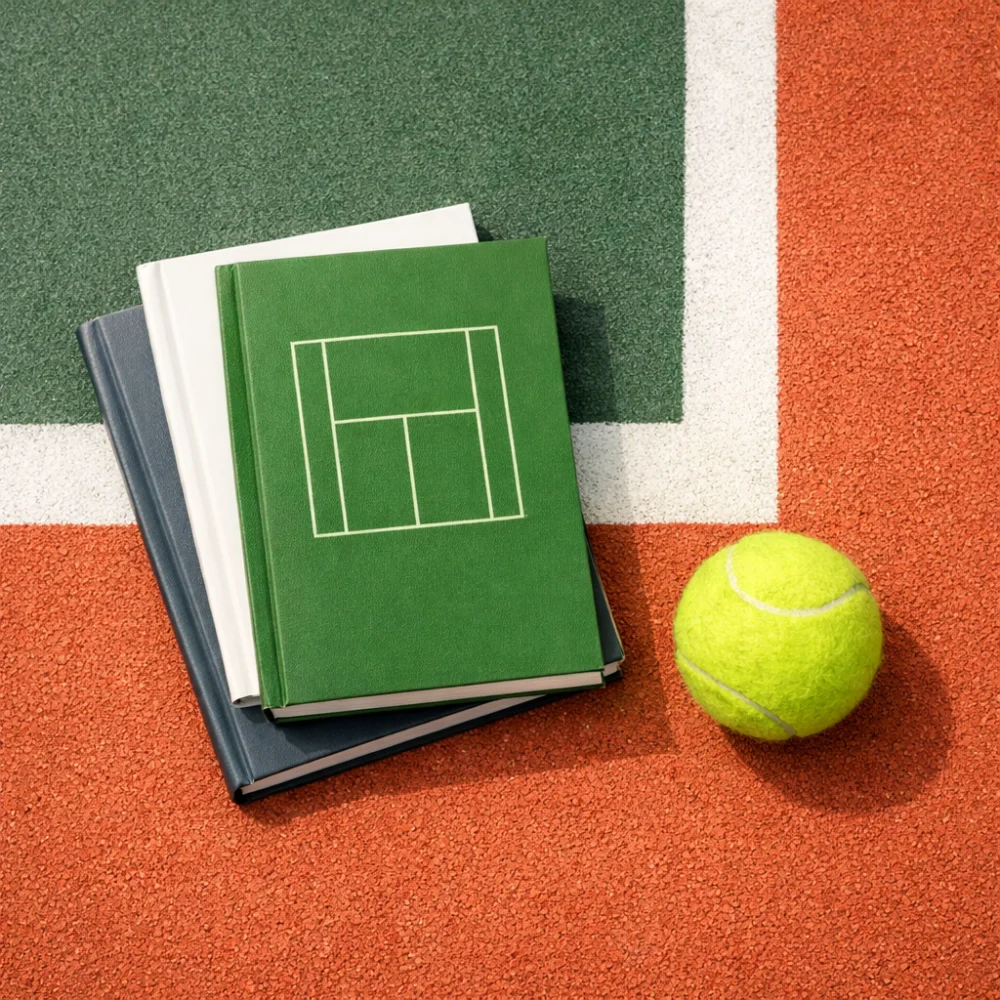
Tennis books cover a wide range of reading, from coaching and match insight to biographies, history, memoir and culture. That makes the choice less about “best” and more about what the reader wants to learn or enjoy.
If you are buying for yourself, think about whether you want practical improvement, a deeper understanding of the sport or something to read for pleasure. If you are buying as a gift, the safest choice is usually a title that matches the person’s level of interest rather than assuming they only want technical advice.
Specifications vary by model, so always check the individual product page before buying.
What is the best type of tennis book to buy?
The best starting point is the reader’s goal. A player looking to improve may prefer a coaching or mental game title, while a fan may get more from a biography, memoir or history book. The main trade-off is depth versus accessibility: more technical books can be very useful, but they may not suit a casual reader.
For many buyers, the easiest decision is to choose a book with a clear subject rather than a broad promise. That makes it simpler to match the title to age, experience and interest.
| Feature | What It Means | Why It Matters | What To Check |
|---|---|---|---|
| Subject | Coaching, biography, history, memoir or culture | Determines whether the book is useful for practice, enjoyment or learning about the sport | Look at the title, summary and chapter focus |
| Depth | How technical or detailed the writing is | Affects whether the book suits beginners, regular players or dedicated fans | Check whether it is described as introductory, practical or analytical |
| Audience | Who the book is written for | Helps avoid buying a title that is too advanced or too basic | Read the product description for clues about age, level or interest |
| Format | Hardback, paperback or another edition | Can affect gift appeal, shelf life and how convenient it is to carry | Confirm the edition details on the individual page |
| Focus | One player, one era, one tournament or the wider sport | Shows whether the book is narrow and specific or broad and general | Check whether the book centres on a person, event or theme |
Key things to look at before you buy
Topic and purpose
Ask what the book is meant to do. A technique book is chosen for practical advice, while a biography or history title is usually chosen for reading interest. If you are unsure, choose the subject that is most likely to match the reader’s existing interest in tennis.
Reading level
Some tennis books are written for committed players who want detailed guidance, while others are designed to be accessible to casual fans. The wrong level can make a book feel either too simple or too dense. Look for wording in the description that signals whether the book is beginner-friendly, reflective or more advanced.
Perspective and author style
Books may be written by coaches, players, journalists or historians, and that changes the angle. A coaching author is likely to focus on learning and improvement, while a journalist may emphasise context, story and analysis. This matters because the same subject can feel very different depending on who wrote it.
Edition and publication details
With books, edition matters because the content or presentation can differ between versions. If you are comparing gifts or collector-style purchases, the format and edition can be part of the appeal. Always check the individual product page for the exact details shown there.
Types of tennis books
Coaching and improvement books
These are aimed at players who want to work on technique, tactics or match understanding. They are useful for structured learning, but they can be less engaging for someone who only wants a light read.
Mental game and performance books
These focus on confidence, concentration, decision-making and match mindset. They may suit players who already know the basics and want to improve how they compete under pressure.
Biographies and memoirs
These are often chosen by fans who want a closer look at a player’s career, personality or experiences. The main limitation is that the appeal depends heavily on whether the reader likes the subject.
History, culture and themed books
These titles suit readers who enjoy the sport as a whole, including its venues, traditions and wider stories. They are often a good gift option because they can appeal even when the reader is not looking for instruction.
Which tennis book suits which buyer?
| Buyer need | Better fit | Why it works | Watch out for |
|---|---|---|---|
| Beginner player | Clear coaching or fundamentals title | Explains the game in a more accessible way | Avoid books that assume a lot of prior knowledge |
| Competitive player | Technique, tactics or mental performance book | More likely to offer structured ideas to apply on court | Check whether the book is practical or mainly reflective |
| Casual fan | Biography, memoir or tennis history | Readable and enjoyable without needing to study the sport | Make sure the subject or era is one the reader likes |
| Gift buyer | Well-known player, major event or broad-interest title | Easier to choose for someone else without over-specialising | Think about whether the recipient prefers facts, stories or advice |
Common mistakes to avoid
- Choosing a book for the name alone: a famous title does not always match the reader’s level or interest.
- Assuming every tennis book is instructional: many are written for fans rather than players working on improvement.
- Ignoring the reading style: some books are analytical, while others are more narrative and easier to read casually.
- Overlooking the subject focus: a player-specific book may be ideal for one fan and irrelevant for another.
Suitability, care and ownership points
Tennis books are straightforward to own, but they still benefit from a little care. If you are buying as a gift or for regular use, think about whether the format will be handled often, kept on a shelf or carried around. Paperback and hardback editions can suit different preferences, but the right choice depends on how the book will actually be used.
For book buyers, the most useful check is usually the content rather than the format alone. A well-matched subject is more important than choosing a title just because it looks impressive.
How to compare tennis books efficiently
- Decide whether the reader wants advice, inspiration, history or a story about a player or event.
- Check the reading level so the book matches the intended reader.
- Compare the subject focus and author perspective.
- Look at the edition and format if the book is a gift or collector item.
- Choose the title that best fits the reader’s interest rather than trying to cover everything at once.
Summary buyer decision checklist
- Is the book meant for a player, a fan or a gift recipient?
- Does the subject match the reader’s interest in tennis?
- Is it coaching, mental game, biography, history or culture?
- Does the reading level seem appropriate?
- Have you checked the edition and format details?
- Will the recipient prefer practical advice or narrative reading?
Frequently asked questions
Are tennis books mainly for players?
No. Some are written to help players improve, but many are aimed at fans who enjoy stories, history or profiles of famous names in the sport. The key is to match the book’s purpose to the reader.
What is a good tennis book for a beginner?
A beginner usually benefits most from a clear, accessible book on fundamentals or the basics of match play. It should explain ideas without assuming too much prior knowledge. If the reader is more of a fan than a player, a straightforward biography can be a better fit.
How do I choose a tennis book as a gift?
Start with the recipient’s favourite player, era or type of reading. If you are unsure, a broadly appealing biography or history title is often easier to choose than a highly technical coaching book. Think about whether they want practical help or enjoyable reading.
Are coaching books useful if I do not play competitively?
They can still be useful, especially if you want to understand tactics or improve basic decision-making. However, some are written for regular match players and may feel more detailed than a casual reader needs. A more narrative title may be a better choice if you mainly follow the sport.
Does format matter when buying a tennis book?
It can, especially if the book is a gift. Hardback may feel more substantial, while paperback can be lighter and easier to handle. The most important factor, though, is still the subject and whether it suits the reader.
How can I tell whether a tennis book is too advanced?
Look for clues in the description about coaching depth, analysis or assumed knowledge. If the summary reads as though it is aimed at experienced players, it may not suit a newcomer. When in doubt, choose a book with a broader, more accessible angle.

