
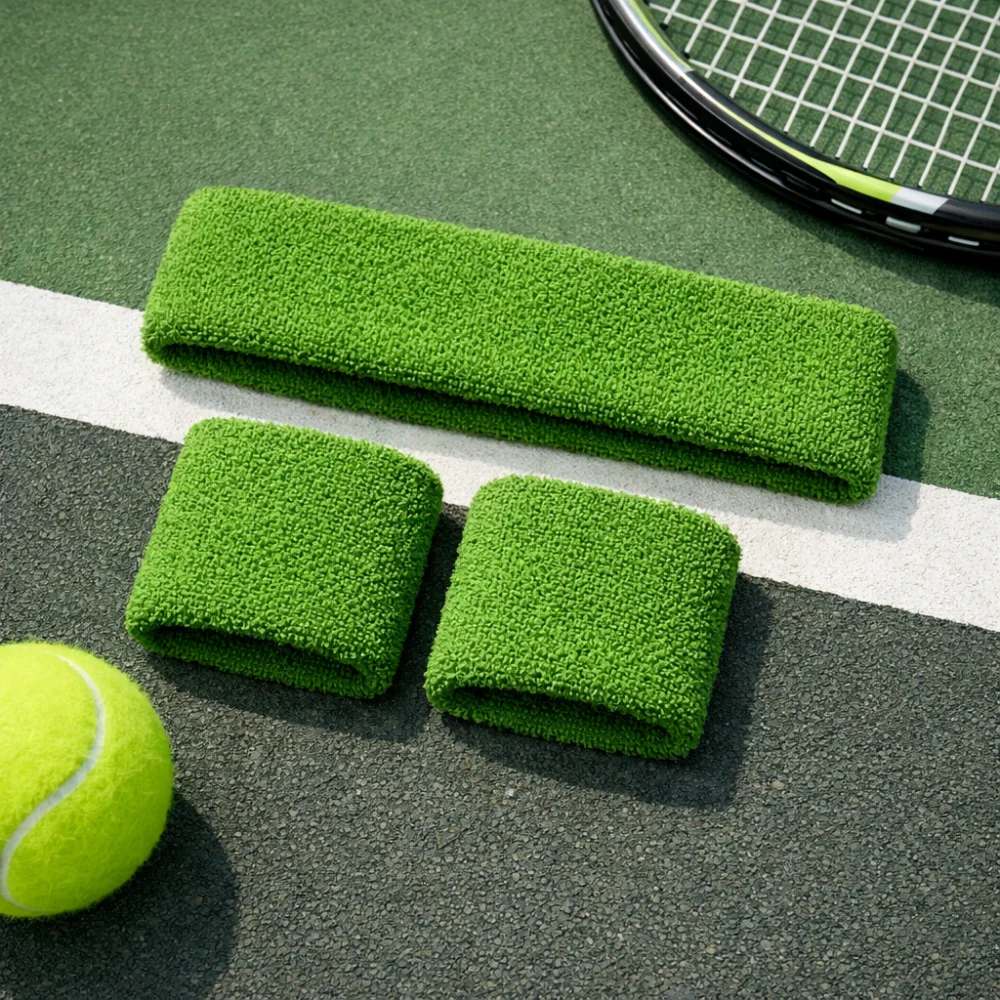
Tennis headbands and wristbands are simple accessories, but the details still matter when you want them to feel comfortable during play. The right choice depends on how much sweat you usually manage, how snug you like the fit and whether you want one matching set or separate pieces.
This guide focuses on the practical differences that affect everyday use rather than styling alone. It is aimed at players who want a straightforward way to compare comfort, coverage and value before choosing a product.
What should you look for in tennis headbands and wristbands?
The most useful starting point is fit, comfort and how well the item suits your playing routine. A good headband should stay in place without feeling tight, while wristbands should feel secure without restricting movement. Material and width also matter, because they influence how much sweat is absorbed and how noticeable the accessory feels during a match. Specifications vary by model, so always check the individual product page before buying.
| Feature | What it means | Why it matters | What to check |
|---|---|---|---|
| Fit | How securely the item sits on your head or wrist | Comfort and stability during rallies depend on fit | Size details, stretch and whether the product is described as one size or adjustable |
| Material | The fabric used in the headband or wristband | Affects softness, absorbency and feel against the skin | Fabric description and any notes about stretch or moisture handling |
| Width and coverage | How much surface area the accessory covers | Changes how visible it is and how much sweat it may catch | Width description and whether the set is slim or wide |
| Pack format | Whether you are buying one item or a set | Useful if you want matching pieces or a spare for regular play | Number of pieces included and whether the set is mixed or matching |
| Style preference | Colour or look, including plain or patterned options | Helps you choose something you are happy to wear regularly | Colour description and whether the finish suits your kit |
Key decision criteria explained
Comfort and fit
These accessories are worn close to the skin, so comfort is often the deciding factor. A headband that feels secure in the shop may still be distracting if it is too tight, while a loose wristband can slip when you sweat. Look for simple size information, stretch and any description of the edge finish if that matters to you.
Absorbency and sweat control
Many buyers want these items mainly to help manage sweat during play. The practical question is not whether they are specialised performance gear, but whether the fabric and coverage suit your needs. If you sweat a lot or play longer sessions, a wider or more substantial option may feel more useful than a minimal one.
Set versus individual pieces
Some products are sold as a matching set, while others may focus on just one item type. Sets are convenient if you want a coordinated look or need both accessories at once. Individual pieces can make more sense if you only need to replace one item or prefer to mix and match.
Style and visibility
For some players, appearance is a secondary factor; for others it is part of feeling comfortable on court. Colour, width and whether the item is plain or patterned may all influence whether you will actually use it regularly. A simple design is often easier to pair with different tennis outfits.
Product types and variants
Within this category, the main differences are usually the format and the amount of coverage rather than major technical variation. A headband is designed to sit across the forehead and help keep hair or sweat out of the way. Wristbands sit on the wrists and are commonly chosen to absorb sweat or to give a familiar feel during play.
Some listings are single items, while others are multi-piece sets. Sets suit buyers who want convenience or a matching look, but they are less flexible if you only need one part of the kit. More minimal pieces may feel lighter, while wider options can offer a more noticeable presence and potentially more coverage.
Which option suits different tennis buyers?
| Buyer need | What usually matters most | Why that choice may fit |
|---|---|---|
| Beginner or casual player | Comfort, simple fit and easy care | A straightforward option is often easier to use and less distracting |
| Frequent match player | Secure fit, sweat management and durability | Regular use makes comfort and repeat wear more important |
| Buyer looking for a set | Matching pieces and value | A set can be convenient if both items will be used together |
| Buyer replacing one item | Single-piece format and compatible feel | Buying one accessory avoids paying for extras that are not needed |
| Style-conscious buyer | Colour, width and overall look | The accessory is more likely to be worn if it suits personal preference |
Common mistakes and misunderstandings
- Assuming all one-size products fit the same way. Stretch can vary, so check any size notes and think about how snug you prefer accessories to feel.
- Choosing by colour alone. A good-looking set is not much use if it slides, feels too tight or is the wrong format for your needs.
- Overlooking the difference between a set and a single item. Some buyers only need one piece, while others want the convenience of a matching pair or pack.
- Expecting every product to feel the same during play. Fabric, width and elasticity all affect comfort, so the page details are worth checking.
Safety and suitability caveats
These are low-complexity accessories, but it is still sensible to check that the fit feels comfortable and that the item is suitable for your intended use. If you have sensitive skin or dislike anything tight against the forehead or wrist, pay close attention to material and stretch information. For children or anyone with a preference for a looser fit, choose carefully rather than assuming a standard size will suit.
Maintenance, storage and lifespan considerations
General care matters because these items are typically used during exercise and may need regular washing. Look for care guidance on the product page if you want something easy to clean and reuse. Keeping them dry and storing them with other kit helps them stay ready for the next session, but the exact care needs will vary by material and construction.
How to compare options efficiently
- Decide whether you need a headband, wristbands or a set of both.
- Check fit and comfort details first, since these affect day-to-day use most.
- Compare material, width and coverage to see which option suits your playing style.
- Look at the pack format and decide whether you want a single item or a matching set.
- Review the individual product page for any model-specific details before choosing.
Summary buyer decision checklist
- Do I need a headband, wristbands or both?
- Will the fit feel comfortable for a full session?
- Is the material likely to suit my preference for softness and sweat control?
- Do I want a single piece or a matching set?
- Is the width and style appropriate for how I plan to wear it?
- Have I checked the individual product page for the exact details?
Frequently asked questions
Do tennis headbands and wristbands have to be worn together?
No. Many buyers choose both because they like the coordinated look or want coverage at both the forehead and wrists, but either item can be used on its own. The better choice depends on what feels useful in play rather than on a fixed rule.
Are wristbands mainly for sweat?
They are often chosen for sweat management, but buyers also use them for comfort or familiarity during play. The practical value depends on the material, fit and how you personally like to wear tennis accessories.
What is the difference between a slim and a wider headband?
A slim headband tends to feel lighter and less noticeable, while a wider one can offer more coverage. The right choice usually comes down to comfort, how secure you want it to feel and how visible you want it to be.
Should I choose a set or separate items?
A set is convenient if you want matched pieces or plan to use both accessories together. Separate items make more sense if you only need one part of the kit or want more flexibility with replacement.
How do I know if a one-size product will suit me?
Check the product description for stretch, fit notes and any sizing guidance. One-size products can work well, but the level of comfort still depends on the specific design and how snug you prefer the fit to be.
Are plain designs better than patterned ones?
Neither is inherently better. Plain designs are easier to pair with different tennis outfits, while patterned options are more about personal preference. The important point is whether the item feels practical enough that you will actually use it.

