
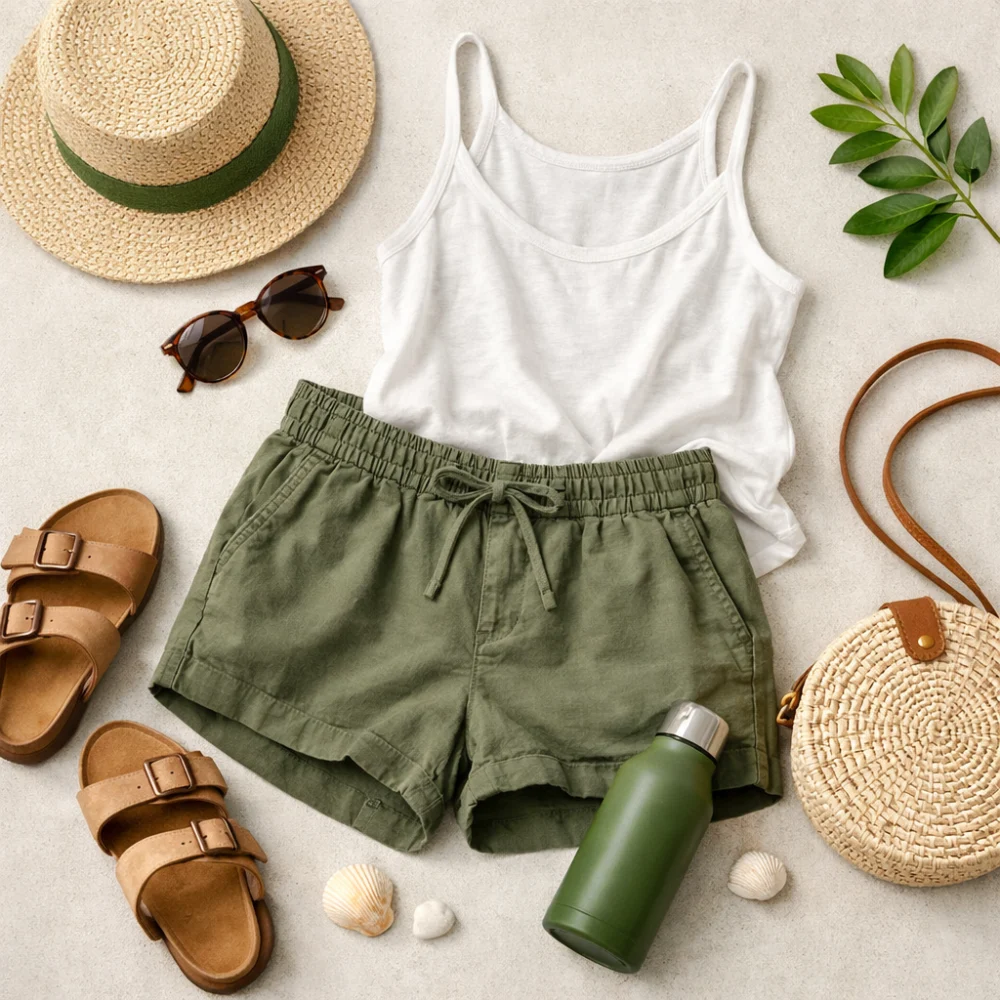
Women’s summer shorts cover a wide range of everyday styles, from relaxed casual pairs to more active or travel-friendly options. The main buying challenge is not finding shorts, but narrowing down which cut, fabric and fit will feel right for how you plan to wear them.
If you are comparing several pairs, start with comfort and intended use before focusing on colour or styling details. A pair that suits walking, lounging or holiday packing may not be the most flattering or practical choice for another setting.
This guide keeps the focus on the features that usually matter most when choosing women’s summer shorts, without drifting into other bottoms such as skirts, culottes or trousers.
What should you look for first in women’s summer shorts?
The best place to start is with fit, fabric and length. Those three factors have the biggest effect on comfort, coverage and how versatile the shorts will feel day to day. After that, look at waistband style, pocket layout and any details that affect movement or ease of wear. Specifications vary by model, so always check the individual product page before buying.
| Feature | What It Means | Why It Matters | What To Check |
|---|---|---|---|
| Fit | How the shorts sit on the waist, hips and thighs | Fit affects comfort, movement and how secure the shorts feel | Waist style, rise, leg width and whether the cut is relaxed or closer-fitting |
| Fabric | The material used to make the shorts | Fabric influences breathability, softness, drape and care needs | Fabric content, lining if any, and whether the finish suits warm-weather wear |
| Length | How much leg coverage the shorts provide | Length changes coverage, ease of movement and the overall look | Inseam or description of length, especially if you prefer shorter or more modest coverage |
| Waistband | The fastening or stretch around the waist | It affects comfort, adjustability and how easy the shorts are to put on | Elastic, drawstring, button fastening or a structured waistband |
| Pockets | Storage space built into the shorts | Pockets can make shorts more practical, but they also affect bulk | Number, depth and placement of pockets if you carry keys, cards or a phone |
| Intended use | The activity or setting the shorts are designed for | Different uses need different levels of movement, durability and comfort | Whether the pair is better suited to casual wear, travel, walking or exercise |
Which features matter most?
Fit and rise
Women’s shorts can feel very different even when the size label looks similar. Some buyers prefer a more relaxed shape through the leg, while others want a neater silhouette that sits closer to the body. The rise also matters because it changes where the waistband sits and how secure the shorts feel when you move.
If you are unsure, think about what you normally find comfortable in warm weather. A roomier cut can feel easier for walking and casual wear, while a more shaped cut may feel tidier for everyday outfits.
Fabric and breathability
Fabric choice is often what separates shorts that feel easy to wear from shorts that stay in the wardrobe. Lighter-feeling materials are usually more comfortable in warmer conditions, while denser fabrics may feel more structured or durable. The right choice depends on whether you want something soft and casual, easy to pack, or a little more polished.
Look at the material description rather than relying on the product name alone. A shorts style can be called summer-friendly while still feeling quite different in weight, stretch or drape.
Length and coverage
Length is partly a style choice and partly a practical one. Shorter shorts can feel cooler and more casual, while longer shorts may offer more coverage and feel easier for a wider range of activities. If you want one pair to do several jobs, length is worth thinking about as carefully as colour.
When comparing options, use any measurements shown on the individual listing if they are provided. If not, read the product description closely for clues about how short or loose the style is intended to be.
Waistband and fastening
The waistband is one of the biggest comfort differences between styles. Elastic and drawstring waists are often more forgiving and easier for relaxed wear, while more structured waistbands can feel neater and may suit slightly smarter outfits. A smooth waistband may also be preferable if you plan to wear shorts for longer periods.
Think about how much adjustability you want. If your priority is easy everyday wear, a forgiving waistband can matter more than decorative details.
Product types and variants
Within this category, the most useful way to compare styles is by how they are built and worn rather than by fashion labels alone.
- Casual everyday shorts are usually the most versatile choice for relaxed wear and informal outings.
- Relaxed or loose-fit shorts tend to prioritise ease of movement and a less fitted feel.
- More structured shorts may look a little neater and can suit buyers who want a slightly smarter appearance.
- Active-style shorts are often chosen for walking, exercise or simply for maximum ease of movement.
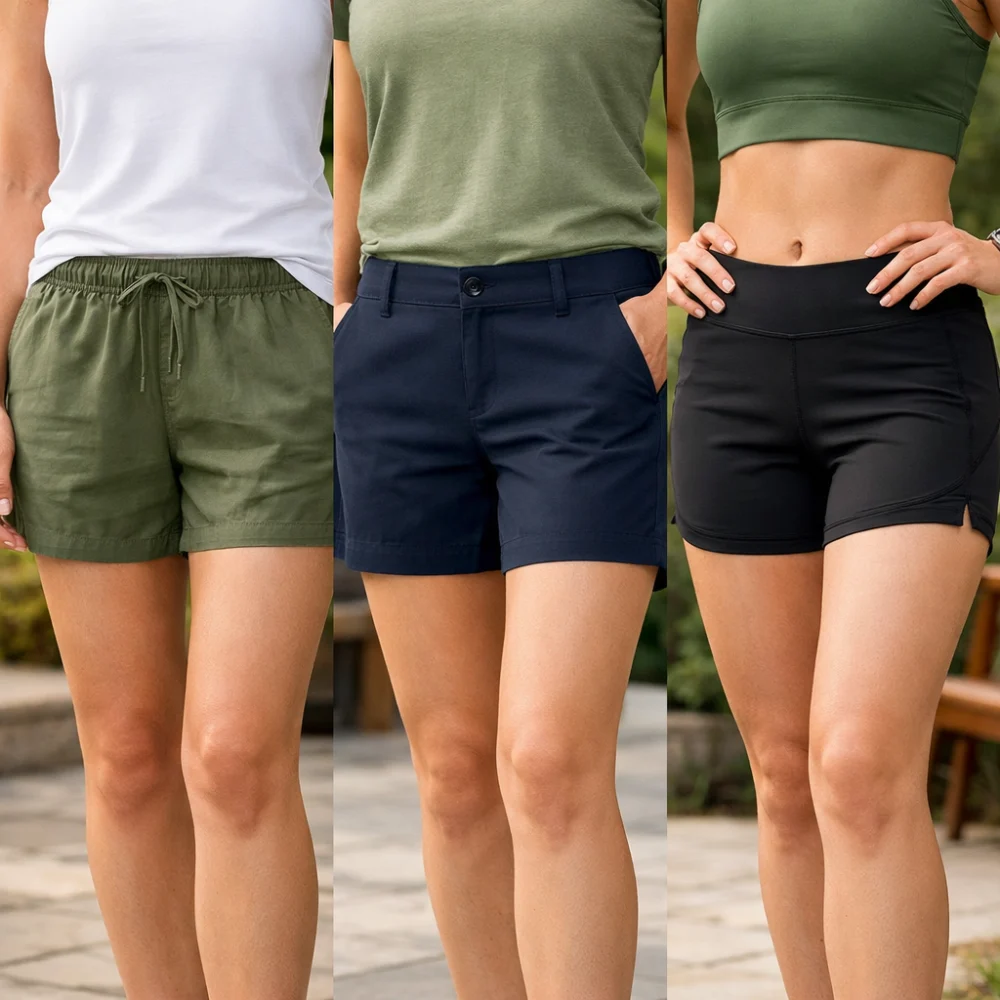
The main limitation is that a style designed for one purpose may not feel ideal for another. A very casual pair may be comfortable but less polished, while a neater pair may feel less relaxed for holiday wear or lounging.
How different buyers may compare options
| Buyer need | What to prioritise | Why it helps |
|---|---|---|
| Everyday casual wear | Comfortable fit, easy waistband, versatile fabric | Makes the shorts easy to wear regularly without fuss |
| Holiday or travel | Light feel, packable fabric, practical pockets | Helps the shorts work well in a suitcase or day bag |
| Walking or active use | Secure fit, freedom of movement, comfortable length | Reduces distraction when moving about for longer periods |
| Neater summer outfits | Cleaner finish, more structured waistband, balanced length | Helps the shorts work with a slightly smarter look |
| Maximum comfort at home | Soft feel, relaxed cut, low-fuss fastening | Makes them easier to wear for longer periods indoors |
Common mistakes to avoid
- Choosing on style alone. A pair can look right but still feel wrong if the waistband, rise or leg shape does not suit you.
- Ignoring the intended use. Shorts for lounging, exercise and day trips often succeed for different reasons.
- Overlooking length. Small changes in length can make a big difference to comfort and coverage.
- Assuming all summer fabrics feel the same. Material descriptions matter because they affect softness, drape and breathability.
- Forgetting practical details. Pockets, fastening and ease of care can matter more than decorative touches.
Safety and suitability caveats
Shorts are a straightforward category, but suitability still depends on how and where you plan to wear them. If you need them for active use, check that the cut and fastening feel secure enough for your movements. If you are buying for travel, outdoor wear or longer days out, think about coverage, comfort and whether the fabric is likely to suit warm conditions.
Do not rely on a product name alone for suitability. Read the individual product page for the details that affect comfort, fit and intended use.
Maintenance, storage and lifespan considerations
Care needs can influence value just as much as style. Some shorts will be easy to wash and wear again quickly, while others may need a little more attention to keep their shape or finish. If you want a low-effort option, check whether the fabric and construction seem suitable for regular use.
Storage is usually simple, but lighter fabrics can crease and more fitted styles may benefit from being folded or hung neatly. If you are comparing several pairs, consider how often you plan to wear them and how much care you are prepared to give them.
How to compare options efficiently
- Decide where you will wear the shorts most often.
- Choose the fit shape that sounds most comfortable for that use.
- Compare fabric, waistband and length before looking at small style details.
- Check practical features such as pockets and how easy the shorts are to put on and wear.
- Read the individual product page carefully for the exact description and any model-specific details.
Summary buyer decision checklist
- Do the fit and rise sound comfortable for your body shape?
- Is the length right for your preferred level of coverage?
- Does the fabric suit warm-weather wear and your expected use?
- Is the waistband style easy and comfortable enough for regular wear?
- Are the pockets, fastening and overall cut practical for how you plan to use them?
- Have you checked the individual product page for model-specific details?
Frequently asked questions
How should women’s summer shorts fit?
They should feel comfortable at the waist and allow enough movement through the hips and thighs without pulling. A good fit is usually one you can wear for a normal day without constantly adjusting. If you are between sizes or prefer a looser feel, the waistband style and cut matter as much as the label size.
Are relaxed shorts better than fitted shorts?
Neither is always better. Relaxed shorts often feel easier and cooler for casual wear, while fitted shorts can look neater and feel more secure for some buyers. The right choice depends on how you plan to use them and what silhouette you prefer.
Do pockets make a big difference?
They can, especially if you want shorts for errands, travel or days out. Deep, well-placed pockets improve practicality, but bulky pockets can also change how the shorts sit. If pockets matter to you, check their placement and whether the product description mentions them clearly.
What fabric should I choose for hot weather?
Look for a fabric that sounds lightweight, comfortable and suited to warm days. The best choice depends on whether you want softness, structure or easy packing. Because fabric naming can vary, the detailed product description is more useful than the style name alone.
Can one pair of shorts work for both casual wear and walking?
Sometimes, yes, if the fit is comfortable and the fabric feels easy to move in. A versatile pair usually has a balanced length, a secure waistband and a cut that does not restrict movement. If you need them for longer walks, comfort and practicality should come before fashion details.
What is the main trade-off when buying summer shorts?
The main trade-off is usually between comfort, coverage and style. A lighter, more relaxed pair may feel easiest to wear, while a neater pair may look more polished but feel less casual. Decide which of those matters most for your main use.

