
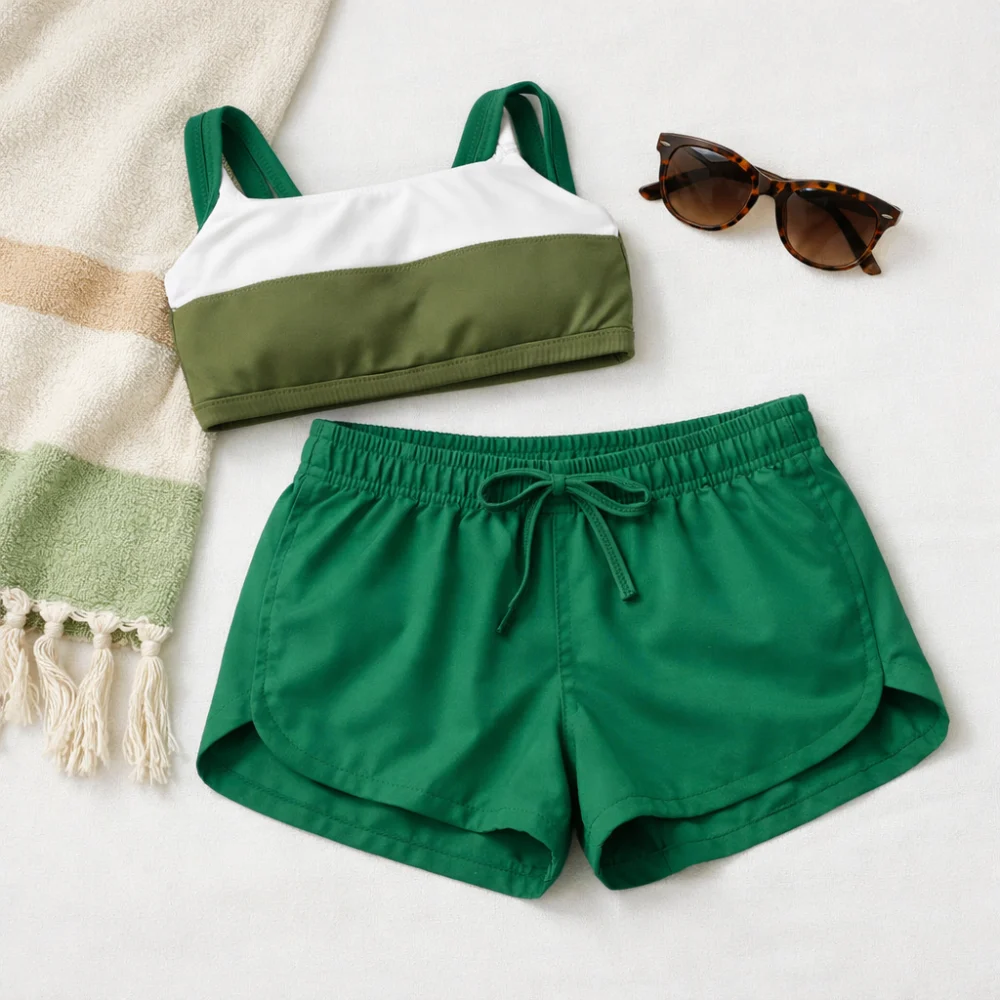
Women’s swim shorts are a practical beach and pool choice for anyone who wants a little more coverage than a standard bikini bottom, while still keeping a light, easy-to-wear feel. They can work well for swimming, paddling, holidays and active days by the water.
The main buying decision is usually about fit, coverage and how you plan to wear them. Some shoppers want a simple swim layer to pair with a top they already own; others want a more secure, sporty option for moving around comfortably. Specifications vary by model, so always check the individual product page before buying.
What should you look for in women’s swim shorts?
Start with the balance of coverage, comfort and movement. The right pair should feel secure without restricting swimming or walking, and it should suit the kind of support you want from the waistband and leg shape. If you are comparing several options, the most useful differences are often the cut, the rise, the inner brief or lining, and how the fabric is intended to perform in water.
| Feature | What It Means | Why It Matters | What To Check |
|---|---|---|---|
| Coverage | How much of the hips, seat and upper thigh the shorts cover | Changes how modest, sporty or relaxed the shorts feel | Look at the leg length, rise and overall shape on the product page |
| Fit at the waist | How the waistband sits and stays in place | Affects comfort when swimming, sitting or moving around | Check whether the waistband is elasticated, adjustable or designed for a closer fit |
| Lining | Whether there is an inner brief or built-in support layer | Can improve comfort and reduce transparency concerns | Read the item details carefully for lining or brief information |
| Fabric feel | How the material is likely to feel against the skin | Impacts comfort in and out of the water | Look for clues about stretch, smoothness and quick-drying performance |
| Movement | How freely you can swim, walk or be active | Some shorts are cut for more coverage, others for easier movement | Compare the leg opening, side seams and overall shaping |
| Intended use | Whether the shorts are aimed at swimming, lounging or active beach wear | Helps you choose the right balance of style and practicality | Check the description for swim use, holiday wear or waterside activity |
Key decision criteria
Coverage and confidence
Coverage is often the first reason people choose swim shorts. A longer or roomier cut may feel more comfortable if you want extra modesty or prefer more of the upper leg covered. A shorter, closer fit may feel lighter and easier to move in. Think about whether you want the shorts to function as the main swim bottom or as a comfortable layer for mixed holiday use.
Waistband and fit
The waistband has a big effect on comfort. A secure waist can help the shorts stay in place during swimming, while a softer fit may feel better for relaxing by the pool. If the product page mentions a drawcord, elasticated waist or stretch fit, use that to judge how adjustable the shorts may be.
Leg shape and ease of movement
Swim shorts can feel quite different depending on how the leg is cut. A looser leg may offer more room and a casual look, while a neater cut can feel more streamlined in the water. If you expect to swim lengths or stay active, look for a shape that suggests freedom of movement rather than a heavy, bulky feel.
Lining and comfort
A built-in lining or brief can improve wearability, but not every shopper wants the same construction. Some prefer a smoother internal finish; others want the extra reassurance of a lined design. Check the individual listing for whether the shorts are fully lined, partially lined or described with an inner brief.
Fabric and drying behaviour
Fabric choice affects how the shorts feel after swimming and how practical they are for a day out. A lighter, more flexible material is often easier for mixed use, while a more substantial fabric may feel less sheer or more structured. If you expect to move between water and walking around, drying behaviour is worth checking on the product page.
Types and variants you may see
Women’s swim shorts do not vary as dramatically as some other swimwear categories, but there are still a few common styles to consider.
- Short, fitted swim shorts: often chosen for swimming and active use when a neat, close feel is preferred.
- Relaxed or boardshort-style swim shorts: usually suit shoppers who want a looser, more casual look and a bit more coverage.
- Boyshort-inspired cuts: can feel a little more modest around the seat and upper thigh, while still staying swim-friendly.
- Longer swim shorts: may suit those who want extra coverage for comfort or confidence.
The main limitation is that the same category can cover a wide range of fits, so the style name alone does not tell you enough. The cut and details on the individual product page matter more than the category label.
Which type suits which buyer?
| Buyer need | What to prioritise | What to avoid |
|---|---|---|
| More coverage and modesty | A longer cut, secure waistband and a shape that sits comfortably over the hips | Very short or very slim cuts that may feel revealing |
| Swimming and active movement | Stretch, secure fit and a design that looks easy to move in | Overly loose styles that may feel cumbersome in the water |
| Relaxed holiday wear | Comfort, soft waist feel and a versatile look that pairs easily with a swim top | Highly technical features you do not need |
| Simple replacement purchase | Similar cut, rise and coverage to a pair you already like | Changing too many variables at once |
Common mistakes and misunderstandings
- Assuming all swim shorts fit the same way. The same category can include fitted, relaxed and longer shapes, so check the cut rather than relying on the name alone.
- Overlooking the waistband. A comfortable leg shape is not enough if the waist feels too tight, too loose or likely to shift.
- Ignoring lining details. Inner construction can change comfort and confidence, especially in lighter or closer-fitting shorts.
- Choosing by appearance only. A style that looks good on its own may not suit the amount of movement or coverage you want.
Safety and suitability notes
Women’s swim shorts are mainly a comfort and suitability choice rather than a technical purchase, but it still helps to check the intended use. If you plan to swim actively, make sure the fit allows movement and that the item is described for swimwear use rather than only casual beach wear. If coverage matters to you, review the product photos and item description carefully because short lengths can vary more than many shoppers expect.
Care, storage and lifespan
Swimwear is usually exposed to sun, salt water, chlorine and sand, so general care affects how long it stays looking and feeling good. Rinsing after use, following the care instructions and storing it fully dry can help it remain comfortable for longer. If a product includes stretch fibres or a lining, it may need a little more care than very simple beach shorts.
How to compare options efficiently
- Decide where you will wear them most often: pool, beach, holiday or active swimming.
- Choose the coverage level you feel most comfortable with.
- Check the waistband, lining and leg shape for fit and movement.
- Compare the product descriptions for any details that affect comfort or drying.
- Read the individual product page carefully before choosing.
Summary buyer decision checklist
- Does the coverage suit how you want to wear them?
- Will the waistband feel secure and comfortable?
- Is the leg shape suitable for swimming and movement?
- Do the lining details match your comfort preferences?
- Does the product description suggest the right level of stretch and practicality?
- Have you checked the individual product page for the exact fit details?
Frequently asked questions
Are women’s swim shorts suitable for swimming?
Yes, many are designed with swimming in mind, but the level of performance and comfort varies by model. Some are more streamlined and active, while others are better suited to relaxed beach or pool wear.
Do swim shorts replace bikini bottoms?
They can, if you want more coverage or a different feel from a standard bikini bottom. The right choice depends on whether you want a swim-first item or a more casual waterside layer.
Should I choose a tighter or looser fit?
That depends on how you plan to wear them. A closer fit often feels more secure in the water, while a looser fit may feel more relaxed for lounging and holiday use.
Is lining important?
It can be. A lining or inner brief may improve comfort and modesty, but some shoppers prefer a simpler finish, so it is worth checking the description rather than assuming every pair is built the same way.
What is the most useful detail to compare first?
For most buyers, coverage and waist fit are the quickest and most important starting points. Once those feel right, compare the leg shape and lining to narrow down the best option.
Can I use them for beach activities as well as swimming?
Often yes, but suitability depends on the cut and fabric. A pair that feels comfortable to swim in may also be a good choice for walking, paddling or general holiday wear.

