
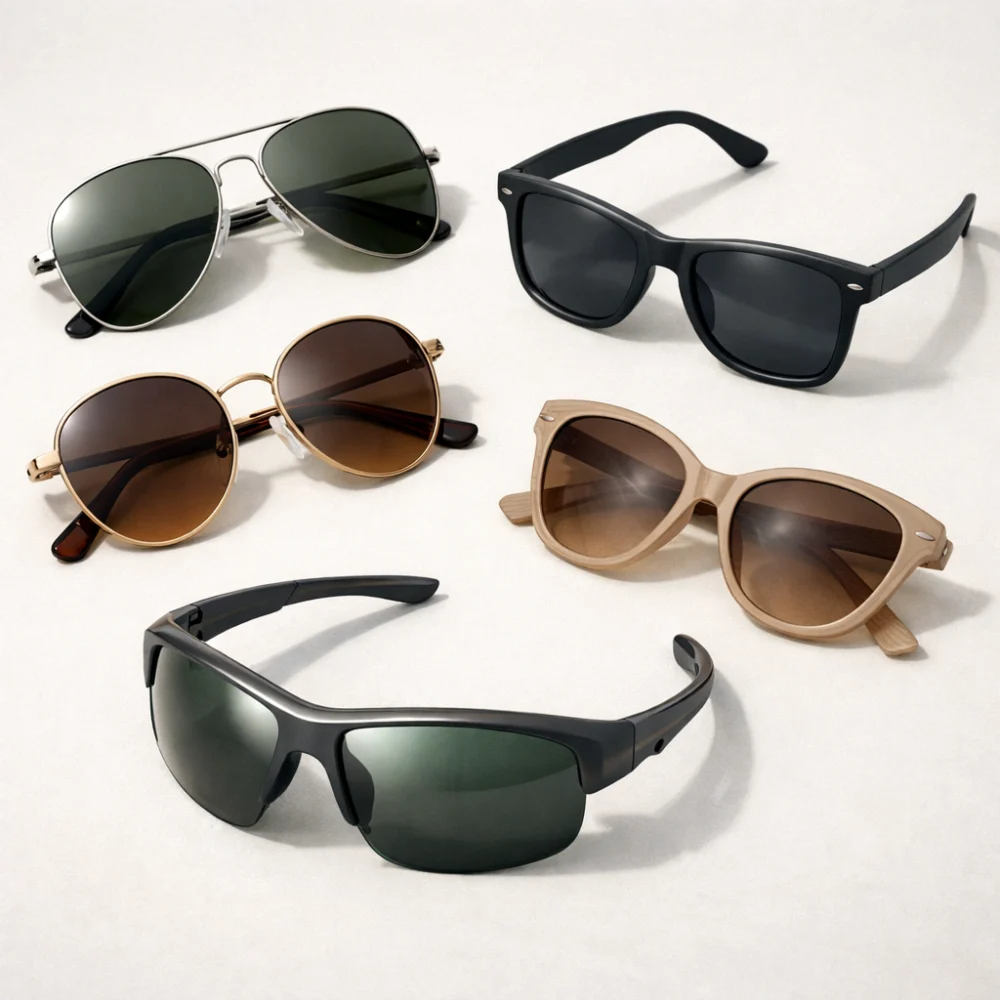
Tommy Hilfiger sunglasses are a style-led category, but the practical buying questions still matter. The right pair should suit your face, feel comfortable for regular wear and meet your expectations for lens coverage and tint.
Because the range can include different frame shapes, sizes and finishes, it helps to focus on the details that affect comfort and everyday usefulness rather than the brand name alone. Specifications vary by model, so always check the individual product page before buying.
If you are choosing a pair as an everyday accessory, a replacement, or a gift, this guide will help you narrow the choice quickly and avoid paying for features you do not need.
What should you look for first?
Start with fit, then move on to frame style and lens coverage. A pair that looks good but sits poorly on your face is usually a poor buy, while a comfortable frame with a sensible lens shape is easier to wear day after day. After that, check the frame measurements and product description so you can compare similar options on equal terms.
The main trade-off is usually between style and coverage: slimmer fashion-led frames can be lighter and more refined, while larger shapes may give more coverage but feel more noticeable. The best starting point is the pair that fits your face comfortably and matches how often you expect to wear them.
| Feature | What it means | Why it matters | What to check |
|---|---|---|---|
| Frame shape | The outline of the front of the sunglasses | Influences comfort, facial balance and the overall look | Choose a shape you are likely to wear often and that suits your preferred style |
| Frame size | How wide and deep the frame is across the face | Affects fit, stability and whether the glasses feel too tight or loose | Check the listed measurements and compare them with a pair that already fits you well |
| Lens coverage | How much of the eye area the lenses cover | Can change the amount of shade and the visual feel of the frame | Look at the lens shape and overall proportions in the product images |
| Frame material and finish | The material and surface appearance of the frame | Affects the look, the feel in use and how formal or casual the pair appears | Check the product description for material details and the photographed finish |
| Colour | The frame and lens colour combination | Changes how versatile the sunglasses are with different outfits | Pick a combination that suits your wardrobe and how noticeable you want the frame to be |
| Product details | Any listed measurements or model identifiers | Helps you compare similar-looking pairs and avoid confusion | Use the measurements and model code on the individual product page for confirmation |
Key decision criteria explained
Fit and comfort
Fit is the most practical check because sunglasses that pinch, slide or sit awkwardly are rarely satisfying to wear. Look at width, bridge fit and temple length where these are listed, and compare them with sunglasses you already own. If you are buying as a gift, a more neutral shape and moderate sizing can reduce the risk of an awkward fit.
Frame shape and style
Tommy Hilfiger sunglasses often appeal because they balance everyday wearability with a branded, fashion-focused look. Some shapes feel classic and understated, while others are more statement-led. The main choice is whether you want a pair that blends in easily or one that stands out more as part of an outfit.
Lens coverage and wear context
Larger lenses can feel more enveloping, while smaller or narrower designs can look lighter and more refined. Think about when you will wear them most often: commuting, city wear, holidays or general weekend use. A practical pair is one that matches your routine rather than one that only looks right in a mirror.
Colour and versatility
Black, tortoiseshell, metallic and coloured finishes each create a different effect. Darker, simpler colours are often easier to pair with different clothes, while brighter or more unusual finishes can feel more distinctive. If you want one pair to do most jobs, versatility is usually more important than novelty.
Types and variants you may come across
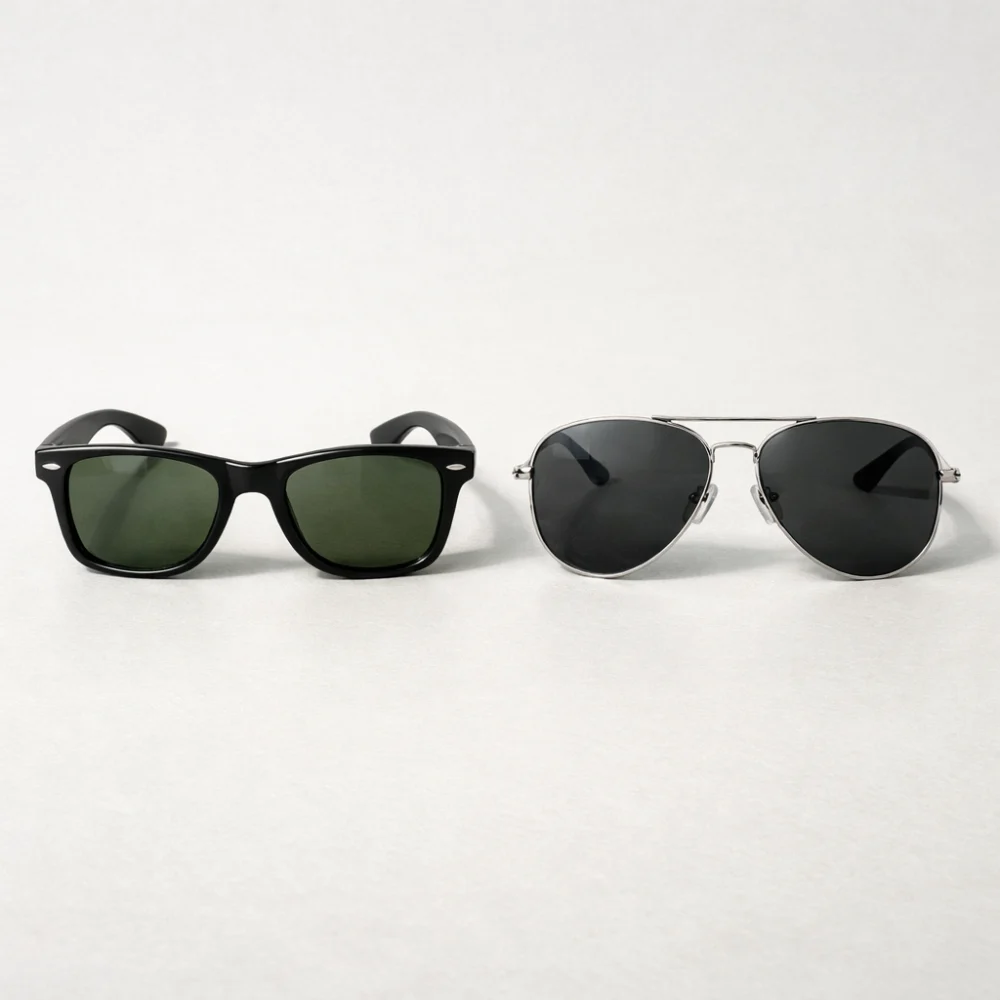
Within this category, the main differences are usually in shape, finish and sizing rather than in a long list of technical options. That means the choice is less about learning a new product type and more about spotting which design details suit you best.
- Classic everyday frames: A straightforward option for regular wear. These tend to be the easiest to match with different outfits, but they may not feel as distinctive.
- Fashion-forward shapes: Frames with a stronger style identity. They can add more personality, though they are less flexible if you want one pair for everything.
- Smaller or lighter-looking frames: Suitable if you prefer a subtle look. The trade-off is that they may offer less visual coverage.
- Larger, more prominent frames: Helpful if you want a bolder look or more lens presence. They can feel more noticeable on the face.
Which option suits which buyer?
| Buyer need | What to prioritise | Why it helps |
|---|---|---|
| Everyday wear | Comfort, balanced shape and easy-to-match colour | Makes the sunglasses more likely to be worn often |
| Gift buying | Neutral styling and broadly wearable proportions | Reduces the risk of choosing something too specific |
| Style-led purchase | Frame shape, finish and brand look | Helps the sunglasses feel intentional as part of an outfit |
| Replacement for an old pair | Similar measurements and familiar frame style | Makes it easier to preserve the fit you already know works |
| One versatile pair | Moderate proportions and a simple colourway | Usually gives the widest use across different settings |
Common mistakes to avoid
- Choosing by appearance alone: A frame may look right in a photo but still feel too wide, narrow or heavy on the face.
- Ignoring the size details: Measurements help you compare options properly, especially when several designs look similar.
- Assuming all sunglasses serve the same purpose: Some pairs are chosen mainly for style, while others are easier to wear every day.
- Overlooking colour versatility: An unusual finish can be attractive, but it may be harder to match with more of your wardrobe.
Suitability and care considerations
Sunglasses are straightforward to own, but they still benefit from sensible care. A protective case, careful cleaning and storage away from heat or scratching can help keep them looking better for longer. If you expect to carry them daily, think about how easy they will be to put away safely when not in use.
They are also worth checking for intended use. Some pairs are better suited to casual everyday wear than to long periods outdoors, so choose based on how and where you plan to use them.
How to compare options efficiently
- Decide whether you want an everyday pair, a style piece or a gift-friendly choice.
- Shortlist frames with a shape and size that look likely to suit your face.
- Compare the listed measurements, colour and general lens coverage.
- Check the product page for the exact model details before you commit.
- Pick the pair whose balance of comfort, style and versatility feels most useful to you.
Summary buyer decision checklist
- Does the frame shape suit your face and your preferred style?
- Are the measurements likely to fit comfortably?
- Is the colour versatile enough for how you will wear them?
- Do the lens proportions match the amount of coverage you want?
- Have you checked the individual product page for the exact model details?
Frequently asked questions
Are Tommy Hilfiger sunglasses mainly a fashion purchase?
They are often chosen for their look, but that does not mean comfort and fit are unimportant. A good pair should still sit well on the face and feel easy to wear.
What is the most important detail to check before buying?
Fit is usually the most important starting point. After that, look at frame shape, colour and the product measurements so you can compare similar options fairly.
Are larger sunglasses better than smaller ones?
Not necessarily. Larger frames can give a stronger look and more coverage, while smaller frames can feel lighter and more understated. The better choice depends on your face shape and how you plan to wear them.
Can I choose a pair as a gift without knowing exact measurements?
You can, but a more neutral shape and moderate sizing are usually safer choices. If the person already wears sunglasses, comparing with a known pair can make the decision easier.
Do frame colour and lens colour matter much?
Yes, because they affect how versatile the sunglasses feel. Simple colours are often easier to wear with more outfits, while stronger colours can make the pair feel more distinctive.
Should I buy the pair that looks most stylish in the photo?
It is better to balance style with fit and wearability. A pair you enjoy looking at but never want to wear is usually less satisfying than a more versatile choice.

