
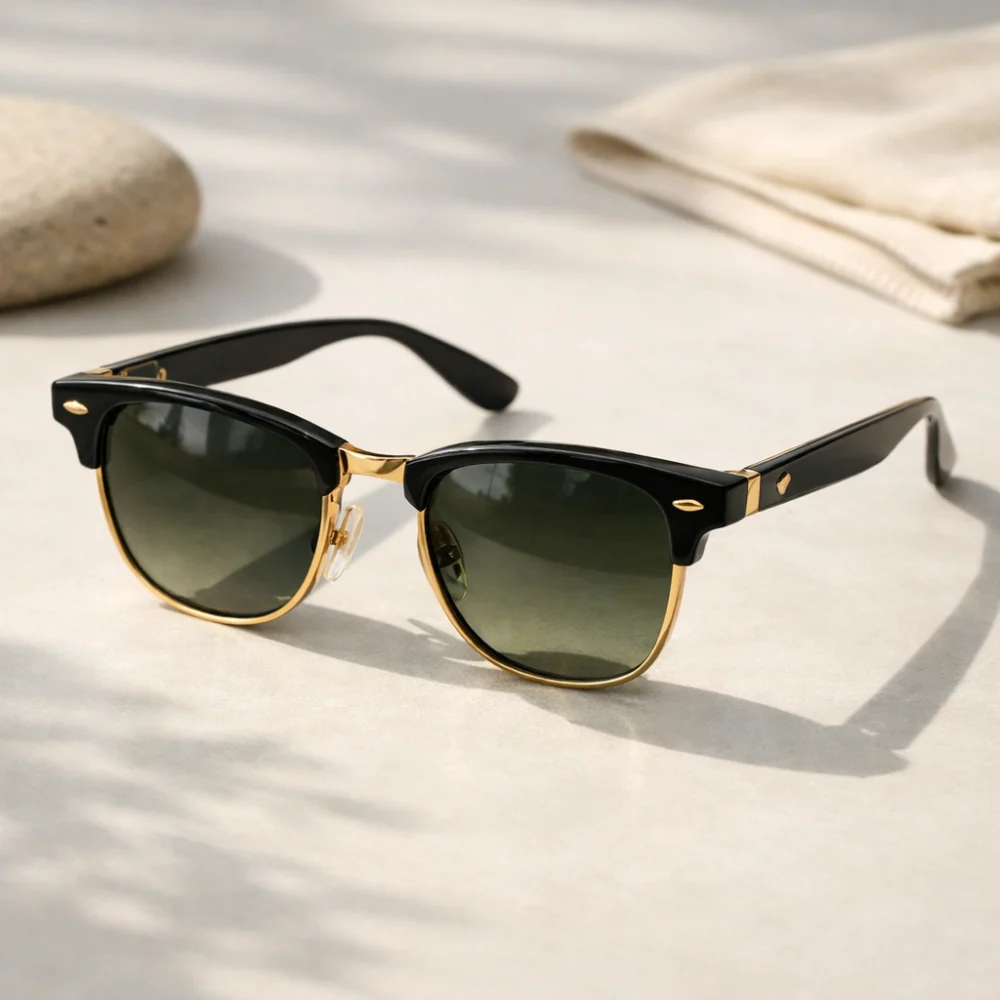
Dita sunglasses often appeal to buyers who want a distinctive, fashion-led look as well as everyday sun protection. Within the category, the main challenge is not finding something to browse, but understanding which frame shape, lens style and fit will suit your face, wardrobe and how you plan to wear them.
This guide helps you compare Dita options without getting lost in model names or finishes. It focuses on the decisions that matter most before you buy: how the frame sits, how the lenses suit your use, and which details are worth checking on the individual product page.
Because sunglasses are as much about comfort and styling as they are about function, a clear short list usually works better than trying to compare everything at once.
What should you look for in Dita sunglasses?
Start with fit, shape and lens style, then move on to finish and intended use. The most useful option is usually the one that suits your face comfortably, feels balanced for longer wear and matches how formal or understated you want the sunglasses to look. If you are comparing several pairs, prioritise frame dimensions, lens type and overall style before colour details.
Specifications vary by model, so always check the individual product page before buying.
| Feature | What It Means | Why It Matters | What To Check |
|---|---|---|---|
| Frame shape | The outline of the front of the sunglasses. | Shape affects how the sunglasses suit your face and how bold they look. | See whether the silhouette is round, angular, oversized or more restrained. |
| Fit and proportions | How the frame sits across the face and around the ears. | Comfort and balance matter for all-day wear. | Look for sizing details and compare them with your usual fit. |
| Lens style | The lens colour, tint or finish used in the model. | This changes the visual feel and how versatile the sunglasses are for different settings. | Check the lens description and whether the look is subtle or more expressive. |
| Frame finish | The material appearance, colour and surface treatment. | Finish shapes the overall impression more than many buyers expect. | Review product images and descriptions for the tone you want. |
| Intended use | How and where you plan to wear them. | Day-to-day wear, travel and occasional dressing-up may call for different styling priorities. | Match the model to your routine rather than choosing on looks alone. |
Key decision criteria
Fit and face shape
Fit is one of the easiest ways to narrow the choice. A frame can look strong in images but feel too wide, too narrow or simply too heavy in practice. If you already know a shape that suits you, start there; otherwise, use your current sunglasses as a point of comparison and look at the size details on the product page.
Style level and versatility
Some sunglasses are designed to make more of a statement, while others are easier to wear with different outfits. Think about whether you want one pair that feels discreet and flexible or a more distinctive pair that becomes part of the outfit. The more striking the design, the more likely it is to suit specific looks rather than every occasion.
Lens appearance
Lens tint and finish change the mood of the sunglasses as much as the frame does. A darker or more dramatic lens can create a stronger visual contrast, while a lighter or gradient finish may feel softer. If you are buying for fashion first, this may matter as much as the frame itself.
Material and finish
In this category, surface finish is part of the appeal. Polished, matte and metal-led looks each create a different impression, and some finishes are more understated than others. Consider how the frame will sit alongside your usual accessories and clothing rather than choosing from photos alone.
Product types and variants
Dita sunglasses in this category mainly vary by shape, finish and lens presentation rather than by broad functional sub-types. That means the shopping decision is usually about style direction and fit, not a long list of technical variants.
- Statement frames: Suited to buyers who want a more distinctive look and are happy for the sunglasses to stand out.
- More restrained frames: Better for people who want something easier to wear regularly with different outfits.
- Different lens tones and effects: Useful when you want to fine-tune how formal, relaxed or expressive the pair feels.
Which option suits which buyer?
| Buyer need | What to prioritise | Why |
|---|---|---|
| Everyday versatility | Balanced shape, comfortable fit, subtle finish | Easier to wear with more outfits and in more settings. |
| Fashion-led styling | Stronger frame character, noticeable lens or finish | Helps the sunglasses act as a visual part of the outfit. |
| Gift buying | Widely wearable shape and neutral colour direction | Reduces the risk of choosing something too specific. |
| Replacing an existing pair | Similar proportions and a familiar lens style | Makes it easier to keep the same wearing feel. |
Common mistakes and misunderstandings
- Choosing on image alone: Style matters, but fit and proportions decide whether the sunglasses will be comfortable enough to wear often.
- Assuming every frame suits every face: A design that looks good in a product photo may sit very differently in real life.
- Overlooking lens appearance: Lens tone and finish can change how versatile the sunglasses feel day to day.
- Buying for the brand name only: It is better to match the frame to your use and taste than to rely on label recognition.
Safety and suitability caveats
Sunglasses should be chosen for suitable use and comfortable wear, but the exact level of protection and lens performance can vary by model. Do not assume a particular finish, tint or style tells you everything about how a pair will perform in bright conditions. Check the individual product page for the details that matter to you, especially if you need a specific level of coverage or a particular style of lens.
Maintenance, storage and lifespan considerations
As with most sunglasses, keeping them clean and stored safely helps preserve appearance and comfort. A protective case, soft cloth and sensible storage matter more than many buyers expect, especially if you carry them in a bag. Also think about how often you will wear them: a fashion-forward pair may be more exposed to knocks, so a finish that suits careful handling can be a practical choice.
How to compare options efficiently
- Decide how you will mainly wear the sunglasses: daily use, occasional wear or styling for specific outfits.
- Shortlist the frame shapes that look and feel close to what you already wear comfortably.
- Compare the lens appearance, finish and overall balance of the frame.
- Check the product page for fit details and any model-specific information before deciding.
- Choose the pair that gives the best compromise between comfort, versatility and the look you want.
Summary buyer decision checklist
- Does the frame shape suit your face and your usual style?
- Is the fit likely to feel comfortable for the length of time you plan to wear them?
- Does the lens style match how formal or relaxed you want the sunglasses to look?
- Is the finish versatile enough for your wardrobe?
- Have you checked the individual product page for model-specific details?
Frequently asked questions
Are Dita sunglasses mainly about fashion or function?
They are often chosen for their styling, but they are still sunglasses, so comfort and lens choice matter too. The right pair should work visually and feel good enough to wear regularly. If you focus only on appearance, you may miss a better-fitting option.
How do I know which frame shape will suit me?
The easiest starting point is to look at the sunglasses you already wear most comfortably. Compare the overall width, depth and silhouette, then use those as a guide when browsing. If you are unsure, a more balanced shape is often easier to live with than a very extreme design.
What matters more: the frame finish or the lens colour?
It depends on your priorities. The frame finish often has the biggest effect on the overall look, while the lens colour can change how bold or understated the sunglasses feel. If you want something versatile, look for a combination that feels calm rather than highly contrasted.
Are these a good gift choice?
They can be, provided you choose a wearable shape and a neutral style direction. Sunglasses are personal, so gifts work best when you stay close to classic proportions rather than highly distinctive looks. If in doubt, a more versatile design is usually safer than an attention-grabbing one.
Do I need to check size details even if I like the look?
Yes, because fit affects comfort and how the frame sits on the face. A pair that looks right in photos can still feel too large or too narrow once worn. Size information is one of the most useful things to check before you decide.
How should I think about day-to-day wear versus occasional wear?
For regular wear, comfort and versatility matter more because you will notice fit over time. For occasional use, you might place more weight on the design itself. Either way, the best choice is the one that matches how often you will actually reach for it.

