
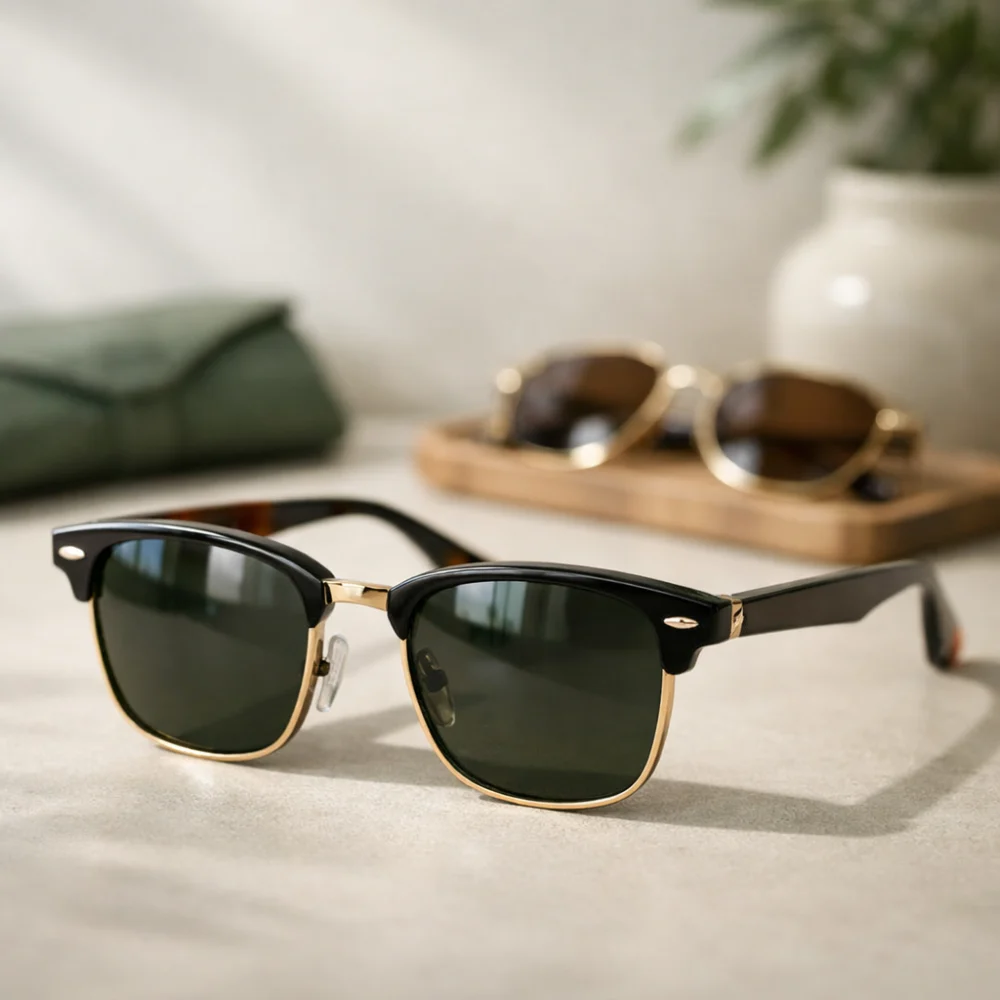
Buying sunglasses above £40 usually means you are looking at a wider choice of lens treatments, frame materials and brand-led designs. That does not automatically mean every pair is better for every buyer, but it can give you more to compare if fit, finish and intended use matter.
This guide is for shoppers who want a clearer way to judge value in the over-£40 range. It focuses on the features that genuinely affect comfort, everyday wear and suitability, rather than on brand name alone.
What should you look for first in sunglasses over £40?
Start with how you will use them most often: everyday wear, driving, holidays, walking, or sport. Then check lens protection, fit and frame shape, because those three points affect comfort and usefulness more than appearance alone. If you are comparing similar-looking pairs, the main difference is often in how they feel to wear and how well the lens features suit your routine.
Specifications vary by model, so always check the individual product page before buying.
| Feature | What it means | Why it matters | What to check |
|---|---|---|---|
| Lens protection | The level and type of sun protection the lenses provide | Affects how suitable the sunglasses are for bright conditions | Look for the lens details listed on the product page |
| Lens colour and finish | Tint, mirror effect or other lens treatment | Changes the look and may affect how the lenses feel in different light | Check the colour and any finish description |
| Frame fit | How the frame sits on your face | Comfort depends on the bridge, arms and overall shape | Compare size information and shape notes if shown |
| Frame material | The material used for the frame | Can affect feel, weight and the overall finish | Read the material listing carefully |
| Lens shape and coverage | How much of the eye area the lenses cover | Influences style, coverage and day-to-day wear | Check product photos and the shape description |
Key decision criteria explained
Fit and comfort
Fit matters because sunglasses that pinch, slip or sit unevenly are hard to wear for long periods. In this category, you are often paying more for better finishing or styling, but that does not replace a comfortable fit. Look for size details, arm length where provided and the overall shape of the frame.
Lens choice
Lens colour and any special finish affect how the sunglasses look and feel in use. Some buyers prefer a darker or more reflective look, while others want something more understated and practical. If you need sunglasses for a specific activity, check that the lens description matches how you plan to use them.
Frame style
Frame style is partly personal, but it also affects coverage and how the sunglasses work with your face shape. Larger frames can feel more noticeable and may offer more coverage, while slimmer styles can be easier to wear with everyday outfits. Choose the shape you are likely to keep wearing, not just the one that looks good in a photo.
Build and finish
At this price point, buyers often expect a more polished finish or a stronger-feeling frame than entry-level options. That still does not guarantee durability, so it is worth checking the material information and product description rather than assuming quality from price alone. If a pair will be used frequently, consistency of fit and finish may matter more than a bold design.
Product types and variants
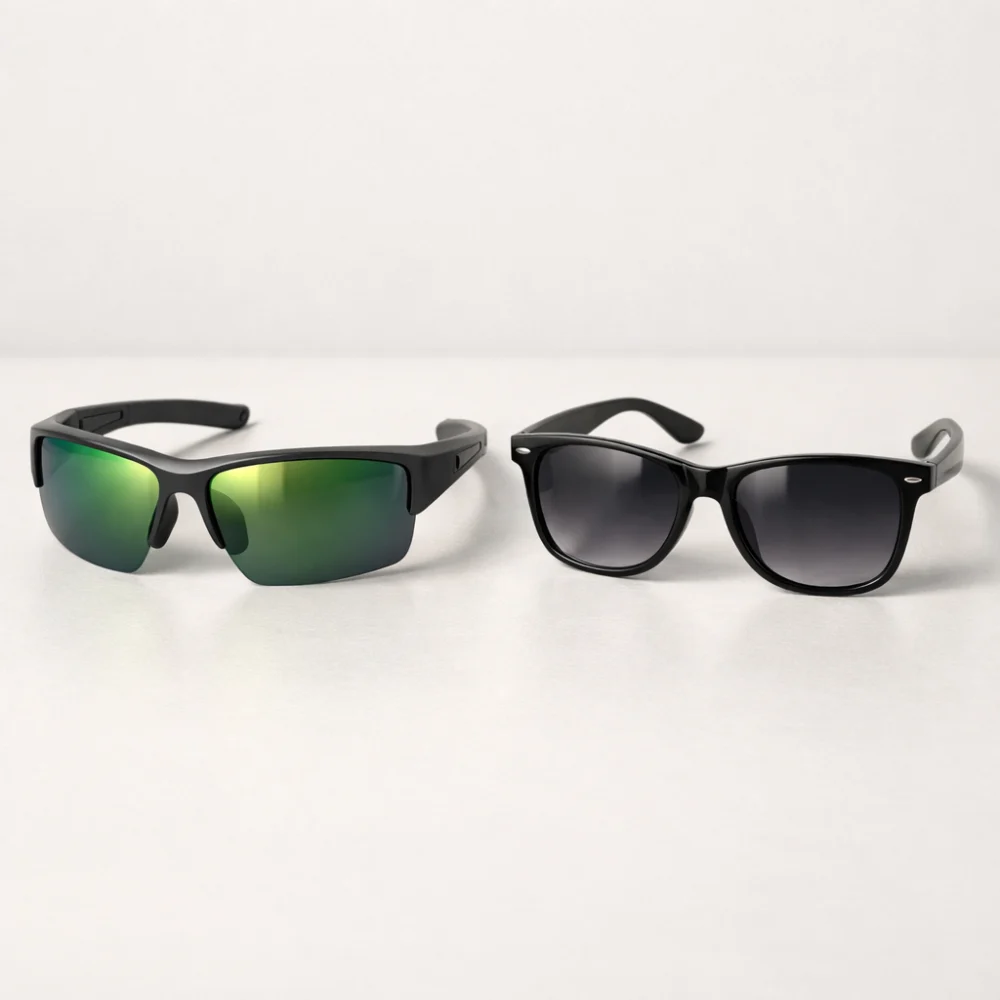
Within sunglasses over £40, the main differences are usually in styling and intended use rather than in a single obvious technical split. You may see fashion-led frames, sport-oriented shapes and more understated everyday designs. Each can be a sensible choice depending on whether you want appearance, coverage or all-day wearability to matter most.
Sport-oriented sunglasses are often chosen for a more secure feel and a shape that stays in place during movement. Fashion-led styles may place more emphasis on the look and finish of the frame. Everyday designs sit somewhere between the two and are often the easiest choice if you want one pair for general use.
Which features matter most for different buyers?
| Buyer need | What to prioritise | What to avoid overlooking |
|---|---|---|
| Everyday wear | Comfort, neutral styling and easy fit | A frame that looks good but feels awkward after a short time |
| Driving or bright outdoor use | Lens protection and a shape that gives sensible coverage | A style choice that leaves the lenses less practical |
| Sport or active use | Secure fit, stable frame shape and suitable lens details | Loose arms or a frame that slides during movement |
| Gift buying | Widely wearable style and flexible design | Overly distinctive frames unless you know the recipient well |
| Style-led purchase | Frame shape, colour and finish | Whether the style will still feel wearable after the first impression |
Common mistakes and misunderstandings
- Assuming a higher price guarantees better sunglasses. Price can reflect materials, brand and design, but it does not replace checking the fit and the product details.
- Choosing by appearance only. A frame that looks good online may not suit the way you wear sunglasses day to day.
- Ignoring size information. Even small differences in fit can change comfort quite a lot, especially if you wear sunglasses for long periods.
- Overlooking the lens description. The finish and tint can be just as important as the frame when you are comparing similar pairs.
Safety and suitability caveats
Sunglasses are a comfort and style purchase as well as a practical one, so it is worth checking that the pair suits the setting you will use it in. If you need them for a specific activity, read the product page closely rather than assuming one look or price point suits every situation. For any model-specific claims, rely on the individual listing rather than the category alone.
Maintenance, storage and lifespan considerations
General care can make a real difference to how long sunglasses stay comfortable to wear. Keep them clean, store them somewhere protective when not in use and avoid treating the frame or lenses roughly in bags or pockets. If a pair has a finish you particularly like, sensible storage matters because cosmetic wear can change the look long before the sunglasses stop working.
How to compare options efficiently
- Decide whether you want sunglasses mainly for everyday wear, style, driving or activity use.
- Shortlist frames that suit your preferred look and seem likely to fit comfortably.
- Compare the lens description, frame material and any size information provided.
- Weigh the trade-off between style, comfort and intended use.
- Check the individual product page carefully before you buy.
Summary buyer decision checklist
- Does the frame shape suit how you want to wear it?
- Have you checked the fit or size information?
- Do the lens details suit your intended use?
- Are you happy with the balance between style and practicality?
- Have you read the individual product page for model-specific details?
Frequently asked questions
Are sunglasses over £40 always better than cheaper ones?
Not always. Higher prices can bring different materials, design or brand appeal, but the right choice still depends on fit, lens details and how you plan to use them. A well-chosen cheaper pair may suit some buyers better than an expensive one that does not fit comfortably.
What matters more: frame style or lens details?
Both matter, but for different reasons. Frame style affects appearance and comfort, while lens details affect how practical the sunglasses feel in use. If you already know the look you want, lens and fit are often the more important checks.
How do I choose sunglasses as a gift?
Pick a shape that is broadly wearable and avoid anything too extreme unless you know the recipient’s taste well. Neutral colours and comfortable-looking frames are usually safer choices. If possible, check whether the person already wears larger, smaller, rounder or more angular frames.
Are sport-style sunglasses suitable for everyday wear?
They can be, but the look is usually more functional than fashion-led. Some buyers like the secure feel and coverage, while others prefer a softer everyday shape. The best choice depends on whether you want one pair for mixed use or something more activity-focused.
Should I choose darker lenses because the pair costs more?
Not necessarily. Lens darkness is only one part of the decision, and the right level depends on your preference and intended use. Focus on the product description and the way the pair is meant to be worn rather than on price alone.
What if I am between two similar pairs?
Compare the smallest practical differences: size, frame shape, lens finish and how versatile each option looks. If both seem suitable, choose the pair you are most likely to wear often. Comfort and confidence matter more than a minor styling preference you may quickly stop noticing.

