
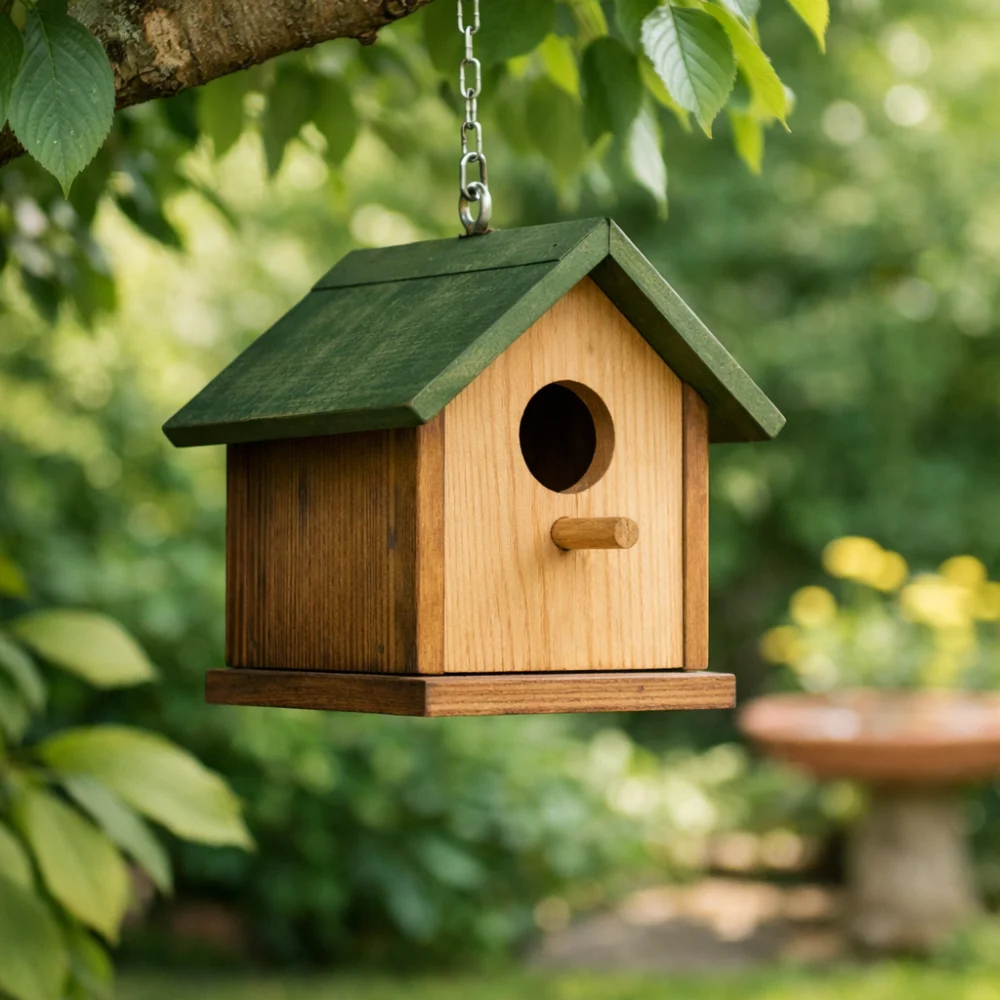
Bird houses can mean different things to different buyers: a simple nesting box for wild birds, a decorative garden feature, or a practical shelter placed in the right spot for a specific use. That is why it helps to think first about purpose, then about size, mounting and maintenance.
If you are comparing options for a garden or outdoor space, the main question is not simply what looks appealing. It is whether the house suits the birds you want to attract, fits the space available, and can be kept clean and secure enough for the intended use.
Because many listings use similar wording, it is worth checking the details carefully before you buy. Specifications vary by model, so always check the individual product page before buying.
What should you look for when choosing a bird house?
The best starting point is the bird house’s intended use. A nesting box, a decorative bird house and a feeder-style product can look similar but serve different purposes, so the right choice depends on whether you want shelter, nesting support or a garden ornament. After that, compare the opening, fixing method, material, maintenance access and where it will sit in the garden.
The biggest trade-off is usually between appearance and practicality. A more decorative house may suit a patio or border, while a simpler design may be easier to clean, place and maintain for wild bird use.
| Feature | What it means | Why it matters | What to check |
|---|---|---|---|
| Intended use | Whether it is a nesting box, decorative house or another bird-related garden item | Different uses call for different designs | Read the product description and look for the intended purpose |
| Size and opening | The internal space and entrance or access style | This affects suitability and ease of use | Check the listed dimensions, opening style and any bird-size guidance |
| Mounting or placement | How the house is fixed or positioned | It needs a stable and sensible location | Look for hanging, wall-fixing or freestanding details |
| Material and finish | What the house is made from and how it is finished | Material affects appearance, care and outdoor suitability | Confirm the construction and whether it is described for outdoor use |
| Access for cleaning | Whether the house can be opened or reached easily | Easy access helps with routine upkeep | Check for removable panels, doors or other cleaning features |
| Weather exposure | How much shelter the design offers from the elements | Outdoor siting affects comfort and durability | Consider roof shape, drainage features and the proposed location |
Key decision criteria explained
Purpose and bird type
Start by matching the bird house to the birds or the role you have in mind. A nesting box is chosen for practical use, while a decorative bird house may be bought mainly for appearance. If the product page mentions suitability for small birds or a particular species, treat that as an important guide rather than a casual label.
Mounting and placement
Think about where it will go before you fall for the design. A hanging house may suit a tree, pergola or sheltered hook, while a wall-mounted option may be better for a fixed position. A freestanding or ornamental design may be easier to place visually, but it may not offer the same stability or practicality as a purpose-built nesting box.
Cleaning access
For anything intended for real bird use, access matters. Features such as removable roofs or opening sections can make upkeep simpler, which is important if you want a product that is easier to inspect and clean. If access is not mentioned, assume you should verify it on the individual product page.
Material and appearance
Wood is common in this category, but finishes and construction styles can vary. Some buyers want a natural look that blends into planting, while others prefer a painted or decorative design that stands out. Choose the style that suits your garden, but do not let appearance hide practical checks such as durability, access and outdoor suitability.
Weather and exposure
A bird house placed outdoors will face wind, rain and sun, so siting matters as much as the product itself. A sheltered position may help reduce exposure, while an exposed spot may demand a more robust design. The better choice is often the one that suits both the garden layout and the amount of maintenance you are willing to do.
Common bird house types and variants
Within this category, buyers usually see a few broad styles rather than completely different product families.
- Wild bird nesting boxes are the more practical choice if you want a house intended for birds rather than display.
- Decorative bird houses suit buyers who want a garden feature with birdhouse styling, but they may prioritise looks over function.
- Hanging bird houses can be easier to place in suitable spots, although they still need a stable, sheltered position.
- Wall-mounted or fixed houses are often chosen for a more permanent location and a tidier look.
The right variant depends less on the label and more on how you plan to use it. A house that looks charming in a photo may not be the most practical choice if you want simple cleaning or a secure mounting method.
Which bird house suits different buyers?
| Buyer need | What to prioritise | Why it helps |
|---|---|---|
| Practical wild bird use | Clear purpose, sensible opening, easy access for cleaning | These features matter more than decorative detail |
| Garden styling | Shape, finish and how it looks in the planting or patio area | The bird house becomes part of the overall garden design |
| Simple installation | Hanging or straightforward fixing details | It is easier to place without complex setup |
| Low-maintenance ownership | Accessible design and uncomplicated construction | Routine care is simpler over time |
| Gift buying | Balanced appearance and clear, easy-to-understand purpose | It is more likely to suit a range of tastes |
Common mistakes and misunderstandings
- Choosing by looks alone. A decorative house may be attractive, but it is still worth checking whether it is practical for the way you want to use it.
- Ignoring access for cleaning. If you intend to use the house for birds, easy access can matter as much as the external style.
- Assuming all bird houses suit the same birds. Size and opening details can affect suitability, so read the product information carefully.
- Overlooking where it will be fixed or hung. A good product can be a poor choice if it does not suit the space available.
- Not checking outdoor suitability. Some items are primarily decorative, so confirm the intended use before relying on them outside.
Safety and suitability caveats
A bird house should be chosen with the intended location and use in mind. Check that it suits the birds, the height and position you have available, and the level of upkeep you can manage. If a product is decorative rather than functional, treat it as a garden ornament unless the listing clearly says otherwise.
If you are buying for wild birds, avoid assuming that every house will suit every species or every garden. The individual product page is the best place to confirm size, fixing method and any maintenance access features.
Maintenance, storage and lifespan considerations
Bird houses usually need some level of routine attention, especially if they are used outdoors. A design that opens easily is often simpler to keep in good condition, while a more decorative model may need gentler cleaning or more careful placement.
If you plan to store a bird house seasonally, consider how easy it is to handle, clean and keep dry when not in use. Materials, finish and construction style all affect how well a product may cope with repeated outdoor exposure.
How to compare bird houses efficiently
- Decide whether you want a nesting box, a decorative feature or another bird-related garden item.
- Check the intended placement: hanging, wall-mounted or another fixing style.
- Compare access for cleaning, especially if the house is for regular bird use.
- Look at material, finish and how well the style fits your garden.
- Read the individual product page for size, suitability and any maintenance notes.
Summary buyer decision checklist
- Is the bird house meant for nesting, decoration or general garden use?
- Does the size and opening suit the intended purpose?
- Will it fit the place where you want to hang or fix it?
- Is it easy enough to clean or maintain?
- Does the material and finish suit outdoor use and your garden style?
- Have you checked the individual product page for any model-specific details?
Frequently asked questions
What is the difference between a bird house and a nesting box?
A bird house is often used as a broad term, while a nesting box usually implies a more practical product intended for birds to use as shelter or a nesting site. Decorative bird houses may look similar but are not always designed with the same function in mind.
Should I choose wood or a decorative finish?
That depends on whether practicality or appearance matters more to you. Wood is often chosen for a more natural look, while a decorative finish may suit a garden feature better. The important thing is to check that the product is suitable for the way you plan to use it.
Does the mounting style matter?
Yes, because it affects where you can place the house and how stable it will be once installed. Hanging, wall-mounted and fixed options each suit different spaces, so match the style to the location you already have in mind.
How important is cleaning access?
If the bird house is for functional bird use, it matters a great deal. A removable roof or opening panel can make routine care easier, which is often more practical than a sealed decorative design.
Can one bird house suit every garden?
Not really. Garden size, shelter, placement and the type of use you want all affect the best choice, so it is better to pick a bird house that fits the space and purpose rather than assuming any design will do.
What should I check if the listing is brief?
Look for the intended use, material, size, fixing method and any mention of access for cleaning. If any of those points are unclear, it is safer to rely on the full product page before deciding.

