
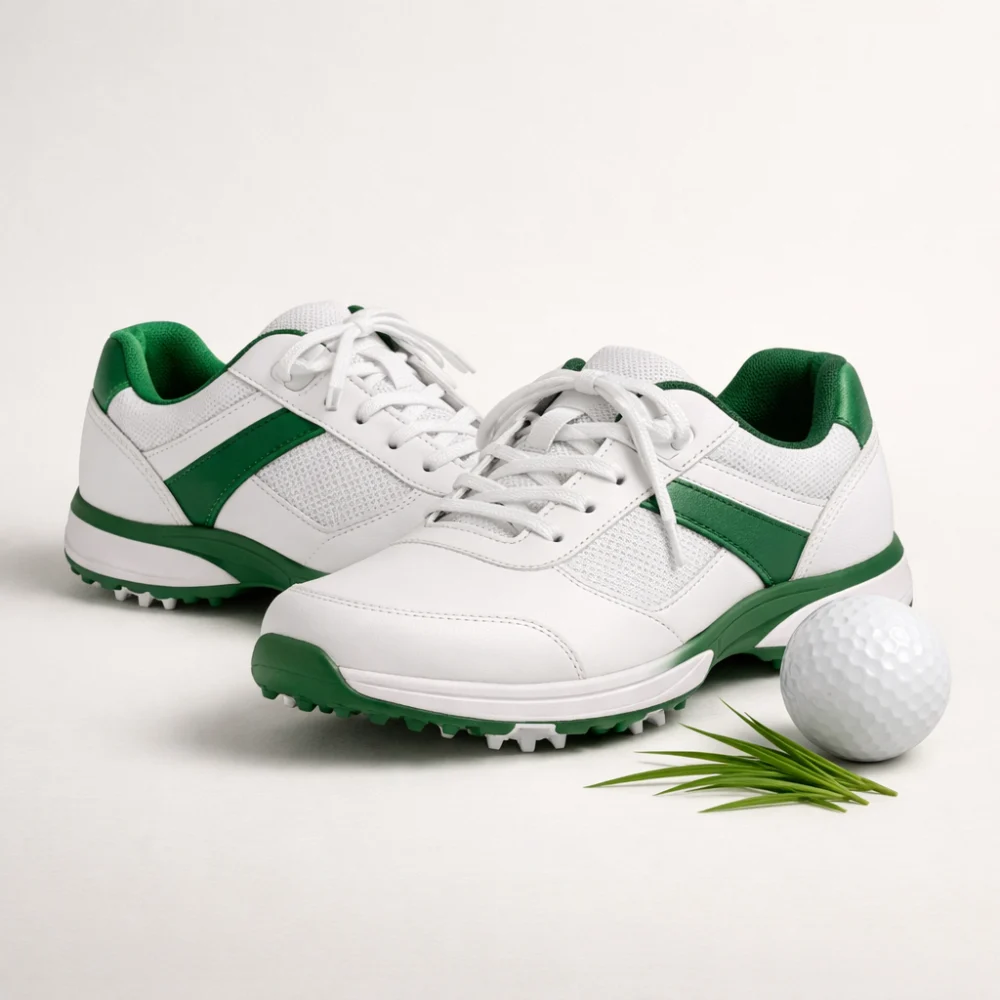
Women’s golf shoes need to balance comfort, grip and support without getting in the way of your swing. The right pair depends on where you play, how often you play and whether you prefer a softer trainer-like feel or a more structured golf shoe.
Because the category covers a range of styles, it helps to compare the features that actually affect day-to-day use rather than focusing on appearance alone. A sensible choice should suit the course conditions you face most often and feel comfortable over a full round.
If you are replacing an old pair, buying for wetter weather or choosing your first golf shoes, the key is to match the shoe type to your priorities. Specifications vary by model, so always check the individual product page before buying.
What should you look for in women’s golf shoes?
The best starting point is usually grip, comfort and weather protection. Spikeless shoes often feel more versatile off the course, while spiked shoes may feel more secure in softer or wetter conditions. The most important trade-off is usually between all-day comfort and the level of traction you want underfoot.
| Feature | What It Means | Why It Matters | What To Check |
|---|---|---|---|
| Outsole type | Spikeless or spiked traction design | Affects grip, stability and how the shoe feels walking | Choose the style that suits your typical course conditions and comfort preference |
| Water resistance | Protection against damp grass and wet weather | Helps keep feet drier during changeable rounds | Look for the level of waterproofing or water resistance stated on the product page |
| Fit and width | How the shoe shapes around the foot | Strongly affects comfort, rubbing and long-round wear | Check size guidance, width notes and any mention of a roomier or narrower fit |
| Upper material | The material covering the shoe | Influences flexibility, support and easy care | See whether the upper is designed for structure, breathability or a softer feel |
| Cushioning | Padding and underfoot comfort | Can make walking 18 holes more comfortable | Compare the comfort description with how long you usually stay on your feet |
| Closure | Laces or another fastening style | Affects adjustability and feel | Check whether you want a more traditional adjustable fit or something simpler |
Key decision criteria explained
Grip and traction
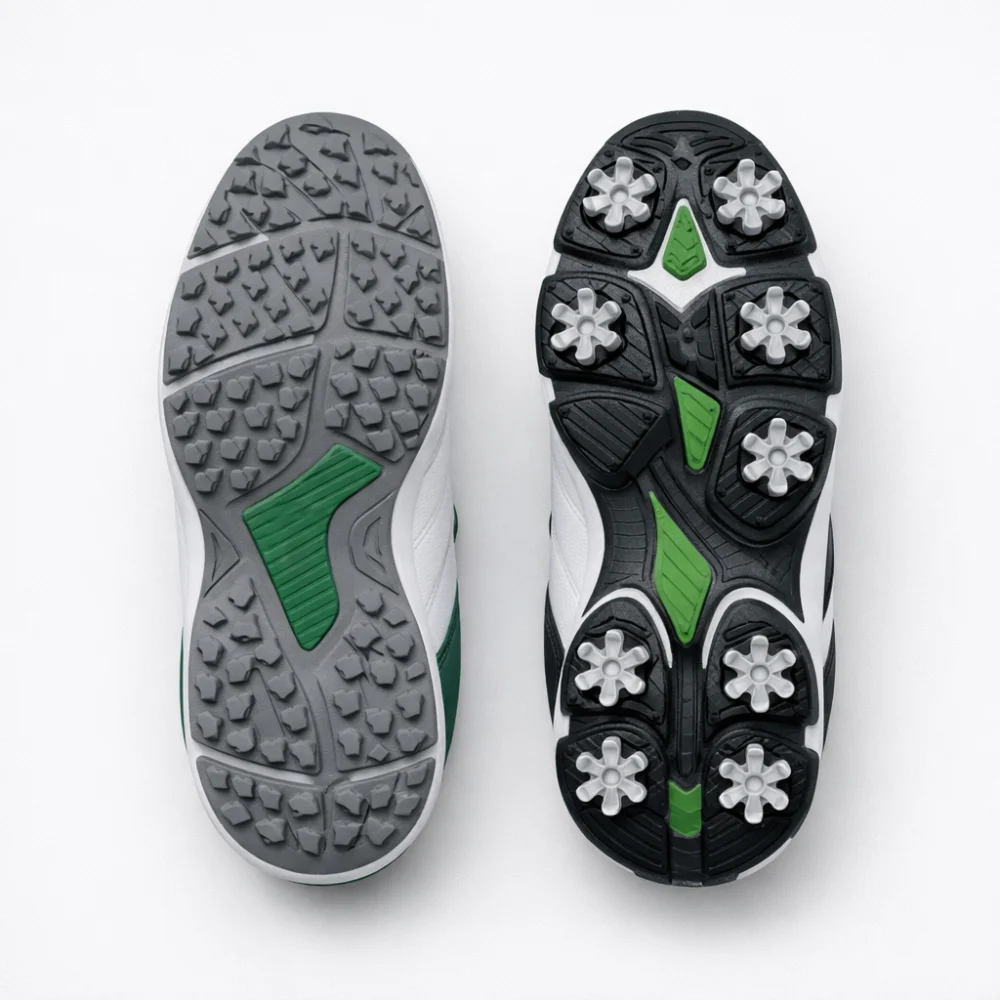
Golf shoes are designed to help you stay stable through the swing and on uneven or damp ground. Spikeless shoes usually use moulded traction patterns, while spiked shoes use removable or fixed studs depending on the model. If you often play on wet fairways or softer ground, grip may matter more than a casual walking feel.
Comfort for walking the course
Many buyers spend more time walking than they expect, so comfort is a major factor. Look for enough cushioning, a shape that suits your foot and a fit that does not feel restrictive. A shoe that feels fine standing still can feel very different after several holes, especially if it runs narrow or shallow.
Waterproofing and weather protection
Golf shoes are often bought for mixed weather, but the level of protection varies. Some models are designed mainly for light damp conditions, while others aim for stronger weather resistance. Check the product page for the exact wording used, and think about whether you need protection for occasional showers or more regular wet rounds.
Breathability and warmth
More protective shoes can feel warmer, while lighter styles may let air move more freely. That can be useful in summer, but it may matter less than dryness if you play through colder, wetter months. The right balance depends on when you play most often.
Style versus function
Women’s golf shoes now range from sporty trainer-inspired looks to more traditional golf styling. Appearance is a matter of preference, but do not let it override fit and function. A shoe that suits your wardrobe but causes discomfort is rarely a good choice.
Types and variants within the category
Spikeless golf shoes
These are a common option for buyers who want a comfortable shoe that also works well for travel to and from the course. They can be a good fit if you prefer a lighter, more casual feel. Their main limitation is that some golfers may want a more pronounced underfoot grip in wetter or softer conditions.
Spiked golf shoes
These are aimed at golfers who want a more traditional traction-focused feel. They may suit players who often face slippery ground or want extra stability. The trade-off is that they can feel less versatile when you are off the course.
Waterproof-focused shoes
Some shoes are chosen primarily for wetter weather or year-round play. They can be a sensible choice if you do not want to keep switching footwear through the seasons. The main thing to check is how the product describes its weather protection, because the wording can differ by model.
Which shoe suits which kind of buyer?
| Buyer need | What to prioritise | Why |
|---|---|---|
| Walking most rounds | Cushioning, fit and overall comfort | You will notice pressure points and fatigue more over time |
| Wet or mixed-weather golf | Water protection and grip | Dry feet and stable footing matter more on damp courses |
| Prefer a trainer-like feel | Spikeless design and flexible upper | These often feel more casual and easier to wear |
| Want stronger traction | Spiked outsole and secure fit | Some golfers prefer the extra planted feeling |
| Buying a first pair | Balanced comfort, fit and versatility | A well-rounded shoe makes it easier to learn what you prefer |
Common mistakes to avoid
- Choosing by style alone. A shoe may look right but still feel too tight, too warm or too firm in use.
- Assuming all waterproof shoes perform the same. The actual level of protection can vary, so check the product details carefully.
- Ignoring width and shape. If your feet tend to be wider or narrower than average, fit is often more important than brand preference.
- Buying for the course you wish you played on, not the course you actually play. Conditions underfoot should guide the choice.
- Forgetting that walking comfort matters as much as swing stability for many golfers.
Suitability and caveats
Golf shoes are performance footwear, so the right choice depends on how and where you play. A shoe that suits dry summer rounds may not be the most practical option for wet winter golf, and a highly structured model may feel different from everyday trainers.
If you are unsure between two styles, check the outsole type, weather protection, fit notes and intended use before deciding. That is usually enough to narrow the choice without overcomplicating it.
Care, storage and how long they may last
General care can help golf shoes stay comfortable for longer. After play, letting them dry naturally and removing dirt from the sole can help maintain appearance and traction. If the shoes use removable spikes or have a more complex sole design, it is worth checking the individual product information for any care guidance.
Storage also matters if you only play occasionally. Keeping shoes clean and dry between rounds is usually better than leaving them in a damp bag or car boot. The rate of wear will depend on how often you play, the ground conditions and how the shoe is constructed.
How to compare options efficiently
- Decide where you will wear them most often: dry parkland, wetter ground or mixed conditions.
- Choose the traction style that suits you best: spikeless for versatility or spiked for a more planted feel.
- Check fit details carefully, especially width, shape and any notes on comfort.
- Review the weather protection and upper material if you play in damp conditions.
- Compare a few similar options and choose the one whose trade-offs suit your priorities best.
Summary buyer decision checklist
- Does the shoe suit the ground conditions you usually play on?
- Is the fit likely to work for your foot shape and preferred level of room?
- Do you want spikeless versatility or a more traction-focused feel?
- Is the weather protection suitable for your usual playing conditions?
- Will you be comfortable walking in them for a full round?
- Have you checked the product page for model-specific details?
Frequently asked questions
Are spikeless women’s golf shoes good enough for most golfers?
For many golfers, yes. Spikeless shoes are often a practical choice because they can feel more comfortable and more versatile off the course. If you usually play in wetter conditions or want a more traditional traction-focused feel, you may still prefer a spiked design.
How important is waterproofing in golf shoes?
Very important if you regularly play in wet grass, morning dew or changeable weather. If you only play in dry conditions, you may prioritise breathability and comfort instead. The key is to match the protection level to the conditions you actually face most often.
Should golf shoes fit like trainers?
Not always. Some golf shoes are designed to feel closer to trainers, while others are more structured and supportive. The best fit is one that feels secure without pinching, rubbing or creating pressure points.
Do I need a different shoe for summer and winter?
Not necessarily, but some golfers like to use different styles for different conditions. A lighter shoe may feel more comfortable in warm weather, while a more weather-resistant option can be better in wet months. If you only want one pair, choose the most versatile option for your usual playing conditions.
What matters more: grip or comfort?
Both matter, but the balance depends on how you play. If you walk long rounds, comfort may be the first thing you notice. If you often play on slippery ground, traction and stability can become more important.
Can I use golf shoes off the course?
Some spikeless styles are easier to wear off the course than spiked shoes. Even so, they are still designed primarily for golf, so it is sensible to think about them as sports footwear first. Check the outsole design and whether the shoe is intended for more versatile use.

