
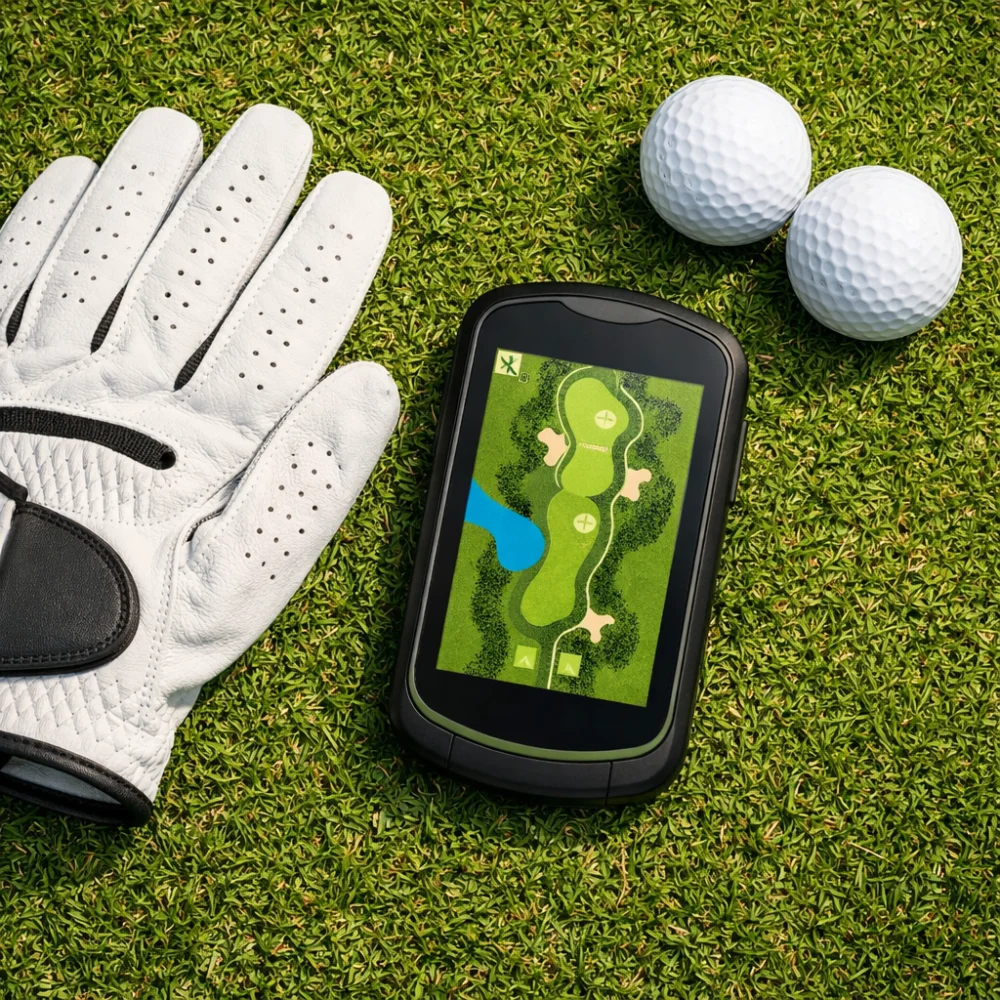
Golf handheld GPS devices are designed for players who want quick distance information without relying on guesswork. They can help you assess yardages to the green, hazards and lay-up points, but the right choice depends on how you like to read the course and carry your gear.
If you are deciding between a handheld GPS unit, a golf watch or a laser rangefinder, the main question is how you prefer to get information during a round. A handheld device usually gives a larger screen and easier map-style viewing than a watch, while still being more convenient than many manual methods.
For most buyers, the best starting point is to think about display size, ease of use and how much course detail you want. Specifications vary by model, so always check the individual product page before buying.
What should you look for in a golf handheld GPS device?
The most useful handheld GPS is the one that fits your round routine, not the one with the longest feature list. A clear screen, simple operation and the course information you actually use are usually more important than adding functions you may never check.
| Feature | What It Means | Why It Matters | What To Check |
|---|---|---|---|
| Screen and visibility | How easy it is to read distances and maps at a glance | Clearer displays can reduce delays and make information easier to use in bright light | Screen size, layout clarity and whether the information is readable for you outdoors |
| Course information | The kind of distance data and hole detail shown | Different players need different levels of detail, from simple yardages to more visual course views | Whether it shows front, middle and back distances, hazards or hole mapping |
| Ease of operation | How simple it is to start a round and navigate menus | A device that is awkward to use can slow play and become frustrating | Menu layout, button use or touch control, and how quickly it updates on course |
| Portability | How easy it is to carry and keep with you during a round | Handheld devices need to be convenient enough to use hole after hole | Size, weight and whether the form factor suits your pocket, bag or trolley routine |
| Power and charging | How the device is powered and maintained between rounds | Battery expectations affect how often you need to charge or replace power | Charging method, expected battery approach and how that fits your playing frequency |
| Durability and weather resistance | How well the unit copes with regular outdoor use | Golf gear is used in changing conditions, so build quality matters for everyday confidence | Materials, weather resistance claims and general suitability for course use |
Which features matter most?
Display quality
A bigger or clearer display can make a handheld GPS easier to use than a smaller device, especially if you want to glance at yardages quickly. The trade-off is usually size versus convenience: a larger screen may be easier to read, while a compact unit may be simpler to carry.
Look at whether the screen is meant to show a simple distance readout or a fuller map-style view. If you prefer less information and faster checks, a basic layout may be enough; if you like more visual context, a more detailed display may suit you better.
Course data and layout
Some buyers only need direct yardages, while others want extra detail such as hazards or hole shape. The more information a device shows, the more helpful it can be for strategy, but the more you may need to interpret before each shot.
Check whether the product page mentions the sort of information shown on screen. Avoid assuming that a handheld GPS will work exactly like a laser rangefinder, because the two tools answer slightly different buying needs.
Controls and ease of use
A straightforward interface matters because golf is played in motion, not at a desk. If a device takes too many taps or feels fiddly in a pocket, you may stop using its more advanced functions.
Touchscreen models may feel intuitive to some buyers, while button-based models can be easier to operate in wet or gloved conditions. The better choice depends on your preference for speed, clarity and simple handling.
Power, charging and upkeep
Think about how often you play and how you prefer to manage charging. A device that suits occasional rounds may feel different from one used every week or in competitions.
Specifications vary by model, so always check the individual product page before buying.
What types of handheld GPS device are there?
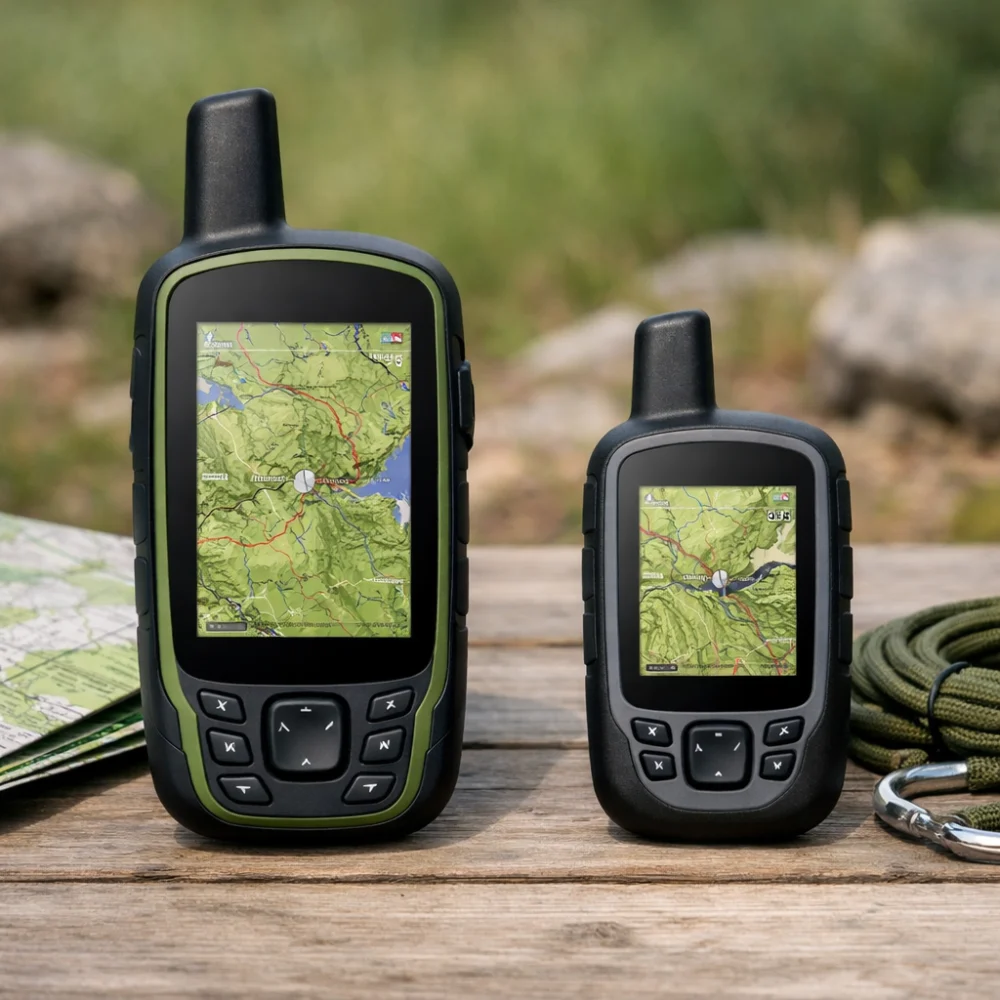
Within this category, the main differences usually come from screen style, level of course detail and overall form factor rather than radically different product types. That means comparison is often about how the unit presents information rather than about a completely separate use case.
- Simple distance-focused devices suit golfers who mainly want quick yardages and minimal distraction.
- Map-style handheld units suit players who want more visual course awareness and are happy to spend a little longer reading the display.
- Feature-rich units may appeal to golfers who want extra data, but they can also feel more complex if you only need the basics.
Which kind of buyer suits which device?
| Buyer need | More suitable characteristics | Why this fit works |
|---|---|---|
| Quick, simple distance checks | Clear readout, easy controls, uncluttered display | Reduces friction when you only want fast yardage information |
| More strategic course planning | Larger screen, more detailed hole information, hazard views | Helps you understand the hole before you choose a shot |
| Portable, low-fuss carry | Compact design and simple handling | Easier to keep with you throughout a round |
| Comfort with visual navigation | Map-style display and clear on-screen layout | Useful for buyers who prefer context over minimal numbers |
| Occasional or gift purchase | Simple operation and broadly useful features | Less risk of buying something overly specialised |
Common mistakes to avoid
- Choosing only by feature count. More functions do not always mean a better match. Focus on the information you will actually use on the course.
- Ignoring screen readability. A feature-rich display is less useful if it is hard to read quickly outdoors.
- Assuming all GPS tools do the same job. Handheld GPS devices, watches and laser rangefinders each suit different habits and preferences.
- Overlooking practical handling. If a device is awkward to carry, charge or operate, it may get used less often.
Safety and suitability considerations
Golf handheld GPS devices are generally straightforward consumer electronics, but they still need to suit your way of playing. Check whether the device is comfortable to carry, easy to read in outdoor conditions and appropriate for the level of detail you want during a round.
If you plan to use it in changeable weather, review any stated weather resistance or outdoor-use information on the individual product page. Do not assume that every model has the same protection or the same battery approach.
Maintenance, storage and everyday use
Basic care usually comes down to keeping the device clean, storing it safely between rounds and managing battery charging sensibly. If a model uses a charging cable or dock, think about where you will keep that equipment so the device is ready when you need it.
Handheld GPS devices are easiest to live with when they are treated as part of your regular golf kit rather than as a separate gadget. A tidy carry solution, regular charging and careful storage can make the device more convenient to use over time.
How can you compare options efficiently?
- Decide whether you mainly want yardages, fuller course detail or a simple all-round tool.
- Compare display size, readability and the style of information shown.
- Check how easy the device is to carry, operate and keep charged.
- Consider whether a more compact, simpler or more detailed model matches your round routine.
- Read the individual product page carefully for the exact features and specifications.
Buyer checklist
- Does the display suit how you read information on the course?
- Does it show the kind of distance data you actually want?
- Is the device easy to carry and use during a round?
- Is the control style comfortable for you?
- Do the power and maintenance expectations fit your routine?
- Have you checked the individual product page for the exact specification?
Frequently asked questions
What does a golf handheld GPS device actually help with?
It helps by giving you distance information and, on some models, more visual course context. That can make it easier to plan shots and understand the hole without relying on guesswork. The exact detail level depends on the individual model.
Is a handheld GPS better than a golf watch?
Not necessarily; it depends on how you like to use information during a round. A handheld device usually offers a larger screen and easier viewing, while a watch can be more compact and always on your wrist. The better choice is the one that feels least awkward in play.
Can I use a handheld GPS instead of a laser rangefinder?
You can use one as a different kind of distance tool, but it does not serve exactly the same purpose as a laser rangefinder. A handheld GPS is often chosen for broader course information and convenience, while a laser tool is typically used for line-of-sight distance checks. The right option depends on how you want to measure and interpret distances.
Do more features always mean a better device?
No. More features can be useful, but only if they match the way you play. If you mainly want quick distances, a simpler device may feel easier and less distracting than a heavily featured one.
What should I prioritise if I am buying for the first time?
Start with readability, ease of use and the basic information you want on the course. A first-time buyer usually benefits more from a clear, simple device than from extra functions that may not get used. It is worth checking the product page carefully so you know exactly what the model offers.
Are these devices suitable as a gift?
Yes, if you know the golfer prefers practical technology and would value course information during play. A good gift choice is usually one with simple controls and broadly useful features, rather than something highly specialised. It also helps to choose a style that suits the recipient’s usual golf routine.

