
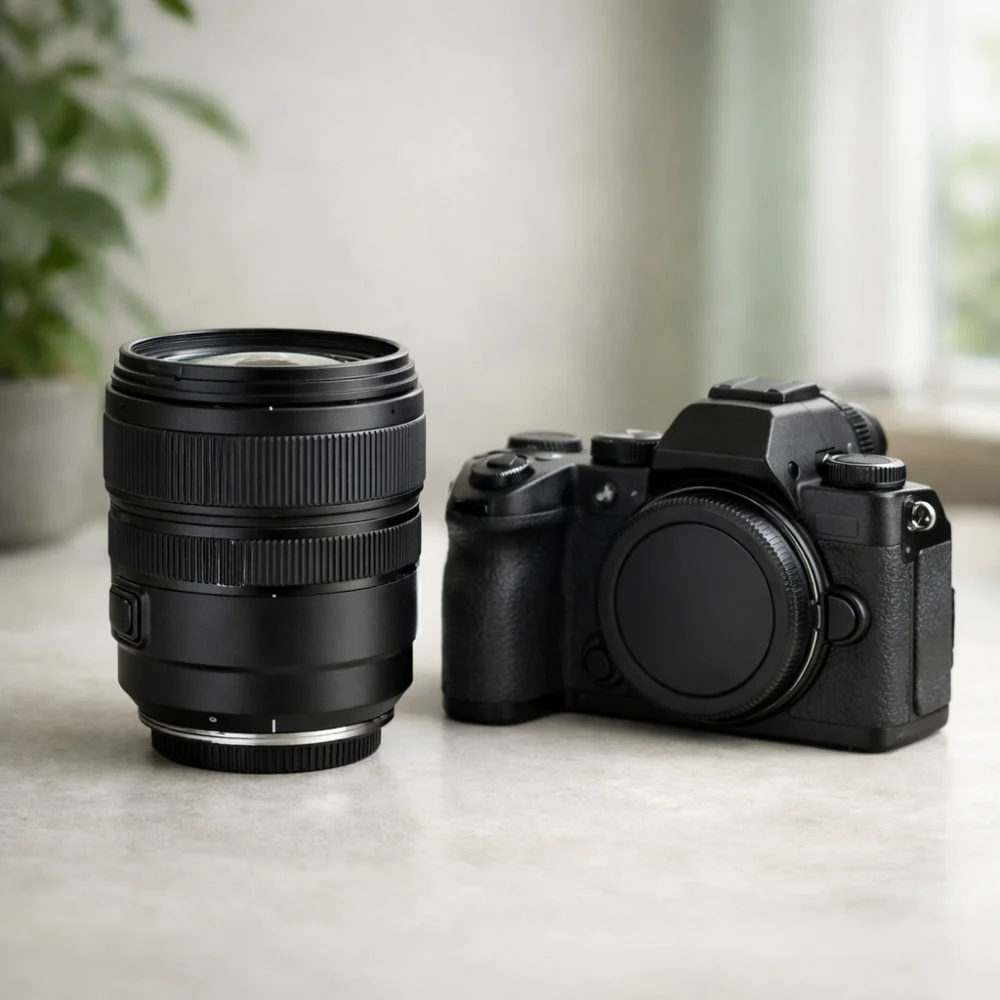
Sigma camera lenses cover a wide range of photographic needs, from everyday shooting to more specialised work. If you are comparing options in this category, the main challenge is not just choosing a focal length, but making sure the lens suits your camera mount, subject matter and practical handling needs.
This guide focuses on the buying questions that matter most: what the lens is for, how different designs affect use, and which details are worth checking on the individual product page. It is designed to help you narrow the field before you look at specific products.
Specifications vary by model, so always check the individual product page before buying.
What should I look for when choosing a Sigma camera lens?
Start with compatibility, then decide what you want to photograph. The most important trade-off is usually between reach, brightness, size and versatility: a lens that does one job very well may be less flexible for general use. Once you know the mount and the intended use, compare focal length, maximum aperture and whether the lens is meant for a specific format or style of shooting.
For many buyers, the right choice is the lens that removes the most friction from their usual subjects rather than the lens with the most impressive-sounding headline feature.
| Feature | What It Means | Why It Matters | What To Check |
|---|---|---|---|
| Mount compatibility | The lens must match the camera body mount | An incompatible mount will not be suitable for your camera | Confirm the exact mount listed on the product page |
| Focal length | The angle of view and subject reach the lens provides | It affects framing, perspective and how close subjects appear | Choose a range that suits portraits, landscapes, wildlife or general use |
| Maximum aperture | How much light the lens can admit at its widest setting | It influences low-light flexibility and background blur | Check the widest aperture and think about the shooting conditions you face |
| Lens type | Prime or zoom, and any specialist design features | It shapes convenience, image-making style and size | Decide whether you want simplicity, flexibility or a specialist option |
| Handling and size | The physical balance and portability of the lens | Comfort matters if you carry the lens for long periods | Consider the lens body, hood use and how it will feel on your camera |
Key decision criteria explained
Mount and camera system
The first check is whether the lens matches your camera mount. This is the most basic compatibility point and it is easy to overlook if you are comparing several similar-looking lenses. A lens may share the same brand name but still be intended for a different camera system, so read the product details carefully.
Focal length and shooting distance
Focal length affects how wide or tight your framing feels. Wider focal lengths suit scenes, interiors and environmental shots, while longer focal lengths bring distant subjects closer and can help with isolation. Think about the subjects you actually photograph, not just the numbers on the listing.
Aperture and light gathering
A wider maximum aperture can be helpful when you want more light or more control over background separation. The trade-off is often that lenses with bright apertures can be larger, heavier or more expensive. If you mostly shoot in good light or value convenience more than subject separation, a slower lens may still be a sensible choice.
Prime or zoom
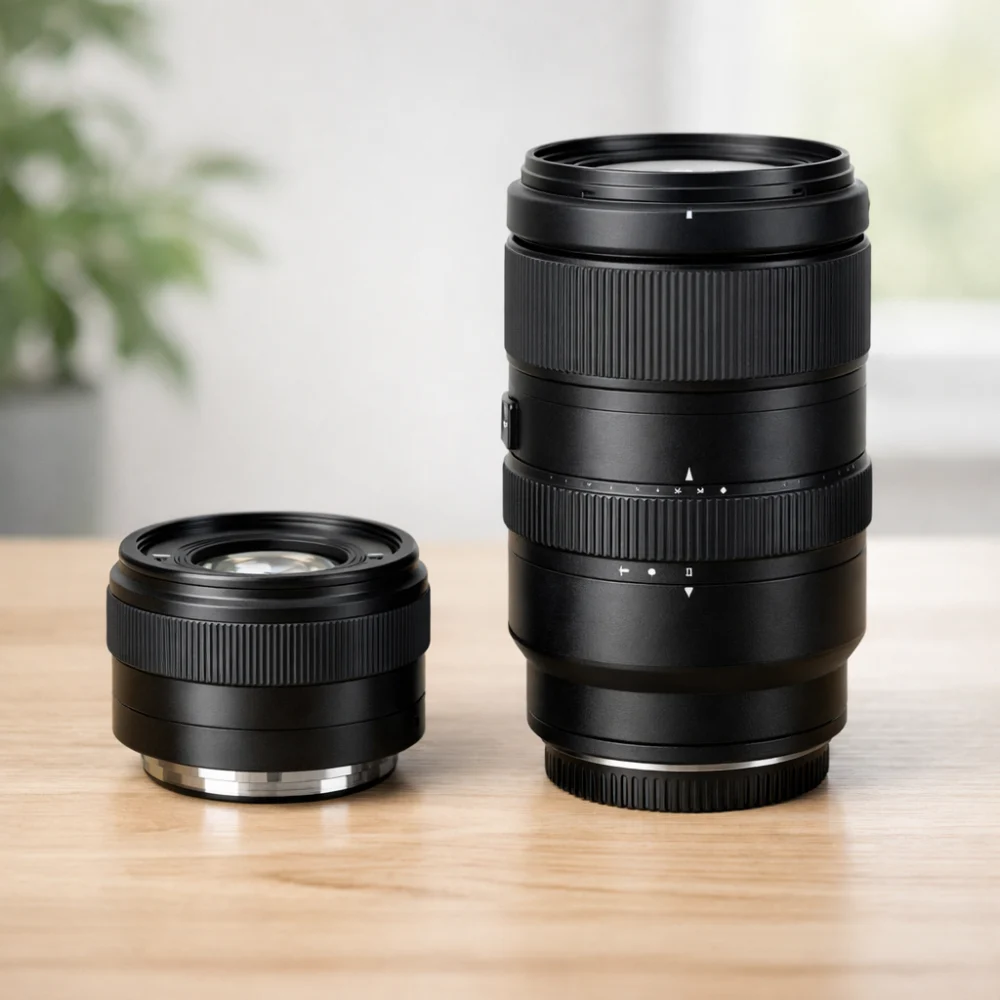
Prime lenses usually offer a fixed focal length, which can encourage a simpler, more deliberate way of shooting. Zoom lenses are more flexible when your framing needs change quickly. Neither is automatically better; the right choice depends on whether you value portability and consistency or convenience and range.
Size, weight and handling
A lens that seems ideal on paper can be less appealing if it feels awkward in regular use. Consider whether you travel often, shoot for long sessions or prefer a lighter kit. Handling is especially important if the lens will be used handheld for extended periods.
Common Sigma lens types and how they differ
Sigma lenses in this category can be broadly grouped by how they are used rather than by a single feature. Understanding the type helps you avoid comparing products that solve different problems.
- General-purpose zooms: Useful when you want one lens to cover a range of subjects and shooting situations.
- Prime lenses: Better suited to buyers who prefer a fixed focal length and a simpler setup.
- Specialist lenses: Designed for narrower needs such as close-up work, wider views or longer reach.
Each type involves a different balance of flexibility, size and shooting style. If you are unsure, compare the type of work you do most often rather than the category title alone.
Which Sigma camera lens suits different buyers?
| Buyer need | Useful characteristics | Main trade-off |
|---|---|---|
| Everyday general use | Flexible focal range and straightforward handling | May be less specialised for one subject |
| Portrait-focused shooting | A focal length and aperture that help separate the subject from the background | Can be less versatile than a general zoom |
| Travel or walk-around use | Reasonable size, weight and a useful range of framing options | May not offer the brightest aperture |
| More deliberate, subject-specific work | A prime or specialist lens matched to one main task | Less convenience when conditions change |
Common mistakes and misunderstandings
- Buying by focal length alone: The same focal length can feel different depending on your camera and the lens design, so check the full listing rather than one number.
- Assuming every mount is interchangeable: Sigma makes lenses for different camera systems, so mount compatibility is essential.
- Choosing the brightest aperture without considering size: Faster lenses can be bulkier, so think about whether you will actually carry and use that weight.
- Overlooking the subject you shoot most: A lens that seems impressive may not be as useful as one matched to your regular subjects.
Safety and suitability caveats
Camera lenses are generally straightforward to buy, but they still need to suit the body they will be used with. Check the exact product listing for mount, intended use and any included accessories before ordering. If you are buying for a specific camera body, avoid assuming that a lens with a similar name will fit in the same way.
Maintenance, storage and lifespan considerations
Lens care affects long-term value, so think beyond the first purchase. A lens hood, front cap and rear cap can help with everyday protection, while a clean storage place reduces the chance of dust or knocks. If you plan to travel with the lens, a protective case or padded bag may also be worth considering, depending on the product and your kit.
It is also sensible to think about filter sizes, caps and hoods as part of ownership rather than after purchase, because accessories may need to match the lens exactly.
How to compare options efficiently
- Confirm the camera mount and make sure the lens is intended for your system.
- Decide whether you need a zoom for flexibility or a prime for a fixed shooting style.
- Compare focal length, aperture and handling against the subjects you actually photograph.
- Weigh convenience against size, weight and low-light flexibility.
- Check the full individual product page for any model-specific details before you buy.
Buyer decision checklist
- Does the lens match your camera mount?
- Is the focal length suitable for your main subjects?
- Does the maximum aperture suit your light levels and style of shooting?
- Would a zoom or a prime make more sense for how you work?
- Is the size and weight comfortable for regular use?
- Have you checked the individual product page for any model-specific details?
Frequently asked questions
What is the first thing to check before buying a Sigma lens?
Check mount compatibility first. If the lens does not match your camera system, the rest of the specifications will not matter for your setup. After that, focus on focal length and aperture so you know whether the lens suits your subject matter.
Is a zoom lens always better than a prime lens?
No. Zoom lenses are more flexible, but prime lenses can be simpler, lighter and better suited to a fixed way of shooting. The better choice depends on whether you value convenience or a more focused lens design.
Why does aperture matter if I already know the focal length?
Aperture affects how much light the lens can take in and how much control you may have over background separation. Two lenses with similar focal lengths can still behave very differently in low light or when you want a softer background.
Should I choose the brightest aperture available?
Not necessarily. Wider apertures can be useful, but they often come with trade-offs in size, weight and cost. If you mostly shoot in good light or prefer a lighter kit, a less extreme aperture may be a better fit.
How important is lens size and weight?
Very important if you carry your camera often or shoot for long periods. A lens that is comfortable to use tends to get used more, which can matter more in practice than a specification that looks attractive on paper.
Can I judge a lens by its name alone?
It is safer not to. Product names can hint at lens type or focal length, but the details that matter most are usually in the full product page, including mount, aperture and intended use.
What if I am choosing a lens as a gift?
Try to confirm the recipient’s camera mount and the sort of photography they do most often. A broadly useful lens is not always the safest gift if the camera system or shooting style is unknown.
Why should I read the individual product page carefully?
Because specifications vary by model. The product page is where you can check the exact mount, focal length range, aperture and included items before you decide.

