
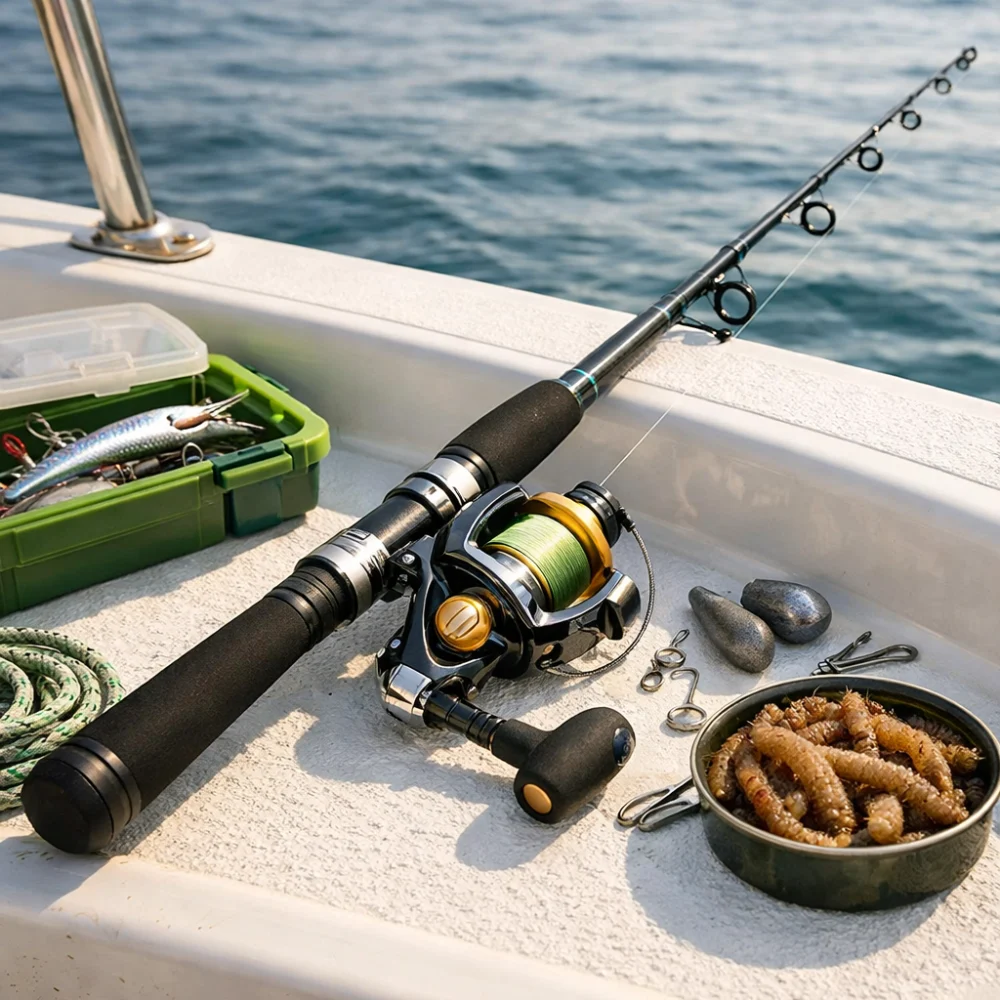
Boat rods are built for fishing from a boat rather than from the bank, so the choice is usually shaped by where you fish, what species you are targeting and how much control you want over the bait or lure. The right option can make fishing more comfortable and more effective, but the most suitable rod depends on the type of fishing you do.
This guide helps you compare the features that matter most without overcomplicating the decision. It is aimed at anglers choosing a first boat rod, replacing an old one, or narrowing down a better match for a particular style of boat fishing.
Because boat rods vary widely by length, power and build style, it helps to focus on practical fit rather than brand names alone. Specifications vary by model, so always check the individual product page before buying.
What should you look for in a boat rod?
The best starting point is to match the rod to your fishing style, the tackle you expect to use and the space available on the boat. A shorter, sturdier rod is often easier to manage in confined conditions, while a different setup may suit trolling, ledgering or working a bait more precisely. The main trade-off is usually between leverage, comfort and the level of control you want over the presentation.
| Feature | What it means | Why it matters | What to check |
|---|---|---|---|
| Rod length | The overall length of the rod | Influences handling space, leverage and ease of use on a boat | Whether the length suits the boat space and the way you fish |
| Power or line class | How much load the rod is designed to handle | Affects suitability for lighter or heavier fishing approaches | The stated class or recommended line range on the product page |
| Action | How and where the rod bends under load | Changes bite feel, casting control and how the rod responds under pressure | Whether the action suits your target fish and technique |
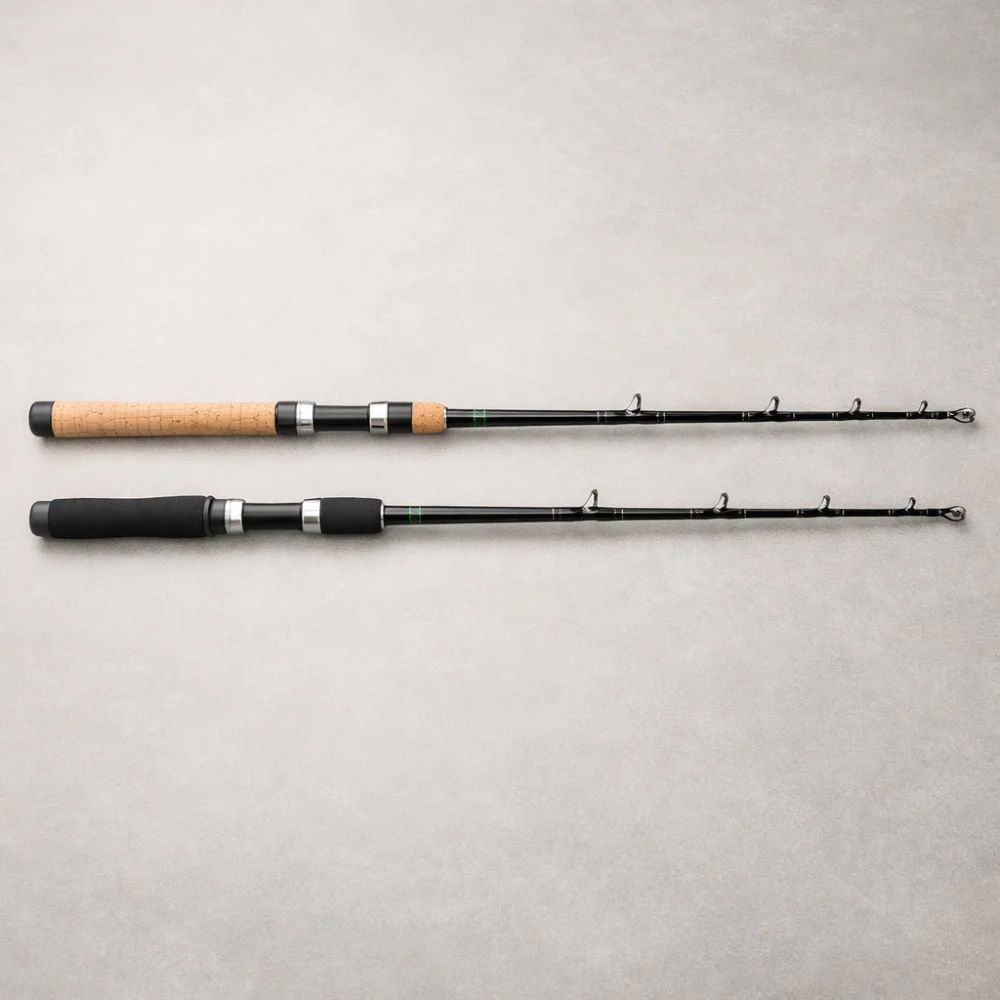
| Handle style | The grip and butt section design | Supports comfort, control and bracing while fishing | Grip length, butt style and whether it feels practical from a boat |
| Guide layout | The number and arrangement of line guides | Helps manage line flow and load distribution | Guide type, spacing and whether it matches your reel and line choice |
| Section count | Whether the rod is one-piece or breaks down into sections | Impacts storage and transport convenience | How easy it is to carry, store and stow aboard |
Key decision criteria explained
Length and handling
Boat rods are often chosen with the limited space on deck in mind. A rod that is too long can feel awkward when landing fish or fishing around rails, while a shorter rod may be easier to control in close quarters. Think about whether you want a rod that feels compact and responsive, or one that gives a little more reach and leverage.
Power and line class
Power is one of the clearest ways to narrow the choice. Lighter classes are generally better suited to less demanding fishing, while heavier classes are aimed at stronger fish or more demanding conditions. The useful check is not the label alone, but whether the stated rating fits your intended line, rigs and target species.
Action and feel
Action affects how the rod loads up and how directly it transmits movement and pressure. A more responsive feel can help with control and bite detection, while a more forgiving bend may be easier when playing a fish. The right balance depends on whether you prioritise sensitivity, fish-playing comfort or a bit of both.
Handles, butt design and comfort
On a boat, comfort is not a minor detail. A handle that is easy to brace and hold for longer periods can make a significant difference, especially if you fish all day or use heavier tackle. Check whether the grip length and butt style look practical for the way you fish from seated or standing positions.
Guide placement and line management
Guides help keep the line running smoothly and distribute pressure along the blank. Their layout matters because it can influence how well the rod behaves under load and how easy it is to manage line during the fight. If you are comparing rods, look for a design that appears well matched to the type of reel and line you plan to use.
Common boat rod types and variants
Within this category, the most useful distinctions are usually about how the rod is built and how it is intended to fish, rather than a long list of unrelated variants.
- Shorter boat rods: Often chosen for compact handling and ease of use on a crowded deck.
- Heavier-duty rods: Suited to stronger fish, heavier tackle or more demanding offshore fishing.
- More compact travel-friendly builds: Useful when transport and storage matter as much as fishing performance.
- Rod-and-reel combo options: Can reduce guesswork for a buyer who wants a simpler starting point, although the included reel should still be checked for suitability.
The main limitation is that no single variant does everything equally well. A rod that feels versatile may not be the most comfortable choice for a very specific technique, and a specialist option may feel less flexible for general use.
Which boat rod suits which buyer?
| Buyer need | What to prioritise | Why it helps |
|---|---|---|
| New boat angler | Straightforward specifications, manageable length and a clear line class | Makes the first purchase easier to match to typical boat fishing |
| Angler replacing an old rod | Close match to the previous rod’s length, power and handling feel | Helps avoid ending up with something that feels unfamiliar on the water |
| Heavier offshore use | More robust build and a rating suited to the intended load | Supports more demanding tackle and conditions |
| Limited storage or transport space | Sectioned or more compact designs | Makes carrying and stowing the rod easier |
| Gift buyer | General-purpose specifications rather than niche features | Reduces the risk of choosing something too specialised |
Common mistakes to avoid
- Choosing by length alone: Length matters, but power and action are just as important for how the rod will actually perform.
- Assuming a stronger-looking rod is always better: A heavier rod may be less comfortable if it is more than you need.
- Ignoring storage and transport: If the rod needs to fit a small car or boat locker, sectioning can matter as much as fishing performance.
- Overlooking reel and line compatibility: The rod should suit the rest of your setup, not just look suitable on its own.
Safety and suitability notes
Boat fishing places rods in a more confined environment than bank fishing, so comfort and control are practical concerns as well as preference issues. Make sure the rod is appropriate for the conditions, the fishing method and the amount of space you have on board. If you are unsure about a rating or configuration, check the individual product page carefully before committing.
Care, storage and lifespan considerations
General care is usually simple, but it still affects value. Rinse and dry the rod after use if it has been exposed to salt or wet conditions, store it so the guides and blank are not bent or knocked, and check that any sections or fittings are kept clean. A rod that is looked after properly is more likely to keep its feel and function for longer, although wear still depends on use and handling.
How to compare boat rods efficiently
- Start with your fishing style and the space you have on the boat.
- Shortlist rods with a length and power that fit that use.
- Compare action, handle comfort and guide layout next.
- Check whether the rod suits your reel, line and intended species.
- Read the individual product page carefully before deciding.
Summary buyer decision checklist
- Does the rod suit boat fishing rather than bank fishing?
- Is the length practical for the space you will fish in?
- Does the power or line class match your intended use?
- Does the action suit the feel and control you want?
- Is the handle style comfortable for longer sessions?
- Will it fit your storage, transport and setup needs?
- Have you checked the individual product page for the exact specification?
Frequently asked questions
What makes a boat rod different from other fishing rods?
A boat rod is designed with boat-side fishing in mind, so it is usually chosen for handling, leverage and control in a more confined space. That does not mean every boat rod is the same, because different models suit different techniques and target fish. The useful question is how the rod will feel and perform in the conditions you actually fish.
Do I need a short rod for boat fishing?
Shorter rods are often easier to manage on a boat, but the ideal length depends on your style and the room you have. Some anglers prefer a compact rod for control, while others want a little more reach or leverage. Look at the whole specification rather than length alone.
Is a heavier rod always better for offshore fishing?
Not necessarily. A heavier rod can suit stronger fish and more demanding setups, but it may also be less comfortable if you do not need that extra capacity. The best choice is the lightest rod that still matches your intended use confidently.
Can I use a boat rod with any reel?
Not every reel will be a good match, even if it can physically be attached. It is better to check whether the rod’s guide layout, power and intended use suit the reel and line you plan to use. Specifications vary by model, so always check the individual product page before buying.
What if I am buying a boat rod as a gift?
If you are unsure about the recipient’s exact setup, a more general-purpose rod is usually safer than a very specialised one. Try to match the likely fishing style and avoid guessing too far up or down in power. A careful check of the product page will help reduce the chance of an awkward mismatch.
How much do sectioned rods matter?
They matter most when storage and transport are important. A sectioned rod can be easier to carry and stow, but the right choice still depends on how it fishes and how it feels in use. If portability is a priority, this is worth checking early in the buying process.

