
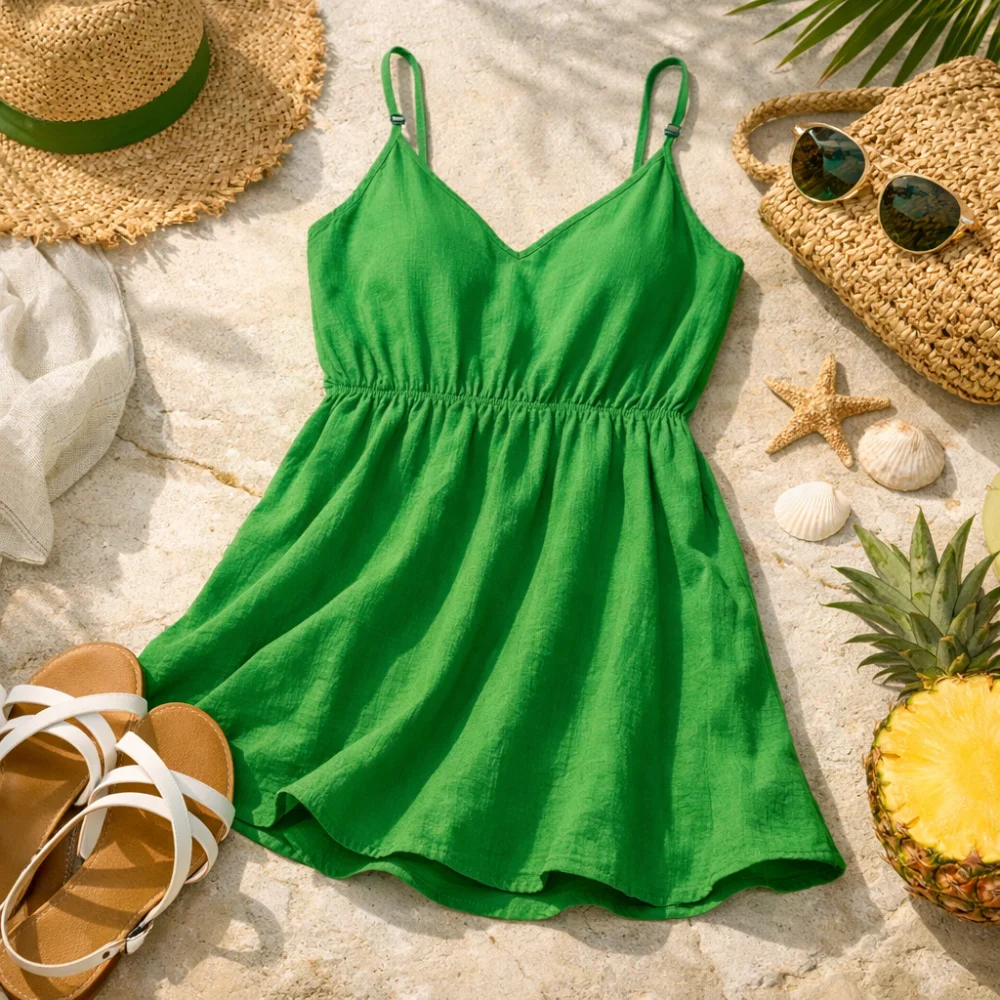
Sundresses are a straightforward summer wardrobe choice, but there is still plenty of variation in how they fit, feel and suit different occasions. Some buyers want something relaxed for warm-weather everyday wear, while others are mainly looking for a dress that works for holidays, days out or casual gatherings.
The useful question is not just whether a dress looks summery, but how it will wear in real life. Neckline, strap style, length, shape and fabric all affect comfort, coverage and how easy the dress is to move in.
This guide focuses on the buying decisions that matter most, so you can compare options more confidently and avoid choosing on appearance alone.
What should you look for in a sundress?
The best starting point is to think about where and how often you plan to wear it. A good sundress for everyday use may prioritise comfort and ease, while one for travel or occasions may put more emphasis on shape and versatility. The main trade-off is usually between a lighter, looser feel and a more structured silhouette. Specifications vary by model, so always check the individual product page before buying.
| Feature | What It Means | Why It Matters | What To Check |
|---|---|---|---|
| Length | How far the dress falls on the body | Affects coverage, movement and how formal the dress feels | Look for the stated length category and consider where you plan to wear it |
| Strap or sleeve style | Whether the dress is strapless, sleeveless or has short sleeves | Changes comfort, tan-line exposure and how secure the dress feels | Check the neckline and shoulder design on the product page |
| Shape | The overall silhouette, such as relaxed, fitted or flared | Influences comfort, airflow and how the dress sits on different body shapes | Read the fit description and look at how the style is cut |
| Fabric feel | The general material type and drape | Can affect breathability, crease resistance and day-to-day comfort | Check the fabric listing and any care notes provided |
| Closures and details | Features such as ties, buttons, elastic or pockets | These can change ease of wear and how practical the dress feels | Confirm which details are included rather than assuming from the style name |
Key decision criteria explained
Fit and ease of movement
A sundress should feel comfortable enough to wear for several hours, especially in warm weather. A looser cut may feel more relaxed and forgiving, while a more shaped design can look neater but may feel less easy to move in. If you prefer comfort first, look for wording that suggests a relaxed, swing or flowy fit.
Coverage and confidence
Some sundresses are designed to be light and open, while others provide more coverage through longer lengths, wider straps or fuller skirts. Think about how much shoulder, back or leg coverage you want for your usual settings. This matters as much for comfort as for style.
Occasion and styling flexibility
Many sundresses are casual by nature, but some are easier to dress up than others. A simple shape and neutral tone may be more flexible, while prints and statement details can be more distinctive but less adaptable. If you want one dress to do several jobs, versatility is often more valuable than novelty.
Fabric choice and feel
Fabric is one of the biggest reasons two sundresses with similar shapes can feel very different. Lighter fabrics may suit hot weather and travel, while denser fabrics may hold their shape better. Check the description for the material type and any care guidance, especially if you want something easy to wash and rewear.
Common sundress types and variants
Sundresses are not defined by one single cut, so shoppers usually choose between a few broad style directions.
- Strappy or sleeveless sundresses suit hot weather and casual wear, but provide less upper-body coverage.
- Bandeau or strapless styles can feel lighter and more open, but may require more attention to fit and support.
- Shorter sundresses often feel easy and informal, while longer versions can offer more coverage and a slightly dressier look.
- Flowy or swing styles are usually chosen for comfort and movement, though they may feel less tailored.
- Button-front, tie-front or detail-led designs add visual interest and can change how the dress sits on the body.
If a style name sounds specific, still check the product photos and details. A dress may be described as a sundress while sharing features with other summer dress styles.
Which sundress suits different needs?
| Buyer need | More suitable features | Why that helps |
|---|---|---|
| Everyday comfort | Relaxed fit, simple shape, easy-care fabric | Feels less restrictive and is easier to wear often |
| Holiday packing | Lightweight feel, versatile colour or print, easy styling | Works with different footwear and layers without much effort |
| More coverage | Longer length, wider straps, less open neckline | Offers a more modest feel and can be easier in mixed settings |
| Dressier casual wear | Cleaner silhouette, more structured finish, simple detailing | Can look more polished without needing much accessorising |
| Warm-weather ease | Sleeveless or strappy design, flowy cut | Usually feels cooler and less restrictive in hot conditions |
Common mistakes and misunderstandings
- Choosing by print alone. A pattern may look appealing, but fit and fabric usually determine whether the dress is actually wearable.
- Assuming all sundresses are very casual. Some are simple and relaxed, while others are better for a neater daytime look.
- Ignoring length details. The same style can feel very different depending on where it falls on the body.
- Overlooking support needs. Strapless or open styles may suit some buyers well, but not everyone will find them equally comfortable.
- Forgetting practical details. Pockets, closures and care instructions can matter more in everyday use than decorative features do.
Safety and suitability caveats
Sundresses are a clothing category, so the main concern is suitability rather than technical performance. Check that the style suits your intended use, level of coverage and comfort preferences. If you are buying for specific activities, such as travel, long days out or outdoor events, make sure the dress is appropriate for movement, weather and the settings you expect.
Maintenance, storage and lifespan considerations
For many buyers, the long-term value of a sundress comes down to how easy it is to care for and wear again. Check the cleaning guidance and think about whether the fabric is likely to suit your routine. If a dress needs more careful washing or storage, that may be fine for occasional wear, but less convenient for frequent use.
Small details also affect lifespan in practical terms. Repeated wear, washing and packing can matter more than the style name itself, so look for clear information about fabric composition and care where it is provided.
How to compare options efficiently
- Decide when you will wear the dress most often.
- Choose the length, coverage and strap style that suit that use.
- Compare the fabric description and general fit notes.
- Check practical details such as pockets, closures and care guidance.
- Read the individual product page carefully before choosing.
Summary buyer decision checklist
- Does the length suit your intended use?
- Do you want more coverage or a lighter, more open style?
- Will the fit feel comfortable for several hours?
- Does the fabric sound suitable for warm weather and your care routine?
- Are any useful details, such as pockets or closures, clearly listed?
- Does the overall style fit the occasions you have in mind?
Frequently asked questions
What makes a dress a sundress?
A sundress is usually a light, warm-weather dress designed for easy casual wear. The exact look can vary a lot, but the common idea is a comfortable summer dress with a relaxed feel. It is best to check the individual product details rather than relying only on the name.
Are sundresses only for holidays?
No. Many people wear sundresses for everyday summer use, errands, days out or casual social plans. Some styles are more holiday-focused, but others are simple enough for regular wear. The right choice depends on the shape, fabric and how much coverage you want.
How do I choose between a short and a longer sundress?
Think about comfort, coverage and where you will wear it. Shorter styles often feel lighter and more informal, while longer options can feel a little more covered and versatile. Neither is automatically better; it depends on your preferences and intended use.
What details are most worth checking before buying?
Length, strap style, fit and fabric are usually the most important. Useful extras such as pockets, ties or button fronts can make a dress more practical, but they should support the main fit decision rather than replace it. If you are unsure, start with the basics first.
Can one sundress work for several occasions?
Yes, if the shape and colour are fairly versatile. Simpler designs are usually easier to dress up or down than bold statement pieces. A flexible sundress is often one that feels comfortable enough for daytime wear but neat enough to suit casual plans too.
Should I pay more attention to style or fabric?
Both matter, but fabric often determines how the dress feels in use, while style determines where you are likely to wear it. If you already like the look, check whether the fabric and fit suit your practical needs. That balance usually leads to a better purchase than style alone.

