
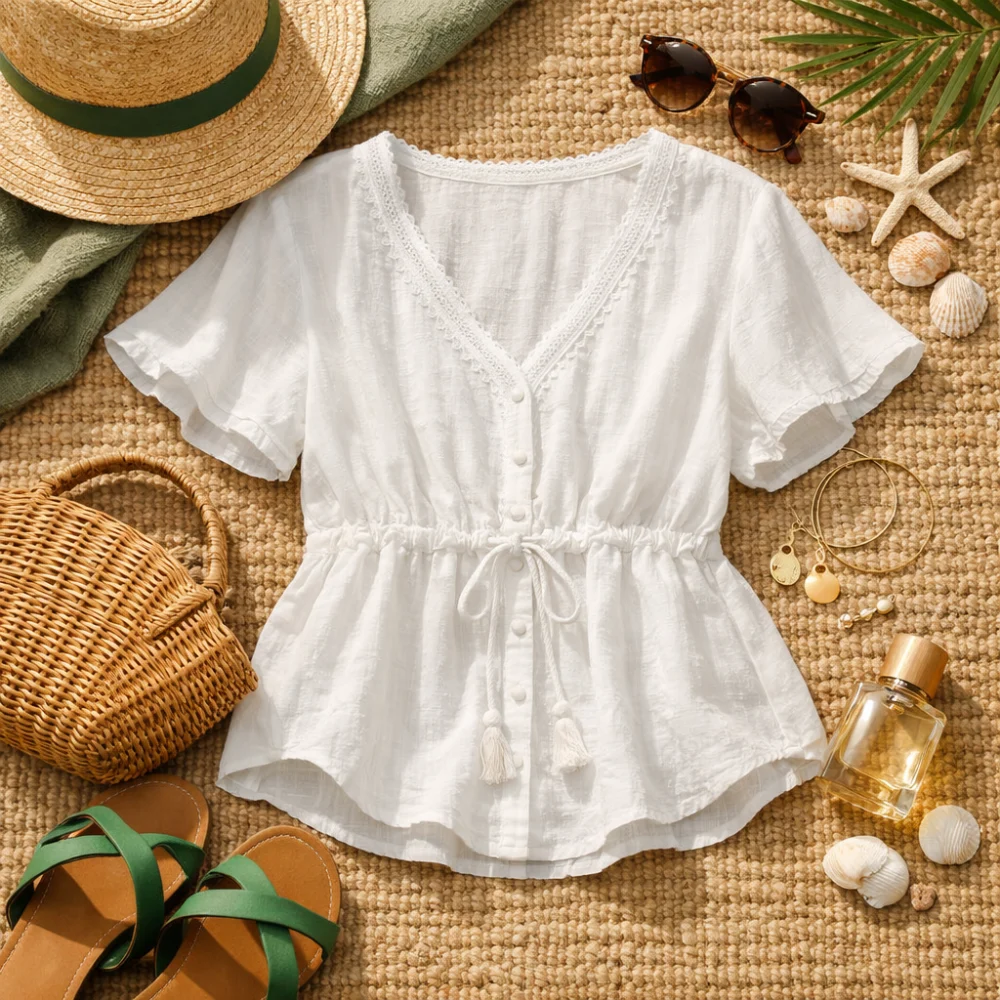
Women’s summer blouses cover a wide range of warm-weather tops, from relaxed everyday pieces to more polished styles that work for smart-casual wear. If you are comparing options, the main decision is usually not just style, but how airy, covered and easy to wear you want the blouse to feel.
Because this category includes many different cuts and fabrics, it helps to think first about where you will wear it, how much movement you want and whether you prefer a loose or more shaped fit. Specifications vary by model, so always check the individual product page before buying.
What should you look for in a summer blouse?
Start with the balance between comfort, coverage and appearance. A lighter, looser blouse can feel more breathable on hot days, while a slightly more structured style may look neater for work, travel or going out. The best starting point is usually the fabric and the fit, because those two choices affect comfort more than the decorative details.
| Feature | What It Means | Why It Matters | What To Check |
|---|---|---|---|
| Fabric | The material the blouse is made from | Influences breathability, drape and how warm or cool it feels | Look for the material description and whether the fabric is designed to feel light or more structured |
| Fit | How close or relaxed the blouse sits on the body | Affects comfort, layering and how smart the top looks | Check the cut description, size guidance and whether the style is loose, tailored or tunic-length |
| Sleeve length | How much arm coverage the blouse gives | Changes comfort in warm weather and how formal the top appears | Review whether it is sleeveless, short sleeve, cap sleeve or longer sleeved |
| Neckline | The shape of the opening at the neck | Can make a blouse feel more open, modest or dressy | Look for V-neck, round neck or button-front details |
| Fastening and detail | Buttons, ties, pleats, lace or other design elements | Can affect styling, ease of wear and how polished the blouse looks | Check the front closure and any decorative features that may change the fit or care needs |
| Length | Where the hem sits on the body | Helps decide whether the blouse works tucked, untucked or layered | Check if it is cropped, waist-length or longer in style |
Key decision criteria explained
Fabric and feel
Fabric is often the biggest factor in how wearable a summer blouse feels. Buyers usually want something that looks light without feeling flimsy, and something that suits the occasion rather than one single setting. If you want a blouse for everyday wear, prioritise comfort and ease of movement; if you want one for smarter outfits, look for a fabric and finish that hold their shape more neatly.
Fit and silhouette
Fit affects both comfort and style. A relaxed blouse can be easier in hot weather and simpler to wear over a vest or camisole, while a more fitted shape may look sharper but feel less forgiving. Check whether the product is described as loose, regular or tailored, and pay attention to any size notes if the style is meant to be roomy or close-fitting.
Sleeves and coverage
Summer blouses range from sleeveless styles to longer sleeves that offer more arm coverage. Shorter sleeves often feel cooler, while slightly longer sleeves can make the blouse more versatile across changeable weather or different dress codes. If you are sensitive to heat, sleeve length and fabric weight matter more than decorative details.
Neckline and front design
Necklines change both comfort and appearance. A V-neck can feel more open and less restrictive, while a higher neckline may suit people who prefer more coverage. Button-front designs can make a blouse look more structured, but they may also change how the top sits across the bust, so the shape is worth checking carefully.
Length and styling use
The hemline helps determine how you will actually wear the blouse. A shorter top may work better tucked into shorts, skirts or trousers, while a longer or tunic-style blouse gives more coverage and can be easier to wear loosely. Think about whether you want a piece that is mainly for casual outfits or one that can move between casual and smarter settings.
Product types and variants
Within women’s summer blouses, the main differences are usually in cut rather than in a completely separate product type. Some styles are airy and relaxed for casual wear, while others are more shaped or embellished for a smarter look. The right choice depends on how much structure you want and whether the blouse needs to work with shorts, jeans, trousers or layered outfits.
- Relaxed blouses: Good for comfort and easy summer wear, especially if you want extra airflow. The trade-off is that they may look less structured.
- Tailored or button-front blouses: Useful if you want a neater appearance. The trade-off is that they can feel less forgiving in the fit.
- Tunic-style blouses: Often suited to people who want more length and coverage. The trade-off is that they can look less crisp if you prefer a shorter, tucked style.
- Decorative blouses: Designs with lace, pleats or print detail can add interest. The trade-off is that they may be slightly less versatile than plainer options.
Which blouse suits which buyer?
| Buyer need | What to prioritise | Why it helps |
|---|---|---|
| Very warm-weather wear | Light-feeling fabric, looser fit and shorter sleeves | These choices usually feel cooler and less restrictive |
| Smart-casual dressing | Neater cut, cleaner neckline and a more structured finish | These details help the blouse look more polished |
| More coverage | Longer sleeves, tunic length or a higher neckline | Gives a more covered feel without leaving the category |
| Easy everyday wear | Simple fit, straightforward fastening and minimal fuss | Makes the blouse easier to put on, style and repeat |
| Layering over a vest | Roomier cut and enough space at the shoulders and bust | Helps the blouse sit comfortably over another top |
Common mistakes and misunderstandings
- Choosing by print alone: A pretty pattern does not guarantee comfort. Fit and fabric usually matter more for everyday wear.
- Ignoring sleeve length: A blouse can look summery but still feel too warm if the sleeve and fabric combination is not right for you.
- Overlooking length: A blouse that looks good online may be shorter or longer than expected on your frame, which affects styling.
- Assuming all relaxed styles are the same: Some loose blouses drape softly, while others are simply oversized. That changes how they look and feel.
Safety and suitability caveats
For a clothing category like this, the main caveat is suitability rather than safety. Check the fabric, fit and care information so you know whether the blouse matches your comfort needs and intended use. If you are buying for a specific setting, such as work or travel, think about how the neckline, coverage and transparency may affect wearability.
Maintenance, storage and lifespan considerations
Summer blouses often need a little more care than very basic tops if they have delicate fabrics, trims or decorative finishes. If easy care matters to you, check whether the blouse is likely to need gentle washing, careful drying or extra attention when storing. The simpler the construction, the easier it is usually to keep in regular rotation.
How to compare options efficiently
- Decide where you will wear the blouse most often.
- Choose the level of coverage and structure you prefer.
- Compare fabric, fit, sleeve length and neckline first.
- Check length and fastening details for how you plan to style it.
- Review the individual product page for the exact sizing and care information.
Summary buyer decision checklist
- Does the fabric suit warm weather and your comfort preference?
- Is the fit relaxed enough, or structured enough, for your needs?
- Does the sleeve length suit the weather and the setting?
- Is the neckline and fastening style comfortable for you?
- Will the length work tucked, untucked or layered as you want?
- Have you checked the product page for sizing and care details?
Frequently asked questions
What makes a blouse suitable for summer?
Summer suitability usually comes down to how light, breathable and comfortable the blouse feels in warm weather. A looser fit and shorter sleeves often help, but the fabric and overall construction matter just as much. Look for a balance that suits both the temperature and where you plan to wear it.
Is a tunic blouse the same as a regular blouse?
Not exactly. Tunic blouses are usually longer and may give more coverage, while regular blouses are often shorter or more fitted. If you want something to wear loosely over trousers or leggings-style outfits, a tunic shape may be more practical.
Which neckline is easiest to wear?
That depends on personal preference and where you will wear it. A V-neck can feel open and versatile, while a higher neckline gives more coverage. The easiest choice is usually the one that feels comfortable on your body and suits your usual outfits.
Should I choose a loose or fitted summer blouse?
A loose blouse is often better for relaxed comfort and warmer days, while a fitted style can look neater and more tailored. The right answer depends on whether you value ease or a more polished shape. If you are unsure, a regular fit is often the safest starting point.
How do I know if the blouse will work with my wardrobe?
Think about the bottoms and shoes you already wear most often. A blouse that works with several existing outfits is usually more useful than one that only suits a single occasion. Neutral colours and simple cuts are often easier to style, but the best choice is the one that fits your own wardrobe needs.
Do decorative details make a blouse less versatile?
Sometimes they can. Lace, pleats, ties or bold prints may make a blouse feel more distinctive, but they can also narrow the occasions it suits. If you want maximum flexibility, a simpler design is usually easier to rewear in different ways.

