
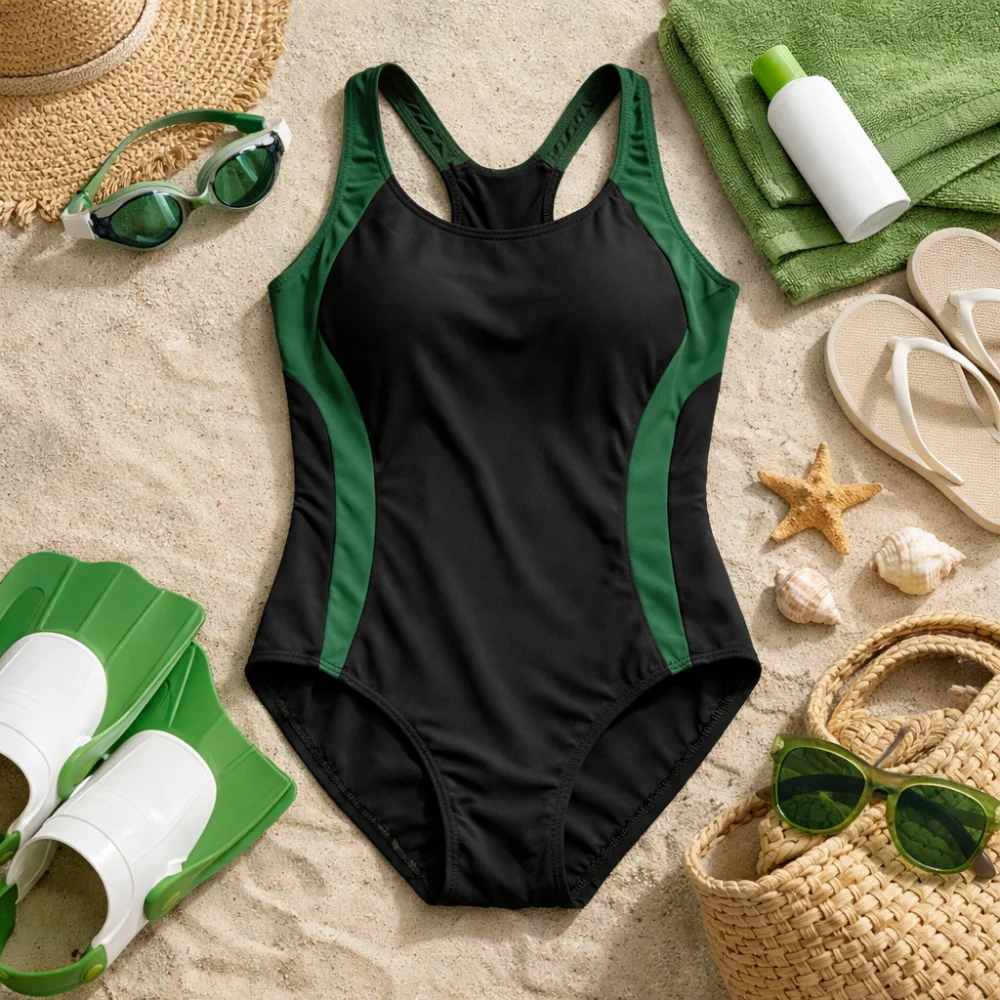
Women’s one-piece swimsuits are a straightforward choice for swimming, beach days and holiday packing when you want coverage in a single garment. They can feel more secure than separate swimwear, but the right option still depends on how you like the suit to fit, move and support you.
This guide focuses on the buying decisions that matter most: neckline, straps, coverage, support and how the suit is likely to feel once wet. If you are comparing styles for pool use, travel, sun protection or comfort, a few practical checks can make the choice much easier.
What should you look for in a women’s one-piece swimsuit?
Start with fit, support and coverage rather than the printed pattern or colour. A one-piece can be simple and minimal or more structured and supportive, so the best starting point is how you want it to sit on your body and what activities you plan to do in it. If you want the suit mainly for relaxed swimming or lounging, comfort may matter more than shaping detail; if you expect more active wear, secure straps and a closer fit may matter more.
Specifications vary by model, so always check the individual product page before buying.
| Feature | What it means | Why it matters | What to check |
|---|---|---|---|
| Fit | How the swimsuit sits through the torso, bust and leg opening | A good fit affects comfort, coverage and how confident the suit feels in movement | Size guidance, stretch level and whether the cut suits your proportions |
| Straps | How the suit is held up on the shoulders | Straps influence support, stability and tan-line preference | Whether they are fixed, adjustable or cross-back in style |
| Coverage | How much of the torso, back and seat the suit covers | Coverage affects modesty, sun exposure and comfort in different settings | Neckline height, back opening and leg cut description |
| Support | The amount of hold built into the bust area | Support can make a suit feel more secure and comfortable for longer wear | Any mention of shelf support, shaping seams or built-in bust support |
| Use case | Where and how you expect to wear it | Different settings can favour different levels of coverage and restraint | Whether you need something for swimming, sunbathing, travel or general beachwear |
Which details make the biggest difference?
Neckline and back shape
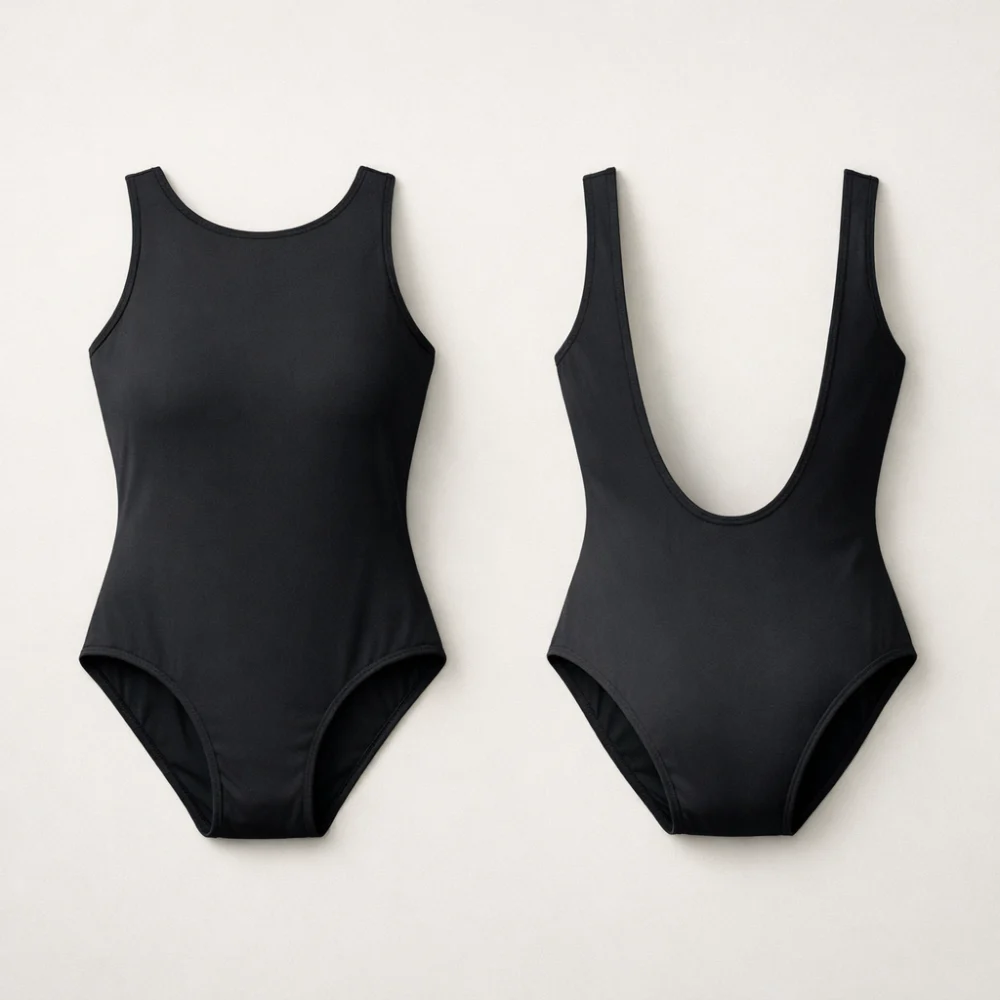
Neckline and back shape change both the look and the feel of the swimsuit. A higher neckline can feel more covered, while a lower or open back may feel lighter and less restrictive. If you are concerned about movement, think about how much shoulder and back freedom you prefer, not just the visual style.
Strap style
Straps can affect comfort more than many buyers expect. Wider or more stable straps may suit longer wear, while thinner straps can feel lighter but may offer less hold. If the product page mentions adjustable straps, that can make it easier to fine-tune the fit, especially if you sit between sizes.
Bust support and lining
Some one-piece swimsuits are designed with more shaping or support than others. That can matter if you want a suit that feels secure when swimming or walking around all day. Look for descriptions that mention support features, but remember that the level of hold will still vary from model to model.
Leg cut and torso length
The leg opening and torso length influence comfort as much as style. A suit that is too short through the body can ride up or pull at the shoulders, while a suit with a more generous torso length may feel easier to wear for some body shapes. If the size guide includes torso measurements, use them where available.
Common one-piece swimsuit styles and variants
Within this category, the main differences are usually about cut and support rather than completely different product types.
- Simple classic styles suit buyers who want an uncomplicated, versatile swimsuit for regular use.
- Strap-led styles such as halter or cross-back shapes may appeal to buyers who want a different feel across the shoulders.
- More coverage-led styles can be a better fit if modesty or sun-conscious coverage matters more than a minimal look.
- More shaped or supportive styles may suit buyers who want a firmer feel rather than a very relaxed fit.
The right variant depends less on fashion alone and more on whether you want ease, security, coverage or a specific silhouette.
How different buyers can compare their options
| Buyer need | Useful features to prioritise | What to be careful about |
|---|---|---|
| Relaxed holiday wear | Comfortable fit, easy straps, moderate coverage | Overly structured styles that feel restrictive |
| Regular swimming | Secure straps, stable bust area, practical neckline | Styles that look good but feel loose in water |
| More modest coverage | Higher neckline, fuller back and seat coverage | Assuming every one-piece covers the same amount |
| Short torso or long torso fit concerns | Clear size guidance and torso-length clues | Choosing purely by dress size without checking shape |
| Packing light for travel | Simple design and easy care expectations | Assuming all fabrics will behave the same when wet or packed |
Common mistakes to avoid
- Choosing only by colour or print. A flattering or eye-catching design is useful, but fit and support matter more for day-to-day wear.
- Ignoring torso length. If the body length is not right, the suit may feel tight or pull in the wrong places.
- Assuming every one-piece is supportive. Support varies a lot, so check the product wording carefully.
- Overlooking coverage preferences. Back, leg and neckline shapes can change how comfortable the suit feels in different settings.
Safety and suitability checks
A swimsuit should suit the activity and the wearer, not just the style you like most. If you are buying for swimming, holidays or occasional wear, check whether the suit looks comfortable enough for movement, sitting and getting in and out of the water. If modesty, sun exposure or support are important to you, read the product description closely rather than assuming the cut will behave like a similar style you have owned before.
Use care when comparing suits across brands, because sizing, stretch and support can vary. That is why the same size label does not always feel identical from one product to another.
Care, storage and long-term use
One-piece swimsuits usually last better when they are rinsed and dried according to the care guidance on the individual product page. Salt, chlorine, sun cream and heat can all affect how a swimsuit feels over time, so it is sensible to think about how often you will wear it and how you will store it between uses. If you want a suit for repeated pool sessions, it is worth checking the care notes as closely as the style details.
How to compare options efficiently
- Decide where you will wear it most often: pool, beach, holiday or general swim use.
- Choose the level of coverage and support that feels comfortable to you.
- Check strap style, neckline and torso fit before looking at colours or decoration.
- Compare the size guidance on each product page carefully, especially if you are between sizes.
- Review the care information so you know how much upkeep the swimsuit is likely to need.
Summary checklist before you buy
- Does the fit suit your torso length and bust area?
- Do the straps and neckline match how much support you want?
- Is the coverage right for your comfort level and planned use?
- Have you checked the size guide and any fit notes on the product page?
- Have you considered how the suit will be cared for after use?
Frequently asked questions
How do I know if a one-piece swimsuit will fit well?
Look beyond the size label and check the fit guidance, especially if the product page mentions torso length or bust support. A good fit should feel secure without pulling at the shoulders or digging in at the leg opening.
Are one-piece swimsuits always more modest than bikinis?
Not necessarily. Some one-piece swimsuits offer fuller coverage, while others have lower backs, higher leg cuts or other more revealing details. Coverage depends on the exact design, so check the product images and description carefully.
What is the main difference between a swimsuit with thin straps and one with wider straps?
Strap shape mainly affects comfort and support. Thinner straps can feel lighter, while wider or more structured straps may feel more stable for longer wear.
Should I choose a one-piece for swimming or for lounging?
Either can work, but the best choice depends on what matters most to you. For active swimming, a secure and stable fit is usually more important; for lounging, comfort and personal style may take priority.
Do one-piece swimsuits stretch the same way across all models?
No, stretch and recovery can vary by model and fabric construction. That is why it is worth checking the product page and size guidance rather than assuming every one-piece will fit the same way.
What if I am between two sizes?
If you are between sizes, look for the sizing advice on the product page and consider whether you prefer a firmer or more relaxed fit. Support, torso length and strap comfort can help you decide which direction to go.

