
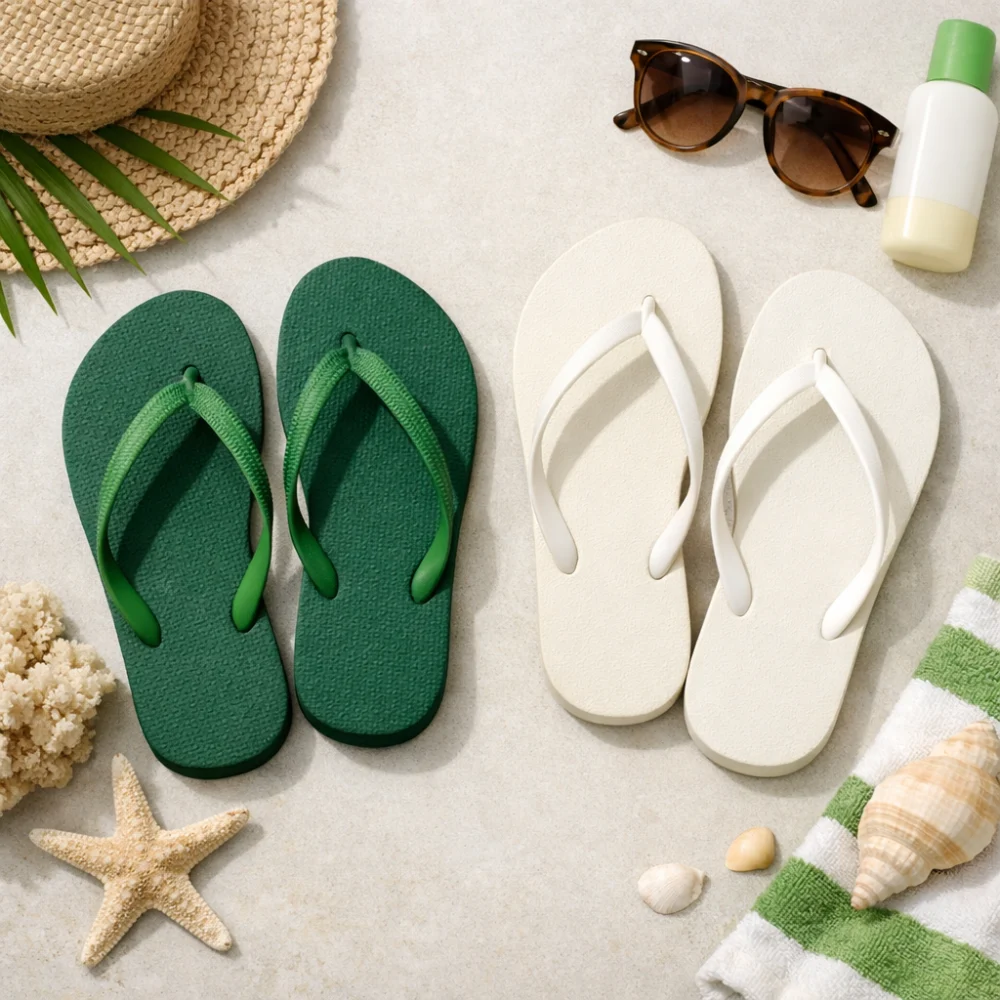
Women’s flip flops are a simple warm-weather footwear choice, but the right pair can feel very different from one model to another. Some buyers want something light and easy for the beach or pool, while others want a pair they can wear for longer periods around town or on holiday.
This guide focuses on the practical choices that matter most: fit, comfort, grip, materials and where you plan to wear them. It is designed to help you narrow the options without turning the decision into more effort than it needs to be.
What should you look for when choosing women’s flip flops?
Start with where and how often you will wear them. For occasional use, a straightforward lightweight pair may be enough, while regular wear usually calls for more attention to comfort, support and durability. The main trade-off is often between a very minimal feel and a more structured design that may be more comfortable for longer wear.
Specifications vary by model, so always check the individual product page before buying.
| Feature | What it means | Why it matters | What to check |
|---|---|---|---|
| Fit | How the flip flops sit on your foot | Good fit helps reduce slipping and awkward rubbing | Size guidance, strap placement and whether the shape suits a wider or narrower foot |
| Footbed comfort | The surface your foot stands on | A more comfortable footbed can make them easier to wear for longer | Cushioning, contouring and whether the design is flat or more shaped |
| Strap style | How the toe post and straps are arranged | This affects stability, feel and how secure the sandal seems when walking | Strap material, softness and whether the toe post looks likely to feel comfortable for you |
| Sole grip | The underside texture and tread | Grip matters on wet or smooth surfaces | Outsole pattern and whether the product description mentions traction |
| Material | The main material used in the upper and sole | Material affects weight, flexibility, feel and ease of cleaning | Whether you prefer a simple foam style, a rubber-like feel or another finish |
| Intended use | Where the flip flops are likely to be worn | Different settings need different levels of comfort and robustness | Beach, poolside, holiday, casual everyday wear or packing as a spare pair |
Key decision criteria explained
Fit and sizing
Flip flops should feel secure enough to walk in without your foot sliding too far forward or back. If the footbed is too short, your heel or toes may overhang; if it is too long, the sandal may feel loose. It is worth checking how the product describes fit and whether it looks suited to your usual size or foot shape.
Comfort for longer wear
Some flip flops are designed mainly for quick, casual use, while others are shaped to feel more comfortable over longer periods. Features such as a slightly contoured footbed or softer strap materials can make a noticeable difference. If you expect to wear them for most of the day, comfort should usually matter more than the lightest possible construction.
Grip and stability
Grip is easy to overlook until you use flip flops on wet paving, poolside surfaces or smooth floors. A better tread or more thoughtful sole design can help, although no sandal style is ideal in every condition. If you know you will be moving around on damp surfaces, this is worth checking carefully.
Materials and feel
The material choice affects how the sandals feel, how much they weigh and how easy they are to wipe clean. Simple materials can be very practical for holidays and casual wear, while some buyers prefer a softer or more cushioned feel. Think about whether you want something minimal and easy to pack or something that feels a little more supportive.
Common types and variants
Within women’s flip flops, the biggest differences usually come from the footbed, strap design and overall finish rather than dramatic style changes. A very simple flat pair is often best for short, casual use. More shaped or cushioned versions may suit buyers who want a bit more comfort, while decorative finishes can appeal if you want them to feel less purely functional.
If you are choosing between very similar-looking pairs, compare the sole shape and strap feel first. Those are often more important than colour or surface finish for day-to-day comfort.
Which type suits which buyer?
| Buyer need | What to prioritise | Why it helps |
|---|---|---|
| Holiday and beach use | Lightweight feel, easy cleaning and simple grip | Useful for quick changes, sand and casual wear |
| Everyday summer wear | More comfort, secure fit and a footbed that feels stable | Better for repeated use beyond the beach or pool |
| Short occasional use | Practicality and value | You may not need a more structured design if wear time is limited |
| Gift buying | Flexible sizing guidance and a broadly wearable style | Helps reduce the risk of choosing something too specific |
Common mistakes and misunderstandings
- Choosing only by appearance: a style you like may still feel uncomfortable if the strap or footbed shape does not suit you.
- Assuming all flip flops are the same: small differences in fit and sole shape can change how easy they are to wear.
- Ignoring where they will be used: a pair that is fine for the beach may not be the best choice for a lot of walking.
- Overlooking sizing details: the way the sandal sits on the foot can matter as much as the size label.
Safety and suitability caveats
Flip flops are usually best for casual, warm-weather wear rather than demanding walking or uneven ground. If you know you need more support, more foot coverage or a more secure feel, consider whether a different style would be more suitable. It is also sensible to check individual product details if you have specific comfort needs or foot-shape considerations.
Maintenance, storage and lifespan considerations
Many flip flops are easy to look after, but they still benefit from basic care. Wiping them clean after beach or pool use and letting them dry fully before storing them can help keep them in better condition. If you plan to pack them for holidays, think about how much space they take up and whether the material is likely to squash or bend easily.
How to compare options efficiently
- Decide where you will wear them most often.
- Choose the level of comfort you need for that use.
- Compare the fit, strap style and sole shape.
- Check whether grip and material suit the surfaces you expect to walk on.
- Read the individual product page carefully before deciding.
Summary buyer decision checklist
- Will they be used for occasional or regular wear?
- Does the fit look suitable for your foot shape and usual size?
- Is the footbed comfortable enough for the time you expect to wear them?
- Does the strap style look likely to feel secure and comfortable?
- Is the sole appropriate for beach, poolside or casual walking?
- Have you checked the product page for any model-specific details?
Frequently asked questions
Are flip flops suitable for all-day wear?
Sometimes, but it depends on the design and on your own comfort preferences. A more shaped or cushioned pair may feel better than a very flat style if you expect to wear them for longer periods. If you want all-day comfort, compare the footbed and fit carefully.
How do I know if the size is right?
The simplest check is whether your foot looks naturally supported by the footbed without overhanging at the heel or toes. If you are between sizes or unsure about the fit, read the product page carefully for size guidance. The way the straps sit is often just as important as the size label itself.
What is the main difference between basic and more supportive flip flops?
Basic pairs are usually simpler and lighter, while more supportive styles may have a more shaped footbed or a more substantial feel underfoot. The difference matters most if you plan to walk in them more often. A more structured design can be worth considering if comfort is a priority.
Are flip flops good for wet surfaces?
They can be useful around pools or at the beach, but grip varies from one pair to another. Check the sole and tread rather than assuming every style will perform the same way. Even then, it is sensible to stay cautious on smooth or wet ground.
What should I prioritise if I am buying a pair for holiday packing?
Lightweight construction, easy cleaning and a style that will work with several outfits are often the most practical choices. If you expect to wear them frequently during the trip, comfort should still matter. A pair that is easy to pack but uncomfortable to walk in will not be a good travel companion.

