
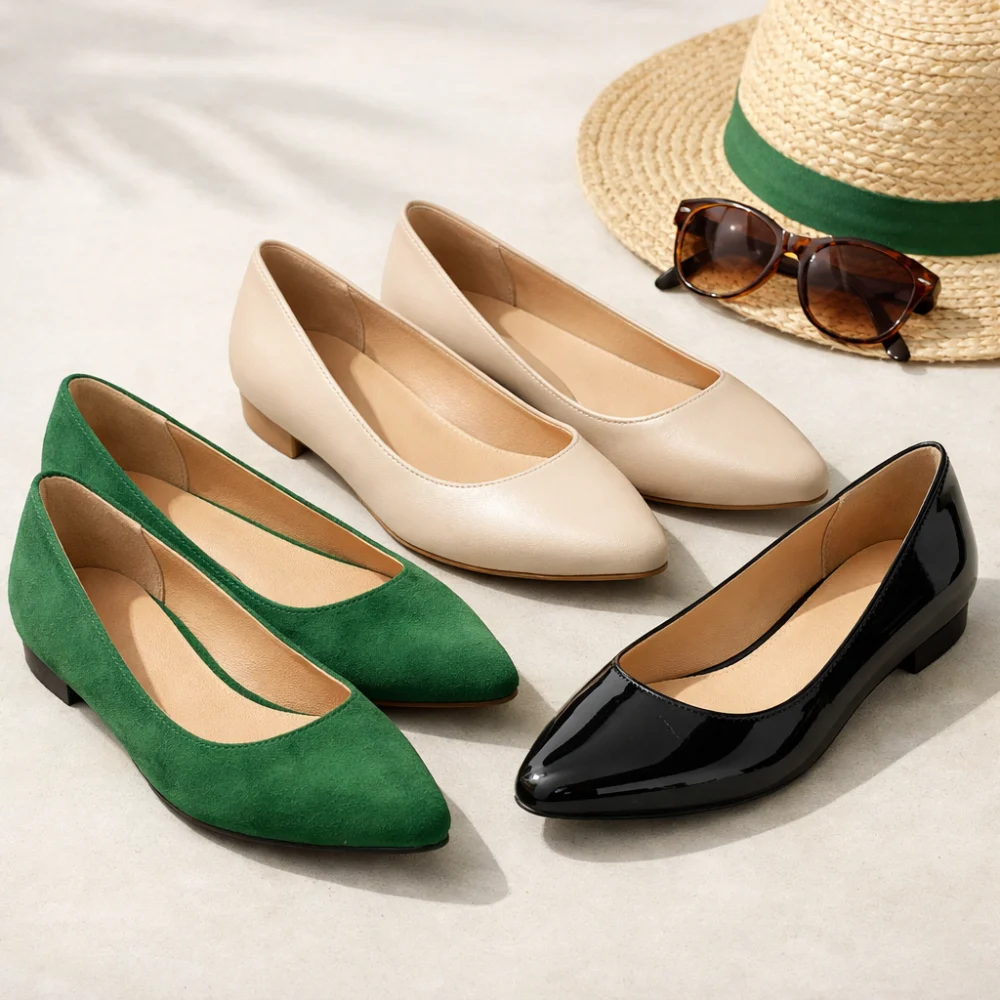
Women’s pumps are a simple, versatile footwear choice for casual outfits and lighter everyday wear. They are often chosen for ease, comfort and a neat look that sits somewhere between trainers and more structured shoes.
This guide helps you work out which style of pump suits your routine, how to compare features that affect comfort, and what to check before you buy. It stays focused on buying decisions rather than fashion trends, so you can narrow the options quickly.
What should you look for when buying women’s pumps?
The best starting point is fit and feel. A pump may look similar to another pair, but the upper shape, toe room, fastening and sole construction can make a big difference to comfort across a full day. Choose the style that suits how you will wear it most often: quick slip-on use, regular walking, or something a little more secure for longer outings.
Specifications vary by model, so always check the individual product page before buying.
| Feature | What it means | Why it matters | What to check |
|---|---|---|---|
| Fit | How the shoe sits on the foot, including width and toe room | A poor fit can make a neat-looking shoe uncomfortable very quickly | Size guidance, shape of the toe area, and any notes about narrow or roomy fit |
| Fastening | Whether the pump slips on, laces up or uses another closure | Affects how easy it is to put on and how secure it feels | Fastening type and whether you prefer convenience or a more adjustable fit |
| Upper material | The outer material used for the shoe | Influences look, flexibility, breathability and care needs | Material description and any care information on the product page |
| Sole feel | How the sole is shaped and how firm or flexible it seems | Changes comfort, ground feel and how suitable the shoe is for walking | Any description of cushioning, flexibility or support |
| Style profile | The overall shape and appearance of the pump | Helps match the shoe to casual wear, smart-casual outfits or daily use | Toe shape, side profile and how the shoe is described for styling |
| Care and upkeep | How easy the shoe is to clean and store | Useful if you want a pair that stays presentable with little effort | Cleaning advice and whether the material is likely to need more careful handling |
Key decision criteria explained
Fit and foot shape
Fit matters more than almost any other detail in this category. Some pumps sit close to the foot, while others feel roomier or more relaxed. If you often find shoes tight across the toes, look closely at the shape of the front of the shoe and any product notes about fit.
Slip-on or fastened
Many pumps are designed to be easy to wear, but ease and security are not always the same thing. Slip-on styles suit quick, casual use, while laced or otherwise fastened options may feel more adjustable. The right choice depends on whether you value convenience, fit control or a more secure feel.
Material and finish
Materials affect both comfort and maintenance. Softer uppers may feel more flexible, while some finishes are easier to wipe clean. Consider whether you want a pair that is mainly about a neat look, or one that will be worn frequently and needs to stay easy to manage.
Sole and comfort level
For short trips and occasional wear, a light, simple sole may be enough. If you expect to walk more often, look for signs that the shoe is meant to feel more comfortable over time, such as a more considered sole shape or extra attention to fit. Do not assume all pumps will feel the same just because they look similar.
Product types and variants
Within women’s pumps, the main differences are usually about construction rather than dramatic style changes. Some are simple slip-on shoes for everyday wear, while others use laces or another fastening for a more adjustable fit. You may also see variations in upper material, toe shape and overall silhouette.
A simpler pump is often appealing if you want a low-fuss casual shoe. A more structured version may suit someone who wants a closer fit or a slightly smarter appearance. The trade-off is usually between ease of wear, adjustability and the amount of support or coverage you feel the shoe offers.
Which pump suits which buyer?
| Buyer need | What to prioritise | Why |
|---|---|---|
| Quick everyday wear | Easy on-and-off design and a comfortable fit | Convenience matters most when the shoe will be worn often for short outings |
| Longer walking days | Better sole comfort and a secure fit | A shoe that feels fine for a few minutes may not suit a longer day out |
| Neater casual styling | Cleaner silhouette and a finish that matches your wardrobe | Appearance matters more when the pump is chosen as part of an outfit |
| Low-maintenance use | Simple materials and easy care guidance | Some finishes need more attention than others to keep looking tidy |
Common mistakes to avoid
- Choosing by appearance alone. A pump that looks right can still feel wrong if the toe shape or fit is not suited to your foot.
- Assuming slip-on means secure. Easy entry does not always mean a stable fit, especially if the shoe runs loose.
- Ignoring the material. Different uppers can change how the shoe feels, how it breathes and how easy it is to clean.
- Overlooking your actual use. A pair for occasional wear has different priorities from one you expect to wear most days.
Safety and suitability notes
Women’s pumps are a lifestyle footwear choice, so the main question is suitability rather than technical performance. Check whether the shoe is appropriate for the walking, standing or general use you have in mind, and remember that comfort can vary by foot shape as well as size. If you need a shoe for a specific environment or a longer day on your feet, read the product details carefully and compare them with your own needs.
Care, storage and everyday lifespan factors
Good care often starts with choosing a material you are willing to maintain. Some pumps may only need light cleaning, while others may benefit from gentler handling or more careful storage. Let them dry properly if they become damp, and store them in a way that helps them keep their shape. If a pair will be worn regularly, it is worth checking how easy it is to clean and whether the material looks like it will suit frequent use.
How to compare options efficiently
- Decide when and where you will wear the pumps most often.
- Shortlist the fastening style and shape that match your comfort preference.
- Compare the upper material, sole feel and any fit notes on the product page.
- Weigh convenience against adjustability and everyday comfort.
- Check the individual product information before you choose.
Frequently asked questions
Are women’s pumps suitable for everyday wear?
They can be, provided the fit and sole feel suit your routine. Some are best for short casual wear, while others are more comfortable for repeated use. The individual product details matter more than the category name alone.
What is the main difference between pumps and other casual shoes?
Pumps are usually chosen for their simple, easy-to-wear shape and neat appearance. Compared with more structured shoes, they often feel lighter and less formal. The exact feel depends on the material and construction.
Should I choose slip-on or laced pumps?
Choose slip-on if convenience is the priority and you like a simple fit. Choose laced or otherwise fastened options if you want more adjustability or a more secure feel. There is no single right answer; it depends on how you plan to wear them.
How important is the material?
Very important, because it affects comfort, appearance and care. Some materials may feel more flexible or easier to clean, while others may need more attention. Check the product description so you know what level of upkeep to expect.
Do pumps need much breaking in?
That depends on the shoe’s construction and how close the fit is from the start. A pair that already feels comfortable is usually the safer choice. If you are unsure, look for product information that suggests a more forgiving fit or softer construction.
What should I check if I have wider feet?
Focus on toe room, fit notes and the shape of the front of the shoe. A pump that looks slim may feel restrictive even if the size is correct. When in doubt, compare the individual product details carefully before buying.

