
Roof Racks
Roof racks help you carry extra luggage, outdoor gear and bulky equipment safely on top of your vehicle. Whether you’re heading on a UK camping trip, family holiday, cycling weekend, DIY run or outdoor adventure, the right roof rack can free up interior space and make travelling with larger items much easier.
Our roof racks range is designed for practical vehicle storage and transport. From roof bars and load-carrying systems to accessories for bikes, roof boxes, kayaks, ladders and camping kit, you can choose an option that suits your vehicle, load type and travel plans.
- Roof Racks
Amazon Basics Cross Rail Roof Rack 142 cm Pack of 2 Black and Silver
Original price was: £60.89.£51.75Current price is: £51.75. *View On Amazon* - Roof Racks
WAXACAR Aluminium Lockable Roof Rail Railing Rack Bars for Cars with Raised Roof Rails 1.2 Metres
Original price was: £44.99.£38.24Current price is: £38.24. *View On Amazon* - Roof Racks
Thunder Carrier Roof Rack For Kuga 2020 to 2023 Aluminium Lockable Cross Bars CX482 Black
Original price was: £94.99.£85.49Current price is: £85.49. *View On Amazon* - Roof Racks
Thunder Carrier Roof Rack for Peugeot 5008 2017 to 2023 Aluminium Roof Rack Cross Bars Lockable Black
Original price was: £99.99.£89.99Current price is: £89.99. *View On Amazon* - Roof Racks
THUNDER CARRIER Roof Rack for Hyundai Tucson 2015 to 2020 Black Aluminium Roof Rack Cross Bars Lockable
Original price was: £99.99.£89.99Current price is: £89.99. *View On Amazon*


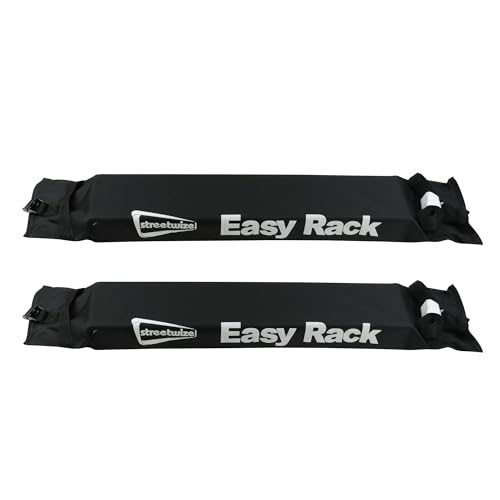

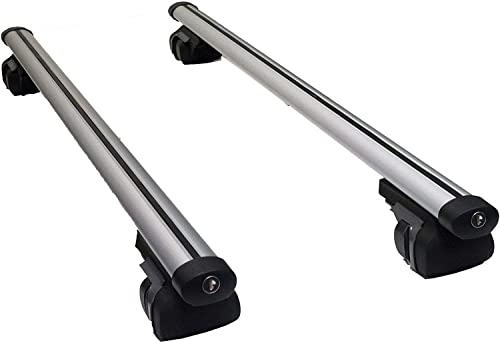


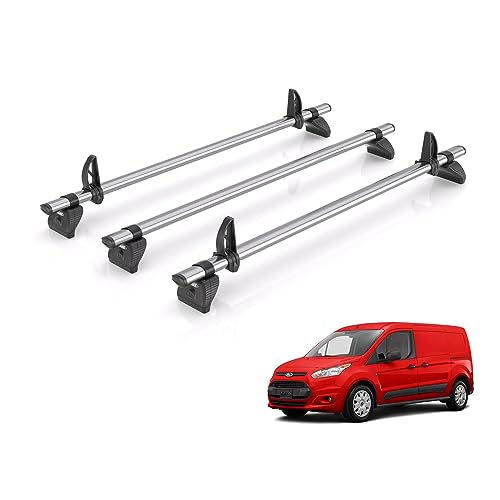


Carry More Without Filling the Car
A roof rack is ideal when your boot is already full of tents, sleeping bags, cooking gear, clothes, cool boxes and family essentials. Instead of squeezing everything into the cabin, a suitable roof rack gives you extra carrying capacity above the vehicle.
For camping and road trips, this can make the journey far more comfortable. Passengers get more space, muddy or bulky kit can be kept out of the car, and awkward items such as roof boxes, bikes, boards or ladders can be transported more easily.
Roof racks are also useful beyond holidays. They can help with work equipment, DIY materials, sports gear and everyday jobs where your vehicle needs extra carrying flexibility.
How to Choose a Roof Rack
Start by checking your vehicle. Roof rack compatibility depends on your car’s make, model, roof type and existing fittings. Some vehicles have raised roof rails, some have flush rails, some have fixed mounting points, and others need a specific fitting kit.
Key decision factors include vehicle compatibility, roof type, maximum roof load, bar width, load capacity, fitting method, lockability, aerodynamics, noise level, accessory compatibility and how often you plan to use the rack.
You should also think about what you want to carry. A roof box, bike carrier, kayak holder or work load may all need different fittings. Always check both the roof rack and vehicle guidance before loading anything onto the roof.
Roof Bars vs Roof Racks
Roof bars are the crossbars that run across the width of the vehicle. They create the base for carrying roof boxes, bike racks, kayak carriers, ladders and other accessories.
A roof rack is often used as a broader term for the full carrying setup. This may include bars, feet, fitting kits, platforms or specialist carrying accessories.
The trade-off is simplicity versus carrying flexibility. Roof bars may be enough if you want to fit a roof box or bike carrier. A larger rack or platform may be better if you need more support for bigger or more awkward loads.
Roof Racks for Camping and Family Holidays
For camping, roof racks can make packing much easier. A roof box can hold bulky but lighter items such as sleeping bags, clothes, blankets or camping accessories, leaving the boot free for heavier kit.
If you’re travelling with bikes, a roof-mounted cycle carrier may be useful where compatible. For watersports trips, specialist carriers can help transport kayaks, paddleboards or surfboards, depending on the rack and vehicle setup.
For family holidays, the main benefit is space. Extra roof storage can stop the car feeling overcrowded and make long journeys more comfortable for everyone.
Raised Rails, Flush Rails and Bare Roofs
Vehicles with raised roof rails usually have rails that sit above the roof with a visible gap underneath. These often allow compatible crossbars to clamp around the rails.
Flush rails sit closer to the roof and usually need a specific fitting design. Vehicles with bare roofs may need a dedicated foot pack and fitting kit that attaches to approved points or door frames, depending on the vehicle.
The most important thing is not to guess. Roof rack fitment is vehicle-specific, so always check the product details and your vehicle guidance before buying.
Load Capacity and Safe Packing
Load capacity is one of the most important roof rack details to check. Your vehicle has a maximum roof load, and the roof rack itself has its own limit too. You need to stay within the lowest stated limit once the rack, accessories and load are all included.
Pack heavier items inside the vehicle where possible and keep roof loads balanced, secure and suitable for travel. Avoid loose straps, uneven weight and loads that could move while driving.
A loaded roof rack can affect handling, braking, fuel use and vehicle height. Take extra care in strong winds, under low barriers, in multi-storey car parks and when driving under trees or height restrictions.
Useful Roof Rack Features to Look For
A good roof rack should be secure, easy to fit and suitable for your vehicle. Lockable fittings can help protect the rack from removal, while aerodynamic bar shapes may help reduce wind noise compared with basic square bars.
Clear fitting instructions, strong clamps, protective contact points and accessory compatibility are all worth checking. If you plan to remove the rack between trips, ease of fitting and storage size may matter more.
Before buying, compare the roof rack’s load rating, dimensions, fitting kit requirements, roof type compatibility and whether it works with the accessories you want to use.
Using Roof Racks Safely
Always fit your roof rack according to the manufacturer’s instructions. Check all clamps, bolts, straps and fixings before setting off, then recheck them during longer journeys.
Make sure the load is secure and cannot slide, lift or loosen while driving. Remove loose items from bikes, boards or roof boxes, and make sure any straps are tied down neatly so they do not flap in the wind.
Never exceed your vehicle’s roof load limit or the rack’s rated capacity. If you are carrying long or unusual items, check the relevant road safety guidance before travelling and make sure your load is visible, secure and legal.
Shop Roof Racks Online
Browse our roof racks range to find practical carrying solutions for camping trips, family holidays, work equipment, cycling, watersports and everyday transport. Compare roof bars, fitting kits, rack systems and accessories to choose the right setup for your vehicle and journey.
Roof Racks FAQs
What is a roof rack used for?
A roof rack is used to carry extra items on top of a vehicle, such as roof boxes, bikes, kayaks, paddleboards, ladders, camping gear and bulky luggage. It helps free up space inside the car.
How do I choose the right roof rack for my car?
Choose a roof rack by checking your vehicle make, model, year and roof type. Then compare the rack’s fitting method, load capacity, bar width and compatibility with the accessories you want to use.
Are roof racks universal?
No, most roof racks are not fully universal. Fitment depends on your vehicle’s roof design, rails, mounting points and required fitting kit. Always check compatibility before buying.
What is the difference between roof bars and roof racks?
Roof bars are the crossbars fitted across your vehicle roof. A roof rack can refer to the full carrying setup, including bars, feet, fitting kits, platforms and accessories.
Can I put a roof box on any roof rack?
Not always. The roof box must be compatible with the roof bars, bar spacing and load rating. You also need to check your vehicle’s roof load limit before fitting and loading a roof box.
How much weight can a roof rack carry?
The maximum weight depends on your vehicle and the roof rack. Check your vehicle handbook and the roof rack guidance, then stay within the lowest stated limit, including the weight of the rack and accessories.
Do roof racks affect fuel economy?
Roof racks can affect fuel economy because they add weight and wind resistance. Removing unused racks or accessories between trips may help reduce drag and noise.
Can I leave roof racks on all the time?
You can leave many roof racks fitted if they are secure and suitable for regular use, but they may add wind noise, affect fuel use and increase vehicle height. Check the product guidance for long-term fitting advice.
Are roof racks safe for long journeys?
Roof racks are safe for long journeys when fitted correctly, loaded within limits and checked regularly. Make sure all fixings and straps are secure before driving and during stops.
What should I check before driving with a roof rack?
Check the rack is fitted correctly, the load is secure, weight limits are not exceeded, straps are tidy, accessories are locked where applicable, and the added vehicle height is safe for your route.
 Getting ready for Summer? View our Home and Garden Products

Heading outdoors this winter? Take a look at our Outdoor Clothing.