
Computer Headsets
Computer headsets are audio accessories designed to combine headphones and a microphone for use with desktop PCs, laptops and compatible devices. They are useful for video calls, online meetings, gaming, studying, remote work, streaming, voice chat, online lessons and general computer audio where clear listening and speaking are needed.
The right computer headset should feel comfortable, connect properly and suit the way it will be used. When comparing options, look at connection type, microphone design, ear cup style, comfort, cable length where listed, wireless battery guidance where listed, sound features, noise reduction where listed, controls, compatibility and care needs.
- Computer Headsets
IFECCO Waterproof Bone Conduction Swimming Headphones with 8G MP3 and Bluetooth 6.0
£39.99 *View On Amazon* - Computer Headsets
ISOtunes LINK 2.0 Bluetooth Hearing Protection Headphones
£129.99 *View On Amazon*


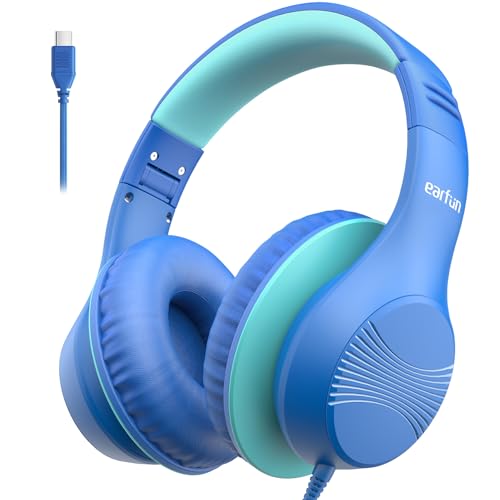

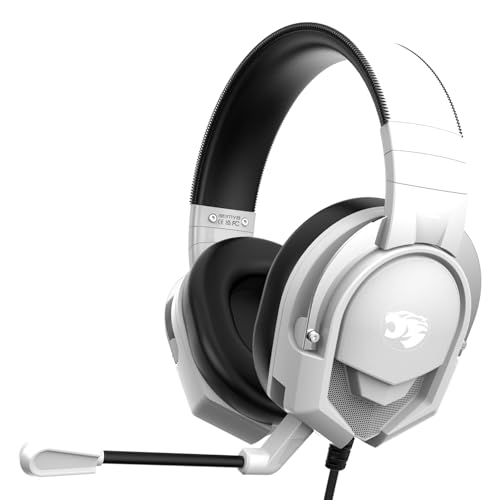


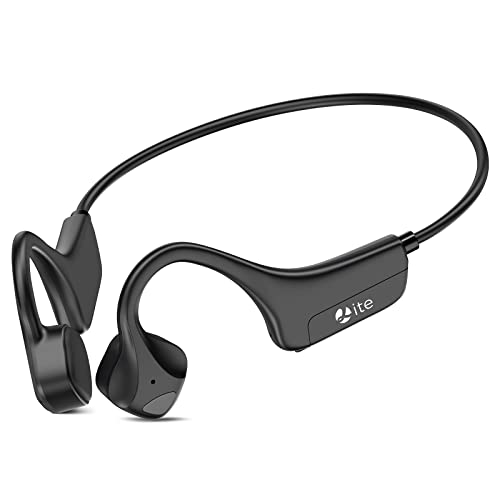


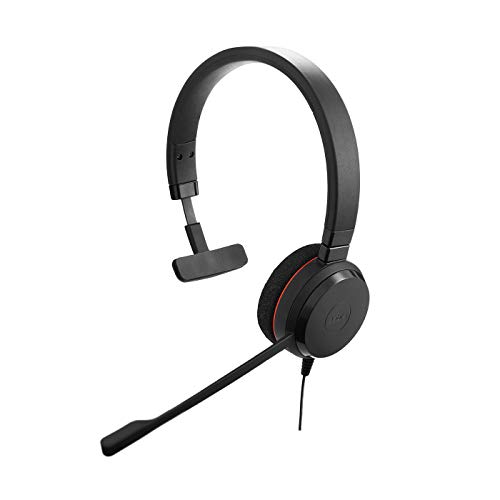


What Are Computer Headsets
Computer headsets are headphones with a built in or attached microphone. They are designed to let users hear audio and speak through the same device, making them practical for communication, gaming and multimedia use.
Depending on the product, a computer headset may connect by USB, USB C, 3.5 mm audio jack, Bluetooth or wireless receiver where listed. Some may include boom microphones, inline controls, mute buttons, padded ear cups, adjustable headbands, RGB lighting, virtual surround features or noise reducing microphones where provided in the listing.
Computer headsets are different from ordinary headphones because they include a microphone for voice input. They are also different from desktop speakers because they provide private listening and more focused communication.
What Computer Headsets Are Used For
Computer headsets are used for work calls, online meetings, gaming chat, video lessons, remote learning, customer support, voice recording, streaming, webinars, training sessions and casual media use.
For work and study, a headset can make speech clearer and reduce the need to rely on a laptop microphone. For gaming, it can help with in game sound and team communication. For home use, it can make videos, music and calls easier to manage without disturbing others.
They are also useful in shared spaces, home offices, student rooms and family computers where private audio and clear speech are important.
How To Choose The Right Computer Headset
Start with connection type. Check the ports on your computer, laptop or console where relevant. A USB headset may suit many PCs and laptops, while a 3.5 mm headset may need a combined audio port or separate microphone and headphone ports depending on the device.
Next, think about the main use. For work calls, microphone clarity, comfort and simple controls may matter most. For gaming, sound direction, microphone position and long session comfort may be more important. For study, light weight and easy setup can be key.
Comfort is especially important if the headset will be worn for long periods. Look at headband padding, ear cup style, weight and adjustment where listed. A headset that sounds good but feels uncomfortable may not be used often.
Also consider whether you want wired or wireless. Wired headsets can be simple and do not need charging. Wireless headsets can reduce cable clutter, but battery life, charging and receiver compatibility need to be checked where listed.
Key Features To Compare
Connection type is one of the most important features. USB, USB C, 3.5 mm and wireless options all have different compatibility needs.
Microphone design affects voice use. A boom microphone may sit closer to the mouth, while an inline or built in microphone may feel more discreet. Noise reducing microphone features should only be relied on where clearly listed.
Ear cup style changes comfort and awareness. Over ear headsets can feel more enclosed, while on ear headsets may feel lighter depending on the product. Open and closed designs can also affect how much outside sound is heard.
Controls can make everyday use easier. Inline volume controls, mute buttons or ear cup controls where listed can help during calls and gaming sessions.
Sound features vary. Stereo, virtual surround, enhanced bass or other sound modes should only be assumed where stated in the product details.
Cable length matters for wired headsets. A short cable may suit laptops, while a longer cable can be more practical for desktop towers under a desk.
Build style and adjustability can affect long term comfort. Flexible headbands, rotating ear cups and padded areas where listed may be useful for regular use.
Computer Headsets Compared With Standard Headphones
Standard headphones are mainly designed for listening. They can be useful for music, videos and private audio, but they may not include a microphone suitable for calls or voice chat.
Computer headsets include a microphone, making them more practical for meetings, gaming, lessons and online communication. The trade off is that some headsets may look less discreet than ordinary headphones, especially if they include a boom mic or gaming styling.
If you mainly listen to music, headphones may be enough. If you regularly speak on calls or chat while gaming, a computer headset is usually more practical.
Wired Headsets Compared With Wireless Headsets
Wired computer headsets connect directly to a compatible port and are often simple to use. They do not need charging and can be reliable for fixed desk setups.
Wireless headsets can reduce cable clutter and allow more freedom of movement. They may be useful for home offices, gaming setups and users who move around during calls. However, they need charging and may require a receiver, pairing process or compatible Bluetooth support where listed.
The better choice depends on your setup. Choose wired for simplicity and fixed use. Choose wireless if freedom of movement and a tidier desk matter more than charging routines.
USB Headsets Compared With 3.5 mm Headsets
USB headsets usually connect through a USB port and may include built in audio processing where listed. They can be convenient for computers that support USB audio.
3.5 mm headsets connect through an audio jack. Some devices use a combined headset port, while others need separate headphone and microphone connections. Compatibility should be checked carefully before buying.
USB C headsets may suit newer laptops, tablets and devices where compatible. Always check the exact port type and device support before choosing.
The trade off is convenience versus flexibility. USB can be simple for computer use, while 3.5 mm may work with a wider range of older audio devices where compatible.
Guidance For Beginners, Regular Users And Experienced Buyers
Beginners should focus on connection compatibility, comfort and simple controls. A straightforward headset with a clear microphone and easy mute function can be a practical starting point.
Regular users may want to compare ear cup comfort, microphone quality, cable strength, wireless battery guidance where listed and how the headset feels during longer sessions.
Experienced users may look more closely at microphone positioning, driver size where listed, sound profiles, software support, surround features, detachable cables, replaceable ear pads where listed and compatibility across several devices.
Work users should prioritise clear speech, comfort and easy mute controls. Gamers may want stronger positional audio features where listed and a microphone that works well for team chat.
Use Cases By Activity And Setup
For home working, computer headsets can support video calls, webinars, online meetings and focused listening in shared homes.
For gaming, headsets can help with game audio, voice chat and communication with teammates. Check platform compatibility carefully before buying for consoles as well as PCs.
For online learning, a comfortable headset can make lessons, tutoring and study sessions easier to follow without relying on speakers.
For streaming and content creation, microphone clarity and comfort are important, although dedicated microphones may be preferred for more advanced setups.
For office and call handling, lightweight designs, mute controls and comfort during long wear can be useful.
For general media use, a headset can provide private listening for films, videos, music and casual browsing.
Fit, Sizing And Comfort
A computer headset should sit comfortably on the head without creating too much pressure. The ear cups should feel secure, and the headband should adjust enough to suit the wearer.
Check the product details for ear cup type and adjustment features where listed. Over ear designs may suit users who want more coverage, while on ear designs may feel lighter for some people.
If you wear glasses, comfort can be especially important. Some ear pads may press more than others, so soft padding and manageable clamping force can matter.
For long sessions, weight and heat build up should be considered. A headset that feels fine for ten minutes may feel different after several hours of meetings or gaming.
Compatibility With Computers, Laptops And Devices
Compatibility should be checked before buying. Make sure the headset works with your desktop PC, laptop, tablet, console or other device where relevant.
Look at the connection type first. USB A, USB C, 3.5 mm, Bluetooth and wireless receiver connections all require suitable device support.
Some headsets may need software, drivers or system settings for certain features where listed. Basic audio may work differently from advanced features such as surround sound, lighting controls or equaliser settings.
If the headset is for work, check whether it is compatible with your meeting software and computer policies where relevant. If it is for gaming, check PC and platform support carefully.
Microphone Quality And Voice Use
A headset microphone should suit the type of communication you do. For quick calls, a simple microphone may be enough. For regular meetings, gaming or streaming, microphone clarity and positioning can matter more.
Boom microphones can often be positioned closer to the mouth, which may help with clearer voice pickup depending on the product. Built in microphones can feel more discreet but may pick up more surrounding sound depending on the design.
Mute controls are useful for calls and gaming. Check whether the headset has a physical mute button, flip to mute microphone or inline control where listed.
Noise reduction features should only be assumed where clearly listed. Even then, background noise, room acoustics and microphone position can still affect call quality.
Sound, Volume And Hearing Safety
Computer headsets should provide comfortable listening at sensible volume levels. Loud audio for long periods can cause discomfort and may affect hearing, so it is sensible to keep volume moderate and take breaks.
For gaming, sound positioning or surround features where listed may help with immersion, but the exact effect depends on the headset, software and game support.
For work calls, speech clarity can be more important than heavy bass. For music and films, a fuller sound may be preferred depending on personal taste.
If the headset includes volume controls, check that they are easy to reach and do not conflict with computer volume settings.
Cable Management, Charging And Desk Setup
For wired headsets, cable routing matters. A cable should reach comfortably without stretching, dragging across sharp edges or getting caught under chair wheels.
For wireless headsets, charging routines are important. Check battery life and charging guidance where listed, and make sure the headset can be charged easily near your desk or gaming area.
A headset stand or hook can help keep the desk tidy and reduce the risk of damage. Avoid leaving headsets on the floor, under papers or where the cable can be pulled.
If using multiple devices, consider whether you need a headset that switches easily between them or whether a dedicated headset for one computer is simpler.
Care, Cleaning And Storage
Always follow the care guidance supplied with the product. Headsets can collect dust, skin oils and hair products over time, especially around ear pads and headbands.
Wipe surfaces gently where suitable and avoid using harsh cleaners unless the product guidance says they are safe. Keep microphones and ports free from dust and debris.
Store the headset in a safe place when not in use. Avoid twisting cables tightly, dropping the headset or leaving it where it may be crushed.
For wireless models, keep charging ports clean and avoid exposing the headset to moisture, excessive heat or rough handling.
Useful Accessories To Consider
Useful accessories may include headset stands, cable clips, USB adapters, audio splitters where compatible, USB hubs, desk microphones, webcam covers, mouse mats, laptop stands and charging cables.
For gaming setups, a headset stand and cable management clips can help keep the desk tidy. For remote work, a webcam, laptop stand and comfortable chair may improve the overall setup.
If buying a computer headset as a gift, check the recipient’s device ports, main use and whether they prefer wired or wireless before choosing.
Why Buy From YPC
At YPC, we understand active lifestyles and the need for practical products that work in real use. Computer headsets should be easy to compare by connection type, microphone design, comfort, sound features, compatibility, controls, care needs and suitability for work, gaming, study or everyday computer audio.
This category is designed to help buyers choose practical headsets for PCs, laptops, calls, gaming, online learning and home office setups. Browse the computer headsets at YPC and compare the available options to find a suitable headset for your device and routine.
FAQs
What is a computer headset?
A computer headset is a pair of headphones with a microphone, designed for listening and speaking through a PC, laptop or compatible device. It is commonly used for calls, gaming, online lessons and voice chat.
How do I choose the right computer headset?
Choose based on connection type, device compatibility, comfort, microphone design, sound needs and whether you prefer wired or wireless use. Check the product details before buying.
Are USB headsets better than 3.5 mm headsets?
Not always. USB headsets can be convenient for computers, while 3.5 mm headsets may work with devices that have compatible audio jacks. The better choice depends on your ports and intended use.
Can I use a computer headset for gaming?
Yes, many computer headsets can be used for gaming where the sound, microphone and platform compatibility suit your setup. Check whether the headset works with your PC or console before buying.
Do computer headsets work with laptops?
Many computer headsets work with laptops, but compatibility depends on the connection type. Check whether your laptop has USB A, USB C, Bluetooth or a suitable audio jack.
Should I choose a wired or wireless computer headset?
Choose wired if you want simple connection without charging. Choose wireless if you want more freedom of movement and less cable clutter, while remembering to check battery and compatibility details where listed.
What makes a good headset microphone?
A good headset microphone should pick up your voice clearly and sit in a comfortable position. Boom microphones, mute controls and noise reduction features where listed can be useful for calls and gaming.
How do I look after a computer headset?
Store it safely, avoid twisting cables, keep ear pads clean, wipe surfaces gently where suitable and keep it away from moisture, heat and rough handling. Follow the care guidance supplied with the product.
 Getting ready for Summer? View our Home and Garden Products

Heading outdoors this winter? Take a look at our Outdoor Clothing.