
Protein Powders
Protein powders are powdered nutrition products designed to be mixed with water, milk or other suitable liquids to help increase protein intake. They are useful for gym users, walkers, athletes, busy workers, students, travellers and anyone who wants a convenient way to add protein to their daily routine where the product suits their diet and needs.
The right protein powder should match your taste, dietary requirements, training habits and how you plan to use it. When comparing options, look at protein source, protein amount where listed, flavour, serving size, ingredients, allergens, sugar content, sweeteners, dietary suitability where listed, mixing guidance, storage instructions and whether the powder is intended for sport, general nutrition, baking, smoothies or everyday use.
For guidance on comparing different protein powder types, formats and ingredient considerations, see our Protein Powders Buyers Guide.
- Protein Powders
BSN Syntha-6 Ultra-Premium Protein Powder New York Vanilla Cheesecake 2.26 kg
Original price was: £79.99.£74.99Current price is: £74.99. *View On Amazon* - Protein Powders
PhD Nutrition Diet Whey Low Calorie Protein Powder Chocolate Peanut Butter 1 kg
Original price was: £29.85.£23.88Current price is: £23.88. *View On Amazon* - Protein Powders
PaediaSure Shake Teen Multivitamin Protein Powder Chocolate 400 g
£14.95 *View On Amazon* - Protein Powders
SCI-MX Ultra Muscle Protein Powder Vanilla 1.5kg
Original price was: £24.99.£21.89Current price is: £21.89. *View On Amazon* - Protein Powders
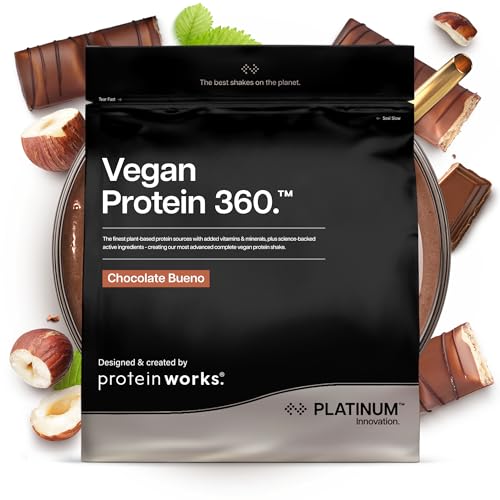
Protein Works Vegan Protein 360 Platinum Chocolate Bueno 1kg
£29.34 *View On Amazon* - Protein Powders
USN BlueLab 100% Whey Protein Powder 2kg Banana
Original price was: £67.00.£57.99Current price is: £57.99. *View On Amazon* - Protein Powders
Protein Works Vegan Pea Protein Black Innovation Chocolate Silk 1kg
£20.71 *View On Amazon* - Protein Powders
More Protein Whey Casein Protein Powder, Vanilla Ice Cream, 600 g, 20 Servings, with Lactase
Original price was: £35.99.£19.69Current price is: £19.69. *View On Amazon* - Protein Powders
USN Blue Lab Whey Protein Powder Chocolate 2 kg NBLW11
Original price was: £67.00.£57.99Current price is: £57.99. *View On Amazon* - Protein Powders
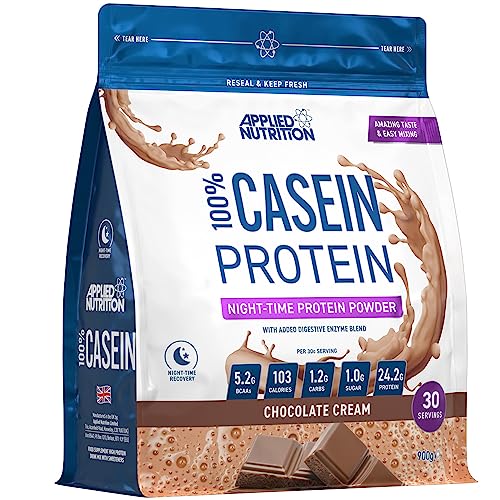
Applied Nutrition Casein Protein Powder 900g Chocolate Cream
£29.95 *View On Amazon* - Protein Powders
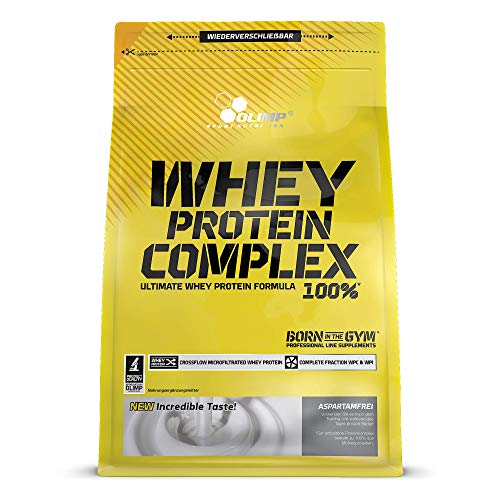
OLIMP SPORT NUTRITION Olimp Labs Vanilla Whey Protein Complex 700 g
£27.99 *View On Amazon* - Protein Powders
BRITPRO BRIT Whey 2kg Chocolate Smoothe Flavour Whey Protein Concentrate
£49.49 *View On Amazon* - Protein Powders
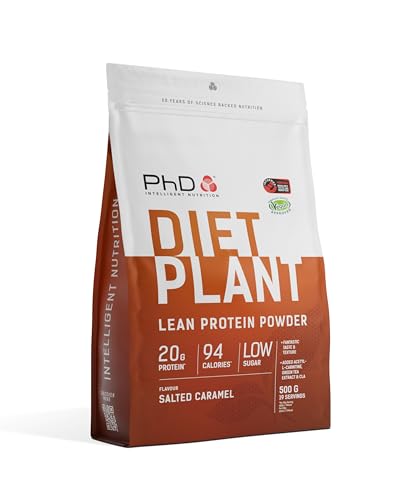
PhD Nutrition Diet Plant Vegan Protein Powder, Salted Caramel, 500g
Original price was: £18.00.£11.90Current price is: £11.90. *View On Amazon* - Protein Powders
Optimum Nutrition Gold Standard Casein Strawberry Protein Powder, 28 Servings, 0.92 kg
Original price was: £45.00.£39.53Current price is: £39.53. *View On Amazon*










What Are Protein Powders
Protein powders are powdered products that contain a protein source and are usually mixed into a drink or recipe before use. They are commonly supplied in tubs, bags or pouches and are measured using a scoop where supplied or by serving guidance on the packaging.
Depending on the product, protein powders may be made from whey protein, casein protein, milk protein, soya protein, pea protein, rice protein, hemp protein or blended protein sources where listed. Some may also include flavourings, sweeteners, vitamins, minerals, fibre, digestive enzymes or added ingredients depending on the product.
Not every protein powder is designed for the same purpose. Some are made for simple shakes, some are designed for smoothies, some may suit baking, and others may be part of a wider sports nutrition routine where the product information supports that use.
What Protein Powders Are Used For
Protein powders are used to make protein shakes, smoothies, breakfast drinks, post training drinks, snacks and recipes such as oats, pancakes or yoghurt bowls where suitable. They can be a convenient option when preparing a protein rich food or drink from whole foods is not practical.
Gym users may use protein powder around training routines. Busy workers may use it as a quick drink between meals. Walkers, campers and travellers may choose protein powder because it can be easier to store and portion than ready made drinks.
Protein powders should be used as part of a balanced diet rather than treated as a magic solution. They are simply a convenient way to add protein, and the best choice depends on the person’s normal meals, activity level and dietary needs.
How To Choose The Right Protein Powder
Start with the protein source. Whey protein is a common choice for people who are happy to consume dairy. Plant based protein powders may suit people looking for vegan or dairy free options where clearly listed. Casein, soya, pea and blended proteins can all feel different in taste, texture and mixing.
Next, check the ingredients and allergens. Many protein powders contain milk, soya, gluten, nuts or other allergens depending on the recipe and production process. Always read the listing and product packaging carefully before buying or consuming.
Think about how you will use it. If you want a simple shake, flavour and mixability may matter most. If you want to add it to porridge, baking or smoothies, texture, sweetness and heat suitability where listed may be more important.
Also compare the nutrition information. Protein amount, calories, sugar, fat, fibre, salt and sweeteners can vary widely. Choose a powder that fits your wider diet rather than focusing only on the largest protein number.
Key Features To Compare
Protein source is one of the first features to compare. Whey, casein, milk, soya, pea, rice and other protein types all suit different dietary needs and preferences where listed.
Protein amount should be checked per serving, not just per tub. Product listings may show protein per scoop, per serving or per 100 g, so compare like for like where possible.
Flavour matters because protein powder is easier to use regularly if you enjoy drinking it. Chocolate, vanilla, strawberry, banana, cookies style, coffee and unflavoured options may be available depending on the products listed.
Mixability can affect convenience. Some powders may mix more easily in a shaker, while others may work better in a blender or with thicker liquids where listed.
Sugar and sweetener content should be reviewed. Some buyers prefer low sugar options, while others focus more on taste or texture.
Serving size and number of servings are useful for comparing value and planning how long a tub or pouch may last.
Dietary suitability should only be relied on where clearly listed. Vegan, vegetarian, gluten free, lactose free or low sugar suitability should never be assumed.
Whey Protein Compared With Plant Based Protein
Whey protein is derived from milk and is commonly used in sports nutrition. It may suit buyers who are comfortable with dairy and want a familiar protein powder option.
Plant based protein powders may use pea, soya, rice, hemp or blended plant sources where listed. They can be useful for vegan diets, dairy free routines or buyers who prefer plant based ingredients.
The trade off is taste, texture and dietary fit. Whey powders may taste creamier depending on the product, while plant based powders can vary more in texture. The better choice depends on ingredients, allergens, flavour and how the powder fits your diet.
Protein Powders Compared With Ready To Drink Protein Shakes
Protein powders need to be mixed before use. This gives more control over serving size, liquid choice and recipe use. They can be practical for home routines, gym bags and regular users who do not mind preparing a drink.
Ready to drink protein shakes are already mixed and packaged. They are more convenient when travelling, commuting or when you do not want to carry a shaker and powder.
The trade off is control versus convenience. Protein powder is flexible and can be used in more ways, while ready to drink shakes are easier to grab and use immediately.
Protein Powders Compared With Protein Bars
Protein powders are usually mixed into drinks or recipes. They can be useful when you want a shake, smoothie or simple way to add protein to food.
Protein bars are solid snacks and may be easier to carry in bags, desks or pockets. They can feel more filling for some people, but ingredients, texture and sweetness vary widely.
The better choice depends on routine. A powder may suit home or gym use, while a bar may suit travel, walking or quick snacks away from home. Many people use both in different situations.
Protein Powders Compared With Meal Replacements
Protein powders are usually focused on adding protein. They are not normally complete meal replacements unless the product clearly states that they are designed for that purpose.
Meal replacement products are usually formulated to provide a broader nutrition profile where listed, including calories, vitamins, minerals and other nutrients.
This distinction matters. Do not assume a protein powder can replace a meal. If you need meal replacement products for a specific diet, weight plan or medical reason, check the product details carefully and seek qualified advice where appropriate.
Guidance For Beginners, Regular Users And Active Buyers
Beginners should start by choosing a protein powder that suits their diet, tastes good and has clear serving guidance. A simple flavour such as vanilla or chocolate can be easier to use in shakes and recipes.
Regular users may want to compare protein source, cost per serving, mixability, sweetness, allergens and storage format more carefully. If a powder is used several times a week, flavour and digestion comfort can matter as much as nutrition numbers.
Active buyers may think about when they plan to use the powder, how it fits around meals and whether it supports their wider training routine. Protein intake is only one part of nutrition, and overall food quality still matters.
Plant based buyers should check the full ingredients, protein source and texture. Dairy based buyers should check milk content, lactose information where listed and allergen warnings.
Use Cases By Activity And Lifestyle
For gym users, protein powder can be used to make shakes around training where it fits the person’s diet and routine.
For walkers and outdoor users, protein powder may be useful as part of a camping or travel food plan, especially where it is easy to portion and store.
For busy workdays, a protein shake can be a convenient option when meals are rushed, but it should still fit within a balanced diet.
For students, protein powders can be useful for simple smoothies, breakfast drinks or post sport routines where storage and preparation are practical.
For baking and recipes, unflavoured or suitable flavoured protein powders may be added to oats, pancakes, yoghurt or smoothies where the product works for that use.
For travel, check pack size, storage needs and whether the powder can be transported safely and legally for the journey.
Ingredients, Allergens And Dietary Suitability
Ingredients should always be checked before buying protein powder. Recipes can vary widely, even between similar flavours or products from the same range.
Common allergens may include milk, soya, gluten, nuts, peanuts, egg or sesame depending on the product and manufacturing process. Always check the product listing and packaging before use, especially if buying for a family member, guest, team or group.
Dietary suitability should not be assumed. Vegan, vegetarian, halal, kosher, gluten free, lactose free or dairy free claims should only be relied on where clearly listed.
If you are pregnant, have a medical condition, follow a restricted diet, take medication or are unsure whether a product is suitable, seek advice from a qualified professional before use.
Mixing, Taste And Texture
Protein powder can be mixed with water, milk, plant based drinks or other suitable liquids depending on the product and your diet. Always follow the serving and mixing guidance on the packaging.
A shaker can be useful for simple shakes. A blender may create a smoother texture, especially when adding fruit, oats, nut butters or ice where suitable.
Taste and texture vary by protein source and flavour. Some powders are smooth and sweet, while others may feel thicker, grainier or less sweet depending on the ingredients.
If you are new to protein powders, consider trying smaller sizes where available before buying a large tub. This helps avoid being left with a flavour or texture you do not enjoy.
Storage, Servings And Everyday Use
Protein powders should be stored according to the product guidance. Many powders should be kept sealed, cool and dry, away from moisture and strong smells.
Use the scoop or serving guidance supplied where listed. Scoops can vary between products, so do not assume one scoop equals the same serving size across different powders.
Keep the lid or pouch sealed properly after use. Moisture can affect texture, freshness and usability.
For everyday use, it can help to keep a shaker clean and ready. Wash shakers promptly after use, as protein drinks can develop odours if left unwashed.
Food Safety And Responsible Use
Protein powders should be used sensibly. More protein is not automatically better for every person, and needs vary depending on age, body size, activity level, diet and goals.
Follow the recommended serving guidance and do not exceed product instructions without qualified advice. Protein powder should support a balanced diet, not replace varied meals unless the product is specifically designed for that role.
Do not use powder from damaged packaging, products with unusual smells, or powders that appear contaminated, damp or spoiled.
If preparing shakes in advance, follow safe food handling guidance. Mixed drinks may need refrigeration and should not be left in warm conditions for long periods.
Sustainability, Waste And Packaging Considerations
Protein powders are often supplied in tubs, pouches or bags. Packaging size and recyclability vary by product, so check the information where listed.
Buying larger packs may reduce repeat packaging for regular users, but only if the powder will be used before its recommended date and stored correctly.
Avoid wasting products by choosing flavours, serving sizes and protein types that suit your actual routine. A powder that looks good on paper is not useful if you dislike the taste or cannot digest it comfortably.
Dispose of packaging responsibly and follow local recycling guidance where possible.
Useful Accessories To Consider
Useful accessories may include protein shakers, blender bottles, measuring scoops where needed, water bottles, gym bags, protein bars, ready to drink protein shakes, nuts and trail mix, lunch boxes and storage containers.
For home use, a blender can be useful for smoothies. For gym routines, a shaker and water bottle can make preparation easier. For travel, small containers or portion pots may help where suitable.
If buying protein powder as a gift, check the recipient’s dietary needs, flavour preference, protein source preference and whether they already use a shaker or blender.
Why Buy From YPC
At YPC, we understand active lifestyles and the need for practical products that work in real use. Protein powders should be easy to compare by protein source, flavour, ingredients, allergens, serving size, nutrition information, storage guidance and suitability for training, travel or everyday nutrition.
This category is designed to help buyers choose practical protein powders for gym routines, busy days, smoothies, recipes, outdoor trips and general nutrition support. Browse the protein powders at YPC and compare the available options to find a suitable powder for your diet and routine.
FAQs
What are protein powders?
Protein powders are powdered nutrition products that contain a protein source and are usually mixed with water, milk or another suitable liquid to make a shake or added to recipes.
What are protein powders used for?
Protein powders are used to help increase protein intake in a convenient way. They may be used in shakes, smoothies, oats, pancakes or other recipes where suitable.
What is the difference between whey and plant based protein powder?
Whey protein comes from milk, while plant based protein powders may use pea, soya, rice, hemp or blended plant sources where listed. The right choice depends on diet, allergens, taste and texture preference.
Do protein powders replace meals?
Not usually. Most protein powders are not complete meal replacements unless the product clearly states this. They should normally be used as part of a balanced diet.
How do I choose the right protein powder?
Check the protein source, serving size, flavour, ingredients, allergens, sugar content, dietary suitability where listed, mixing guidance and how the powder fits your routine.
Can protein powder be used for baking?
Some protein powders may be suitable for baking or recipes where the texture and flavour work well. Check the product guidance and be aware that heat can affect texture and results.
Do protein powders contain allergens?
Many protein powders can contain allergens such as milk, soya, gluten, nuts or other ingredients depending on the product. Always check the listing and packaging before use.
How should protein powder be stored?
Follow the storage guidance on the packaging. In general, keep protein powder sealed, cool and dry, away from moisture, heat and strong smells.
 Getting ready for Summer? View our Home and Garden Products

Heading outdoors this winter? Take a look at our Outdoor Clothing.