
Herbal Supplements
Herbal supplements are plant based food supplements designed to be used as part of a normal diet and lifestyle where suitable. They may appeal to people who want convenient capsules, tablets, powders, drops, teas or blends made with herbs, botanicals or plant extracts.
At YPC, you can browse herbal supplements for different routines, preferences and product formats. This category helps you compare ingredients, serving size, strength, format, allergens, dietary labels, suitability, storage guidance and usage instructions before choosing.
For guidance on comparing herbal supplement formats, sourcing and suitability considerations, see our Herbal Supplements Buyers Guide.
- Herbal Supplements
Lymphatic Drainage Drops 30-in-1 Herbal Liquid Food Supplement 60 ml
£22.99 *View On Amazon* - Herbal Supplements
Vegan Herbal Tea Blend with Dandelion and Vitamins, 28 Days
Original price was: £16.99.£12.33Current price is: £12.33. *View On Amazon* - Herbal Supplements
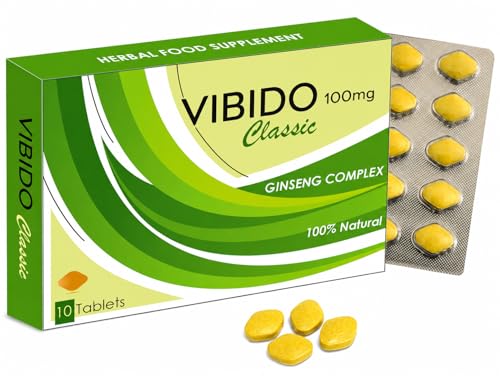
JOYRISE 1000mg Ginseng Libido Booster Tablets, 10 Tablets
£23.95 *View On Amazon* - Herbal Supplements
Milk Thistle Capsules with Artichoke, Dandelion and Choline
£9.99 *View On Amazon* - Herbal Supplements
Milk Thistle Liquid Extract Supplement, 60 ml Amber Glass Bottle
Original price was: £26.99.£21.69Current price is: £21.69. *View On Amazon* - Herbal Supplements
Oral Fresh Breath Herbal Gel for Adults, Mint Flavour 150 g
£18.99 *View On Amazon* - Herbal Supplements
Lymphatic Support Supplement, 60 Softgels Botanical Complex
Original price was: £9.99.£8.47Current price is: £8.47. *View On Amazon* - Herbal Supplements
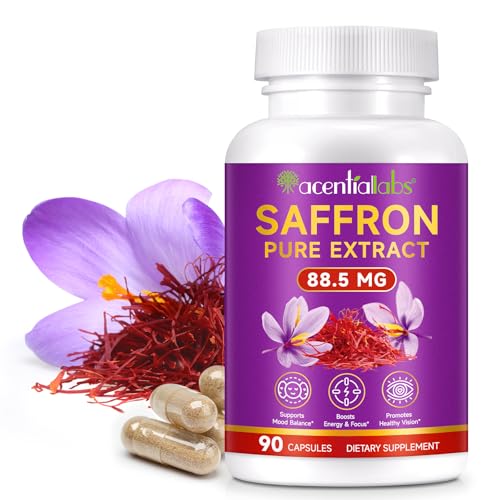
Menopause Support Sage Leaf, Red Clover and Saffron Capsules, 120 Count
£8.49 *View On Amazon* - Herbal Supplements
Milk Thistle High Strength Herbal Food Supplement, 90-Day Supply
Original price was: £9.99.£8.99Current price is: £8.99. *View On Amazon* - Herbal Supplements
21-in-1 Lymphatic Drainage Drops 60 ml Liposomal Herbal Supplement
Original price was: £12.99.£11.69Current price is: £11.69. *View On Amazon* - Herbal Supplements
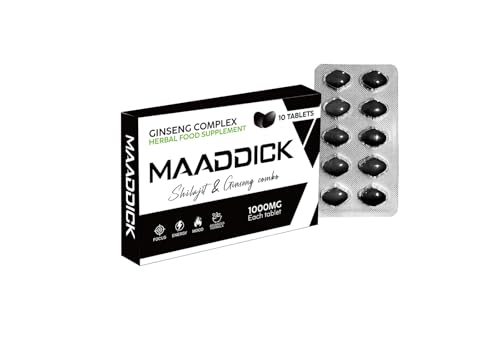
MAADDICK Ginseng and Shilajit Herbal Supplement Tablets, 10 Pack
£22.95 *View On Amazon* - Herbal Supplements
Prowise Turmeric Tablets 5400mg with Black Pepper and Ginger, 150 Tablets
£7.49 *View On Amazon* - Herbal Supplements
Warrior Shilajit Capsules 16000mg 5-in-1 Complex, 120 Capsules
£9.95 *View On Amazon* - Herbal Supplements
Free Soul Magnesium Glycinate 4-in-1 Complex Tablets, 90 Tablets
£9.49 *View On Amazon*








What Are Herbal Supplements?
Herbal supplements are food supplements that contain herbs, plants, botanicals or plant derived ingredients. Depending on the product, they may include single herb supplements, mixed herbal blends, capsules, tablets, powders, liquid extracts, drops, gummies, teas or sachets where listed.
Some products may use whole herbs, while others may use extracts, concentrates or standardised ingredients where clearly shown on the listing. The strength, serving size and preparation method can vary widely between products.
Because herbal supplements can contain active ingredients, it is important to read the full product label, warnings and instructions before use.
What Are Herbal Supplements Used For?
Herbal supplements are used by people who want to add specific plant based ingredients to their daily routine. They may be taken alongside meals, as part of a wellbeing plan, or used according to the product’s own directions.
They should not be treated as medicines unless they are specifically licensed and labelled as such. Most herbal supplements are not intended to diagnose, treat, cure or prevent disease.
The right product depends on ingredients, suitability, dietary needs, current health circumstances and whether the supplement fits safely into your wider routine.
How To Choose The Right Herbal Supplement
Start by checking the ingredient list. Make sure you understand what herbs or botanicals are included and whether the product is a single ingredient supplement or a blend.
Next, check the serving guidance. Compare the amount per serving, number of servings, format and how often the product is intended to be used. Do not exceed the recommended serving shown on the label.
Also check warnings carefully. Herbal supplements may not be suitable for everyone, especially people who are pregnant, breastfeeding, taking medication, preparing for surgery or living with a medical condition.
Key Features To Compare
When comparing herbal supplements, look at ingredient type, strength, extract ratio where listed, serving size, number of servings, format, allergens, dietary labels, added ingredients, warnings and storage instructions.
Some products may include additional vitamins, minerals, sweeteners, fillers, flavourings or capsule materials where listed. These details can matter if you follow a specific diet or need to avoid certain ingredients.
Clear labelling is important. A good choice starts with understanding exactly what is in the product and how it should be used.
Single Herb Supplements Compared With Herbal Blends
Single herb supplements contain one main herbal ingredient where listed. They may suit buyers who want a straightforward product and prefer to know exactly which botanical they are taking.
Herbal blends contain two or more herbs or plant based ingredients. They may be chosen for convenience, but they can also make it harder to identify which ingredient suits you or does not suit you.
If you are new to herbal supplements, a simple ingredient list may be easier to understand. If choosing blends, check every ingredient carefully.
Capsules Compared With Tablets
Capsules are a common format for herbal supplements. They may contain powdered herbs, extracts or blends inside a capsule shell where listed.
Tablets are compressed forms that may include herbal ingredients along with binders or other supporting ingredients depending on the product.
The better choice depends on swallowing preference, ingredient format and product guidance. Always check serving size because one serving may be more than one capsule or tablet.
Powders Compared With Liquid Extracts
Powdered herbal supplements can be mixed into drinks, smoothies, food or shakes where the product instructions allow. They may suit people who prefer not to take capsules.
Liquid extracts and drops can be measured and taken according to the label. They may be convenient for some users, but serving accuracy depends on following the instructions carefully.
The right format depends on taste, convenience, storage and how easily you can follow the serving guidance.
Herbal Teas Compared With Herbal Supplement Capsules
Herbal teas are prepared as drinks and may be chosen for flavour, routine and ease of use. They can be suitable for people who enjoy warm drinks and prefer a gentler daily ritual.
Capsules and tablets are more measured and portable. They may be easier for travel, work or structured routines where a drink is not practical.
The choice depends on how you prefer to use herbal products. Tea may suit relaxed daily use, while capsules may suit simple measured servings.
Gummies Compared With Traditional Herbal Supplements
Some herbal supplements may come as gummies where listed. These can be easier for people who do not like swallowing tablets, but they may include sweeteners, sugars, flavourings or gelatine depending on the product.
Traditional capsules, tablets, powders and liquids may suit buyers who want fewer sweetened ingredients or a more standard supplement format.
Always check ingredients, serving size and dietary labels before choosing gummies, especially if sugar content or vegetarian suitability matters.
Herbal Supplements Compared With Vitamins And Minerals
Herbal supplements are based on plant ingredients, herbs or botanical extracts. Vitamins and minerals are nutrients that support normal body functions where authorised claims apply and where listed.
Some products may combine herbs with vitamins or minerals, but they are not always the same type of supplement.
If you need a specific nutrient, compare vitamin and mineral supplements. If you are looking for plant based ingredients, herbal supplements may be the relevant category.
Herbal Supplements Compared With Protein And Sports Nutrition
Protein powders and sports nutrition products are usually designed around fitness, training, muscle support, energy or recovery where authorised and listed.
Herbal supplements are usually chosen for plant based ingredients and everyday wellbeing routines rather than direct sports nutrition.
Some active users may include herbal supplements as part of a wider routine, but they should not replace proper meals, hydration, sleep, training or medical advice.
Beginner, Regular User And Careful Buyer Guidance
If you are buying herbal supplements for the first time, start with a clear reason for considering the product and choose something with straightforward labelling.
Regular supplement users may want to compare ingredient strength, serving size, added ingredients, dietary labels, pack value and how the product fits with anything else they already take.
Careful buyers should pay close attention to warnings, interactions, allergens and whether the product is suitable for their personal circumstances.
Use Cases By Routine And Lifestyle
For busy daily routines, capsules or tablets may be easy to keep with breakfast or lunch, depending on the label instructions.
For travel, compact packs, sachets or capsules may be easier to carry than large tubs or glass bottles. Always check storage guidance and travel rules where relevant.
For relaxed evening routines, herbal teas or powders may feel more suitable where the product is intended for that use.
For active lifestyles, herbal supplements should be considered alongside balanced meals, hydration, rest and appropriate training, not as a replacement for the basics.
Ingredients And Botanical Names
Herbal supplements may list common names, botanical names or both. Botanical names can help identify the exact plant used where shown.
Different plants can have similar common names, so accurate labelling matters. Extracts from different parts of a plant, such as root, leaf, fruit or seed, may also differ depending on the product.
Check the listing carefully if a specific plant part, extract type or botanical name matters to you.
Strength, Extracts And Standardisation
Some herbal supplements may list extract ratios, standardised compounds or strength information where shown. These details can help compare products more accurately.
A higher number does not automatically mean a better or more suitable product. Strength should be considered alongside serving size, instructions, safety warnings and your own suitability.
If you are unsure about ingredient strength or suitability, seek advice from a qualified healthcare professional before use.
Allergens And Dietary Requirements
Allergen information is essential when choosing herbal supplements. Products may contain or be made near allergens such as gluten, soya, milk, nuts, peanuts, sesame or other ingredients depending on the product.
Dietary labels such as vegan, vegetarian, gluten free, dairy free or sugar free may appear where listed, but always check the full label and allergen statement before use.
Capsule materials can also matter. Some capsules may be plant based, while others may use gelatine where listed.
Suitability With Medication And Health Conditions
Herbal supplements may interact with some medicines or may not be suitable for certain health conditions. This is especially important if you take prescription medication, blood thinning medication, blood pressure medication, diabetes medication or other regular treatments.
They may also be unsuitable before surgery or medical procedures unless a healthcare professional advises otherwise.
If you have any medical condition or take medication, check with a qualified healthcare professional before using herbal supplements.
Pregnancy, Breastfeeding And Age Suitability
Many herbal supplements are not suitable during pregnancy or breastfeeding unless professional advice confirms they are appropriate. Product labels may include specific warnings.
Some supplements may not be suitable for children or younger people. Always check the age guidance and warnings shown on the product.
Do not assume a product is safe for everyone because it is plant based. Natural ingredients can still have strong effects or suitability limits.
Serving Size And Responsible Use
Always follow the serving instructions on the product label. Do not exceed the recommended daily amount unless advised by a qualified healthcare professional.
Using more than directed does not mean better results and may increase the risk of unwanted effects.
If you use more than one supplement, check for overlapping ingredients to avoid taking the same herb or added nutrient from multiple products.
Quality, Labelling And Product Information
Clear product information helps buyers make better decisions. Look for products that state ingredients, serving size, storage guidance, warnings and dietary suitability clearly where listed.
If a listing does not provide enough information, check the packaging before use and avoid relying on assumptions.
Herbal supplements should be chosen carefully, especially when ingredients, strengths or warnings are not familiar.
Taste, Smell And Ease Of Use
Some herbal supplements have strong tastes or smells, especially powders, teas and liquid extracts. Capsules and tablets may be easier for people who prefer to avoid strong flavours.
Liquids and powders may be more flexible, but they can require measuring, mixing or preparation.
Choose a format that you can use consistently and correctly according to the product instructions.
Storage And Freshness
Always follow the storage instructions on the packaging. Many herbal supplements should be stored in a cool, dry place away from direct sunlight, heat and moisture.
Keep lids closed and avoid using wet spoons or hands with powders. Moisture can affect texture, freshness and usability.
Do not use supplements if the seal is broken, the product smells unusual, the texture has changed unexpectedly or the product is past guidance that makes it unsuitable.
Travel And Everyday Organisation
Herbal supplements can be easier to use consistently when stored and organised properly. A supplement organiser may be useful where suitable, but keep original packaging available so instructions and warnings are not lost.
For travel, check whether the product needs special storage and whether powders, liquids or bottles are practical to carry.
If travelling abroad, check rules for carrying supplements into the destination country, especially for herbal blends or liquids.
Safety And Practical Use Considerations
Herbal supplements should be used responsibly and only as directed. Stop using a product if you feel unwell, experience an allergic reaction or notice unexpected symptoms.
Do not use herbal supplements as a substitute for medical treatment, prescribed medication or professional advice.
If you are unsure whether a product is suitable, speak to a qualified healthcare professional before use.
Careful Buying For Sensitive Users
Some people may need extra care when choosing herbal supplements. This includes people with allergies, intolerances, medical conditions, medication use, pregnancy, breastfeeding or previous reactions to supplements.
Check every ingredient, including additives, capsule materials and flavourings. Different flavours or formats from the same brand may have different ingredients.
When in doubt, choose caution and seek appropriate advice before buying or using.
Meal Planning And Everyday Balance
Herbal supplements should sit alongside a balanced diet and sensible lifestyle. They are not a replacement for varied meals, hydration, sleep, movement or appropriate healthcare.
If you are trying to improve a specific aspect of your wellbeing, consider the wider routine as well as the supplement. Food, rest, stress, activity and medical needs can all matter.
A supplement is only one part of the picture and should be used with realistic expectations.
Useful Accessories To Consider
Herbal supplements can be used with practical storage and routine accessories. Pill organisers, water bottles, shakers, mugs, tea infusers, travel pouches, storage containers and kitchen measuring items may be useful depending on the format.
For powders, a clean spoon, shaker or blender may be helpful where the product instructions allow mixing. For teas, a suitable mug or infuser may be useful.
Choose accessories based on the product format and how you plan to use it day to day.
Why Buy From YPC?
At YPC, we understand active lifestyles and the need for practical products that work in real use. Herbal supplements should be chosen carefully, used as directed and matched to your routine, dietary needs and personal suitability.
This category helps you compare ingredients, format, serving size, strength, allergens, dietary labels, warnings, storage guidance and everyday practicality without overcomplicating the choice. Browse the herbal supplements at YPC, compare the available options and choose the product that best suits your routine and label requirements.
FAQs
What are herbal supplements?
Herbal supplements are food supplements made with herbs, botanicals or plant based ingredients. They may come as capsules, tablets, powders, liquids, teas or gummies depending on the product.
Are herbal supplements medicines?
Most herbal supplements are food supplements rather than medicines unless specifically licensed and labelled as medicines. They are not usually intended to diagnose, treat, cure or prevent disease.
Are herbal supplements safe for everyone?
No. Herbal supplements may not be suitable for everyone, especially people who are pregnant, breastfeeding, taking medication, preparing for surgery or living with a medical condition.
Can herbal supplements interact with medication?
Yes, some herbal ingredients may interact with medication. If you take medication or have a medical condition, speak to a qualified healthcare professional before use.
What should I check before buying herbal supplements?
Check the ingredient list, serving size, strength, warnings, allergens, dietary labels, storage instructions and whether the product is suitable for your personal circumstances.
Are plant based supplements always suitable for vegans?
Not always. A supplement may contain plant based ingredients but use gelatine capsules or other non vegan ingredients. Check the full label and dietary information.
Can I take more than one herbal supplement?
You should be careful when combining supplements because ingredients can overlap or interact. Check labels carefully and seek professional advice if unsure.
How should herbal supplements be stored?
Follow the storage instructions on the packaging. Many should be kept sealed in a cool, dry place away from heat, moisture and direct sunlight.
 Getting ready for Summer? View our Home and Garden Products

Heading outdoors this winter? Take a look at our Outdoor Clothing.