
Multivitamins
Multivitamins are food supplements designed to provide a range of vitamins and minerals in a convenient daily format, depending on the product and ingredients listed. They can be useful for people who want to support their normal dietary intake alongside a balanced diet, active routine and healthy lifestyle.
The right multivitamin should suit your age, diet, lifestyle and personal needs. Formula type, nutrient levels, serving size, allergens, suitability, format and usage instructions are all worth checking carefully before buying.
For guidance on comparing multivitamin formats, formulation breadth and suitability considerations, see our Multivitamins Buyers Guide.
- Multivitamins
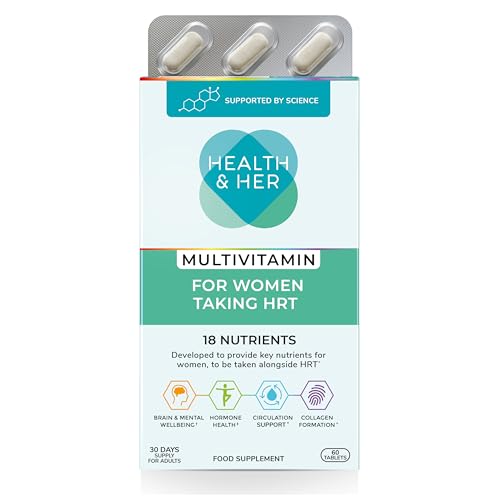
Health & Her Multivitamin Tablets for Women Taking HRT, 60 Tablets
£16.23 *View On Amazon* - Multivitamins
Higher Nature Advanced Multi 180 Tablets
Original price was: £33.95.£30.30Current price is: £30.30. *View On Amazon* - Multivitamins
Vegavero Multivitamins and Minerals Vegan Vitamin Complex 120 Capsules
£19.99 *View On Amazon* - Multivitamins
Seven Seas Haliborange Multivitamins and Omega-3 Softies
Original price was: £6.49.£5.80Current price is: £5.80. *View On Amazon* - Multivitamins
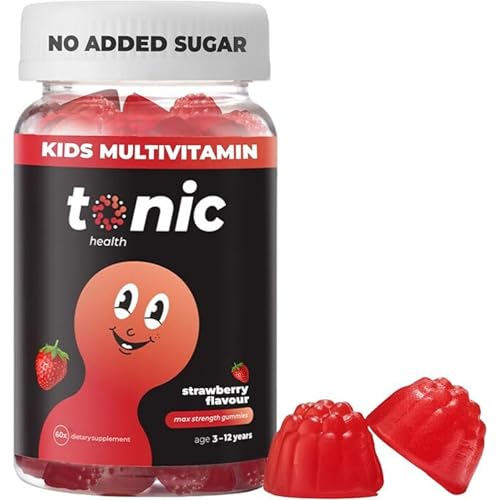
Tonic Health Kids Vitamins Gummies 60 Count Strawberry Flavour
Original price was: £20.00.£18.99Current price is: £18.99. *View On Amazon* - Multivitamins
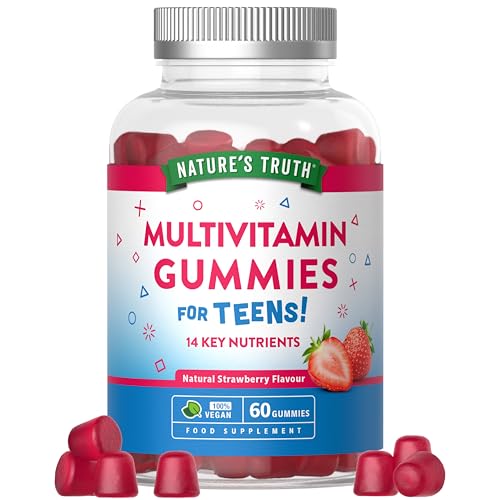
Nature’s Truth Teen Multivitamin Gummies 60 Vegan Gummies Strawberry
Original price was: £9.89.£8.49Current price is: £8.49. *View On Amazon* - Multivitamins
Inspiriko Women’s Multivitamins with 100mg CoQ10 & Lutein – 2 Month Supply, 27 Vitamins and Minerals, Once Daily, Vegan
Original price was: £16.99.£7.90Current price is: £7.90. *View On Amazon*










What Are Multivitamins?
Multivitamins are supplements that contain a combination of vitamins, minerals and sometimes additional ingredients, depending on the product. They may come as tablets, capsules, gummies, liquids, powders or effervescent tablets where listed.
Products in this category may include general adult multivitamins, women’s multivitamins, men’s multivitamins, children’s multivitamins, over 50s formulas, vegan friendly options, iron free options and specialist blends where available.
They are not all the same. Some focus on broad daily support, while others are aimed at specific life stages, dietary preferences or lifestyles. Always read the product label carefully before use.
What Are Multivitamins Used For?
Multivitamins are used to help provide a convenient source of selected vitamins and minerals where suitable. They may be chosen by people with busy routines, restricted diets, lower appetite, active lifestyles or those who want a simple daily supplement alongside normal meals.
They should not be treated as a replacement for a varied diet. Whole foods, hydration, sleep, regular movement and balanced meals still matter. A multivitamin can be part of a routine, but it cannot make up for every dietary gap or replace proper medical advice.
If you think you may have a deficiency, health concern or ongoing symptoms, speak to a qualified health professional rather than relying on supplements alone.
How To Choose The Right Multivitamin
Start by checking who the product is intended for. Adult, children’s, pregnancy, women’s, men’s and older adult formulas can differ, so choose a product that matches the user and life stage where listed.
Next, read the nutrient table. Vitamins and minerals can be included in different amounts, and more is not always better. Some nutrients can be unsuitable in high amounts, especially if you already take other supplements or fortified products.
Format also matters. Tablets and capsules are common, while gummies, liquids and effervescent options may be easier for some people to take where listed. Check serving instructions, flavour, sugar content and storage guidance.
Dietary suitability should be checked carefully. If you follow a vegan, vegetarian, gluten free, dairy free or halal diet, only rely on suitability where clearly stated by the product.
Key Features To Compare
When comparing multivitamins, look at included nutrients, daily serving size, dosage guidance, age suitability, ingredient list, allergens, dietary claims where listed, added ingredients, format and pack size.
Nutrient levels are important. Some multivitamins contain modest daily amounts, while others may contain higher strength formulas where stated. Check whether the product fits your wider supplement routine.
Iron content is worth noting. Some formulas include iron, while others are iron free where listed. Iron is not suitable for everyone, so check the label and seek advice if unsure.
Added ingredients can vary. Some multivitamins may include botanicals, probiotics, omega oils, caffeine, sweeteners, flavourings or colourings where listed. These extras may affect suitability, especially for sensitive users.
Multivitamins Compared With Single Vitamin Supplements And Nutrition Drinks
Multivitamins provide a blend of nutrients in one product. They can be convenient for broad daily use where suitable, but they may not provide the same targeted amount as a single nutrient supplement.
Single vitamin or mineral supplements focus on one specific nutrient, such as vitamin D, iron, magnesium or vitamin B12 where listed. These may be more appropriate when a specific nutrient has been recommended by a professional.
Nutrition drinks and meal replacements are different again. They may provide calories, protein, fibre and vitamins or minerals depending on the product, but they are not the same as a multivitamin tablet or capsule.
The right option depends on your diet, goals, health circumstances and any advice you have been given.
Guidance For First Time Regular And Lifestyle Focused Buyers
First time buyers should choose a clearly labelled multivitamin that suits their age and dietary needs. Avoid choosing only by bold claims or high strength wording. The product should be easy to understand and simple to take correctly.
Regular users should check whether they are already taking other supplements with overlapping nutrients. Taking several products at once can increase total intake, so compare labels carefully.
Lifestyle focused buyers may want to consider formulas suited to active routines, plant based diets, busy workdays or specific life stages where listed. Suitability should always be based on the label, not assumptions.
If you are pregnant, breastfeeding, taking medication, managing a health condition or buying for a child, seek suitable professional advice before use.
Use Cases By Routine And Diet
For busy adults, a multivitamin can be a convenient part of a morning routine where suitable. It should still be taken alongside proper meals rather than used as a replacement for food.
For plant based diets, check for nutrients that may be relevant to your diet, but only choose vegan or vegetarian products where clearly listed.
For older adults, age specific formulas may be available where listed. Check nutrient levels, tablet size and any health considerations carefully.
For children, only use products intended for the child’s age group and follow the serving guidance exactly. Adult multivitamins are not automatically suitable for children.
For active people, a multivitamin may be used as part of a wider nutrition plan, but training, recovery, hydration and food quality remain important.
For people with restricted diets, supplements may be useful in some cases, but professional advice can be valuable if dietary restriction is significant or long term.
Dietary Suitability Allergens And Ingredients
Always check the full ingredient list before buying and before use. Multivitamins may contain allergens or ingredients such as milk, soya, gluten, fish, gelatine, sweeteners, colourings, flavourings or botanical extracts depending on the product.
If you have allergies, intolerances or dietary restrictions, do not assume suitability from the category name. Look for clear product wording and avoid products where the label is unclear.
If buying for someone else, check age suitability, allergens, tablet size and any health considerations. A product suitable for one person may not be suitable for another.
Ingredients and formulas can change, so it is sensible to check the label each time you buy.
Timing Serving And Practical Use
Use multivitamins according to the product instructions. Some may be taken once daily, while others may need a different serving pattern where listed. Do not exceed the recommended daily intake unless advised by a qualified professional.
Some products may be recommended with food or water where stated. Effervescent tablets and powders should be prepared as directed. Gummies and chewable formats should still be treated as supplements, not sweets.
If you forget a serving, follow the product guidance rather than doubling up. Consistency matters more than taking extra.
Keep supplements in their original packaging where possible, so the instructions, ingredients and use by date remain easy to check.
Safety Sensible Use And Storage
Multivitamins should be used responsibly. They are food supplements, not a cure or treatment for illness. If you feel unwell, have ongoing symptoms or suspect a deficiency, speak to a qualified health professional.
Do not combine multiple supplements without checking overlapping nutrients. Some vitamins and minerals can be unsuitable in excessive amounts.
Store multivitamins as directed on the label. Many should be kept in a cool, dry place away from heat, moisture and direct sunlight. Keep all supplements out of reach of children.
Do not use products with damaged packaging, unusual smell, changed appearance or expired dates. If a supplement causes discomfort or unexpected effects, stop using it and seek appropriate advice where needed.
Useful Accessories To Consider
Useful accessories can include pill organisers, reusable water bottles, shaker bottles, meal prep containers, lunch bags and storage boxes. The right accessories depend on your routine and the supplement format.
For daily routines, a water bottle and organised kitchen storage can make supplements easier to remember. For travel, keeping products in original labelled packaging is often the safest option.
If you use powders or effervescent products, a suitable bottle or glass and clean measuring routine can help with preparation.
Why Buy Multivitamins From YPC?
At YPC, we understand active lifestyles and the need for practical products that work in real use. Multivitamins can vary by nutrient blend, format, serving size, age suitability, allergens, dietary suitability and storage needs, so comparing the details helps you choose more confidently.
YPC helps you browse nutrition products with real everyday routines in mind, whether you are buying for general adult use, busy lifestyles, dietary preferences, family needs or travel. Explore the Multivitamins category to browse the available options and compare the features that matter most for your routine.
FAQs
What are multivitamins?
Multivitamins are food supplements that contain a combination of vitamins and minerals. They may come as tablets, capsules, gummies, liquids, powders or effervescent tablets depending on the product.
What are multivitamins used for?
Multivitamins are used to provide selected vitamins and minerals in a convenient format where suitable. They should be used alongside a balanced diet and healthy lifestyle, not as a replacement for meals.
Are multivitamins suitable for everyone?
No. Suitability depends on age, health, diet, medication, pregnancy, breastfeeding and other supplements being used. Seek professional advice if unsure.
Can children take adult multivitamins?
No, adult multivitamins are not automatically suitable for children. Choose products specifically intended for the child’s age group and follow the serving guidance carefully.
Should I take a multivitamin every day?
Follow the product label. Some are designed for daily use where suitable, but the right routine depends on the product and your personal circumstances.
Can I take multivitamins with other supplements?
Be careful when combining supplements because nutrients can overlap. Check labels and seek professional advice if you are unsure, especially with iron, vitamin A, vitamin D or high strength formulas.
Are vegan multivitamins available?
Some multivitamins may be vegan where clearly listed. Check the label for ingredients such as gelatine, dairy, fish derived ingredients or other animal based components.
Do multivitamins replace a healthy diet?
No. Multivitamins should not replace a varied, balanced diet. They can be used as a supplement where suitable, but food, hydration, sleep and lifestyle habits still matter.
What should I check before buying multivitamins?
Check the intended user, nutrient levels, serving size, allergens, dietary suitability, added ingredients, format, storage instructions and any warnings on the product label.
How should I store multivitamins?
Store multivitamins according to the label, usually in a cool, dry place away from heat and moisture. Keep them out of reach of children and do not use expired products.
 Getting ready for Summer? View our Home and Garden Products

Heading outdoors this winter? Take a look at our Outdoor Clothing.