
Single Vitamins
Single Vitamins are supplements that focus on one main vitamin rather than a broad multivitamin blend. Whether you are buying vitamin D, vitamin C, vitamin B12, vitamin A, vitamin E, vitamin K or another specific vitamin where listed, the right product should be chosen carefully based on the label, dosage, format and personal suitability.
This category includes single vitamin supplements in different strengths, serving sizes and formats. Depending on the product, you may find tablets, capsules, gummies, liquids, sprays, drops, powders and chewable options designed for specific vitamin intake where listed.
For guidance on comparing single vitamin formats and suitability considerations, see our Single Vitamins Buyers Guide.
-
Single Vitamins
Nutravita Calcium, Magnesium, Zinc and Vitamin D3 Tablets, 180 Count
Original price was: £9.99.£7.99Current price is: £7.99. *View On Amazon* -
Single Vitamins
Calcium Citrate Supplement with Magnesium, Zinc and Vitamins D3 & K2
Original price was: £14.99.£12.99Current price is: £12.99. *View On Amazon* -
Single Vitamins
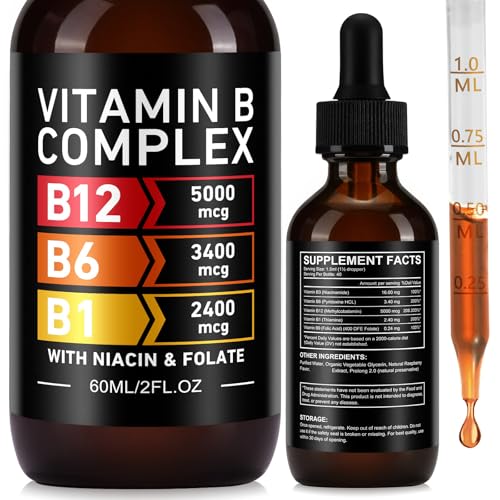
Vitamin B Complex Liquid Drops, 60 ml with B1, B3, B6, B12 and Folate
Original price was: £12.99.£9.97Current price is: £9.97. *View On Amazon* -
Single Vitamins
Lil’ Sprouts Kids Liquid Iron Drops, 50 mL with Vitamin C, B12 and Folic Acid
Original price was: £6.99.£5.78Current price is: £5.78. *View On Amazon* -
Single Vitamins
New Leaf Calcium Tablets 1000mg per Serving with Vitamin D3, 120 Tablets
£9.97 *View On Amazon* -
Single Vitamins
My Expert Midwife Vegan Pre-Conception & Pregnancy Supplement
£25.00 *View On Amazon* -
Single Vitamins
Nutravita Biotin Supplement, 12,000 mcg, 400 Vegan Tablets
Original price was: £9.50.£7.99Current price is: £7.99. *View On Amazon* -
Single Vitamins
Royal Oak Health Vitamin B12 1000 mcg Sublingual Tablets, 120 Count
£14.99 *View On Amazon* -
Single Vitamins
Alpha01 Calcium, Magnesium, Zinc & Vitamin D3 Supplement, 90 Count Pouch
£5.99 *View On Amazon* -
Single Vitamins
WeightWorld Vitamin B12 1000mcg Lemon Chewable Tablets, 400 Count
£16.79 *View On Amazon* -
Single Vitamins
New Leaf Biotin 12,000 mcg Hair, Skin & Nails Tablets, 180 Count
Original price was: £10.95.£8.94Current price is: £8.94. *View On Amazon* -
Single Vitamins
Nutriburst Hair, Skin & Nails Gummies, 60 Strawberry Flavour, Vegan
Original price was: £22.99.£8.99Current price is: £8.99. *View On Amazon* -
Single Vitamins
VitaBright Biotin Tablets, 12,000 mcg, 400 Count with Coconut
Original price was: £18.99.£8.49Current price is: £8.49. *View On Amazon* -
Single Vitamins
Vitabiotics Ultra Folic Acid Tablets with Vitamin B12, 60 Tablets
Original price was: £3.95.£3.79Current price is: £3.79. *View On Amazon* -
Single Vitamins
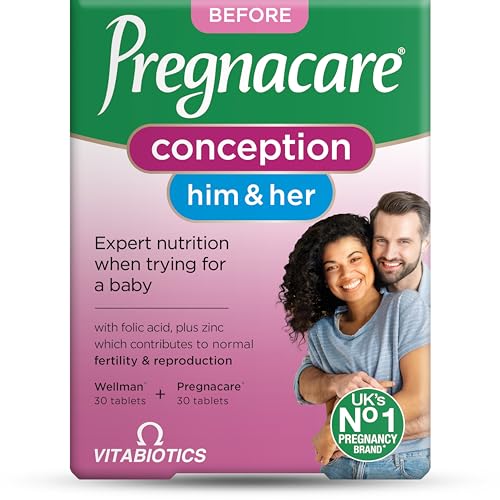
Pregnacare Conception Support for Couples Pregnancy Supplement
Original price was: £20.75.£7.99Current price is: £7.99. *View On Amazon* -
Single Vitamins
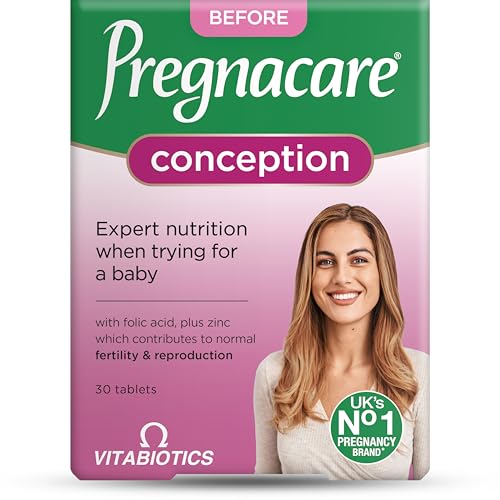
Pregnacare Conception Supplement for Women Planning Pregnancy
Original price was: £11.95.£9.00Current price is: £9.00. *View On Amazon* -
Single Vitamins
Solgar Vitamin B12 100 µg, 100 Vegan Tablets
Original price was: £8.50.£6.80Current price is: £6.80. *View On Amazon* -
Single Vitamins
Tonic Health x Hot Wheels Kids Multivitamin Gummies, Orange, 60 Gummies
£18.99 *View On Amazon* -
Single Vitamins
Vitamin B12 Liquid Drops with B6, Raspberry Flavour, 60 ml
Original price was: £14.99.£10.99Current price is: £10.99. *View On Amazon* -
Single Vitamins
Vitamin B Complex Liquid Drops 60 ml with Vitamin C and Choline
£12.99 *View On Amazon*







What Are Single Vitamins?
Single vitamins are supplements that provide one main vitamin ingredient, although some products may include supporting ingredients, flavourings, coatings or carriers depending on the format. They are different from multivitamins because they are more focused on one named nutrient.
They are often chosen when someone wants to compare a specific vitamin rather than taking a wider formula. This can make the label easier to understand, but it also means the product should be selected thoughtfully.
Always check the product information, serving guidance, warnings and suitability before use.
What Single Vitamins Are Used For
Single vitamins are used as part of everyday nutrition routines where a specific vitamin is wanted, preferred or has been recommended by a suitable professional. They can be useful for people who want a more focused supplement rather than a product containing several vitamins and minerals.
Some buyers choose single vitamins because they already take other supplements and want to avoid unnecessary overlap. Others prefer them because they want a particular format, such as a spray, capsule, tablet or liquid where listed.
Single vitamins should be used alongside a varied diet and sensible lifestyle routine. They should not be treated as a replacement for balanced meals or professional medical advice.
How To Choose The Right Single Vitamin
Start with the specific vitamin you are looking for. If you need vitamin D, compare vitamin D products. If you need vitamin B12, compare B12 products. Avoid choosing a supplement simply because it is popular or heavily promoted.
Next, check the strength and serving size. Products with the same vitamin name can contain different amounts per serving, so the label should be read carefully.
Then consider format. Tablets and capsules can be convenient, liquids and sprays may suit some users, and gummies may feel easier for people who dislike swallowing tablets where suitable.
Finally, check suitability. Look for allergens, age guidance, pregnancy warnings, dietary claims and any instructions about taking the product with food or at a particular time where listed.
Key Features To Compare
Vitamin type is the first feature to compare. Some products contain vitamin C, vitamin D, vitamin B12, vitamin A, vitamin E, vitamin K or other single vitamin options where listed.
Strength is also important. A higher strength product is not automatically better or more suitable. Always follow the product instructions and seek professional guidance if you are unsure.
Format can affect everyday use. Capsules, tablets, gummies, drops, sprays and liquids all feel different to take, store and carry.
Ingredients should be checked carefully. Some products may include sweeteners, flavourings, gelatine, oils, colourings, preservatives or other ingredients depending on the format.
Pack size, servings per pack, storage instructions, dietary suitability and ease of use are also worth comparing before buying.
Single Vitamins Compared With Multivitamins
Single vitamins focus on one main vitamin. They can be useful when you want a targeted product or when you already get other nutrients from diet or separate supplements.
Multivitamins include several vitamins and sometimes minerals in one formula. They can be convenient, but they may include nutrients you do not need or overlap with other products you already take.
The right choice depends on your routine and reason for buying. A single vitamin gives more focus, while a multivitamin gives broader convenience.
Single Vitamins Compared With Food Sources
Food and drink should usually be the foundation of everyday nutrition. A varied diet can provide a wide range of nutrients, fibre and other beneficial compounds that supplements do not fully replace.
Single vitamin supplements are used to add a specific nutrient where suitable, but they should not be relied on as a substitute for balanced meals.
The trade off is convenience. Supplements can be simple and measured, while food provides wider nutritional variety. A sensible routine considers both.
Tablets Capsules Gummies Sprays And Liquids
Tablets are compact and common, but some people may find them harder to swallow depending on size and coating.
Capsules can be easier for some users and may contain powders, oils or other forms depending on the vitamin and product.
Gummies can feel more pleasant to take, but they may contain sugar, sweeteners, gelatine or flavourings where listed.
Sprays and drops may be useful for people who prefer not to swallow tablets, but serving control and storage guidance should be checked carefully.
Liquids can be practical for some routines, but they may need refrigeration or careful measuring where listed.
Beginner Regular User And Experienced Buyer Guidance
Beginners should focus on clear labels, simple ingredients and choosing only the vitamin they actually need. Avoid stacking several supplements without understanding the overlap.
Regular users may want to compare strength, servings per pack, format, storage needs and how easy the product is to take consistently.
Experienced buyers often look more closely at nutrient form, serving amount, allergens, dietary suitability, added ingredients, testing information where listed and whether the supplement overlaps with other products they already use.
Use Cases By Routine
For everyday routines, single vitamins may be kept with breakfast items, a water bottle or other daily essentials, provided they are stored safely and according to the product guidance.
For travel, tablets, capsules or sprays may be practical where suitable, but keep supplements in labelled packaging so instructions and ingredient details remain clear.
For sport and active lifestyles, single vitamins may be used as part of a wider nutrition routine, but they should not replace suitable meals, hydration or rest.
For plant based diets, some buyers may compare specific vitamins such as B12 or D where listed, but suitability and ingredient source should always be checked carefully.
For older adults, medication use and health considerations can matter more, so professional guidance may be appropriate before choosing or changing supplements.
Ingredients Label Checks And Serving Guidance
The label is the most important part of choosing single vitamins. Check the vitamin name, amount per serving, serving instructions, warnings, allergens, added ingredients and storage guidance.
Some vitamins can appear in different forms where listed. If the form matters to you, compare the product details carefully.
Do not assume that taking more will be better. Follow the recommended serving guidance on the product unless a qualified professional advises otherwise.
If you already take multivitamins, fortified foods or other supplements, check whether the same vitamin is included elsewhere to avoid unnecessary duplication.
Allergens Dietary Needs And Suitability
Single vitamins can still contain ingredients that may not suit every user. Depending on the product, they may include gelatine, lactose, soya, gluten, fish oils, colourings, sweeteners or other ingredients where listed.
If you follow a vegan, vegetarian, gluten free, lactose free, halal or kosher diet, only rely on suitability claims that are clearly stated on the product listing or packaging.
Children, pregnant people, breastfeeding people, people taking medication and people with health conditions should check product warnings carefully and seek appropriate professional guidance where needed.
When buying for someone else, check their dietary needs and preferences before choosing.
Strength Dosage And Avoiding Overlap
Strength can vary widely between single vitamin products. Two supplements with the same vitamin name may provide very different amounts per serving.
This is especially important if you take several products. A multivitamin, single vitamin and fortified food may all contain the same nutrient.
Taking multiple products without checking labels can lead to unnecessary overlap. If you are unsure about dosage or suitability, ask a qualified professional rather than guessing.
Choose based on the label, not only the product title.
Safety And Practical Considerations
Single vitamins should be used responsibly. They are not intended to diagnose, treat, cure or prevent disease, and they should not replace medical advice or prescribed treatment.
Check all warnings before use. Some vitamins may not be suitable for certain people, certain ages or certain health situations.
Keep supplements out of reach of children and pets. Gummies, liquids and chewable products can look appealing, so safe storage is important.
Stop using a product and seek appropriate advice if you notice an unexpected reaction or if the product looks, smells or tastes unusual.
Storage Preparation And Daily Use
Store single vitamins according to the product instructions. Many should be kept sealed, dry and away from heat, damp and direct sunlight where listed.
Liquids, drops and sprays may have specific storage guidance after opening, so check the label carefully.
Use clean hands, clean measuring tools or clean droppers where required. Close packaging properly after use to help keep the product in good condition.
A consistent routine can make supplements easier to remember, but they should still be taken only as directed.
Care Cleaning And Hygiene
Hygiene matters when using liquids, sprays, drops and gummies. Avoid touching droppers, spray nozzles or bottle openings unnecessarily where product guidance advises care.
Do not share mouth contact products unless the product is designed and used safely for that purpose.
For powders or measured products where listed, use a clean scoop or spoon. Keep the container sealed and dry.
Check dates before use and avoid using products past relevant use by or best before guidance where stated.
Useful Accessories To Consider
Useful accessories for single vitamins may include pill organisers, water bottles, travel pouches, measuring spoons where suitable, storage boxes and labelled containers.
For daily routines, a simple organiser may help some adults manage products clearly, but it should always be stored safely away from children.
For travel, keeping supplements in their original labelled packaging is often the most practical option because it keeps instructions, ingredients and warnings available.
If you also use sports nutrition, protein products or multivitamins, compare labels carefully to avoid unnecessary overlap.
Why Buy From YPC?
At YPC, we understand active lifestyles and the need for practical products that work in real use. Single vitamins should be chosen for the specific nutrient, label information, serving guidance, format, suitability and how they fit into a real daily routine.
YPC brings together a wide range of lifestyle, fitness and nutrition products so you can compare available single vitamins by format, ingredient type, pack size, strength and suitability. Browse the Single Vitamins category to compare the range and choose products that suit your routine responsibly.
FAQs
What are single vitamins?
Single vitamins are supplements that focus on one main vitamin, such as vitamin D, vitamin C or vitamin B12 where listed. They are different from multivitamins, which contain several nutrients in one product.
Are single vitamins better than multivitamins?
Not always. Single vitamins are more targeted, while multivitamins are broader and more convenient. The better choice depends on your diet, routine and reason for using the supplement.
How do I choose the right single vitamin?
Start with the vitamin you need, then check strength, serving size, format, ingredients, allergens, warnings and dietary suitability. Seek professional guidance if you are unsure.
Can I take single vitamins with a multivitamin?
You should check both labels carefully because the same vitamin may appear in both products. Avoid unnecessary overlap unless advised by a qualified professional.
What format is best for single vitamins?
The best format depends on preference and suitability. Tablets, capsules, gummies, liquids, sprays and drops can all be useful depending on the product and how easy you find them to take.
Are single vitamins suitable for children?
Some may be suitable for children where clearly listed, but many are designed for adults. Always check age guidance, serving instructions and warnings before giving supplements to a child.
Can single vitamins contain allergens?
Yes, some products may contain allergens or ingredients that do not suit certain diets. Always check the ingredients and allergen information before use.
How should single vitamins be stored?
Store them according to the product instructions, usually sealed, dry and away from heat, damp and direct sunlight where listed. Keep all supplements safely out of reach of children and pets.
 Getting ready for Summer? View our Home and Garden Products

Heading outdoors this winter? Take a look at our Outdoor Clothing.