
Kettlebells
Kettlebells are weighted training tools with a handle, used for strength exercises, conditioning workouts, core training and full body fitness. This category is ideal if you want compact equipment for home gyms, functional training, strength work, fat loss support, circuits, swings, squats, presses and carries.
The right kettlebell depends on your strength level, experience, grip comfort and the type of exercises you plan to do. A lighter kettlebell may suit beginners and technique practice, while heavier kettlebells may be better for stronger users and lower body exercises.
- Kettlebells
M.J COMFY-LIFE 4-Piece Kettlebell Set 2kg, 4kg, 6kg, 8kg
Original price was: £35.99.£29.05Current price is: £29.05. *View On Amazon* - Kettlebells
YOTTOY Soft Kettlebell 6 lb, Blue
Original price was: £16.99.£10.99Current price is: £10.99. *View On Amazon* - Kettlebells
LIFERUN 7-in-1 Adjustable Kettlebell 20kg, Black
Original price was: £89.99.£76.49Current price is: £76.49. *View On Amazon*




What Are Kettlebells Used For?
Kettlebells are used to add resistance to exercise. They can support movements such as goblet squats, deadlifts, swings, presses, rows, lunges, carries, cleans, snatches and Turkish get ups.
They are popular because they are compact, versatile and suitable for both strength and conditioning. A single kettlebell can support simple home workouts, while a set of different weights gives more room for progression.
How To Choose The Right Kettlebell
Start with your current strength and the exercises you want to do. Upper body exercises such as presses and rows usually need a lighter kettlebell than squats, deadlifts and carries.
Weight is one of the most important buying factors. A kettlebell that is too heavy can make technique messy and increase strain. A kettlebell that is too light may not challenge you enough for strength work.
Grip also matters. The handle should feel comfortable, wide enough for the exercises you plan to do and not too slippery. For two handed swings, a wider handle can feel more practical.
Cast Iron, Vinyl Or Competition Kettlebells?
Cast iron kettlebells are a common all round choice for home gyms and strength training. They are usually durable, compact and suitable for many standard kettlebell exercises.
Vinyl coated kettlebells may be useful if you want a softer outer coating or a more floor friendly option. The coating may help with noise and surface protection, but grip and handle comfort still matter.
Competition kettlebells are usually the same size across different weights. They can suit users who train specific kettlebell sport movements and want a consistent feel. For most home users, standard cast iron or coated kettlebells are usually enough.
Adjustable Or Fixed Weight Kettlebells?
Fixed weight kettlebells are simple, durable and quick to use. They are useful if you know the weight you need or want several kettlebells for different exercises.
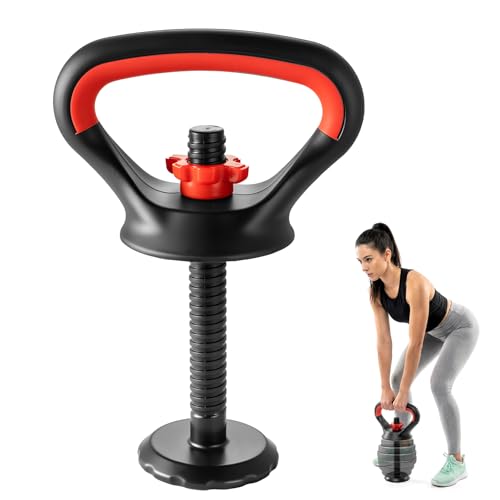
Adjustable kettlebells let you change the weight in one piece of equipment. They can save space and may suit smaller home gyms. The trade off is that they can feel bulkier or less natural for some dynamic movements.
Choose fixed kettlebells if you want simplicity and traditional feel. Choose adjustable kettlebells if space saving and multiple weight options matter more.
Key Features To Compare
When comparing kettlebells, look at weight, handle width, handle texture, grip comfort, base stability, coating, shape, size, durability and whether the kettlebell suits your main exercises.
A flat base helps the kettlebell sit securely on the floor, which is useful for storage and some exercises. A smooth but grippy handle is important because rough handles can irritate the hands, while slippery handles can feel unsafe.
Size matters too. Very large kettlebells can feel awkward for smaller users or certain exercises, while very small kettlebells may not give enough room for a comfortable two handed grip.
Kettlebells Or Dumbbells?
Kettlebells are useful for swings, carries, goblet squats, dynamic conditioning and exercises where the weight moves around the hand. Their shape makes them feel different from dumbbells.
Dumbbells are usually better for controlled strength exercises such as curls, presses, flyes and rows. They can be easier to balance and more familiar for beginners.
The best setup can include both. Kettlebells add movement, grip and conditioning variety. Dumbbells offer simple, controlled resistance.
Best For Strength, Cardio Or Functional Training?
For strength training, kettlebells can be used for squats, deadlifts, rows, presses, carries and lunges. Heavier weights are usually better for lower body and compound exercises once technique is controlled.
For cardio and conditioning, kettlebell swings, complexes and circuits can raise heart rate quickly. These workouts can feel demanding, so start slowly and focus on good form.
For functional training, kettlebells are useful because they can involve grip, core control, balance and full body movement in one piece of equipment.
Beginner, Home Gym User Or Serious Trainer?
Beginners should start with a manageable kettlebell and learn basic movements before trying swings, cleans or snatches. Good technique matters more than heavy weight.
Home gym users may want two or three kettlebells in different weights. This allows lighter upper body exercises and heavier lower body movements without needing a large equipment setup.
Serious trainers may want heavier kettlebells, pairs of matching weights, competition style designs or a wider range of loads for progression.
Using Kettlebells Safely
Kettlebells should be used with control and enough clear space around you. Dynamic exercises such as swings and cleans need more care than slow strength movements.
Start with simple exercises such as deadlifts, goblet squats, rows and carries before moving into faster movements. If your technique breaks down, reduce the weight or choose an easier exercise.
If you feel sharp back pain, shoulder pain, wrist pain, dizziness, chest pain or unusual discomfort, stop exercising and seek suitable advice. If you have medical concerns, injury history or have not exercised for a long time, get appropriate advice before starting a demanding routine.
Useful Accessories To Consider
Useful accessories can include exercise mats, floor protection mats, lifting gloves, wrist guards, resistance bands, gym towels, water bottles, storage racks and fitness trackers.
A floor mat can help protect surfaces and define the training area. Wrist guards may be useful for some kettlebell movements where the bell rests against the forearm. Storage racks help keep heavier equipment organised and reduce trip hazards.
Choose accessories that make training safer, tidier and easier to repeat consistently.
Why Buy Kettlebells From YPC?
At YPC, we understand active lifestyles and the need for practical strength equipment that fits real routines. Kettlebells should feel comfortable to grip, stable to use and suitable for the way you actually train.
Browse the Kettlebells range, compare the options and choose the weight that fits your strength level, workout space and fitness goals.
Kettlebells FAQs
What are kettlebells used for?
Kettlebells are used for strength training, conditioning, core exercises, swings, squats, presses, rows, carries, lunges and full body workouts.
Are kettlebells good for beginners?
Yes, kettlebells can suit beginners if they start with a manageable weight and learn controlled movements before progressing to faster exercises.
What weight kettlebell should I start with?
Start with a weight you can control with good technique. Upper body exercises usually need a lighter kettlebell than squats, deadlifts and carries.
Are kettlebells better than dumbbells?
Not always. Kettlebells are better for swings, carries and dynamic conditioning. Dumbbells are often better for controlled strength exercises and simple progression.
Can kettlebells build muscle?
Kettlebells can support muscle strengthening when used with suitable resistance, good technique, progressive training, recovery and consistency.
Can kettlebells help with weight loss?
Kettlebells can support exercise and calorie expenditure, but they do not cause weight loss on their own. Diet, consistency, activity level and lifestyle all matter.
What is a kettlebell swing?
A kettlebell swing is a dynamic exercise where the kettlebell is moved using a hip hinge and controlled momentum. It should be learned carefully because technique matters.
Are adjustable kettlebells worth buying?
Adjustable kettlebells can be worth buying if you want several weight options but have limited storage space. Fixed kettlebells may feel simpler and more natural for some exercises.
What is the difference between cast iron and competition kettlebells?
Cast iron kettlebells often vary in size as weight changes. Competition kettlebells are usually the same size across different weights, giving a consistent feel.
Do kettlebells need a mat?
A mat can help protect flooring and define your workout area. It is useful if you train at home, especially with heavier kettlebells.
Are kettlebell swings safe?
Kettlebell swings can be safe when learned properly and performed with control. They can become risky if the weight is too heavy or technique is poor.
What exercises can I do with one kettlebell?
You can do goblet squats, deadlifts, rows, presses, lunges, carries, swings, halos, floor presses and core exercises with one kettlebell.
Are kettlebells good for home gyms?
Yes, kettlebells are compact, versatile and easy to store, making them useful for home gyms and small workout spaces.
How should I store kettlebells?
Store kettlebells on a stable floor area or suitable rack where they cannot roll, damage flooring or become a trip hazard.
How do I care for kettlebells?
Keep kettlebells clean and dry, check handles for chips or rough spots, avoid dropping them on unsuitable floors and stop using any kettlebell that feels damaged or unsafe.
 Getting ready for Summer? View our Home and Garden Products

Heading outdoors this winter? Take a look at our Outdoor Clothing.