
Bird Tables & Feeders
Bird tables and feeders are outdoor feeding stations designed to help garden birds access food more easily. They are ideal for anyone who wants to attract more birdlife, add natural movement to the garden and create a more welcoming space for wildlife.
A good bird table or feeder can make your garden feel livelier throughout the year. The right choice depends on the birds you want to feed, the type of food you plan to offer, the space available, the fixing method, cleaning access and how easy it is to refill.
- Bird Tables & Feeders
ADDLIVE 30In Bird Bath for Garden Metal Freestanding Bird Bath Feeder
£15.99 *View On Amazon* - Bird Tables & Feeders
Bird Feeders Pole Squirrel Proof, 233cm Hanging Feeding Station Stand
£24.99 *View On Amazon* - Bird Tables & Feeders
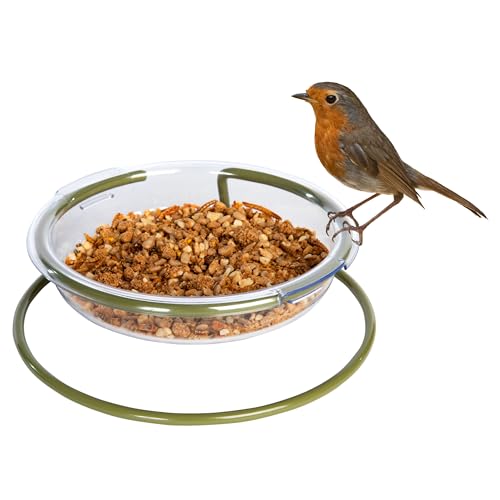
Redwood 18.5cm Plastic Replacement Wild Bird Water Dish
£5.50 *View On Amazon* - Bird Tables & Feeders
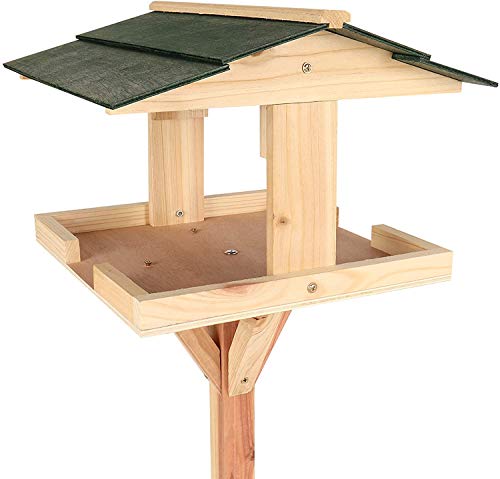
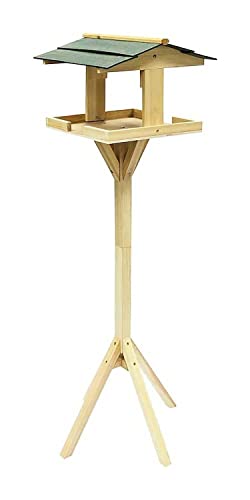
Free Standing Traditional Wooden Wild Bird Feeding Station Table
£17.99 *View On Amazon* - Bird Tables & Feeders
2 Piece Bird Bath for Garden Hanging Tray Set
Original price was: £17.98.£15.98Current price is: £15.98. *View On Amazon* - Bird Tables & Feeders
Taylor & Brown 3 in 1 Copper Effect Bird Bath, Table Bird Hotel Feeder with Solar Light and Planter
Original price was: £27.99.£24.99Current price is: £24.99. *View On Amazon* - Bird Tables & Feeders
Bronze Outdoor Bird Feeder Bath with Solar Light Weather Resistant Garden Feature
£20.62 *View On Amazon* - Bird Tables & Feeders
Greenfields Premium Deluxe Wooden Bird Table with Built In Bird Feeder
£22.99 *View On Amazon* - Bird Tables & Feeders
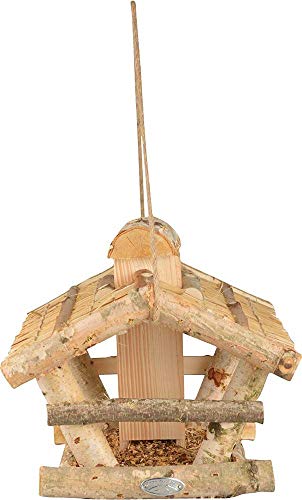
dobar Classic Bird Feeder Bark Roof Hanging Bird House
£27.88 *View On Amazon* - Bird Tables & Feeders
Johnston & Jeff Manhattan Suet Block Feeder 18.5cm Metal Wild Bird Feeder
£10.00 *View On Amazon* - Bird Tables & Feeders
Fallen Fruits Hanging Bird Table with Thatched Roof and Feeder Silo, FB314
£24.02 *View On Amazon* - Bird Tables & Feeders
CQAIRIOU Wall Mounted Bird Feeder Tray, 11.8 inch Stainless Steel Mesh Tray with Hanging Hook
£21.19 *View On Amazon* - Bird Tables & Feeders
WuJiLiving Solar Metal Wild Bird Feeder for Outdoor Garden, White Classic
£34.90 *View On Amazon*










How to Choose the Right Bird Table or Feeder
Start by thinking about where the feeder will go. A hanging feeder can work well from a tree, bracket, pergola or feeding station, while a freestanding bird table can create a more visible focal point on a lawn, patio or border.
Also consider how often you want to refill it. Smaller feeders may suit occasional use or compact gardens, while larger bird tables and feeding stations can hold more food and may attract a wider range of garden birds. The best option is one you can keep clean, topped up and safely positioned.
What Matters Most When Comparing Bird Tables and Feeders
The main things to compare are size, material, food compatibility, stability, weather protection, cleaning access, refill method and where the feeder can be placed. A feeder should be practical for you as well as suitable for birds.
Food type matters too. Seed feeders, peanut feeders, suet feeders, fat ball holders, mealworm feeders and bird tables all suit different feeding styles. Some birds prefer to perch on hanging feeders, while others are more likely to use a flat feeding surface.
Bird Table or Hanging Bird Feeder?
A bird table gives birds a flat surface to land and feed. It can be useful for mixed bird food, seed blends and larger garden birds, depending on the design. A roofed bird table can also help keep food more sheltered from rain.
A hanging bird feeder is usually more compact and can be used for specific foods such as seeds, peanuts or fat balls. It can be easier to position in different parts of the garden and may help reduce food being scattered across the ground.
The trade off is space and feeding style. Bird tables are more visible and decorative, while hanging feeders are often more focused, easier to move and useful for offering different foods separately.
Seed Feeders, Fat Ball Feeders and Peanut Feeders
Seed feeders are a popular choice for everyday garden feeding. They usually hold loose bird seed and allow birds to perch while feeding.
Fat ball feeders are useful for holding suet balls or similar high energy bird foods. They can be particularly helpful when birds need extra energy, depending on the season and food used.
Peanut feeders are designed to hold peanuts securely while allowing birds to feed through a mesh or opening. Whole peanuts should be offered in a suitable feeder rather than loose, especially during nesting season, so always check the food and feeder guidance before use.
Placement, Shelter and Garden Position
Where you place a bird table or feeder can affect how useful it is. Choose a position that is visible enough for you to enjoy, but not so exposed that birds feel vulnerable. Nearby shrubs, trees or cover can help birds approach and leave more naturally.
Avoid placing feeders too close to busy paths, seating areas, pets or places where birds may be startled often. Also think about cleaning underneath, as seed husks and dropped food can build up below feeding areas.
Cleaning, Hygiene and Regular Use
Bird tables and feeders need regular cleaning because old food, droppings and damp seed can build up over time. A design that is easy to empty, wipe and refill will usually be more practical than one that looks attractive but is awkward to maintain.
It is better to offer sensible amounts of food and refill when needed rather than letting food sit for too long. Check the feeder regularly, remove spoiled food and keep feeding areas as clean as possible.
Materials, Weather Protection and Durability
Wooden bird tables can look traditional and natural in the garden, but they may need more care depending on the finish and exposure. Metal and plastic feeders can be easier to clean and may suit hanging positions or feeding stations.
Weather protection is worth considering. Roofed bird tables can help keep food drier, while enclosed or covered feeders can reduce some exposure to rain. Always check the product details so you know how the feeder should be used, cleaned and maintained.
Find Bird Tables and Feeders That Suit Your Garden
Browse our range of bird tables and feeders and compare options by size, feeding style, material, food type and cleaning access. Choose a feeding station that suits your garden, is easy to maintain and helps make your outdoor space more inviting for garden birds.
Bird Tables and Feeders FAQs
What is the difference between a bird table and a bird feeder?
A bird table gives birds a flat surface for feeding, while a bird feeder usually holds specific foods such as seed, peanuts or fat balls. Bird tables are often more decorative, while feeders are usually more focused by food type.
What type of bird feeder should I buy?
Choose a bird feeder based on the food you want to offer. Seed feeders suit loose seed, peanut feeders hold peanuts securely, and fat ball feeders are designed for suet balls or similar foods.
Are bird tables worth buying?
Bird tables are worth considering if you want a visible garden feeding station and a flat surface for mixed bird food. They can also add decorative interest to lawns, patios and borders.
Where should I place a bird feeder?
Place a bird feeder somewhere birds can approach safely, ideally with some nearby cover. Avoid busy areas, strong disturbance and positions where dropped food will be difficult to clean.
Do bird feeders need cleaning?
Yes, bird feeders should be cleaned regularly to remove old food, damp seed and droppings. Choose a feeder that is easy to open, empty and wipe clean.
What food can I put on a bird table?
Many bird tables can be used for suitable bird seed, mixes, suet foods or other bird feeding products, depending on the design. Always check the food guidance and avoid anything unsuitable for wild birds.
Are hanging bird feeders better than bird tables?
Hanging bird feeders can be better for specific foods and smaller garden spaces. Bird tables can be better if you want a larger, more visible feeding surface. Many gardens benefit from both.
Can bird tables and feeders stay outside all year?
Many bird tables and feeders are designed for outdoor use, but weather resistance depends on the material and construction. Check the product details and maintain them regularly.
How often should I refill bird feeders?
Refill bird feeders when the food has been eaten and the feeder is clean. Avoid leaving old, wet or spoiled food sitting for long periods.
Do bird feeders attract pests?
Bird feeders can attract pests if food is left to spill or spoil. Position feeders carefully, clean underneath regularly and use suitable amounts of food to help reduce mess.
 Getting ready for Summer? View our Home and Garden Products

Heading outdoors this winter? Take a look at our Outdoor Clothing.