
Waste Paper Bins
Waste Paper Bins for Offices, Bedrooms and Household Spaces
Waste paper bins provide a convenient place to collect dry paper, envelopes, light packaging and other suitable everyday rubbish. Choosing the right capacity, shape and material can help keep desks, bedrooms, living spaces and home offices tidy without taking up unnecessary floor space.
Browse open waste paper baskets, lidded bins, metal mesh designs, plastic bins, slim containers and recycling baskets. Compare products by their external dimensions, litre capacity, materials, stability, cleaning requirements and suitability for the type of waste you need to collect.
Explore Waste Paper Bins at YPC to find practical options for desks, studies, bedrooms, guest rooms, craft spaces and other areas where small amounts of dry household waste are produced.
-
Waste Paper Bins
JVL Mosaic Navy Waste Paper Bin, 27cm x 25cm Approx, Polypropylene, Small
£10.18 *View On Amazon* -
Waste Paper Bins
Exacompta ECOBIN BeeBlue Waste Paper Basket, 15 L, Saffron, Ref. 45308D
£14.78 *View On Amazon* -
Waste Paper Bins
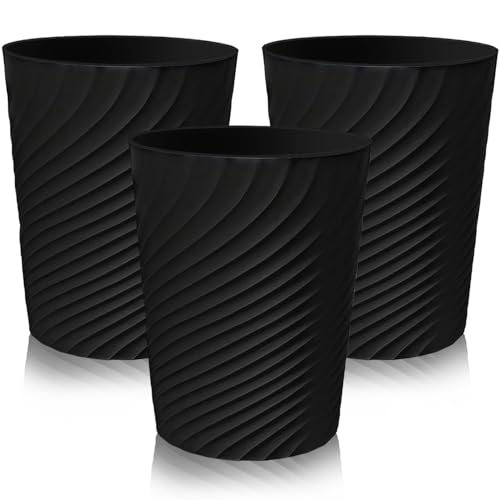
Lighterday 3 Pack Small Uncovered Plastic Waste Paper Bin, Black
Original price was: £15.99.£13.99Current price is: £13.99. *View On Amazon* -
Waste Paper Bins
Acorn Green Paper Recycling Bin, 60 Litre, Ref 402565, Pack of 5
£44.92 *View On Amazon* -
Waste Paper Bins
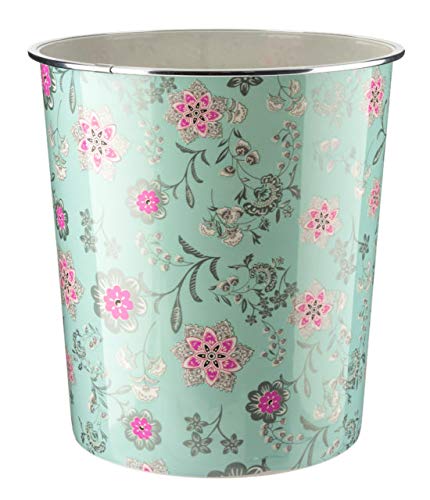
Plastics Colourful Flowers Floral Waste Paper Bin, Green with Flower
£5.99 *View On Amazon* -
Waste Paper Bins
D.RECT Metal Mesh Waste Bin 18L Black
Original price was: £24.16.£19.22Current price is: £19.22. *View On Amazon* -
Waste Paper Bins
Armo Round Rattan Effect Woven Waste Paper Bin Basket – Grey
£6.99 *View On Amazon* -
Waste Paper Bins
AHUNTTER 3 Pack Mesh Waste Paper Bin, 12 Litre Metal Waste Basket, Black Circular
£17.99 *View On Amazon* -
Waste Paper Bins
JVL Vibrance Bright Green Lightweight Plastic Waste Paper Basket
Original price was: £9.99.£7.15Current price is: £7.15. *View On Amazon* -
Waste Paper Bins
Plastics Colourful Flowers Floral Waste Paper Bin (Purple Flower)
£5.99 *View On Amazon* -
Waste Paper Bins
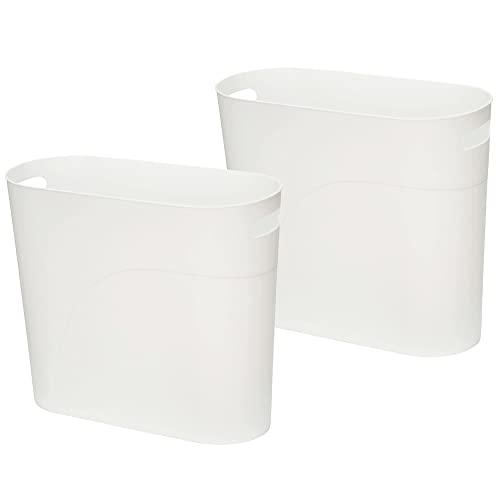
Caxmtu Small Bathroom Bin, Plastic Wastebasket, 10 Litres, White, 2 Pack
£15.99 *View On Amazon*







How to Choose a Waste Paper Bin
Waste paper bins are compact household containers designed primarily for dry, lightweight rubbish such as paper, envelopes, tissues and small amounts of suitable packaging. They are commonly used beside desks, in bedrooms, home offices, living rooms and other spaces where a large kitchen-style bin would be unnecessary.
The right bin depends on the amount and type of waste produced, the available floor space and whether the contents will be placed into general rubbish or separated for recycling.
Measure the intended position before ordering. Compare the full external width, depth and height, including any rim, handles, lid or footed base.
Types of Waste Paper Bins
Open Waste Paper Baskets
Open waste paper baskets provide immediate access without a lid or opening mechanism.
They can be convenient beneath desks and beside workstations because paper can be dropped inside quickly. Their simple design also makes it easy to see when the bin needs emptying.
Open bins are generally most suitable for dry, low-odour waste. They provide no protection from pets, children, spills or waste being blown out by a draught.
Plastic Waste Paper Bins
Plastic bins are lightweight, widely available and usually easy to wipe or wash.
They may be supplied in round, square, rectangular or slim designs to suit different rooms and furniture layouts. Solid sides help contain smaller scraps that could fall through mesh.
Check the plastic for smooth edges and a stable base. Very lightweight bins may move when placed beneath a desk or on polished flooring.
Metal Mesh Waste Paper Bins
Metal mesh bins provide an open, ventilated design that is commonly used in home offices and workspaces.
The contents remain visible, making it easy to identify when the bin is full or when an unsuitable item has been added. Airflow can also help prevent small amounts of dry paper from becoming musty.
Check that the mesh edges, joins and rim are smooth. Small scraps may fall through wide openings, and liquids can leak directly onto the floor.
Solid Metal Waste Paper Bins
Solid metal bins can provide a rigid structure and a more enclosed appearance than mesh alternatives.
They may suit offices, bedrooms and living spaces where a simple, durable container is preferred. Coated or painted finishes should be cleaned using methods suitable for the material.
Inspect the bin periodically for rust, chipped coatings and sharp edges, particularly where it is used in a humid room.
Lidded Waste Paper Bins
Lidded designs keep the contents out of sight and can help prevent light paper waste from being scattered.
They may use lift-off, swing-top, touch or pedal-operated lids. A lid can be useful in shared rooms or homes with pets, although it makes the bin slightly larger and introduces additional areas that need cleaning.
Check that the lid can open fully in the intended location.
Slim Waste Paper Bins
Slim bins are designed for narrow spaces beside desks, cabinets, beds and other furniture.
They can make use of small gaps without projecting too far into the room. Their narrower opening may make larger envelopes, sheets and packaging harder to place inside without folding.
Measure the available gap at its narrowest point and include skirting boards and furniture overhangs.
Rectangular Waste Paper Bins
Rectangular bins can fit neatly against walls, cupboards and desk panels.
Their straight sides often use corner and under-desk spaces more efficiently than round designs. Check that the opening remains accessible once the bin is positioned.
A rectangular liner may fit more neatly than a standard round bag, depending on the dimensions.
Round Waste Paper Bins
Round bins provide a simple shape with no corners where scraps can become trapped.
They can be easy to move and clean, although they may leave unused space when placed tightly against a wall or inside a square furniture gap.
Check the base diameter as well as the widest upper measurement, as some designs taper.
Recycling Waste Paper Bins
Paper-recycling bins are intended to collect clean, dry paper and other materials accepted by the relevant local recycling service.
They may include recycling symbols, colour-coded finishes or labels to help distinguish them from general rubbish.
Local collection rules vary, so check which paper, envelopes, card and packaging can be included in your area.
Stackable Waste Paper Bins
Stackable or nesting bins can reduce storage space when several empty containers are not in use.
Some recycling systems also allow compatible bins to be stacked vertically, although they may include front openings rather than a traditional open top.
Only stack products specifically designed for the purpose and follow any stated weight and height limits.
Waste Paper Bins with Handles
Handles can make a bin easier to carry to a larger household waste or recycling container.
They may be moulded into the sides or provided through a removable inner bucket. Check that the handles remain comfortable and strong enough for the intended contents.
Paper can become heavy when a larger bin is completely full, particularly where catalogues, magazines or cardboard are included.
Decorative Waste Paper Bins
Decorative bins may use woven materials, fabric coverings, printed finishes or shapes designed to complement bedrooms and living areas.
Consider how easily the material can be cleaned. A decorative basket may suit clean paper waste but be unsuitable for liquids, food residue or anything likely to stain.
Check for rough fibres or decorative parts that could loosen during use.
Important Buying Considerations
Capacity
Waste paper bin capacity is usually stated in litres.
Smaller bins suit occasional use beside a bed or dressing table. Medium or larger designs may be more practical in a home office where paper, envelopes and packaging are discarded regularly.
A larger bin requires emptying less often but occupies more floor space and may encourage paper to build up for longer.
Consider how easily a full bin can be lifted and carried.
External Dimensions
Check the complete dimensions rather than relying on litre capacity alone.
Measure the:
- Width
- Depth
- Height
- Top opening
- Base size
- Rim thickness
- Handle position
- Lid clearance
- Space beneath the desk
- Distance from nearby furniture
A bin that fits beneath a desk may still restrict legroom or collide with a chair.
Shape
Round bins are simple and easy to clean, while square and rectangular designs can fit more efficiently against furniture.
Slim bins work well in narrow gaps but may be less stable or harder to empty when filled with larger sheets.
Choose the shape that fits the actual room layout and the type of waste being collected.
Opening Size
A wide opening makes it easier to dispose of paper without folding or aiming carefully.
A smaller opening can help contain the contents but may be inconvenient for large envelopes, cardboard or crumpled paper.
Check whether the bin will mainly collect small scraps or full sheets and packaging.
Materials
Common materials include:
- Plastic
- Coated metal
- Metal mesh
- Wood
- Bamboo
- Woven fibres
- Fabric-covered board
- Recycled materials
Plastic and coated metal are generally easier to wipe clean. Woven, wooden and fabric designs may suit dry waste but can be affected by moisture and staining.
Stability
A waste paper bin should remain upright when paper is added or removed.
Lightweight bins can tip when larger sheets rest against one side or when a pet or chair touches them. A broad or weighted base may provide greater stability.
Place the bin on a level surface and avoid overfilling it above the rim.
Ease of Cleaning
Even a dry-waste bin can collect dust, ink residue, crumbs and marks from packaging.
Smooth, solid interiors are generally easier to wipe. Mesh designs require cleaning around the openings and may allow debris onto the floor.
Choose a material that can be maintained using the manufacturer’s recommended method.
Liner Compatibility
A liner is not always necessary for clean, dry paper waste.
Using a liner can make emptying easier and contain small scraps, but it creates additional waste and may complicate paper recycling if the bag and contents are not separated.
Check the bin dimensions before choosing a liner and make sure the bag does not obstruct a lid or pedal mechanism.
Lid or Open Top
An open bin offers immediate access and makes it easy to see the contents.
A lidded design hides waste and can reduce access by pets or young children. It requires additional clearance and cleaning.
Choose according to the room, waste type and household needs.
Open or Lidded Waste Paper Bins
An open waste paper basket is practical for clean, dry rubbish that is emptied regularly. It contains no hinges, catches or mechanisms and can be easy to clean.
A lidded bin provides greater containment and keeps the contents out of view. It may be preferable in shared rooms or where pets could remove tissues and paper.
Open bins suit simple desk and bedroom use, while lidded designs offer more discreet storage.
Plastic or Metal Waste Paper Bins
Plastic bins are lightweight, easy to carry and generally resistant to rust. They may scratch, stain or become brittle over time.
Metal bins provide a rigid structure and may suit modern office or bedroom interiors. Mesh designs allow small debris and liquids to reach the floor, while solid metal can develop rust if the finish becomes damaged.
Choose according to the room conditions, appearance and preferred cleaning method.
Solid or Mesh Waste Paper Bins
Solid-sided bins contain small scraps, dust and accidental leaks more effectively.
Mesh bins keep the contents visible and provide a lightweight office-style design. Very small paper pieces may escape through the openings.
A solid bin may be more practical in bedrooms and craft rooms, while mesh can suit dry office paper where the floor is easy to clean.
Waste Paper Bin or Recycling Bin
A waste paper bin may collect general dry rubbish, including items that cannot be recycled.
A dedicated paper-recycling bin should contain only materials accepted by the local recycling service. Food-stained paper, receipts, laminated sheets and mixed-material packaging may not always be suitable.
Keeping separate bins can reduce recycling contamination and make disposal easier.
Waste Paper Bins for Home Offices
A home-office bin can collect envelopes, notes, paper offcuts and light packaging.
Position it within reach without reducing legroom or obstructing the chair. A rectangular or slim design may fit neatly beside a desk or drawer unit.
Confidential papers should not be placed openly into a general bin without being securely destroyed or handled through an appropriate disposal process.
Waste Paper Bins for Bedrooms
Bedroom bins are useful for tissues, tags, envelopes and light personal-care packaging.
A compact open basket may suit dry waste, while a lidded design can keep contents out of view and reduce access by pets.
Avoid placing food, drinks or wet waste into a decorative fabric or woven bin.
Waste Paper Bins for Living Rooms
Living-room bins can collect paper packaging, envelopes and light household rubbish.
Choose a design that fits the room without obstructing walkways or furniture. Decorative baskets may blend with the space but should still be easy to empty and clean.
Do not position paper-filled bins close to fires, candles, radiators or portable heaters.
Waste Paper Bins for Guest Rooms
A small, discreet bin can provide convenient waste storage for visitors.
Place it somewhere visible enough to find but clear of doors and walking routes. Empty and inspect it between guests.
A liner may be useful in guest rooms where the type of waste cannot be predicted.
Waste Paper Bins for Craft Rooms
Craft rooms can produce paper scraps, card, thread, packaging and small offcuts.
A wide-opening bin can make quick tidying easier. Keep sharp blades, needles, wire and chemical-contaminated waste out of an ordinary paper basket.
Separate recyclable clean paper from glittered, glued, painted or laminated materials where local guidance requires it.
Waste Paper Bins for Children’s Rooms
Choose a lightweight, stable bin with smooth edges.
Keep plastic liners, long handles and small detachable components away from babies and young children. The bin should not contain batteries, magnets, sharp items, medicines or choking hazards.
A clearly labelled recycling basket may help older children learn to separate clean paper where appropriate.
Waste Paper Bins for Shared Workspaces
Shared workspaces may need larger capacity or several clearly labelled bins.
Separate confidential documents, general waste and recyclable paper. Empty bins regularly so paper does not overflow onto floors or obstruct work areas.
Commercial or workplace waste may be subject to different disposal and data-protection arrangements from ordinary household rubbish.
What Can Go in a Waste Paper Bin?
Depending on whether the bin is used for general rubbish or paper recycling, suitable items may include:
- Notes
- Envelopes
- Paper scraps
- Tissues
- Small cardboard packaging
- Junk mail
- Paper labels
- Empty paper wrappers
- Non-confidential printouts
- Clean paper offcuts
Recyclability depends on the material and current local collection rules.
What Should Not Go in a Waste Paper Bin?
Avoid placing the following in an ordinary open paper bin:
- Food waste
- Drinks
- Wet cleaning cloths
- Hot ash
- Burning materials
- Batteries
- Electrical items
- Medicines
- Needles or blades
- Broken glass
- Liquid chemicals
- Paint or solvent waste
- Confidential documents requiring secure disposal
- Heavily contaminated packaging
Use the appropriate waste or recycling route for each item.
Paper Recycling
Clean and dry paper may be accepted through household recycling, but requirements vary by local authority.
Commonly accepted materials may include newspapers, magazines, envelopes, office paper and certain cardboard packaging. Some services exclude shredded paper, padded envelopes, receipts or paper contaminated with food.
Check current local guidance before combining different paper products.
Recycling Envelopes
Many ordinary paper envelopes can be recycled, depending on local arrangements.
Plastic windows, padding, bubble lining and adhesive components may affect suitability. Some councils accept window envelopes without separation, while others provide different guidance.
Remove confidential personal information where appropriate before disposal.
Recycling Cardboard
Small clean cardboard packaging may be suitable for paper or mixed recycling.
Flatten boxes where local guidance permits to reduce the space they occupy. Remove plastic inserts, foam, tape or other components where required.
Wet or heavily food-stained cardboard may not be accepted.
Receipts and Coated Paper
Some receipts use thermal paper and may not be suitable for standard paper recycling.
Laminated sheets, waxed paper, metallic gift wrap and plastic-coated packaging can also require general waste or specialist disposal.
Check the material and local collection rules rather than assuming every paper-like item can be recycled.
Shredded Paper
Shredded paper can be difficult for recycling facilities to process because the small pieces may escape during sorting.
Some councils accept it inside a paper bag or separate container, while others exclude it from household recycling.
Check local guidance before placing shredded documents into a recycling bin.
Confidential Documents
Confidential paperwork may include financial statements, medical letters, account information, customer details and documents containing names or addresses.
Do not place sensitive papers openly into a household or workplace bin where they could be retrieved.
Use a suitable shredder, secure document-destruction service or approved confidential-waste system. The required method depends on the sensitivity and whether the information belongs to an individual, organisation or customer.
Shredding Documents Safely
Use a shredder suitable for the amount and type of paper involved.
Follow its sheet limit and remove staples, cards or clips where the instructions require it. Keep hands, loose clothing, hair and children away from the feed opening.
Allow the shredder to cool where specified and empty its container before it becomes overfilled.
Waste Paper and Fire Safety
Paper is combustible and should be kept away from:
- Open fires
- Candles
- Hobs
- Portable heaters
- Radiators with unsuitable clearance
- Hot styling tools
- Smoking materials
- Electrical equipment that overheats
- Direct flame
- Hot ash
Never place burning, smouldering or hot material inside a waste paper bin.
Empty paper waste regularly rather than allowing large quantities to accumulate near a heat source.
Using Liners in Waste Paper Bins
A liner can contain tissues, dust and small scraps and make carrying waste easier.
For clean recyclable paper, remove the plastic liner before placing the contents into paper recycling unless local guidance states otherwise.
Choose a liner that fits without folding heavily over the rim or making the bin unstable.
Emptying a Waste Paper Bin
Check the contents before tipping or lifting them.
Sharp objects, batteries or liquids may have been added accidentally. Wear gloves where appropriate and remove unsuitable waste safely.
Carry the bin or liner without allowing paper to scatter across the room or outside.
Avoiding Overfilling
Do not allow paper to rise so far above the rim that it falls onto the floor or catches against furniture.
Large sheets can make a bin look full while leaving unused space underneath. Fold or flatten suitable paper where practical.
Empty the bin before it becomes difficult to lift or sort.
Preventing Paper from Blowing Out
Open bins near windows, fans and draughty doors can allow lightweight paper to escape.
Move the bin to a more sheltered position or choose a taller or lidded design.
Avoid placing an open basket in an outdoor area unless it is specifically suitable and securely protected.
Preventing Odours
Clean paper should produce little odour.
Smells usually indicate that food, liquid, used tissues or other damp waste has been added. Empty the bin, clean it and allow it to dry completely.
Avoid masking persistent smells without removing the waste or residue causing them.
Cleaning a Plastic Waste Paper Bin
Empty the bin and remove loose dust.
Wipe or wash it using a method suitable for the plastic. Pay attention to the rim, corners and base.
Rinse where required and dry it completely before returning it to the room or fitting a liner.
Cleaning a Metal Mesh Bin
Empty the bin and remove paper trapped within the mesh.
Wipe the wire and rim with a suitable cloth. A soft brush may help reach the openings where dust has collected.
Dry the metal thoroughly and check for rust, bent sections or sharp edges.
Cleaning a Solid Metal Bin
Use a soft cloth and a cleaning product suitable for the finish.
Avoid abrasive scourers and harsh chemicals that could scratch or remove protective coatings.
Dry the bin after cleaning to reduce water marks and corrosion.
Cleaning Woven and Fabric Bins
Check the care instructions before cleaning.
Some fabric liners are removable and washable, while woven or board-supported products may require vacuuming or spot cleaning.
Do not soak materials that could warp, shrink or develop mould. Allow every part to dry completely.
Preventing Floor Damage
Dust, grit and metal edges beneath a bin can mark wood, laminate and other flooring.
Move the bin periodically and clean both the base and floor. Use suitable protective pads where compatible.
Do not drag a full bin across delicate flooring.
Preventing Wall and Furniture Marks
Place the bin far enough from walls and furniture that it does not rub whenever it is used or moved.
Metal mesh and rough decorative materials can scratch paint, wood and cabinet finishes.
Protective feet or pads may help where they do not make the bin unstable.
Waste Paper Bins Around Children
Keep plastic liners, confidential papers and unsafe waste away from children.
Do not allow a child to climb inside a large bin or use it as a toy. Remove broken plastic, exposed wire and loose decorative components immediately.
Place sharp and hazardous waste in appropriate secure disposal containers rather than a bedroom or desk bin.
Waste Paper Bins Around Pets
Pets may remove tissues, chew paper or overturn lightweight bins.
Choose a stable lidded design or position the bin inside an inaccessible room where required.
Do not place food wrappers, medicines or harmful household products where a pet could retrieve them.
Waste Paper Bins and Allergies
Used tissues and dusty paper can contain allergens or bodily fluids.
Empty the bin regularly and use a liner where appropriate. Wash hands after handling waste and clean the bin if residue is present.
Household bins are not suitable for clinical or infectious waste requiring specialist handling.
Workplace and Business Use
A household-style waste paper bin may be useful beside a desk, but businesses can have separate responsibilities for waste storage, recycling and confidential information.
Commercial waste may require authorised collection and secure document disposal.
Choose products and services appropriate to the premises, waste volume and legal obligations.
Labelling Waste and Recycling Bins
Clear labels can help household members distinguish between general rubbish and recyclable paper.
Possible labels include:
- General waste
- Paper recycling
- Confidential waste
- Cardboard
- Mixed recycling
- Craft offcuts
Match labels to the actual collection and disposal system in use.
Colour Coding
Different bin colours can make waste separation easier.
Colour meanings are not universal, so written or picture labels may still be needed.
Choose removable labels where recycling arrangements or room uses may change.
Preventing Recycling Contamination
Keep food, liquids, tissues and non-paper materials out of paper recycling where they are not accepted.
A small amount of incorrect waste can make the contents harder to sort and process.
Check the bin before emptying it and remove unsuitable items using safe handling methods.
Reducing Paper Waste
A waste paper bin manages rubbish but does not reduce how much paper is used.
Where practical, households may reduce waste by:
- Choosing digital documents
- Cancelling unwanted mail
- Printing only when needed
- Using both sides of suitable paper
- Reusing clean sheets for notes
- Recycling accepted materials
- Avoiding unnecessary packaging
- Keeping reusable shopping lists
Paper use and recycling choices should remain practical for the household and the document involved.
Reusing Clean Paper
Single-sided printouts and clean offcuts may be suitable for notes, craft activities or household lists.
Do not reuse confidential papers where personal information could be exposed.
Keep reusable paper in a separate tray rather than mixing it with general waste.
Maintaining the Bin
Inspect the bin periodically for:
- Cracks
- Rust
- Sharp edges
- Loose handles
- Split fabric
- Broken rims
- Damaged lids
- Unstable bases
- Persistent stains
- Unpleasant odours
Repair where the manufacturer permits it or replace the product when it no longer stores waste safely.
When to Replace a Waste Paper Bin
Replace the bin if it becomes:
- Cracked
- Bent
- Rusted
- Torn
- Difficult to clean
- Permanently odorous
- Unstable
- Sharp around the edges
- Unable to hold a liner
- Damaged around handles or lids
A damaged bin can spill waste, scratch floors or cause injury.
Useful Waste Paper Bin Accessories
Useful additions may include:
- Bin liners
- Recycling labels
- Confidential-waste sacks
- Paper shredders
- Replacement inner buckets
- Protective floor pads
- Desk organisers
- Document trays
- Recycling bags
- Bin-cleaning brushes
Check dimensions and compatibility before ordering liners or replacement components.
Use shredders and confidential-waste products according to their instructions and keep them away from children and pets.
Why Buy Waste Paper Bins from YPC?
At YPC, we understand active lifestyles and the need for practical products that work in real use. Our Waste Paper Bins category makes it easier to compare plastic, metal, mesh, lidded and decorative designs for different household and home-office spaces.
Browse the available options and compare capacity, dimensions, materials and cleaning requirements to find a waste paper bin suited to your room, rubbish and recycling routine.
Frequently Asked Questions
What size waste paper bin should I choose?
Consider the available floor or desk space, the amount of paper produced and how frequently the bin will be emptied. Compare the full external dimensions as well as the litre capacity.
Do waste paper bins need liners?
Not always. A liner can make emptying easier, but clean paper recycling should normally be separated from a plastic bag unless local guidance states otherwise.
Can tissues go into paper recycling?
Used tissues are generally unsuitable for ordinary paper recycling. Place them in the appropriate household waste unless local guidance provides a different route.
How should confidential paperwork be disposed of?
Use a suitable shredder, secure confidential-waste container or approved document-destruction service rather than placing sensitive information openly into a household bin.
Are metal mesh waste paper bins easy to clean?
They can be wiped or brushed, but small scraps and dust may collect in the mesh. Check regularly for rust, bent wire and sharp edges.
 Getting ready for Summer? View our Home and Garden Products

Heading outdoors this winter? Take a look at our Outdoor Clothing.