
Antibacterial Cleaners and Disinfectants
Antibacterial Cleaners and Disinfectants for Household Hygiene
Antibacterial cleaners and disinfectants are designed to help reduce bacteria or other microorganisms on suitable household surfaces, depending on the product’s stated claims. They can be useful in kitchens, bathrooms, utility areas and frequently touched spaces where additional hygiene is needed.
Browse sprays, liquids, wipes, concentrates and specialist disinfecting products. Compare options by their approved uses, suitable surfaces, required contact time, application method and whether rinsing is needed.
Explore the Antibacterial Cleaners and Disinfectants range at YPC and choose products that match the area, surface and level of cleaning required.
-
Antibacterial Cleaners and Disinfectants
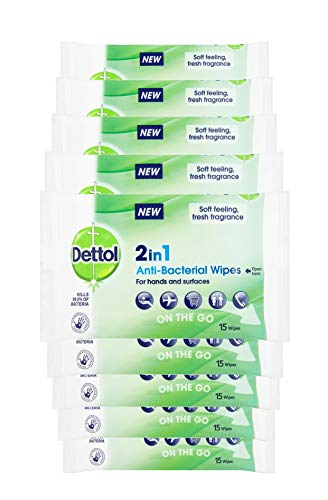
Dettol Antibacterial Hand Wipes Fresh Scented 135 Wipes
£13.05 *View On Amazon* -
Antibacterial Cleaners and Disinfectants
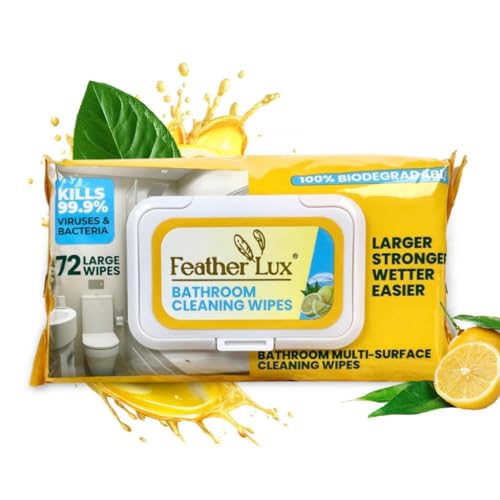
Bathroom Cleaning Wipes 72 Pack, Lemon Scent, Multi-Surface Antibacterial Wipes
£7.95 *View On Amazon* -
Antibacterial Cleaners and Disinfectants
Dettol Mould and Mildew Remover Multipack 3 x 750ml
£11.99 *View On Amazon* -
Antibacterial Cleaners and Disinfectants
Spray N Wipe Antibacterial Spray Cleaner 750ml (18 Pack)
£33.99 *View On Amazon* -
Antibacterial Cleaners and Disinfectants
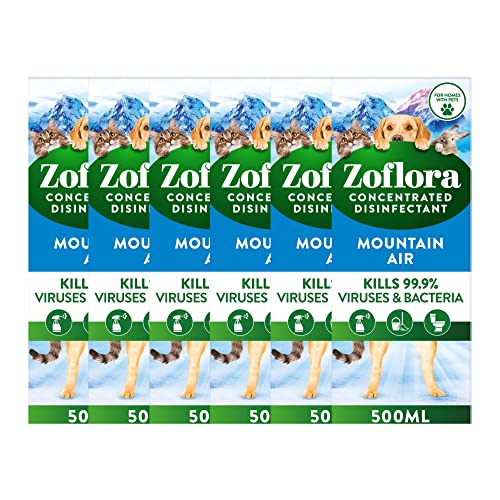
Zoflora Fresh Home Multi-purpose Concentrated Antibacterial Disinfectant, Mountain Air Fragrance, 6 x 500ml Bottles
£25.99 *View On Amazon* -
Antibacterial Cleaners and Disinfectants
Antibacterial Wipes 72 Pack Lemon Scent Multi Surface Cleaning Wipes
£7.95 *View On Amazon* -
Antibacterial Cleaners and Disinfectants
Asevi Disinfectant Cleaning Spray Multi Purpose Cleaner Antibacterial Spray 750ml
£6.46 *View On Amazon* -
Antibacterial Cleaners and Disinfectants
Antibacterial Alcohol Wipes – 1 Tub of 200 for Surfaces and Kitchen Food Probes
£7.95 *View On Amazon* -
Antibacterial Cleaners and Disinfectants
COMBACT Antibacterial Boxing Glove Deodoriser & Cleaner Spray, Floral Scent, 150ml
£12.99 *View On Amazon* -
Antibacterial Cleaners and Disinfectants
Zoflora Caribbean & Grapefruit Concentrated Multipurpose Disinfectant Liquid 500 ml
£7.67 *View On Amazon* -
Antibacterial Cleaners and Disinfectants
Dettol Multipurpose Concentrated Disinfectant Liquid, Eucalyptus and Mint, 500ml
£7.99 *View On Amazon* -
Antibacterial Cleaners and Disinfectants
Trade Chemicals Wheelie Bin Cleaner 5L Relancer Anti-Bacterial Sanitizer (Lemon)
Original price was: £15.89.£13.51Current price is: £13.51. *View On Amazon* -
Antibacterial Cleaners and Disinfectants
Sixsigma Foods Fast Acting Antibacterial Cleaner & Disinfectant H2FA 1 Litre
£10.99 *View On Amazon* -
Antibacterial Cleaners and Disinfectants
CleanPro+ Fast Acting Antibacterial Cleaner & Disinfectant H2FA 1 Litre x 1
£11.99 *View On Amazon* -
Antibacterial Cleaners and Disinfectants
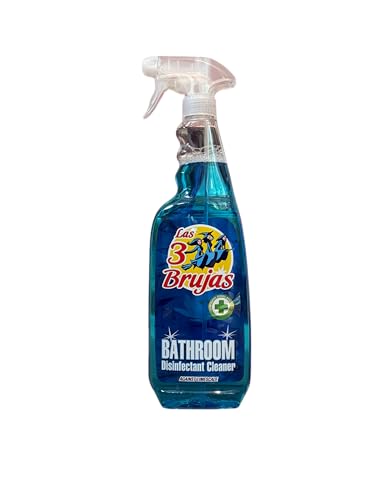
3 Brujas Bathroom Disinfectant Le Male Scented Spray 750ml
£3.50 *View On Amazon* -
Antibacterial Cleaners and Disinfectants
Aqueos Disinfectant Equine Tack Cleaner 750 ml
£13.37 *View On Amazon* -
Antibacterial Cleaners and Disinfectants
Derma Roller Disinfectant Cleaner & Steriliser Spray 100ml
£5.49 *View On Amazon* -
Antibacterial Cleaners and Disinfectants
Stardrops Pink Stuff Disinfectant Cleaner 850ml
£4.98 *View On Amazon* -
Antibacterial Cleaners and Disinfectants
Fabulosa Multi Purpose Room and Fabric Freshener, Antibacterial Disinfectant and Sanitising Cleaning Spray, 500ml, 6 Pack, Vanilla
£13.61 *View On Amazon* -
Antibacterial Cleaners and Disinfectants
Dettol Antibacterial Floor Cleaner Wipes, Citrus, 150 Wipes
£19.38 *View On Amazon* -
Antibacterial Cleaners and Disinfectants
Chemical Trade Store Laundry Sanitiser 5L Fresh Linen Scent
£14.99 *View On Amazon* -
Antibacterial Cleaners and Disinfectants
CHEMGENE Medlab Antibacterial Spray 750ml Eucalyptus
£7.47 *View On Amazon* -
Antibacterial Cleaners and Disinfectants
Dettol Washing Machine Cleaner Lemon Scent 250ml
Original price was: £4.50.£3.00Current price is: £3.00. *View On Amazon*







Choosing Antibacterial Cleaners and Disinfectants
Antibacterial cleaners and disinfectants are not all the same. Some products are designed mainly to remove dirt while also reducing certain bacteria, while others are intended to disinfect suitable surfaces when used exactly as directed.
The correct choice depends on what you need to clean, the material involved and the microorganisms covered by the product’s stated claims. Always read the label because performance can depend on application method, contact time and whether the surface is cleaned first.
Cleaning, Antibacterial Action and Disinfection
What Is an Antibacterial Cleaner?
An antibacterial cleaner is intended to clean surfaces while helping reduce certain bacteria listed by the manufacturer. It may be suitable for routine use in areas such as kitchens, bathrooms and utility spaces.
The term antibacterial does not automatically mean the product is effective against viruses, fungi or every type of microorganism. Check the product information for the exact claims provided.
What Is a Disinfectant?
A disinfectant is designed to reduce or inactivate specified microorganisms on suitable surfaces when used according to the instructions. Effective use may require the surface to remain visibly wet for a stated period.
Some disinfectants are ready to use, while others need dilution. The label should explain the required concentration, contact time and whether rinsing is necessary.
Does Cleaning Come Before Disinfecting?
Dirt, grease and organic residue can reduce the effectiveness of some disinfectants. Where instructed, clean the surface first, then apply the disinfectant using the stated method.
Combination products may clean and disinfect in one process, but only when the manufacturer confirms this and the instructions are followed correctly.
Types of Antibacterial and Disinfecting Products
Ready to Use Sprays
Ready to use sprays are convenient for targeted application on compatible surfaces. They can be useful for worktops, handles, bathroom fittings and other frequently touched areas where listed as suitable.
Check whether the product should be sprayed directly onto the surface or applied to a cloth. Avoid spraying near electrical equipment, food or exposed skin.
Disinfectant Wipes
Disinfectant wipes offer a quick option for smaller surfaces and touch points. They are pre-moistened and can be useful where carrying a separate bottle and cloth is inconvenient.
One wipe may not contain enough liquid for a large area or the full required contact time. Use enough wipes to keep the surface wet for as long as the label specifies.
Concentrated Disinfectants
Concentrated products are diluted before use and may suit frequent cleaning or larger areas. Correct measurement is essential because an incorrect dilution can reduce effectiveness or leave an unnecessarily strong solution.
Use the recommended measuring method and prepare only the amount needed where instructed. Never guess the dilution ratio.
Antibacterial Surface Cleaners
Surface cleaners with antibacterial claims can be useful for routine household cleaning where dirt removal and hygiene are both important. Suitable uses may include sealed worktops, sinks, bins and washable bathroom surfaces.
Check carefully before using them on natural stone, wood, painted finishes, fabrics or food-contact surfaces.
Important Buying Considerations
Stated Microorganism Claims
Check which microorganisms the product is specifically stated to act against. An antibacterial claim does not necessarily include viruses, mould, yeast or fungi.
Choose according to the intended purpose rather than assuming every disinfectant provides the same level of coverage.
Contact Time
Contact time is the period the surface must remain wet for the product to work as stated. This may range from a short period to several minutes, depending on the formulation and claim.
Wiping the product away too quickly may prevent it from working as intended. Follow the label rather than relying on appearance or fragrance.
Surface Compatibility
Disinfectants can affect certain materials, including natural stone, wood, metals, painted surfaces, plastics and delicate finishes. Confirm suitability before applying the product.
Test on a small, discreet area where appropriate and stop using it if the surface changes colour, texture or finish.
Rinsing Requirements
Some products must be rinsed after use, especially on surfaces that come into contact with food, feeding equipment or children’s items. Others are designed to dry without rinsing on specified surfaces.
Follow the individual product instructions every time.
Product Format
Sprays offer controlled application, wipes suit quick touch points and concentrates can be practical for larger areas. Ready to use products reduce preparation, while concentrates offer adjustable quantities but require accurate dilution.
Choose a format that fits the size and frequency of the task.
Antibacterial Cleaner or Disinfectant
An antibacterial cleaner may be suitable for everyday cleaning where you want to remove dirt and reduce specified bacteria. It can be convenient for regular household maintenance.
A disinfectant may be more appropriate where broader or more targeted microbial control is required, provided the product carries the relevant claim. It may also require longer contact times or additional safety precautions.
Using a stronger product than necessary is not always better. Match the product to the task and surface.
Suitable Areas Around the Home
Kitchens
Antibacterial cleaners may be used on suitable sealed worktops, sinks, cupboard handles and appliance exteriors. Food-contact surfaces may need rinsing after treatment.
Do not use a disinfectant on chopping boards, utensils or food preparation areas unless the label specifically permits it.
Bathrooms
Bathroom disinfectants may help with hygiene around toilets, sinks, taps and other washable surfaces. Limescale and soap residue may need to be removed before disinfection.
Take care around chrome, grout, sealant, acrylic and natural stone, as each material may require different care.
Frequently Touched Surfaces
Door handles, light switches, remote controls and handrails are touched regularly, but not every disinfectant is suitable for electronics, painted finishes or coated surfaces.
Apply products carefully and avoid excess liquid near electrical components.
Bins and Utility Areas
Disinfecting products may be useful around suitable bins, recycling containers and utility areas. Remove visible residue first and follow any rinsing or drying instructions.
Good ventilation may be needed, particularly in smaller enclosed spaces.
Safe Use of Disinfectants
Always read the label before use and follow the stated dilution, contact time, ventilation and protective equipment guidance.
Never mix disinfectants with bleach, ammonia, acids or other cleaning products unless the manufacturer explicitly confirms that it is safe. Mixing chemicals can produce dangerous fumes or reactions.
Keep products in their original containers with labels intact. Store them securely away from children, pets, food and heat sources.
Using Products Around Children and Pets
Keep children and pets away while products are being applied and until surfaces are dry or rinsed as instructed. Avoid using products on toys, feeding areas, cages or pet equipment unless they are listed as suitable.
Descriptions such as natural, plant based or fragranced do not remove the need to follow safety guidance.
Reusable Cloths and Disposable Wipes
Reusable cloths can be practical for routine cleaning, but they need to be washed and dried thoroughly between uses. Separate cloths for kitchens, bathrooms and pet areas can help reduce cross-contamination.
Disposable wipes are convenient for quick tasks but create more waste and may not remain wet enough for larger surfaces. Always dispose of them as directed and do not flush them unless the packaging explicitly states that this is permitted.
Why Buy Antibacterial Cleaners and Disinfectants from YPC?
At YPC, we understand active lifestyles and the need for practical products that work in real use. Our Antibacterial Cleaners and Disinfectants category helps you compare products by format, intended use, surface suitability and application instructions.
Browse the available options and choose products with clearly stated claims that suit your home and cleaning routine.
Frequently Asked Questions
What is the difference between an antibacterial cleaner and a disinfectant?
An antibacterial cleaner is designed to reduce specified bacteria while cleaning. A disinfectant may target a wider or different range of microorganisms, depending on the claims shown on the product.
Do disinfectants work immediately?
Not always. Many require the surface to remain wet for a stated contact time. Follow the label carefully and do not wipe the product away too soon.
Should I clean a surface before disinfecting it?
Where instructed, remove visible dirt, grease and residue first. Some combination products clean and disinfect in one step, but this should be confirmed on the label.
Can disinfectants be used on food preparation surfaces?
Only use them where the product is specifically listed as suitable. Rinsing may be required before the surface is used again.
Can I mix disinfectant with another cleaner?
No, unless the manufacturer explicitly states that it is safe. Mixing cleaning chemicals can create hazardous fumes or reactions.
 Getting ready for Summer? View our Home and Garden Products

Heading outdoors this winter? Take a look at our Outdoor Clothing.