
Bathroom Cleaners
Bathroom Cleaners for Everyday Hygiene and Surface Care
Bathroom cleaners help remove soap residue, water marks, limescale, dirt and everyday grime from suitable bathroom surfaces. Choosing the right product can make it easier to care for showers, baths, sinks, tiles, toilets and bathroom fittings without using a formula that may damage the material.
Browse sprays, foams, gels, liquids, wipes and specialist cleaning products for different bathroom tasks. Compare options by their intended use, suitable surfaces, application method, contact time and whether rinsing is required.
Explore the Bathroom Cleaners range at YPC to find practical products for regular maintenance, quick touch ups and deeper bathroom cleaning.
-
Bathroom Cleaners
Cif Power & Shine Citrus Mousse Bathroom Cleaner Pack of 6, 500ml each
£26.99 *View On Amazon* -
Bathroom Cleaners
3 x 500ml C!F Mousse Bathroom Cleaner Spray Citrus Power Shine
£15.99 *View On Amazon* -
Bathroom Cleaners
Eco Family Bathroom Cleaning Tablets Refill (6 x 8g) Lavender Scent
£9.99 *View On Amazon* -
Bathroom Cleaners
Miniml Fast-Action Toilet Cleaner Refreshing Mint 750ml
Original price was: £2.99.£2.55Current price is: £2.55. *View On Amazon* -
Bathroom Cleaners
John Elia Crevice Cleaning Brush, 3 Pack
Original price was: £7.99.£6.99Current price is: £6.99. *View On Amazon* -
Bathroom Cleaners
Minismus Shower Squeegee Including Hanging Hook, Black
Original price was: £14.99.£12.99Current price is: £12.99. *View On Amazon* -
Bathroom Cleaners
HG Toilet Cleaner Gel, Limescale & Stain Remover, 500ml
Original price was: £11.58.£7.25Current price is: £7.25. *View On Amazon* -
Bathroom Cleaners
ACTIVE Mould Stain Remover Gel Cleaner, 7 Fl Oz
Original price was: £12.95.£11.01Current price is: £11.01. *View On Amazon* -
Bathroom Cleaners
Astonish Specialist Extra Strength Mould & Mildew Stain Blaster Spray 750ml
Original price was: £5.75.£5.49Current price is: £5.49. *View On Amazon* -
Bathroom Cleaners
The Pink Stuff Miracle Power Foaming Toilet Cleaner Triple Pack, 3 Boxes, 9 Treatments
£10.99 *View On Amazon* -
Bathroom Cleaners
Ecover Bathroom Cleaner 500 ml
Original price was: £8.81.£6.45Current price is: £6.45. *View On Amazon* -
Bathroom Cleaners
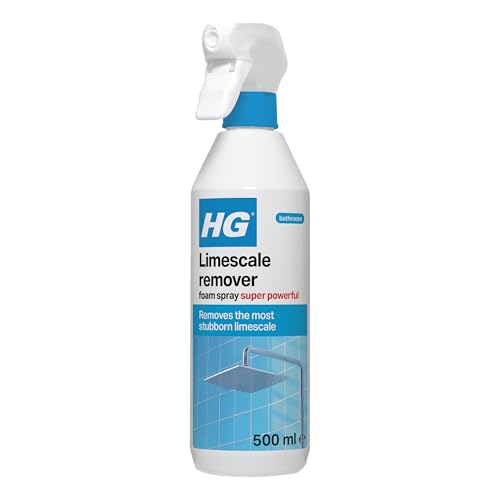
HG Limescale Remover Foam Spray 500ml
Original price was: £6.25.£4.50Current price is: £4.50. *View On Amazon*




How to Choose the Right Bathroom Cleaner
Bathroom cleaners are formulated for different surfaces and types of residue. Some products are designed for general wiping, while others target limescale, soap scum, mould marks, toilet bowls or stubborn deposits.
Start by identifying what needs cleaning and the material beneath it. A product suitable for ceramic tiles may not be appropriate for natural stone, acrylic baths, chrome fittings or coloured grout.
Always check the product instructions before use and test it on a small, discreet area where appropriate.
Types of Bathroom Cleaners
General Bathroom Sprays
General bathroom sprays are intended for routine cleaning on suitable washable surfaces. They may help remove light dirt, water marks and soap residue from sinks, baths, showers and tiles.
Ready to use sprays are convenient for targeted application. Check whether the product should be sprayed directly onto the surface or applied using a cloth or sponge.
Some cleaners need to remain on the surface for a stated period before wiping or rinsing.
Limescale Removers
Limescale removers are designed to tackle mineral deposits commonly found around taps, showerheads, screens and other areas exposed to hard water.
These products can be more acidic than general cleaners and may not be suitable for natural stone, marble, certain metals, enamel or delicate finishes. Follow the stated application time carefully and do not leave the product on for longer than instructed.
For frequent light deposits, regular cleaning may be gentler than allowing heavy limescale to build up.
Shower and Bath Cleaners
Shower and bath cleaners may help remove soap residue, body oils and water marks from suitable trays, screens, tiles and bath surfaces.
Check compatibility with acrylic, enamel, glass, grout and sealant. Abrasive cleaners or rough pads can scratch some baths and shower enclosures.
Daily shower sprays may help reduce residue between deeper cleans, depending on the product and surface.
Toilet Cleaners
Toilet cleaners are commonly supplied as gels, liquids, foams, tablets or rim products. Some are designed to remove stains and limescale, while others provide fragrance or routine maintenance.
Follow the application instructions and allow the product to work for the stated time. Never mix toilet cleaner with bleach or another chemical product unless the manufacturer specifically confirms that it is safe.
Toilet cleaning tools should be stored separately from equipment used elsewhere in the bathroom or home.
Mould and Mildew Cleaners
Mould and mildew products may be intended for use on suitable tiles, grout, walls or sealant. Their effectiveness and surface suitability will vary according to the formulation.
Mould can return when the underlying cause is not addressed. Ventilation, heating, leaks and persistent condensation may need attention alongside regular cleaning.
Use mould treatment products with suitable ventilation and follow all safety instructions.
Tile and Grout Cleaners
Tile cleaners may help remove bathroom residue from ceramic, porcelain or other listed tile types. Grout cleaners are often designed to reach dirt held within textured or porous joints.
Natural stone tiles require specialist care and should not be cleaned with acidic products unless explicitly listed as suitable.
A small brush may help clean grout, but excessive scrubbing can damage weakened joints or sealant.
Important Buying Considerations
Surface Compatibility
Bathroom surfaces can include ceramic, porcelain, acrylic, glass, stainless steel, chrome, enamel, natural stone, grout and silicone sealant. These materials do not all tolerate the same cleaning products.
Check the suitability information carefully rather than assuming one bathroom cleaner can be used everywhere.
Type of Residue
Light dirt and water marks may only need a general cleaner. Heavy limescale, mould staining, soap scum or toilet deposits may require a more targeted product.
Using a specialist cleaner can be more appropriate than repeatedly applying a general formula that is not designed for the problem.
Product Format
Sprays are useful for walls, screens and larger surfaces. Gels can cling to vertical areas or toilet bowls, while wipes offer convenience for small touch ups.
Concentrated products may need accurate dilution. Foams can make it easier to see where the product has been applied, depending on the formula.
Contact Time
Some bathroom cleaners need time to dissolve deposits or provide their stated hygiene benefit. The surface may need to remain wet for a specific period.
Wiping the product away immediately can reduce its effectiveness. Follow the label and do not exceed the recommended contact time.
Fragrance and Ventilation
Bathroom cleaners may have strong fragrances or chemical odours. Use them in a well ventilated space and consider lower fragrance or unfragranced options where available if strong scents are unsuitable for your household.
Fragrance does not indicate cleaning strength or disinfecting performance.
General Cleaner or Specialist Bathroom Product
A general bathroom cleaner can be convenient for regular wiping across several compatible surfaces. It may be suitable for light soap residue, splashes and everyday marks.
A specialist product may be more suitable for limescale, mould, toilet deposits or delicate materials. These products are less versatile but are designed for a narrower task.
Many households use a general cleaner for routine maintenance and keep specialist products for occasional problem areas.
Cleaning Different Bathroom Areas
Baths and Shower Trays
Check whether the surface is acrylic, enamel, stone resin or another material before selecting a cleaner. Avoid abrasive products unless the manufacturer states that they are suitable.
Rinse thoroughly where required to remove residue that could make the surface slippery.
Shower Screens and Mirrors
Glass cleaners or compatible bathroom sprays may help remove water marks from shower screens and mirrors. Use a non abrasive cloth or squeegee to reduce the risk of scratching.
Some shower glass has a protective coating that requires particular care, so follow the screen manufacturer’s guidance where available.
Taps and Fittings
Chrome and other plated finishes can be damaged by harsh chemicals, abrasive tools or products left in place for too long.
Apply cleaner using the recommended method, rinse where instructed and dry the fitting with a soft cloth to help reduce water marks.
Tiles, Grout and Sealant
Tiles and grout can require different cleaning methods. A product suitable for the tile surface may be too harsh for the grout or silicone around it.
Avoid aggressive scrubbing on loose grout or damaged sealant. Deteriorated materials may need repair rather than repeated cleaning.
Bathroom Cleaning Safety
Always read the label and follow guidance on ventilation, gloves, dilution, rinsing and contact time.
Never mix bleach, toilet cleaner, limescale remover, mould treatment or other bathroom chemicals. Mixing different products can release hazardous fumes or cause dangerous reactions.
Keep cleaners in their original labelled containers and store them securely away from children and pets.
Avoid using bathroom sprays near electrical fittings, heated appliances or exposed sockets.
Cleaning Around Children and Pets
Keep children and pets out of the bathroom while products are being applied. Allow surfaces to dry and rinse them where instructed before the room is used again.
Take extra care with bath surfaces, children’s bathroom accessories and pet washing areas. Only use products listed as suitable for the intended purpose.
A product described as natural or plant based still needs to be used according to its safety instructions.
Useful Bathroom Cleaning Accessories
Bathroom cleaners may be used with microfibre cloths, non scratch sponges, grout brushes, toilet brushes, squeegees and protective gloves.
Choose tools that are suitable for the surface. Rough scourers and stiff brushes may mark acrylic, chrome, glass or polished finishes.
Use separate tools for toilets and other bathroom areas to help reduce the transfer of dirt.
Why Buy Bathroom Cleaners from YPC?
At YPC, we understand active lifestyles and the need for practical products that work in real use. Our Bathroom Cleaners category makes it easier to compare products by intended task, surface suitability, format and application instructions.
Browse the available options and choose bathroom cleaning products that match your surfaces, routine and the type of residue you need to remove.
Frequently Asked Questions
What is the best type of cleaner for bathroom limescale?
Choose a product specifically listed for limescale and your particular surface. Acidic formulas may damage natural stone, certain metals and delicate finishes, so always check compatibility.
Can I use one bathroom cleaner on every surface?
No. Baths, tiles, grout, chrome, glass and natural stone can require different products. Check the label before applying a cleaner to any surface.
How do I remove soap residue from a shower?
Use a shower or bathroom cleaner listed as suitable for the screen, tiles and tray. Follow the contact time, wipe or rinse as directed and use a non abrasive tool.
Can bathroom cleaners be mixed with bleach?
No. Never mix cleaning products unless the manufacturer explicitly states that it is safe. Certain combinations can create dangerous fumes.
Why does mould keep returning in my bathroom?
Recurring mould can be linked to condensation, poor ventilation, damp or leaks. Cleaning may remove visible marks, but the underlying moisture problem may also need attention.
 Getting ready for Summer? View our Home and Garden Products

Heading outdoors this winter? Take a look at our Outdoor Clothing.