
Drain Cleaners
Drain Cleaners for Slow and Blocked Household Drains
Drain cleaners are designed to help clear or maintain suitable sinks, basins, showers, baths and waste pipes. Depending on the formula, they may target grease, soap residue, hair, food deposits or organic build-up that can cause slow drainage and unpleasant odours.
Browse drain cleaning liquids, gels, powders, granules, enzyme treatments and maintenance products. Compare each option by its intended blockage type, suitable pipework, required contact time and compatibility with septic tanks, waste disposal units or other plumbing systems.
Explore the Drain Cleaners range at YPC and choose a product that matches the affected drain, the likely cause of the blockage and the manufacturer’s usage instructions.
-
Drain Cleaners
Pro-Kleen Intense Waste Pipe and Tank Cleaner for Caravans and Motorhomes 5L
£17.95 *View On Amazon* -
Drain Cleaners
Fenwicks Waste Pipe and Tank Cleaner 1 Litre 358185
Original price was: £11.50.£9.93Current price is: £9.93. *View On Amazon* -
Drain Cleaners
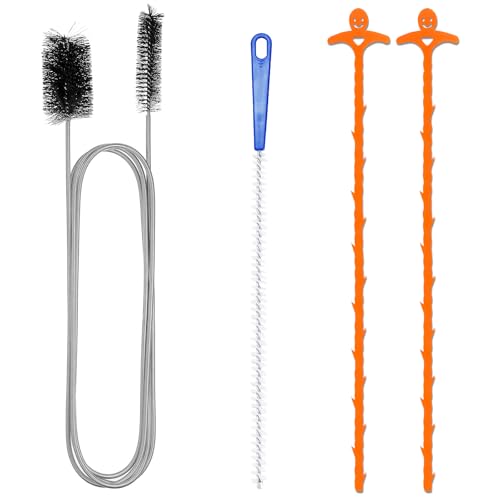
4-Piece Drain Unblocker Cleaner Brush Tool Set
Original price was: £7.89.£6.44Current price is: £6.44. *View On Amazon* -
Drain Cleaners
Kelly’s Collection 30 Inch Drain Snake Sink Unblocker Tools, 5 Pack
£9.99 *View On Amazon* -
Drain Cleaners
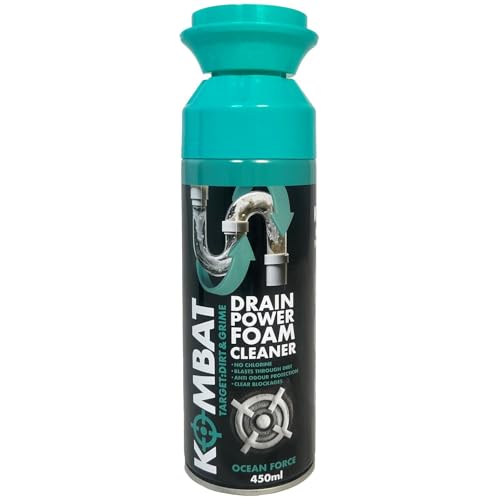
Kombat Drain Power Foam Cleaner, Ocean Force Scent, 450ml, No Chlorine
£9.99 *View On Amazon* -
Drain Cleaners
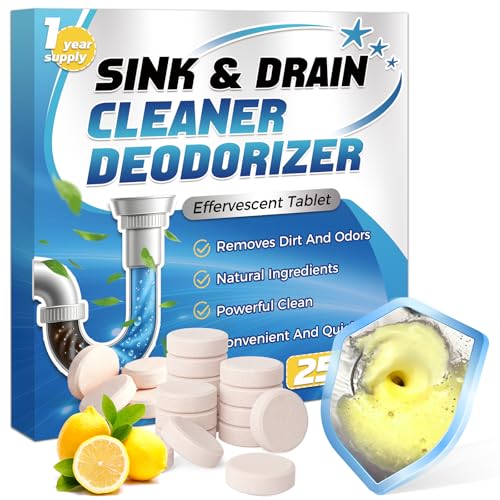
25 Pack Drain Cleaner Tablets
Original price was: £8.99.£6.99Current price is: £6.99. *View On Amazon* -
Drain Cleaners
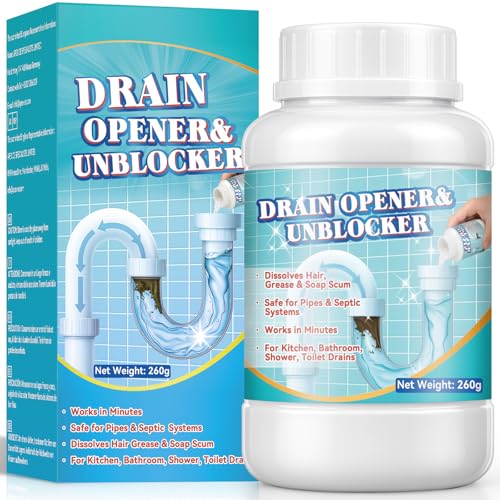
2PCS Drain Unblocker Powder 320g per Pack
Original price was: £17.88.£15.19Current price is: £15.19. *View On Amazon* -
Drain Cleaners
Smelly Drain Cleaner Tablets 25 Count
Original price was: £8.99.£8.49Current price is: £8.49. *View On Amazon* -
Drain Cleaners
Smelly Drain Cleaner Tablets, 25 Tablets, Yellow, 125g
Original price was: £8.49.£7.99Current price is: £7.99. *View On Amazon*










How to Choose the Right Drain Cleaner
Drain cleaners are formulated for different types of blockage and plumbing systems. Some products are designed to break down hair and soap residue in bathroom drains, while others target grease and food deposits in kitchen waste pipes.
Before choosing a cleaner, consider where the blockage is located, how quickly the water is draining and what is likely to be causing the problem. A product intended for a kitchen sink may not be suitable for a toilet, waste disposal unit or septic system.
Always read the product label before use. Drain cleaners can contain strong chemicals and must never be mixed with other cleaning products.
Types of Drain Cleaners
Liquid Drain Cleaners
Liquid drain cleaners flow through standing water and into the waste pipe, depending on the formulation. They may be designed to treat grease, soap residue, food deposits or general organic build-up.
Check the required dosage and contact time before use. Some liquids work over a short period, while others need to remain in the drain for several hours.
Do not assume that using more product will clear the blockage more effectively. Excess cleaner can remain trapped in the pipe and create additional risks when the drain is inspected or dismantled.
Gel Drain Cleaners
Gel formulas have a thicker consistency that may help them cling to deposits or move slowly through standing water. They are often supplied in bottles designed for controlled pouring.
The intended use can vary, so check whether the gel is suitable for bathroom hair blockages, kitchen grease or general drain maintenance.
Follow the instructions carefully and avoid splashing the product onto taps, sinks, worktops, flooring or clothing.
Powder and Granule Drain Cleaners
Powders and granules are added to the drain in a measured quantity and may react when water is introduced. Some formulas can generate heat or release fumes during use.
Accurate dosing is essential. Never add extra powder because the first treatment appears slow, and do not look directly into the drain while the product is reacting.
These products may not be suitable for every pipe material or plumbing system.
Enzyme and Biological Drain Cleaners
Enzyme and biological cleaners use active ingredients designed to break down certain organic deposits over time. They may be suitable for routine maintenance or slowly draining pipes rather than a complete, urgent blockage.
These formulas often require a longer contact period than strong chemical cleaners. They may work best when left undisturbed overnight or used regularly according to the instructions.
Check suitability carefully if the drain has recently been treated with bleach, disinfectant or another chemical, as residues may affect biological ingredients.
Drain Maintenance Treatments
Maintenance products are intended to help reduce gradual build-up when used periodically. They may be useful in drains that regularly collect soap, grease or other organic residue.
A maintenance cleaner is not necessarily strong enough to clear a fully blocked pipe. If water is no longer draining, a mechanical method or professional plumber may be more appropriate.
Choosing a Cleaner for the Type of Blockage
Hair and Soap Build-Up
Bathroom sinks, baths and showers commonly collect hair, soap residue and grooming products. A cleaner specifically designed for hair and organic deposits may be suitable.
Where accessible, removing visible hair from the plughole can be more effective than repeatedly adding chemicals. A drain snake or suitable hair removal tool may also help.
Grease and Food Deposits
Kitchen drains can become restricted by cooking oils, fats, food residue and detergent build-up. Choose a product listed for kitchen grease and compatible with the sink and pipework.
Cooking fat and oil should not be poured down the drain, as they can cool and solidify further along the pipe.
Limescale and Mineral Deposits
Hard water can contribute to mineral build-up, although limescale is not always the main cause of a blocked drain. Standard drain cleaners may not be designed to remove mineral deposits.
Use only a product specifically listed for the task and pipe material. Acidic treatments can damage some metals, finishes and plumbing components.
Unidentified Blockages
When the cause is unclear, avoid repeatedly trying several different cleaners. Residues from incompatible products can react dangerously.
A persistent, recurring or complete blockage may require mechanical cleaning, inspection or professional plumbing assistance.
Kitchen Drain Cleaners
Kitchen drain cleaners may be formulated to break down grease, oil and organic food deposits. Check whether the product is suitable for metal, plastic or other waste pipes in your home.
Remove standing water first only where the instructions require it. Some products are designed to pass through water, while others need direct contact with the blockage.
Do not use a kitchen drain cleaner in a waste disposal unit unless the label and appliance manufacturer confirm that it is suitable.
Bathroom Drain Cleaners
Bathroom formulas may target hair, soap, shampoo residue and body oils in shower, bath and basin wastes.
Avoid allowing the product to contact chrome fittings, acrylic surfaces, natural stone or decorative finishes unless it is listed as suitable. Rinse splashes immediately according to the safety guidance.
If the plughole cover or trap can be safely removed, visible debris may be cleared manually before using a chemical treatment.
Drain Cleaner Compatibility
Plastic and Metal Pipes
Many household drains use plastic pipework, but older properties may contain metal components. Strong chemicals and heat-generating products may not be suitable for every material.
Check the label for pipe compatibility and follow any restrictions relating to older, damaged or corroded plumbing.
Septic Tanks
Not every drain cleaner is suitable for homes with septic tanks. Strong chemicals may interfere with the biological processes used within the system.
Choose only a product specifically described as compatible and follow the recommended quantity and frequency.
Waste Disposal Units
Drain cleaners can damage waste disposal components or create hazardous splashing when the unit is operated.
Only use a product where both the drain cleaner and disposal unit instructions clearly permit it. Disconnect or isolate the appliance where instructed before cleaning.
Toilets
Sink and shower drain cleaners should not be used in toilets unless the product specifically states that they are suitable.
Toilet blockages can involve different materials, pipe sizes and plumbing arrangements. A toilet plunger, auger or professional service may be more appropriate.
Chemical or Enzyme Drain Cleaner
Chemical drain cleaners can act more quickly on suitable blockages, but they may contain corrosive ingredients and require careful handling, ventilation and protective equipment.
Enzyme or biological cleaners generally work more slowly and are often intended for organic build-up or routine maintenance. They may not clear a severe or complete obstruction.
The right choice depends on the type of blockage, urgency, pipe compatibility and plumbing system.
Drain Cleaners or Mechanical Tools
Drain cleaners can help dissolve certain deposits without taking pipework apart. However, they will not remove solid objects, damaged components, tree roots or structural pipe problems.
Mechanical options may include plungers, drain snakes, hair removal tools and pipe cleaning brushes. These can be useful where the blockage is close to the plughole and physically accessible.
Take care when using a tool after a chemical cleaner. Corrosive liquid may still be present in the pipe and could splash onto skin or clothing.
How to Use Drain Cleaner Safely
Always follow the label instructions exactly. Wear gloves and eye protection where required and ensure the room is adequately ventilated.
Never mix drain cleaner with:
- Bleach
- Descaler
- Toilet cleaner
- Disinfectant
- Ammonia-based products
- Acids or alkalis
- Another brand or type of drain cleaner
Combining chemicals can cause violent reactions, heat, splashing or hazardous fumes.
Pour the product slowly and avoid leaning over the drain. Keep your face and body away from the opening during application.
Do not use a plunger immediately after adding chemical drain cleaner unless the instructions specifically permit it. Plunging can force corrosive liquid back out of the drain.
What to Do After Treatment
Leave the cleaner in place for the stated contact time. Do not use the sink, shower or bath during this period.
Flush the drain using the amount and temperature of water specified on the label. Some products require cold water, while others may permit warm or hot water.
Do not use boiling water unless the instructions explicitly recommend it. Very hot water can damage some pipes, seals and sanitary fittings.
If the first treatment does not work, follow the product guidance before repeating it. Do not immediately add a different cleaner.
Preventing Future Drain Blockages
Use sink strainers or hair catchers to prevent larger debris from entering the waste pipe. Empty and clean them regularly.
Avoid pouring cooking oil, fat, coffee grounds or food scraps down kitchen sinks. Wipe greasy pans with kitchen paper before washing where practical.
Remove visible hair from bathroom plugholes and periodically clean accessible waste fittings according to the manufacturer’s guidance.
Routine maintenance can help reduce build-up, but it will not correct damaged, poorly installed or collapsed pipework.
When to Contact a Plumber
Professional assistance may be needed when:
- The drain is completely blocked
- Several drains are affected at once
- Water backs up into another fixture
- The blockage returns repeatedly
- There is a sewage smell or leak
- A solid object has entered the pipe
- Chemical treatments have failed
- The pipework appears damaged
Tell the plumber which products have already been used. This allows them to take suitable precautions before opening or working on the drain.
Storage and Disposal
Keep drain cleaners in their original labelled containers with the cap securely closed. Store them upright, away from children, pets, food and heat.
Do not transfer drain cleaner into an unmarked bottle or another container. Never use a drinks bottle for storage.
Dispose of empty containers and unused product according to the packaging and local disposal guidance. Do not pour unwanted chemicals into another drain simply to get rid of them.
Why Buy Drain Cleaners from YPC?
At YPC, we understand active lifestyles and the need for practical products that work in real use. Our Drain Cleaners category makes it easier to compare liquids, gels, powders and enzyme treatments for different household drainage tasks.
Browse the available options and compare blockage type, pipe compatibility, contact time and plumbing requirements to find a suitable product for your home.
Frequently Asked Questions
What type of drain cleaner should I use for hair?
Choose a product specifically listed for hair and soap build-up in bathroom drains. Removing accessible hair manually may also help before applying a cleaner.
Can I mix drain cleaner with bleach?
No. Drain cleaner must never be mixed with bleach or other household chemicals. The combination may create hazardous fumes, heat or violent reactions.
Are drain cleaners safe for plastic pipes?
Some are, but compatibility varies by product and pipe condition. Check the label and avoid using products that are unsuitable for your plumbing material.
Can drain cleaner be used in a toilet?
Only if the product explicitly states that it is suitable for toilets. Many sink and shower drain cleaners are not designed for toilet plumbing.
What should I do if drain cleaner does not clear the blockage?
Do not add a different chemical product. Follow the repeat-treatment instructions or contact a plumber, particularly if the drain is fully blocked or repeatedly backs up.
 Getting ready for Summer? View our Home and Garden Products

Heading outdoors this winter? Take a look at our Outdoor Clothing.