
Glass and Window Cleaners
Glass and Window Cleaners for Clear, Streak Free Surfaces
Glass and window cleaners help remove fingerprints, dust, grease, water marks and everyday dirt from suitable windows, mirrors and other glass surfaces. Choosing a product designed for the particular type of glass can make cleaning easier while reducing streaks, smears and residue.
Browse sprays, liquids, foams, wipes, concentrates and specialist glass cleaning products. Compare options by their intended surfaces, application method, fragrance, pack size and whether they are suitable for coated, tinted or decorative glass.
Explore the Glass and Window Cleaners range at YPC to find practical products for household windows, mirrors, shower screens and other compatible smooth surfaces.
-
Glass and Window Cleaners
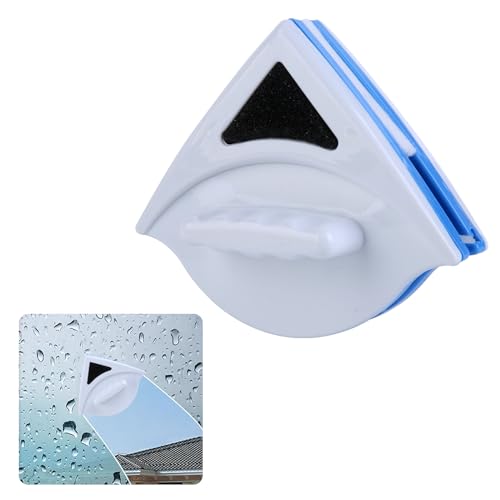
Magnetic Window Cleaner for Double Glazing 15-24mm with Water Reservoir, Microfibre Pads and Safety Cord
£26.99 *View On Amazon* -
Glass and Window Cleaners
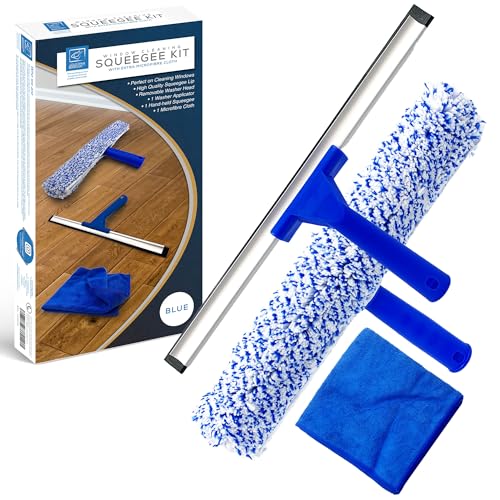
Ecobam Window Squeegee Cleaning Kit with Extendable Telescopic Handle
£17.99 *View On Amazon* -
Glass and Window Cleaners
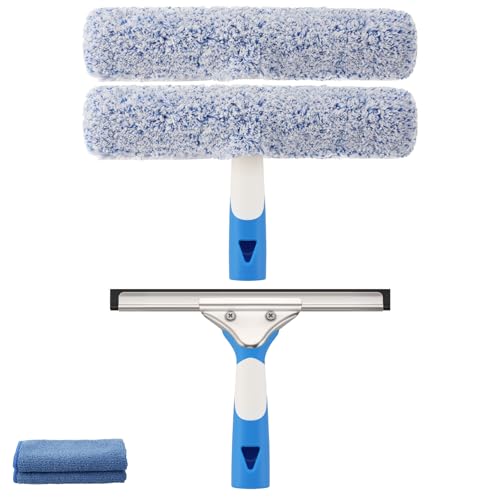
Mitclear Professional Window Cleaning Kit 10IN with Silicone Squeegee, Microfiber Scrubber and Cloth
£12.89 *View On Amazon* -
Glass and Window Cleaners
Ibergrif M34101 Silicone Shower Squeegee with Hooks
£11.89 *View On Amazon* -
Glass and Window Cleaners
Rubber Squeegee Window Cleaner and Microfibre Glass Wiper Twin Pack, 14 Inch Cleaning Kit
Original price was: £14.99.£9.97Current price is: £9.97. *View On Amazon* -
Glass and Window Cleaners
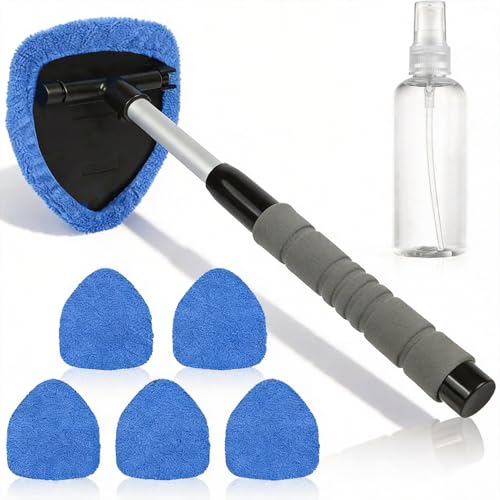
TidyBliss Window Cleaning Kit with Long Reach Pole, 143 cm
Original price was: £15.99.£13.59Current price is: £13.59. *View On Amazon* -
Glass and Window Cleaners
Pack of 2 Window Squeegee Glass Cleaning Wiper with Plastic Body, Rubber Blade and Easy Grip Handle
£6.99 *View On Amazon* -
Glass and Window Cleaners
Yeelua Magnetic Window Cleaner for Single Glazing (S-3~8MM)
£15.99 *View On Amazon* -
Glass and Window Cleaners
Essentiality 2-Pack Multipurpose Window Squeegee, Turquoise/Grey
£7.99 *View On Amazon* -
Glass and Window Cleaners
Mitclear Window Cleaner with Long Handle 57in, Silicone Squeegee and Microfiber Scrubber
Original price was: £17.89.£14.89Current price is: £14.89. *View On Amazon* -
Glass and Window Cleaners
Bingobang 1.62M Window Squeegee Cleaner Kit with Telescopic Pole
£14.99 *View On Amazon* -
Glass and Window Cleaners
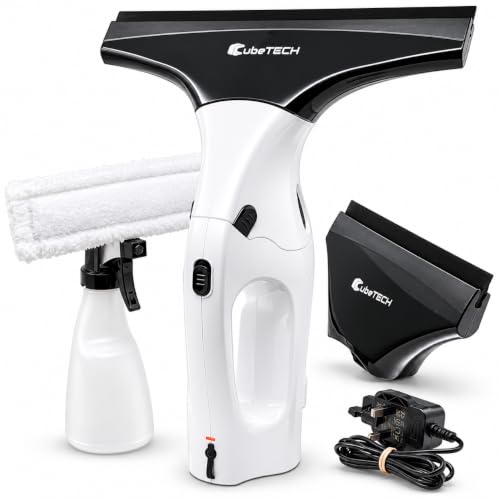
CubeTECH CTWV2 Cordless Vacuum Cleaner Power Kit
Original price was: £29.95.£25.45Current price is: £25.45. *View On Amazon* -
Glass and Window Cleaners
2 in 1 Telescopic Window Squeegee with Sponge Attachment
£9.99 *View On Amazon* -
Glass and Window Cleaners
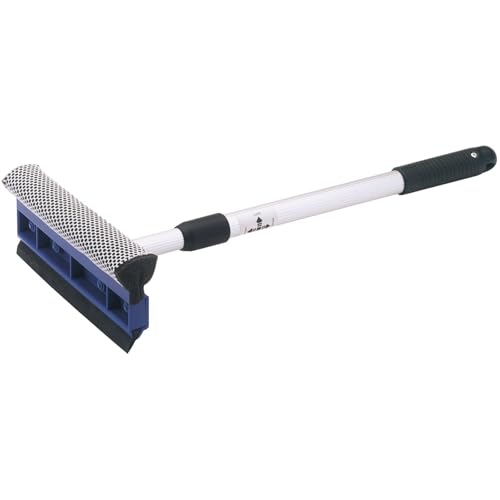
Draper Telescopic Window Cleaning Equipment, 73860, Blue
Original price was: £17.16.£10.99Current price is: £10.99. *View On Amazon* -
Glass and Window Cleaners
Magnetic Window Cleaner for Single Glazed Windows with Safety Rope
Original price was: £19.99.£13.99Current price is: £13.99. *View On Amazon* -
Glass and Window Cleaners
E-Cloth Glass and Window Cleaner 2 Pack, Tangerine Orange
£19.95 *View On Amazon* -
Glass and Window Cleaners
Magnetic Window Cleaner for Double Glazing 20-30mm with Water Reservoir, Safety Rope and Squeegee
£29.99 *View On Amazon* -
Glass and Window Cleaners
HOMEXCEL Microfiber Glass Cleaning Cloths 8 Pack, 30 x 30 cm
£8.99 *View On Amazon* -
Glass and Window Cleaners
2 x Mr Muscle Window and Glass Cleaner 750ml Trigger Spray
£9.83 *View On Amazon* -
Glass and Window Cleaners
FILA Surface Care Solutions CLEAN&SHINE All Purpose Cleaner 750ml
£9.04 *View On Amazon* -
Glass and Window Cleaners
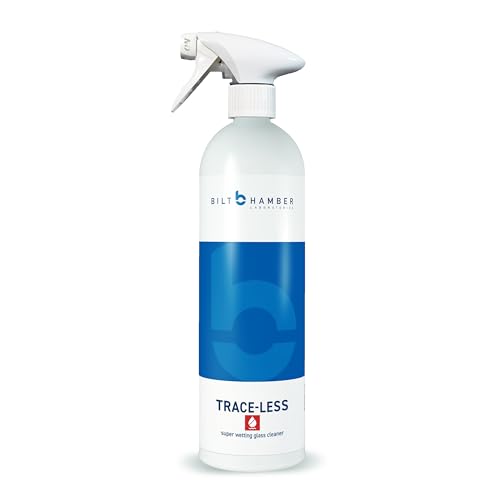
Bilt Hamber Trace-Less 1000ml Glass Cleaner with Waffle Weave and Suede Microfibre Towels
£18.30 *View On Amazon* -
Glass and Window Cleaners
Windex Original Blue Glass and Window Cleaner Spray Bottle, 23 fl oz
£9.99 *View On Amazon*












How to Choose Glass and Window Cleaners
Glass and window cleaners are formulated to remove marks and residue without leaving an oily or cloudy finish. Some products are designed for general household glass, while others are intended for shower screens, vehicle windows or specialist coated surfaces.
Start by checking what you need to clean. Ordinary window glass, mirrors, tinted glass, frosted finishes and electronic screens can all require different products.
Always read the product instructions before use. A cleaner that is suitable for household windows may not be appropriate for television screens, touchscreens, camera lenses or specially treated glass.
Types of Glass and Window Cleaners
Ready to Use Glass Sprays
Ready to use sprays are convenient for windows, mirrors and suitable glass surfaces. They allow controlled application and can be paired with a clean microfibre cloth, lint free cloth or paper towel.
Check whether the product should be sprayed directly onto the surface or applied to a cloth. Spraying onto a cloth can provide more control around frames, seals, electrical fittings and delicate edges.
Use only the amount recommended, as applying too much cleaner can increase smearing and drying time.
Foaming Glass Cleaners
Foaming cleaners can cling to vertical surfaces and make it easier to see where the product has been applied. This can be useful on windows, mirrors and shower screens.
The foam may help reduce dripping, although the surface still needs to be wiped thoroughly. Follow the contact time and removal instructions shown on the product.
Concentrated Window Cleaners
Concentrated products are diluted before use and may suit larger areas or frequent household cleaning. They can provide more usable solution from a smaller container, depending on the recommended dilution rate.
Accurate measuring is important. Too much product can leave residue, while an overly weak solution may not clean effectively.
Prepare and store diluted cleaner only as directed by the manufacturer.
Glass Cleaning Wipes
Glass wipes are convenient for small mirrors, fingerprints and quick touch ups. They are pre-moistened and do not require a separate bottle and cloth.
They may be less practical for large windows because several wipes could be needed. Check whether the wipes are suitable for the exact glass or coating involved.
Dispose of used wipes according to the packaging instructions.
Shower Glass Cleaners
Shower screen cleaners may be formulated to remove soap residue, water marks and light limescale from suitable glass.
Heavy mineral deposits may require a specialist limescale product, but acidic formulas can affect frames, seals, natural stone and nearby fittings. Check compatibility with every surrounding material before use.
A shower squeegee can help remove water after use and reduce future build-up.
Important Buying Considerations
Type of Glass or Surface
Standard window glass may tolerate a wider range of cleaners than tinted, coated, frosted or decorative glass. Mirrors also have vulnerable backing and edges that can be affected by excess moisture.
Check the surface manufacturer’s care guidance where available. Avoid allowing liquid to collect around mirror edges, window seals or damaged coatings.
Type of Dirt
Fingerprints, dust and light grease may only need a general glass cleaner. Soap residue, nicotine deposits, insects or heavy outdoor grime may require a more targeted product or repeated cleaning.
Remove loose dust before wet cleaning to reduce smearing and the risk of scratching.
Streak Free Formulas
Many glass cleaners are described as streak free, but the final result also depends on how much product is used, the cloth, the temperature and the condition of the surface.
Using a clean cloth and working in manageable sections can help. Replace or rinse the cloth when it becomes damp or dirty.
Fragrance and Ventilation
Glass cleaners may be fragranced, lightly scented or unfragranced. Strong fragrances can be unsuitable in smaller rooms or households with sensitivities.
Open windows where practical and follow any ventilation instructions. Fragrance does not indicate cleaning strength.
Pack Size and Format
A small spray may suit occasional mirror cleaning, while larger bottles or concentrates can be more practical for regular window care.
Compare the amount of usable product, particularly when choosing between ready to use and concentrated formulas.
Glass Cleaner or General Household Cleaner
A specialist glass cleaner is formulated to evaporate or wipe away without leaving heavy residue. It is usually the more suitable option for windows, mirrors and polished glass.
A general household cleaner may remove dirt, but it can leave smears, fragrance oils or a cloudy film. It may also contain ingredients unsuitable for coatings or mirror edges.
Use a cleaner that is specifically listed for glass where clarity and finish matter.
Cleaning Windows and Mirrors
Interior Windows
Remove dust from frames and ledges before cleaning the glass. Apply the cleaner according to the instructions and wipe using a clean lint free cloth.
Work from the top down so any drips move towards areas that have not yet been cleaned. Avoid soaking wooden frames, seals or painted surfaces.
Exterior Windows
Outdoor windows may collect mud, pollen, road residue and bird mess. Loose dirt should be removed carefully before polishing the surface.
A bucket solution, window washer and squeegee may be more practical for large exterior panes. Follow safe access guidance and avoid leaning from windows or using unstable ladders.
Mirrors
Apply cleaner sparingly and prevent liquid from running behind the mirror or collecting around the edges. Moisture can damage some mirror backings over time.
Spraying the cloth rather than the mirror can provide better control.
Shower Screens
Remove soap residue and water marks using a product suitable for the glass and surrounding fittings. Rinse where instructed and dry the screen with a cloth or squeegee.
Check before using acidic cleaners near natural stone, metal frames, grout or silicone sealant.
Choosing the Right Cleaning Cloth
Microfibre and lint free cloths can help remove cleaner without leaving fibres behind. Use a clean cloth, as detergent residue or fabric conditioner from previous washing can cause smearing.
Paper towels offer convenience but may leave lint depending on the type. Newspaper is sometimes suggested for glass cleaning, but modern inks, paper coatings and window finishes vary, making a suitable cloth a more reliable choice.
Wash reusable cloths according to their care instructions and allow them to dry fully before storage.
Using a Window Squeegee
A squeegee can help remove cleaning solution from larger panes quickly. Choose a blade width that suits the size of the window and check that the rubber edge is smooth and undamaged.
A worn blade can leave lines or skip across the surface. Wipe the blade between passes to avoid transferring dirt.
Squeegees are also useful for shower screens, tiles and other smooth surfaces where listed as suitable.
Cleaning Tinted and Coated Glass
Tinted film, privacy coatings, solar treatments and self-cleaning glass may require specialist care. Some cleaners containing ammonia, abrasives or strong solvents may damage these finishes.
Check the window or film manufacturer’s instructions before applying any product. Where suitability is unclear, use the recommended cleaner rather than assuming a standard glass spray is safe.
Glass Cleaners and Electronic Screens
Ordinary glass cleaner should not be used on televisions, computer monitors, tablets, phones or other electronic displays unless the manufacturer specifically permits it.
Screens may have anti-glare, oleophobic or protective coatings that can be damaged by household cleaning products. Use a cleaner and cloth designed for the device.
Never spray liquid directly onto an electronic screen.
Avoiding Streaks and Smears
Use a small amount of cleaner and work in sections rather than covering the entire window at once. Excess product can dry unevenly or leave residue.
Clean glass away from strong direct sunlight where practical, as rapid drying can increase streaking.
Use a fresh cloth for final polishing. If smears remain, they may be caused by a dirty cloth, too much cleaner or residue from a previous product.
Glass Cleaning Safety
Always follow the product label, including ventilation, protective equipment and surface suitability guidance.
Never mix glass cleaner with bleach, disinfectants, acids or other household chemicals. Some glass products may contain ammonia or alcohol, and mixing chemicals can create dangerous fumes or reactions.
Store products in their original labelled containers, securely away from children, pets, food and heat sources.
Take particular care when cleaning high windows. Use suitable long handled equipment or professional services rather than standing on unstable furniture.
Useful Glass and Window Cleaning Accessories
Useful accessories may include microfibre cloths, lint free cloths, squeegees, window washers, buckets, extendable poles and protective gloves.
Choose extendable equipment that can be controlled safely from floor level. Check that replacement cloths, sleeves and squeegee blades fit the existing tool before ordering.
Keep window cleaning cloths separate from cloths used for greasy kitchen surfaces or bathroom cleaning.
Why Buy Glass and Window Cleaners from YPC?
At YPC, we understand active lifestyles and the need for practical products that work in real use. Our Glass and Window Cleaners category makes it easier to compare sprays, foams, wipes, concentrates and specialist formulas.
Browse the available options and compare surface suitability, format and intended use to find products for your windows, mirrors and other compatible glass surfaces.
Frequently Asked Questions
What is the best way to avoid streaks when cleaning windows?
Use a small amount of suitable glass cleaner and wipe with a clean lint free or microfibre cloth. Avoid cleaning in strong direct sunlight where possible.
Can glass cleaner be used on mirrors?
Many glass cleaners are suitable for mirrors, but check the product instructions. Apply sparingly and avoid allowing liquid to collect around the mirror edges.
Can I use window cleaner on tinted glass?
Only if the product is specifically listed as safe for tinted glass or window film. Ammonia, solvents and abrasive ingredients may damage some treatments.
Is glass cleaner safe for television and computer screens?
Ordinary household glass cleaner is generally unsuitable unless the device manufacturer permits it. Use a cleaner specifically designed for electronic screens.
Why do my windows still look smeared after cleaning?
Smears can result from too much cleaner, a dirty cloth, direct sunlight or residue left by a previous product. Clean the glass again using a fresh cloth and a small amount of suitable cleaner.
 Getting ready for Summer? View our Home and Garden Products

Heading outdoors this winter? Take a look at our Outdoor Clothing.